How to Choose a Toilet Paper Packing Machine for Faster, More Reliable Production
When choosing a toilet paper packing machine, assess your production needs, desired speed, and packaging quality. Consider the machine’s compatibility with existing equipment and the required automation level. Evaluate energy efficiency and maintenance demands to guarantee peak performance. Look for features that enhance operational control and minimize packaging errors. Fully automatic systems can offer significant advantages in high-demand environments. Explore more insights to guarantee you make the best decision for reliable production.
Key Takeaways
- Assess your production volume needs and select a machine that meets or exceeds your daily output requirements for optimal efficiency.
- Consider the machine’s speed and operational efficiency features to ensure it aligns with market demands for pack sizes and configurations.
- Evaluate automation levels, opting for fully automatic lines for higher efficiency and reduced labor costs in high-demand environments.
- Ensure compatibility with existing production equipment and workflow to facilitate seamless integration and minimize operational disruptions.
- Review energy efficiency options to align with sustainability goals while reducing overall electricity costs in your production process.
What Is a Toilet Paper Packing Machine?
A toilet paper packing machine automates the process of packaging rolls into consumer-ready formats, ensuring efficiency and consistency in production. It integrates seamlessly into the toilet paper production line, typically following the converting phase, where raw paper is transformed into finished rolls. Understanding its function and placement is essential for optimizing your manufacturing workflow. Additionally, the use of an Automatic Toilet Roll Rewinding Machine enhances the quality of tissue before it reaches the packing stage.

What Does a Toilet Paper Packing Machine Do?
Toilet paper packing machines streamline the packaging process by automating several key functions, ensuring efficiency and consistency in production. They automatically feed products, reducing manual labor and minimizing errors. The machines accurately count rolls and group them according to preset configurations, enhancing organization and speed. Once grouped, they wrap the product in film, providing protection and a professional appearance. The heat sealing process secures the wrapping, ensuring the integrity of each package during transport and storage. Finally, finished packages are discharged systematically, ready for distribution. By integrating these functions, a toilet paper packing machine optimizes your production line, allowing you to maintain control over quality while increasing output. Additionally, the choice between a flow wrap machine and a pillow pack machine can significantly affect operational efficiency and packaging suitability.
Where Does It Fit in a Toilet Paper Production Line?
In the context of a toilet paper production line, the packing machine plays an essential role after the rolls have been processed and cut. Positioned just after the roll conveying stage, it efficiently packages the finished rolls into bundles, preparing them for the cartoning process. This vital step guarantees that your product maintains its quality and integrity during transportation and storage. By automating the packing process, you enhance speed, reduce labor costs, and minimize errors. The machine must integrate seamlessly with upstream and downstream equipment, guaranteeing a smooth flow of production. Selecting a packing machine that aligns with your production needs will optimize your overall efficiency and maintain consistency in your output. Additionally, choosing machinery with high-speed output features can significantly improve your packing efficiency.
Types of Toilet Paper Packing Machines
When selecting a toilet paper packing machine, you’ll encounter various types designed for specific packaging needs. These include single roll wrapping machines, multi-roll bundle packing machines, pillow pack machines, bag packing machines, and fully automatic packaging lines. Understanding the distinctions among these options is essential for optimizing your production efficiency and meeting market demands. Additionally, consider a machine that integrates high-speed operation for enhanced productivity in your packaging process.
Single Roll Wrapping Machines
Single roll wrapping machines play a critical role in the packaging process of toilet paper, ensuring that each roll is securely wrapped for protection and presentation. These machines are designed for high-speed operation, efficiently wrapping individual rolls in various materials such as film or paper. Their applications include retail packaging and bulk shipping, providing flexibility for different market demands.
The advantages of single roll wrapping machines include enhanced product visibility, reduced packaging waste, and improved hygiene. However, they do have limitations; they may not be suitable for large volume outputs compared to multi-roll solutions. Additionally, setup and changeover times can impact efficiency. Consequently, selecting the right machine involves evaluating your production needs and desired packaging quality. Moreover, toilet roll rewinders are essential in the paper converting industry, as they enhance production efficiency before the wrapping stage.
Multi-Roll Bundle Packing Machines
Multi-roll bundle packing machines efficiently package multiple rolls of toilet paper into cohesive bundles, streamlining the packaging process for higher volume outputs. These machines cater to various pack sizes, guaranteeing flexibility based on market demands. You can choose from:
- 2 Rolls
- 4 Rolls
- 6 Rolls
- 8 Rolls
- 10 Rolls
- 12 Rolls
This versatility allows you to meet the needs of typical customers, which include retailers and wholesalers seeking efficient inventory management. With advanced automation, these machines minimize labor costs while maximizing production efficiency. Their precise alignment and sealing mechanisms guarantee each bundle is secure, maintaining product integrity during transportation. By investing in a multi-roll bundle packing machine, you gain control over your packaging process and output consistency. Additionally, utilizing a high-quality tissue converting line enhances operational efficiency and reduces costs through optimized processes.
Pillow Pack (Flow Wrap) Machines
Pillow pack (flow wrap) machines efficiently package individual rolls of toilet paper in a protective film, ensuring freshness while enhancing shelf appeal. They operate by feeding the roll into a continuous film, sealing it tightly with heat, and cutting it to the desired length. This method minimizes material waste and maximizes efficiency, allowing for rapid production speeds.
The advantages of using pillow pack machines include reduced labor costs, increased packaging flexibility, and improved presentation for retail environments. Typical applications range from single-roll packaging to multi-pack configurations, accommodating various product sizes. By choosing a pillow pack machine, you gain precise control over the packaging process, ensuring consistent quality and reliability in your production line. Additionally, it’s essential to consider the energy efficiency options to align with sustainability goals while optimizing production performance.
Bag Packing Machines
When it comes to packaging toilet paper, bag packing machines offer a versatile solution for various market needs. These machines efficiently cater to diverse packaging requirements, ensuring reliability and speed in production. Here are four key types you should consider:
- Commercial Tissue: Ideal for retail environments, ensuring attractive presentation and ease of handling.
- Wholesale Packaging: Designed for bulk orders, these machines optimize cost-effectiveness and minimize labor.
- Institutional Tissue: Tailored for large facilities, these machines accommodate high-volume packaging while maintaining quality.
- Customizable Options: Many bag packing machines can be adjusted for different bag sizes and materials to meet specific client needs, which aligns with the fully automated production process that enhances efficiency and hygiene standards.
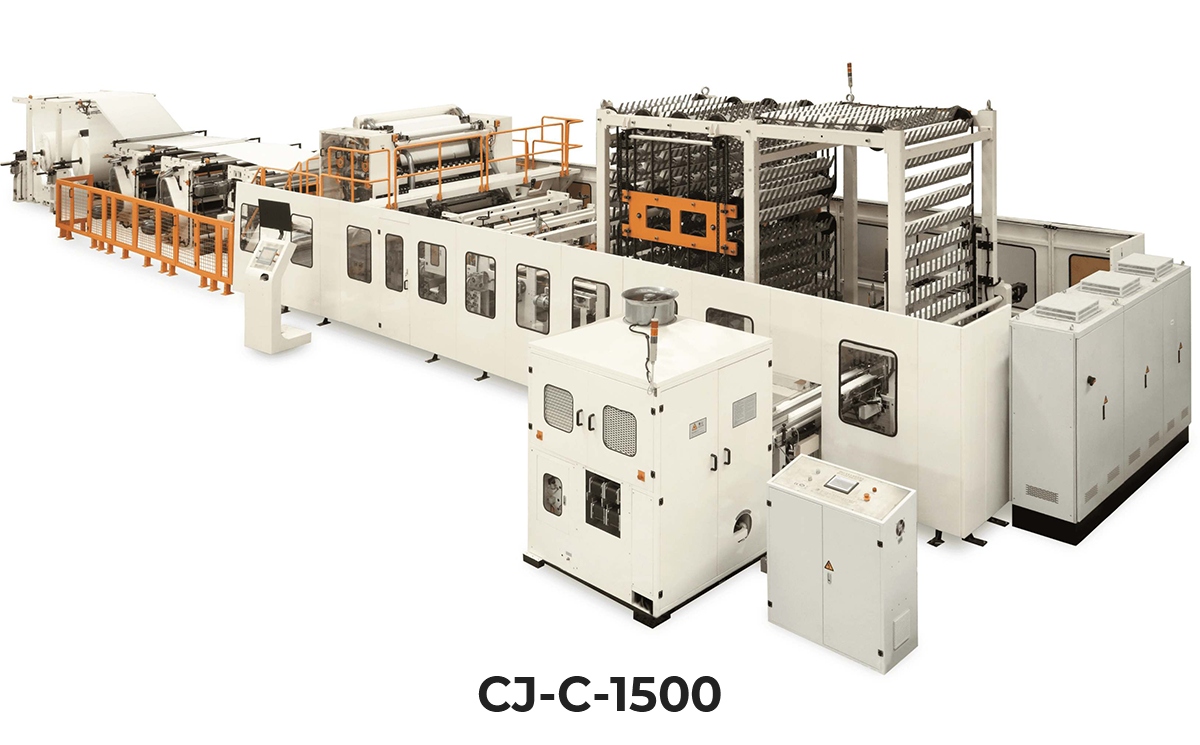
Fully Automatic Packaging Lines
Fully automatic packaging lines represent the pinnacle of efficiency in toilet paper packing machines, catering to the demands of high-volume production environments. These integrated systems streamline operations by automating the entire packaging process, from loading to sealing, ensuring minimal human intervention. The benefits are substantial: you’ll achieve faster throughput, consistent quality, and reduced labor costs. However, consider your investment carefully; while the initial costs may be higher, the long-term savings and increased output often justify the expense. Furthermore, assess the space requirements and compatibility with existing equipment. By choosing a fully automatic line, you gain precise control over your production process, enhancing your overall operational efficiency and positioning your facility for future growth. Additionally, the non-stop type machine ensures continuous operation, further boosting productivity.
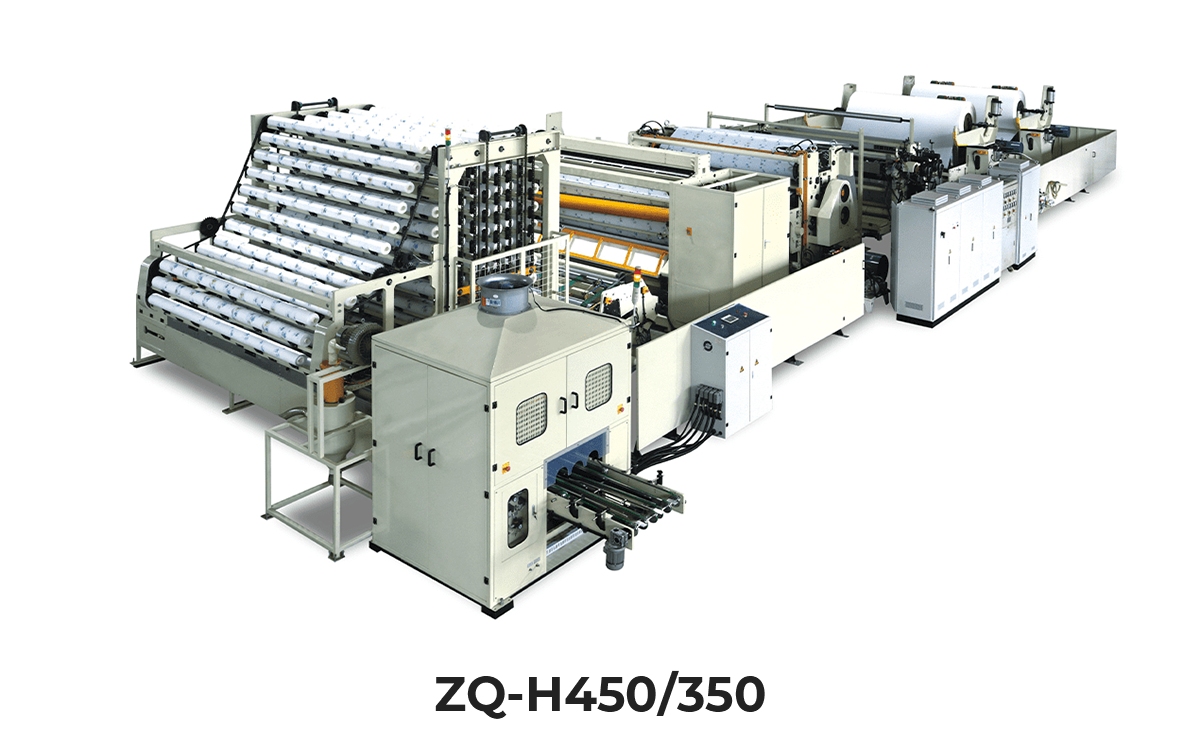
How to Choose the Right Toilet Paper Packing Machine
When choosing the right toilet paper packing machine, you need to align its capacity with your production output to guarantee efficiency. It’s also vital to select the appropriate packaging style and roll specifications for your products. Additionally, consider the type of packaging film and the desired level of automation to optimize your operation. Incorporating energy efficiency features can further enhance your machine’s performance and align with global buyer preferences.
Match Machine Capacity to Your Production Output
When selecting a toilet paper packing machine, it’s essential to align its capacity with your production output. For small tissue factories, a lower-speed machine may suffice, while medium production lines might require a more robust option. High-speed manufacturing plants, on the other hand, demand high-capacity machines to maintain efficiency and meet output goals. Additionally, understanding the differences between toilet rolls and jumbo rolls can help you choose the most appropriate machine for your needs.
Small Tissue Factories
To effectively choose the right toilet paper packing machine for small tissue factories, you must align the machine’s capacity with your production output. Consider the following factors:
- Production Volume: Daily output requirements.
- Machine Speed: Packs per minute capability.
- Package Size: Dimensions of toilet paper bundles.
- Automation Level: Manual vs. fully automated processes.
Each factor directly impacts efficiency and profitability. Additionally, selecting a machine with advanced technologies can further enhance performance and sustainability in production.
Medium Production Lines
Selecting the right toilet paper packing machine for medium production lines requires careful consideration of your operational needs and production goals. Assess your daily output requirements and match them with machine capacity, ensuring efficiency without overloading. Evaluate features like speed, automation level, and maintenance needs to maintain control over production quality and consistency. This tailored approach optimizes performance and enhances your operational effectiveness. Additionally, consider the machine’s compatibility with various core sizes to ensure it meets your specific production requirements.
High-Speed Manufacturing Plants
In high-speed manufacturing plants, matching the toilet paper packing machine’s capacity to your production output is essential for maximizing efficiency and minimizing downtime. Consider these factors:
- Output Rate: Verify the machine meets or exceeds your production speed.
- Changeover Time: Look for quick adjustments to minimize interruptions.
- Durability: Choose machines designed for continuous operation.
- Automation Level: Opt for features that enhance operational control. Additionally, prioritize كفاءة الطاقة as it reduces electricity costs and supports sustainability efforts.
Choose the Right Packaging Style
When you’re considering a toilet paper packing machine, understanding the various packaging styles available is essential for meeting your specific market needs. Selecting the right style not only enhances shelf appeal but also guarantees efficient handling during distribution.
| Packaging Style | Description |
|---|
| Retail Packs | Designed for consumer sales, typically sold through retail stores. |
| Commercial Packs | Bulk packaging for commercial users, offering a cost-effective solution. |
| Export Packs | Packaging designed to meet international shipping and logistics requirements. |
| Private Label Products | Custom-branded packaging tailored to support unique market positioning. |
Choosing the right packaging style greatly impacts your production efficiency and market reach. Verify your machine accommodates the desired styles to streamline operations and maximize profits while maintaining product integrity. Additionally, understanding tissue market growth trends can help you select a machine that aligns with future demands.
Consider Roll Specifications
Understanding roll specifications is essential for optimizing your toilet paper packaging process. Accurate specifications guarantee your chosen packing machine meets production needs without inefficiencies. Here are four critical factors to take into account:
- Diameter: Measure the roll’s diameter to guarantee compatibility with your machine’s capacity.
- Width: Confirm the paper’s width aligns with your packaging requirements for a snug fit.
- Core Size: Assess the core size as it affects the machine’s ability to handle rolls effectively.
- Embossed Products: If you’re packaging embossed toilet paper, choose a machine that accommodates variations in thickness and texture. Additionally, consider a machine that offers high production efficiency to maximize your output and minimize downtime.

Select the Appropriate Packaging Film
Selecting the right packaging film is essential for guaranteeing your toilet paper’s safety and presentation during transit and storage. Consider polyethylene (PE) film for its durability and moisture resistance, which protects your products from environmental factors. Cast polypropylene (CPP) film offers excellent clarity and sealing properties, enhancing your product’s visibility on shelves. If branding is a priority, printed film allows you to showcase your logo and product information effectively, creating a strong market presence. Additionally, opting for recyclable packaging film aligns with eco-friendly practices, appealing to environmentally conscious consumers. Evaluate these options based on your production goals, budget, and target market to guarantee you choose a packaging film that meets your operational needs while maintaining product integrity. Moreover, selecting a machine with high-speed slitting rewinder capabilities can significantly enhance your production efficiency.
Decide the Level of Automation
When selecting a toilet paper packing machine, determining the level of automation is vital to meet your production needs. You can choose between semi-automatic systems, fully automatic systems, or complete intelligent packaging lines based on your operational goals and budget. Evaluating these options will help you optimize efficiency while maintaining product quality. Additionally, opting for a fully automated production process can significantly reduce manual intervention and labor costs.
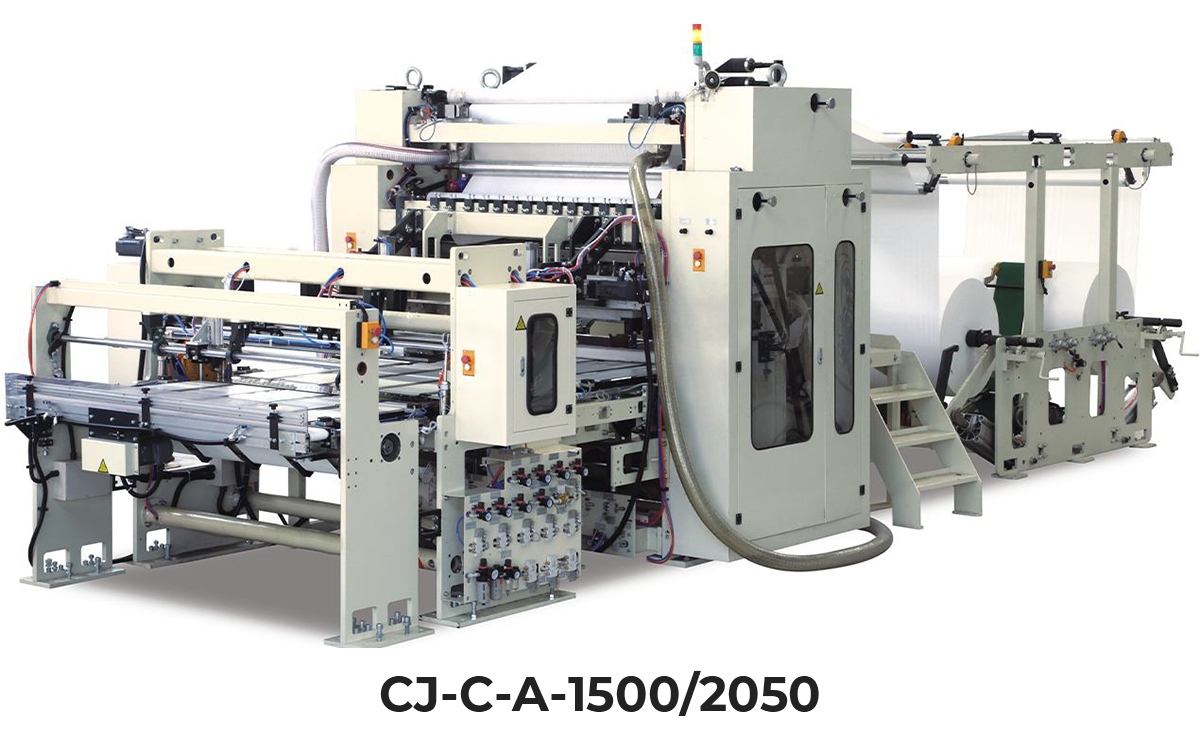
Semi-Automatic Systems
In many production environments, choosing a semi-automatic toilet paper packing machine can strike the perfect balance between efficiency and manual control. When considering this option, keep these factors in mind:
- Speed: Achieve ideal packing rates.
- مرونة: Easily adjust for different package sizes.
- Cost-Effectiveness: Lower initial investment compared to fully automatic systems.
- Operator Control: Maintain hands-on involvement for quality assurance. Additionally, these machines can be paired with a high-speed toilet paper cutting machine to enhance overall production efficiency.
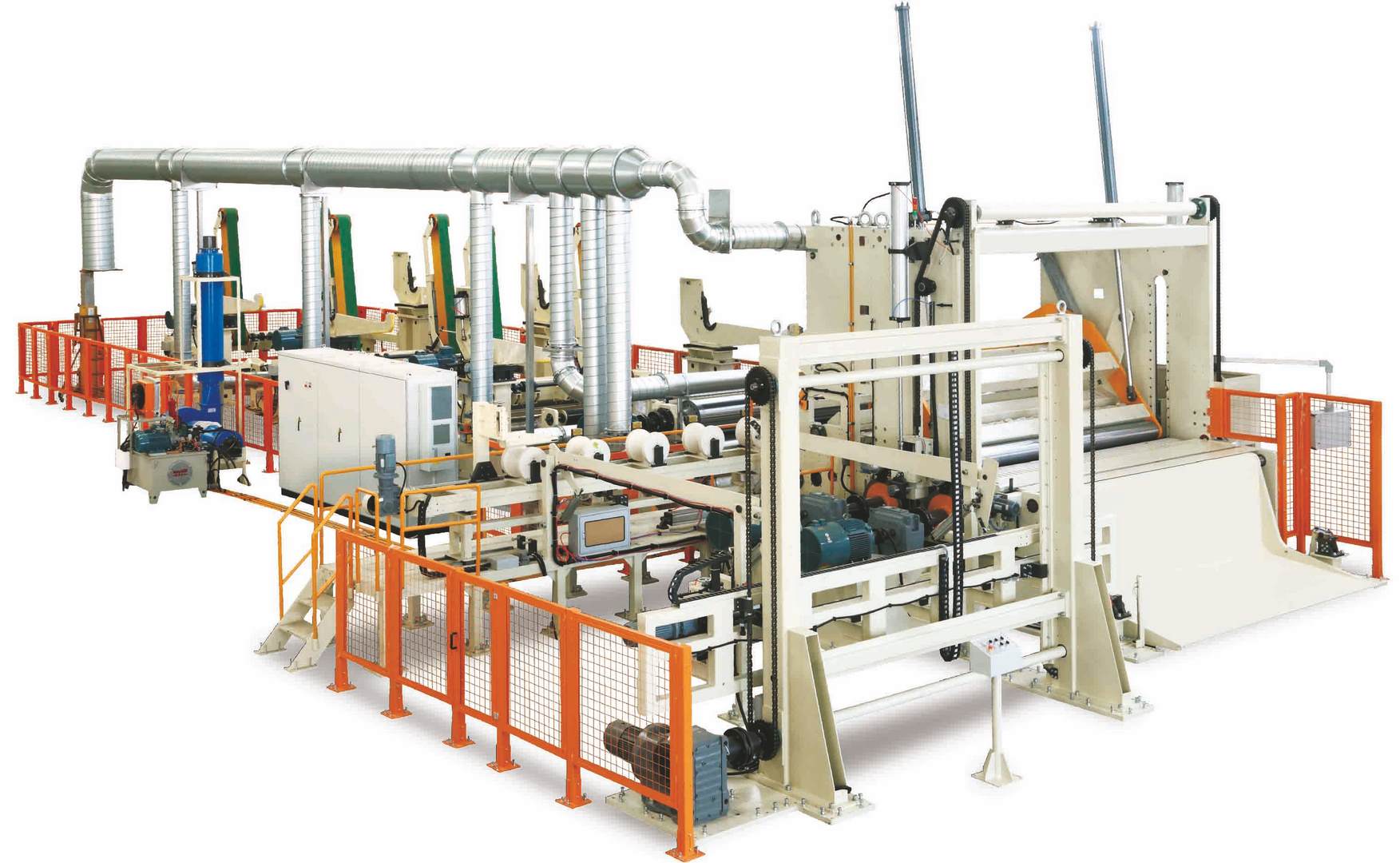
Fully Automatic Systems
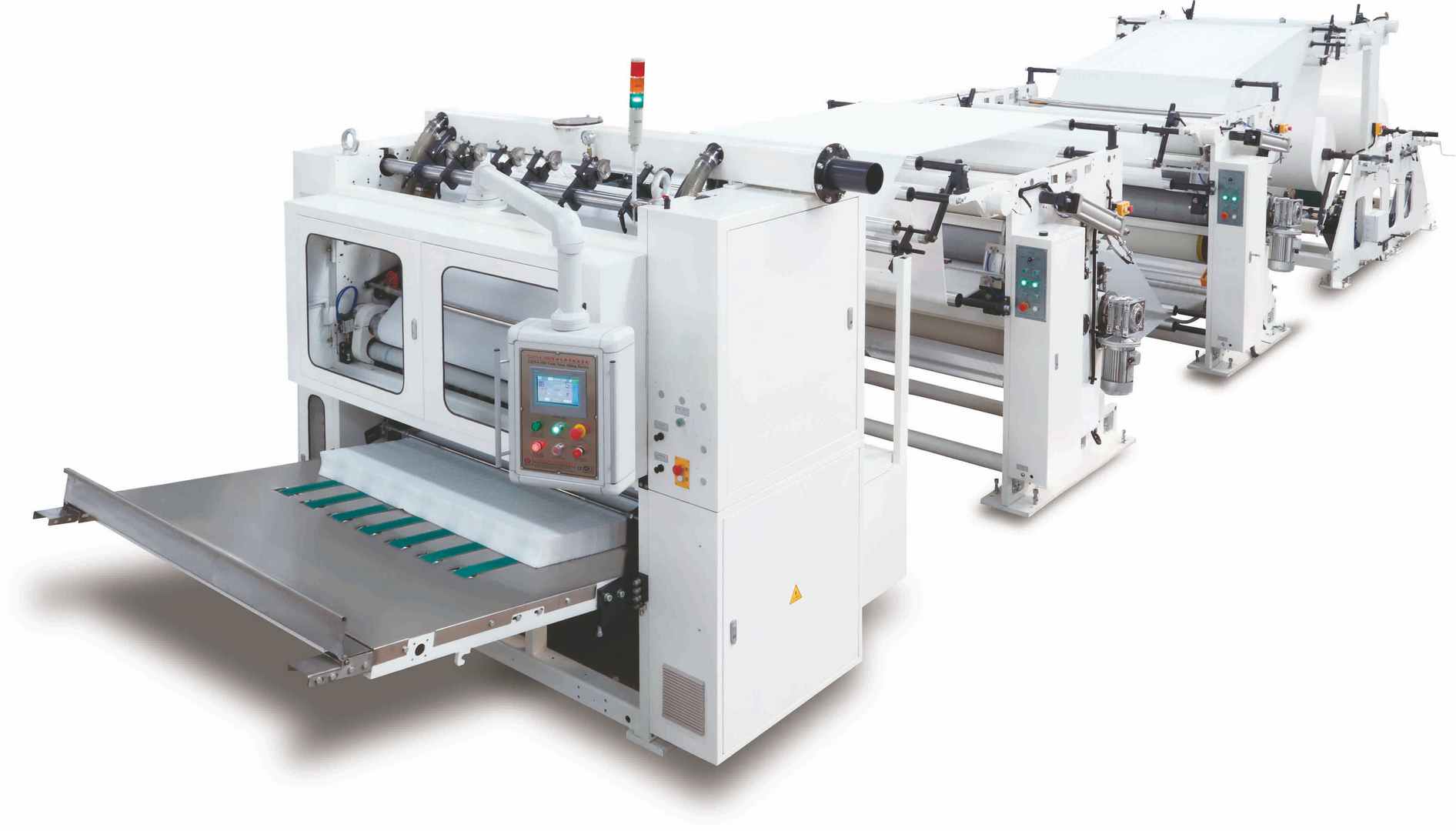
Fully automatic toilet paper packing machines offer a significant upgrade in efficiency and productivity for high-volume operations. These systems minimize manual intervention and enhance consistency, making them ideal for businesses seeking control over their production processes. Additionally, integrating a high-speed interfolder machine can further enhance output quality and production agility.
| ميزة | Benefit | Considerations |
|---|
| Speed | Higher production output | Initial investment cost |
| Precision | Accurate and consistent packaging | Ongoing maintenance requirements |
| مرونة | Handles different pack sizes and formats | Operator training may be required |
| Reliability | Reduces downtime and improves productivity | Availability of supplier support and spare parts |
| Automation Level | Fully integrated production processes | Compatibility with existing production systems |
Complete Intelligent Packaging Lines
Choosing the right level of automation for your toilet paper packing machine is essential to maximizing your production efficiency. Consider these factors:
- Production Volume: Higher volumes may require fully automated systems.
- Labor Costs: Evaluate if reduced labor is a priority.
- مرونة: Determine the need for quick changeovers.
- Integration: Confirm compatibility with existing systems.
Additionally, fully automated control systems can significantly enhance real-time monitoring and process control, ensuring optimal performance. Control these elements for peak performance.
Evaluate Changeover Flexibility
When evaluating a toilet paper packing machine, flexibility in changeover is essential, especially as production demands evolve. You need a machine that easily accommodates SKU switching, allowing you to switch between various products without extensive downtime. Guarantee the machine supports different pack quantities and multiple roll sizes, enhancing your operational versatility. Look for features such as quick-release mechanisms and intuitive controls that minimize the time required for adjustments. A machine that offers automated changeover processes can greatly reduce manual intervention, increasing efficiency and reliability. By focusing on these aspects, you’ll gain better control over your production line, guaranteeing you can respond swiftly to market changes while maintaining high-quality standards. Additionally, consider tension control features, as they are crucial for handling delicate tissue products efficiently.
Consider Future Production Expansion
As production demands grow, it’s crucial to reflect on how your toilet paper packing machine can adapt to future expansion. Here are key factors to bear in mind:
- Additional Packaging Formats: Verify the machine can handle various packaging sizes and types to meet diverse market needs.
- Higher Production Speed: Look for equipment capable of increasing output without compromising quality, thereby supporting higher demand.
- Integration Upgrades: Choose machines that allow for easy integration with existing systems or future technologies, guaranteeing seamless operations.
- Scalability: Opt for machines that can be upgraded or modified to accommodate increased production volumes as your business expands. Additionally, consider the importance of technological innovations that enhance the efficiency and quality of production processes.
Key Features That Improve Packaging Efficiency
When selecting a toilet paper packing machine, you’ll want to focus on features that boost packaging efficiency. Key elements like automatic roll feeding and servo motion control enhance speed and precision, while PLC touchscreen operation simplifies adjustments. Additionally, automatic product counting and stable heat sealing technology guarantee consistency and quality in your packaging process. Incorporating non-adhesive sealing technology ensures safety and health during the packaging of your products.
Automatic Roll Feeding
Automatic roll feeding systems are essential for enhancing packaging efficiency in toilet paper production. They streamline the packing process, allowing you to maintain high-speed operations while minimizing downtime. Here are key features that improve efficiency:
- Continuous Feed Mechanism: This allows for uninterrupted operation, reducing delays in the packaging line.
- Adjustable Roll Size Compatibility: Guarantees versatility in accommodating different roll dimensions, enhancing production flexibility.
- Quick Changeover Capability: Enables fast shifts between product types, minimizing setup time and maximizing throughput.
- Real-Time Monitoring: Provides instant feedback on roll availability and feed rate, allowing for proactive management and adjustments.
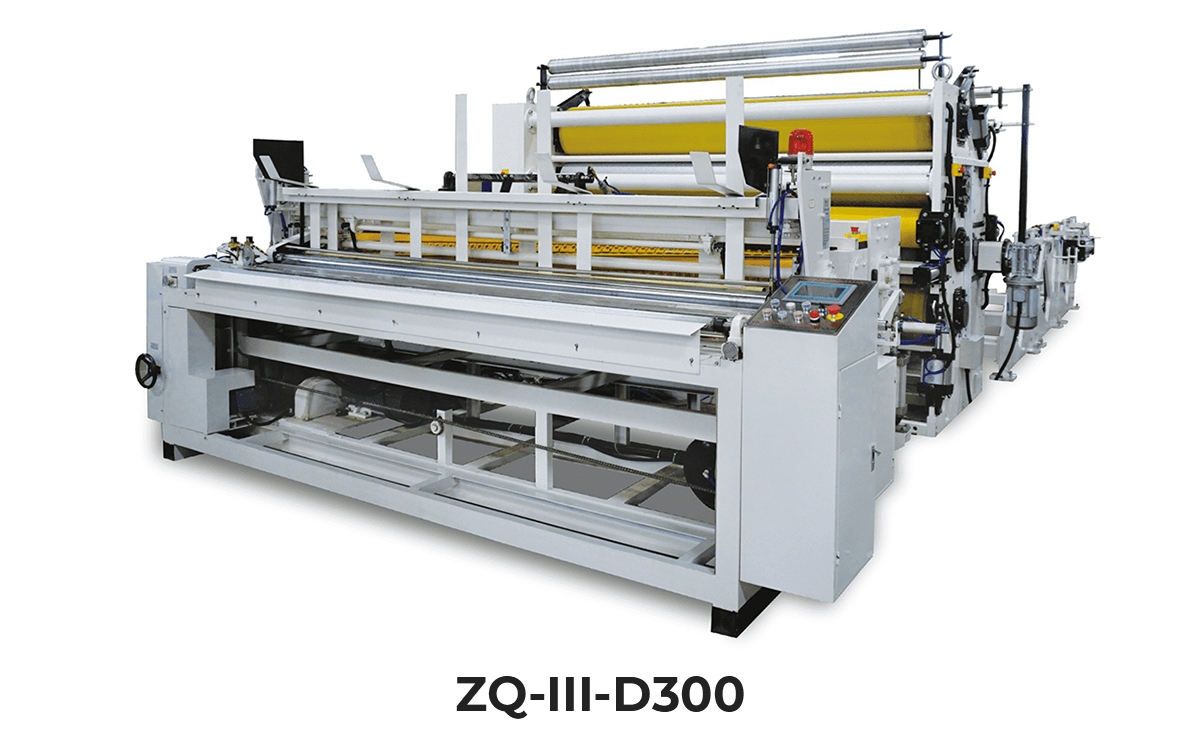
Additionally, these systems can integrate with ZQ-III Series machines, ensuring seamless workflow and enhanced productivity.
Investing in an advanced automatic roll feeding system gives you control over production efficiency and reliability.
Servo Motion Control
Servo motion control technology plays an essential role in optimizing the efficiency of toilet paper packing machines. By utilizing high-precision servo motors, you achieve superior speed and accuracy in packaging processes. This technology enables precise positioning, reducing cycle times and minimizing waste. With real-time feedback and adjustments, you can maintain consistent tension and alignment, ensuring that each package meets quality standards.
Moreover, servo systems allow for flexible programming, accommodating various packaging formats without extensive downtime. You’ll appreciate the enhanced control over acceleration and deceleration, which translates to smoother operations. Ultimately, investing in machines with servo motion control allows you to maximize throughput while maintaining reliability, giving you the control necessary for effective production management. Additionally, features like hydraulic servo systems enhance the overall performance of the packing process.
PLC Touchscreen Operation
PLC touchscreen operation serves as an essential interface for enhancing the efficiency of toilet paper packing machines. With intuitive controls at your fingertips, you gain better oversight and control over the packaging process. Here are key features that improve your packaging efficiency:
- User-Friendly Navigation: Easily access various machine settings and parameters without extensive training.
- Real-Time Monitoring: Track machine performance metrics instantly, allowing for quick adjustments.
- Customizable Settings: Tailor the operation for different product specifications, optimizing workflow.
- Error Alerts: Receive immediate notifications for any operational issues, minimizing downtime. Moreover, this technology supports remote diagnostics which can further reduce machine downtime and enhance overall operational efficiency.
Automatic Product Counting
When you implement automatic product counting in your toilet paper packing machine, you streamline the packaging process considerably. This feature guarantees precise tracking of each roll, reducing discrepancies and minimizing waste. With real-time data on production rates, you can easily adjust operations to meet demand without risking overproduction.
Automatic counting systems often integrate seamlessly with your machine’s PLC, allowing for quick updates and error detection. You’ll appreciate the increased accuracy, as it eliminates manual counting errors and saves labor costs. Additionally, reliable counting enhances inventory management, giving you better control over your stock levels. This precision not only boosts efficiency but also guarantees that your production runs smoothly, keeping your operation focused and productive. Furthermore, understanding maintenance requirements is crucial to ensure the longevity and optimal performance of your packing machine.
Stable Heat Sealing Technology
Stable heat sealing technology stands out as an essential component in enhancing packaging efficiency for toilet paper rolls. By ensuring consistent seals, you can greatly reduce waste and improve production rates. Here are four key features that can elevate your operations:
- Temperature Control: Precise temperature regulation prevents overheating, ensuring ideal adhesion without damaging the product.
- Pressure Adjustment: Adjustable sealing pressure accommodates various packaging materials, enhancing seal integrity.
- Cycle Time Optimization: Efficient sealing cycles minimize downtime, allowing for faster throughput.
- Durability Testing: Robust testing methods validate seal strength, ensuring packages withstand handling and transportation.
Additionally, effective implementation support is crucial to addressing any potential challenges during the production process.
Intelligent Fault Detection
Intelligent fault detection is a game-changer in optimizing the packaging process for toilet paper rolls. With real-time monitoring capabilities, these systems can identify anomalies before they escalate into significant issues. You’ll appreciate features like automated alerts that notify operators of malfunctions, enabling swift corrective actions. This predictive technology not only minimizes downtime but also reduces waste, as it guarantees each roll is packed correctly the first time. Additionally, data analytics provide insights into recurring faults, allowing you to fine-tune your operations continuously. By integrating intelligent fault detection, you gain enhanced control over the production line, guaranteeing consistent quality and efficiency while maintaining high output levels. This level of precision empowers you to achieve reliability in your packaging processes. Furthermore, features such as high working speed ensure that production remains efficient without compromising on quality.
Quick Film Replacement
Efficient toilet paper packaging hinges on the ability to swiftly replace film rolls during production. A machine designed for quick film replacement optimizes workflow, minimizing downtime. Here are key features to look for:
- Automatic Film Loading: Reduces manual handling, speeding up the replacement process.
- Film Tension Control: Guarantees consistent application, preventing jams during rapid swaps.
- User-Friendly Interface: Allows operators to monitor and execute changes with precision.
- Rapid Changeover Mechanism: Facilitates quick adjustments between different film types, enhancing versatility. Additionally, understanding material compatibility is crucial in selecting the right film for optimal performance.
Low Film Waste Design
In the competitive arena of toilet paper packaging, a low film waste design is essential for maximizing efficiency and reducing operational costs. By utilizing advanced technology such as servo-driven motors and precise tension control, your machine can minimize film usage while maintaining package integrity. Look for features like automatic film tracking and adjustable cutting systems, which guarantee ideal film alignment and reduce excess material. Additionally, consider machines with real-time monitoring capabilities to analyze film consumption and identify waste patterns. This level of control allows you to fine-tune processes, enhancing sustainability and profitability. Ultimately, investing in a low film waste design not only improves your production efficiency but also contributes positively to your bottom line. Furthermore, companies like Roll Solutions - DCY are recognized leaders in معدات تحويل المناديل, ensuring high-performance solutions tailored to complex production needs.
How Packaging Quality Affects Product Competitiveness
When you invest in high-quality packaging, you enhance your product’s shelf presentation, making it more visually appealing to consumers. This not only minimizes transportation damage but also guarantees a consistent appearance that reinforces brand identity. Ultimately, effective packaging reduces waste and boosts customer satisfaction, giving you a competitive edge in the market. Additionally, using sustainable materials in packaging aligns with eco-friendly practices and appeals to environmentally conscious consumers.
Better Shelf Presentation
A well-designed toilet paper packaging not only attracts attention on store shelves but also conveys essential information about quality and value. When you choose packaging, consider these critical aspects:
- Material Quality: High-quality materials enhance durability and preserve product integrity.
- Visual Appeal: Eye-catching graphics and colors can differentiate your brand, drawing customers in.
- Informational Clarity: Clearly presented product specifications, benefits, and eco-friendly credentials assure customers of their purchase’s value.
- Size and Shape: Innovative designs that optimize shelf space can increase visibility and sales potential. Additionally, the growing importance of eco-friendly products reflects a shift in consumer preferences, making sustainable packaging an essential consideration.
Reduced Transportation Damage
Effective packaging plays an essential role in minimizing transportation damage, directly impacting your product’s competitiveness in the market. When you invest in high-quality materials and advanced packing techniques, you greatly reduce the likelihood of product loss during shipping. A robust packaging design, tailored to withstand various environmental stresses, guarantees that your toilet paper arrives intact and ready for sale. Utilizing cushioning materials and optimizing box dimensions can further enhance protection against impacts. By choosing a packing machine that prioritizes these features, you gain greater control over your supply chain. This not only safeguards your product but also strengthens your brand reputation, ultimately leading to increased customer satisfaction and loyalty in a competitive marketplace. Additionally, integrating eco-friendly materials into your packaging process aligns with consumer demand for sustainable products, enhancing your market appeal.
Consistent Packaging Appearance
Maintaining a consistent packaging appearance is essential for your product’s success in the market. Uniformity in packaging not only enhances brand recognition but also sets expectations for quality. Here are four key aspects to take into account:
- Design Cohesion: Verify that all packaging elements, including graphics and colors, align with your brand identity.
- Material Quality: Use high-grade materials that reflect your product’s value and withstand handling.
- Label Accuracy: Consistently apply labels to avoid discrepancies that could confuse customers.
- Sealing Precision: Implement precise sealing techniques to maintain product integrity and appearance.
Lower Packaging Material Waste
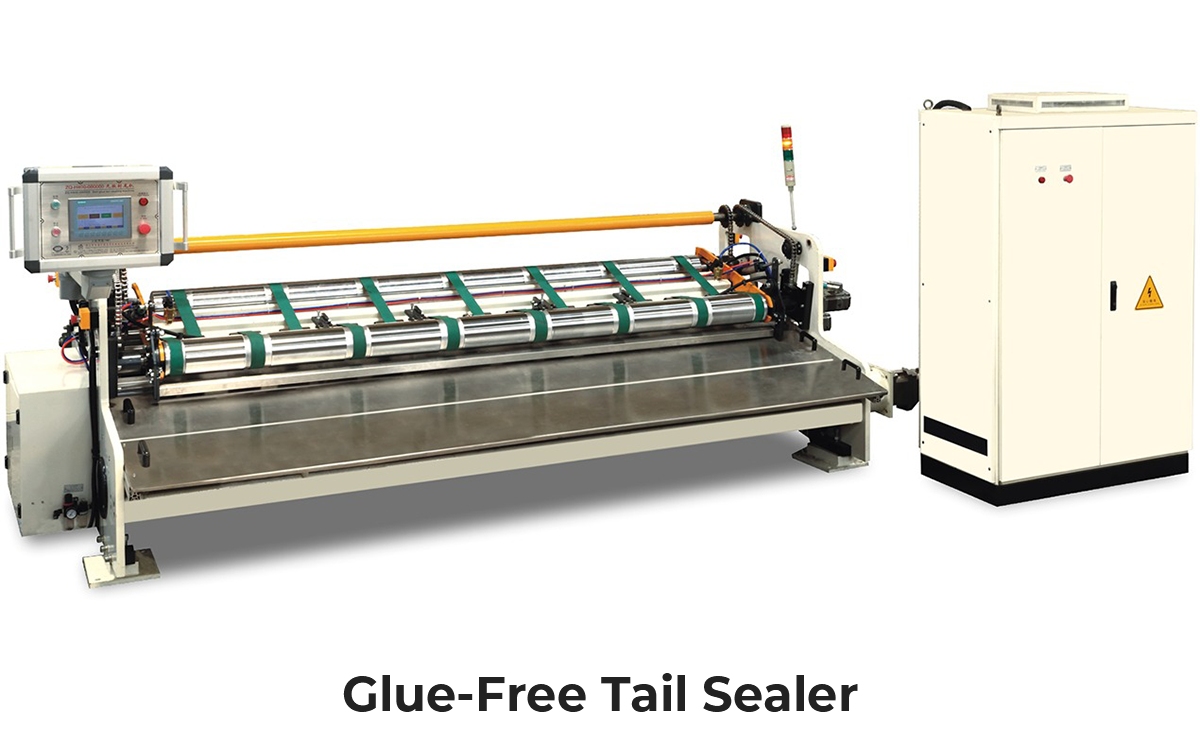
When you focus on reducing packaging material waste, you not only enhance your product’s sustainability but also improve its competitiveness in the market. Efficient machinery minimizes excess material through precise cutting and sealing processes, ensuring every inch of packaging serves a purpose. You can choose a toilet paper packing machine designed for ideal material use, enabling you to achieve tighter seals and more compact packaging. This directly translates to cost savings, as less waste means lower material expenses. Additionally, reducing packaging waste can enhance your brand’s appeal to eco-conscious consumers. By investing in technology that emphasizes material efficiency, you’re not just streamlining production; you’re positioning your product favorably within a competitive landscape, ultimately driving profitability and market share. Moreover, utilizing a non-glue tail sealer can further enhance the sealing process without the mess of adhesives, contributing to cleaner packaging and product integrity.
Improved Customer Satisfaction
High-quality packaging plays a pivotal role in enhancing customer satisfaction and product competitiveness. When customers receive toilet paper packaged securely and attractively, their perception of your brand improves considerably. Here are four key aspects to take into account:
- Durability: Guarantee your packaging withstands transportation and storage without compromising the product.
- User Experience: Design easy-to-open packages that enhance convenience for customers.
- Aesthetics: Invest in appealing designs that attract attention on the shelves, reinforcing brand identity.
- Sustainability: Use eco-friendly materials, appealing to environmentally conscious consumers and differentiating your product in the market. Additionally, consider using sustainable packaging solutions that align with industry leaders’ practices, as many companies are committed to reducing environmental impact through innovative approaches.
Common Problems When Choosing the Wrong Packing Machine
Choosing the wrong packing machine can lead to significant operational challenges. You might find that the packaging speed can’t keep up with your production output, resulting in bottlenecks. Additionally, issues like frequent film breakage and poor sealing quality can escalate downtime and drive up labor costs, impacting your bottom line. Furthermore, using a machine that lacks advanced automation control systems can hinder efficiency and productivity in your packaging process.
Packaging Speed Cannot Match Production Output
If the packaging speed of your machine can’t keep up with your production output, you’ll face significant bottlenecks that hinder efficiency and increase operational costs. To guarantee peak performance, consider these critical factors:
- Throughput Capacity: Verify the machine’s speed matches your production rate; otherwise, you risk slowing down the entire process.
- Changeover Time: A machine that requires lengthy adjustments can lead to downtime, further exacerbating production delays.
- Integration with Existing Systems: Your packing machine should seamlessly connect with upstream processes to maintain a smooth workflow.
- Scalability: Choose a machine that can adapt to anticipated production increases without compromising speed or reliability. Additionally, consider the importance of operational efficiency as it plays a crucial role in maximizing your production capabilities.
Frequent Film Breakage
When the wrong packing machine is in place, frequent film breakage can become a frustrating reality, leading to costly interruptions in your production line. This issue often stems from improper tension settings or inadequate film handling capabilities. If the machine isn’t optimized for the specific type of film you’re using, you’ll likely face increased downtime as operators scramble to fix the breaks.
Moreover, poorly calibrated rollers can exacerbate the problem, creating uneven pressure that weakens the film. To maintain control over your production efficiency, it’s essential to select a packing machine designed for your film specifications. Investing in the right equipment not only minimizes film breakage but also supports a smoother, more reliable production process, allowing you to meet your output targets consistently. Additionally, understanding the tension control systems in your packing machine can greatly enhance film handling and reduce the risk of breakage.
Poor Sealing Quality
Even the most reliable packing machines can produce poor sealing quality, which often leads to compromised product integrity and increased waste. To guarantee you maintain high standards, be aware of these key factors:
- Temperature Control: Inconsistent heating can weaken seals, leading to leaks or product exposure.
- Pressure Settings: Insufficient pressure can result in loose seals, while excessive pressure may cause film damage.
- Material Compatibility: Using the wrong film type can hinder effective sealing, affecting durability.
- Maintenance Protocols: Neglecting regular maintenance can lead to wear and tear, ultimately compromising seal quality. Additionally, advanced technology can significantly enhance the efficiency of your packing process, ensuring consistent seal integrity.
Excessive Downtime
Choosing the wrong packing machine can lead to excessive downtime, disrupting your production flow and increasing costs. This downtime often stems from frequent jams, misalignment, or mechanical failures that occur with incompatible machinery. You’ll find that machines not designed for your specific product dimensions may require continuous adjustments, further hindering efficiency. Additionally, inadequate training or complex interfaces can exacerbate operator errors, leading to more interruptions. To mitigate these issues, invest in a machine that aligns with your production requirements and offers reliable performance. Regular maintenance and timely technical support are also essential in minimizing downtime. Ultimately, choosing the right packing machine empowers you to maintain control over your operations, ensuring a smoother production process. Investing in a machine from a leader in معدات تحويل المناديل ensures you benefit from cutting-edge technology and innovation in your production line.
High Labor Costs
High labor costs can stem from several issues:
- Inadequate automation: Machines that need frequent manual adjustments waste valuable operator time.
- Frequent breakdowns: Unreliable equipment necessitates more labor for repairs and troubleshooting.
- Training demands: Complicated machinery requires more extensive training, increasing labor hours spent on onboarding.
- Inefficient workflows: A poorly designed packing system can disrupt production flow, forcing operators to spend time managing bottlenecks.
Choosing the right packing machine minimizes these labor costs, allowing you to optimize your workforce and maintain control over production efficiency. Additionally, automated systems significantly enhance production speed and reduce the need for manual intervention. Prioritize reliability and automation to keep your workforce focused on high-value tasks.
Difficult Product Changeovers
When a packing machine can’t easily accommodate different products, it can severely hinder your production line. Frequent changeovers not only waste time but also lead to increased downtime, affecting overall efficiency. If your machine requires extensive adjustments for each new product—like changing parts or recalibrating settings—you’ll face significant delays. This complexity can frustrate operators and disrupt workflow, ultimately impacting your bottom line. Additionally, the potential for errors rises with complicated changeovers, resulting in wasted materials and inconsistent packaging quality. To maintain control over your production schedule, opt for a packing machine designed for quick and straightforward product shifts. Streamlined changeover processes guarantee operational reliability, allowing you to respond swiftly to market demands and keep your production line flowing smoothly. Furthermore, automated systems can significantly enhance efficiency during these transitions by minimizing manual intervention.
One major issue that can arise in selecting a packing machine is the limitation in packaging formats. If your machine can’t accommodate various formats, you might face significant production constraints. Here are common problems you might encounter:
- Inability to adapt: A machine designed for a specific format limits your ability to introduce new products or packaging styles.
- Increased downtime: Frequent changeovers to accommodate different formats can lead to wasted time and resources.
- Higher operational costs: You may need multiple machines to handle different formats, increasing maintenance and capital expenses.
- Reduced market competitiveness: Sticking to limited formats can hinder your ability to meet changing consumer demands and preferences, impacting your market position.
Moreover, investing in a versatile machine can enhance production capacity requirements and guarantee flexibility and efficiency.
Integrating a Toilet Paper Packing Machine into a Complete Production Line
When integrating a toilet paper packing machine into your production line, it’s essential to guarantee seamless connections with rewinding machines and log saw systems. You’ll also need to take into account automatic conveying systems and cartoning systems for efficient workflow. Finally, integrating robotic palletizing can greatly enhance your output and reduce labor costs. Additionally, ensuring the compatibility of the machine with specific tissue paper type and quality is crucial for optimal performance.
Connection with Rewinding Machines
Integrating a toilet paper packing machine with rewinding machines is essential for streamlining production efficiency and guaranteeing product integrity. When you connect these systems, you gain several advantages:
- Consistent Output: The synchronized operation guarantees that the packing machine receives rolls at a steady pace, minimizing bottlenecks.
- Quality Control: Automated monitoring between machines allows for real-time quality checks, guaranteeing each roll meets your standards before packing.
- Reduced Downtime: Seamless integration minimizes the need for manual intervention, allowing for continuous operation and less downtime.
- Increased Flexibility: You can easily adjust settings to accommodate different roll sizes or packing configurations, providing you with greater control over your production line.
This integration not only enhances efficiency but also boosts your overall productivity. Additionally, leveraging high-end conversion machines from trusted manufacturers like DCY ensures you have reliable equipment designed for optimal performance.
Integration with Log Saw Machines
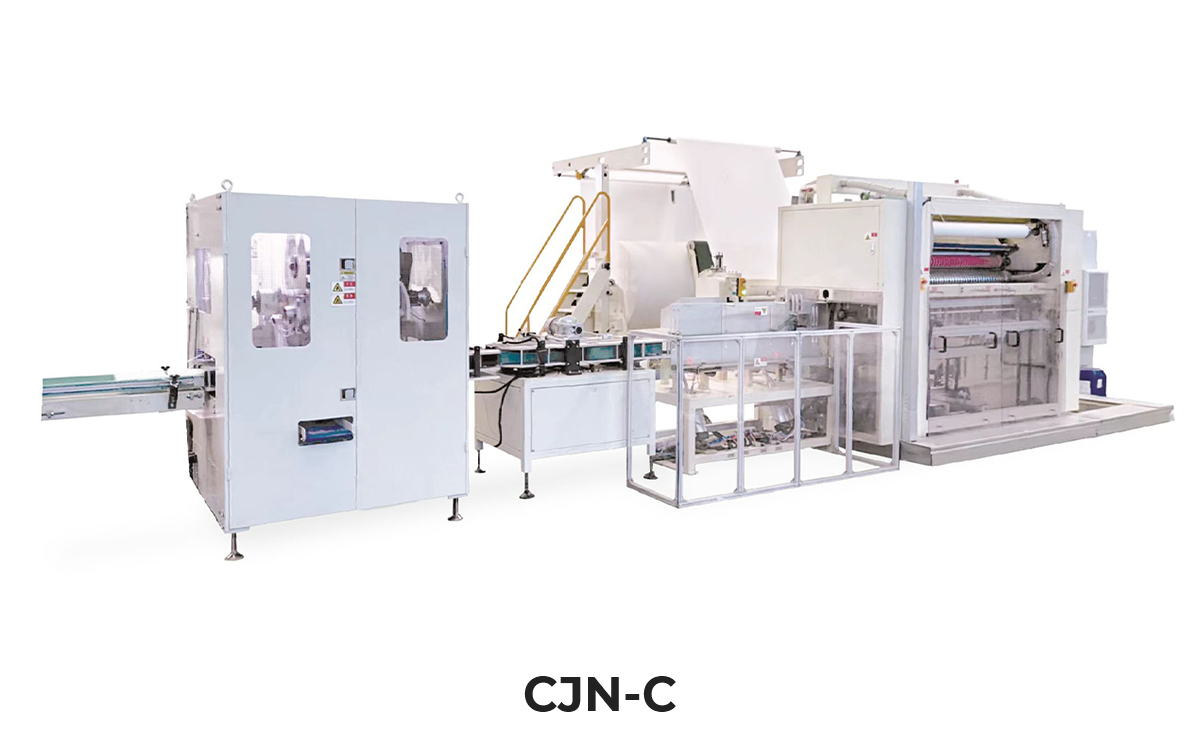
To effectively incorporate a toilet paper packing machine into a complete production line, understanding the role of log saw machines is essential. Log saw machines cut large rolls into manageable log sizes, guaranteeing uniformity and efficiency before they reach the packing stage. When integrating these machines, focus on compatibility; ascertain that your toilet paper packing machine can seamlessly accept logs of the specified dimensions produced by your saw. Additionally, consider the operational speed of both machines; synchronization is key to maintaining a steady workflow. You’ll also want to evaluate safety features and automation capabilities. By thoughtfully aligning your packing machine with log saw operations, you’ll enhance production reliability and minimize downtime, empowering you to maintain control over your entire manufacturing process. Furthermore, utilizing full automation in your production line can significantly improve efficiency and hygiene standards.
Automatic Conveying Systems
While selecting a toilet paper packing machine, understanding the role of automatic conveying systems is essential for optimizing your production line. These systems enhance efficiency and reliability, ensuring seamless integration. Here are four key benefits to evaluate:
- Streamlined Workflow: Automatic conveyors minimize manual handling, increasing speed and reducing the risk of errors.
- Consistent Product Movement: They maintain a steady flow of products, preventing bottlenecks and improving overall output.
- Flexible Configuration: Conveying systems can be tailored to fit your specific layout, accommodating various machine sizes and product types.
- Real-Time Monitoring: Advanced systems offer tracking capabilities, enabling you to manage production metrics and address issues proactively.
Incorporating these systems will greatly elevate your operational control and productivity, especially when leveraging breakthrough technology for enhanced production capabilities.
Cartoning Systems
The efficiency of a toilet paper packing machine can greatly improve when paired with a well-designed cartoning system, creating a cohesive production line. By integrating these systems, you streamline the shift from packaging to cartoning, minimizing downtime and maximizing throughput. A high-quality cartoning system should accommodate various carton sizes and styles, ensuring flexibility in your operations. Look for features like automatic feeding, sealing, and labeling to enhance reliability and reduce labor costs. Furthermore, consistent product alignment and secure closures are essential for maintaining product integrity during transportation. Ultimately, choosing the right cartoning system allows you to maintain control over production speed and quality, driving your overall operational efficiency while meeting demand effectively. Additionally, tailored solutions can further enhance the effectiveness of your production line by addressing unique operational challenges.
ترصيص آلي
Integrating robotic palletizing with your toilet paper packing machine greatly enhances operational efficiency and reduces labor costs. By automating the palletizing process, you gain more control over production. Here are four key advantages:
- Increased Throughput: Robots can work continuously, boosting your output rates considerably.
- Precision Placement: Robotics guarantee that every package is accurately stacked, minimizing damage and optimizing space.
- Reduced Labor Dependency: Automation decreases the need for manual labor, allowing your workforce to focus on higher-value tasks.
- Data Integration: Modern robotic systems can integrate with your packing machine, providing real-time data analytics for better decision-making.
Complete Turnkey Packaging Solutions
Robotic palletizing sets the stage for a seamless integration of your toilet paper packing machine into a complete production line. By implementing a complete turnkey packaging solution, you gain control over every aspect of production. This approach guarantees that each component—from the packing machine to the conveyor systems—is engineered to work in harmony, minimizing downtime and maximizing efficiency. You’ll benefit from pre-configured systems tailored to your specific requirements, allowing for rapid deployment and scalability. With real-time monitoring and automation, you can oversee production metrics, guaranteeing consistent quality and output. Ultimately, a complete turnkey solution offers you the precision and reliability necessary to enhance operational control, streamlining your toilet paper packaging process from start to finish.
Questions to Ask Before Buying a Toilet Paper Packing Machine
Before purchasing a toilet paper packing machine, you’ll need to evaluate several critical factors. What’s the maximum packaging speed, and can the machine accommodate different roll sizes? Additionally, be sure to ask about the supported packaging films, the duration of product changeovers, and recommended spare parts for ideal maintenance.

What Is the Maximum Packaging Speed?
When you’re evaluating a toilet paper packing machine, understanding the maximum packaging speed is essential for optimizing your production efficiency. Knowing this metric helps you gauge how well the machine aligns with your operational goals. Here are some key factors to examine:
- Speed Rating: Check the machine’s maximum speed in packages per minute.
- Operational Stability: Assess how speed impacts consistency and reliability during long runs.
- Changeover Time: Determine how quickly the machine can switch between different packaging settings.
- Maintenance Requirements: Evaluate if higher speeds necessitate more frequent maintenance or downtime.
Can It Package Different Roll Sizes?
Evaluating whether a toilet paper packing machine can accommodate different roll sizes directly influences your production flexibility. You’ll want to examine the machine’s adjustable components, ensuring it can efficiently handle various diameters and widths. Look for features such as quick-change tooling and user-friendly calibration settings, which allow for seamless shifts between roll sizes without extensive downtime. Additionally, inquire about the machine’s maximum and minimum roll specifications to confirm it meets your diverse packaging needs. A machine that can effortlessly switch between sizes will enhance your operational efficiency, reduce waste, and enable you to respond swiftly to market demands. Ultimately, prioritizing adaptability in roll size packaging is essential for maintaining a competitive edge in the industry.
Which Packaging Films Are Supported?
What types of packaging films can your toilet paper packing machine accommodate? Understanding this aspect is essential for optimizing your production line. Here are four common types of packaging films you might consider:
- Polyethylene (PE) - Versatile and cost-effective, ideal for moisture protection.
- Biaxially Oriented Polypropylene (BOPP) - Offers superior clarity and strength, perfect for branding.
- Paper-based Films - Eco-friendly options that can enhance your sustainability profile.
- Composite Films - Combine multiple materials for enhanced barrier properties against moisture and oxygen.
Choosing the right film impacts not just product integrity but also consumer appeal. Verify your machine supports these options to maintain flexibility and efficiency in your packaging processes.
How Long Does Product Changeover Take?
How quickly can your production line adapt to different toilet paper products? Understanding the changeover time is essential for maintaining efficiency. Ideally, you want a machine that minimizes downtime, allowing seamless shifts between product sizes, styles, and packaging formats. Ask manufacturers about their changeover processes and how long it typically takes. Look for features like quick-release mechanisms and programmable settings that reduce manual adjustments. A changeover time of under 30 minutes is often achievable with the right technology. Consider your production volume and frequency of product changes; a machine with faster changeover capabilities can greatly enhance overall productivity. Ultimately, the right choice will give you the control you need to respond swiftly to market demands.
What Spare Parts Are Recommended?
When investing in a toilet paper packing machine, it’s crucial to take into account the spare parts you’ll need to maintain ideal operation. Having the right components on hand not only minimizes downtime but also guarantees consistent production quality. Here are four recommended spare parts to contemplate:
- Sealing Blades - These are critical for maintaining airtight packaging and should be replaced regularly.
- Conveyor Belts - Wear and tear can affect efficiency; having spares guarantees smooth transport of products.
- Sensors - Fundamental for tracking package counts and quality control; reliable operation is paramount.
- Drive Motors - These components are crucial for the machine’s movement and efficiency; keep extras to avoid disruptions.
Being prepared with these parts keeps your production running smoothly.
Is Installation and Training Included?
Before finalizing your purchase of a toilet paper packing machine, it’s important to clarify whether installation and training are included in the package. Verify that the supplier offers thorough installation services, as this can greatly affect your production timeline. Verify if the technicians are experienced and familiar with the specific model you’re acquiring.
Additionally, inquire about training programs for your staff. Effective training minimizes operational errors and maximizes machine efficiency. Check the duration and depth of the training sessions—your team should be well-equipped to handle daily operations and troubleshooting.
Confirming these details upfront can save you time, reduce downtime, and enhance productivity in the long run, allowing you to maintain control over your manufacturing processes.
What Warranty and After-Sales Support Are Available?
Understanding the warranty and after-sales support available for your toilet paper packing machine is essential, as these factors can greatly influence your long-term operational success. When evaluating options, consider the following aspects:
- Warranty Duration: What is the length of the warranty? Verify it covers essential components.
- Coverage Scope: Does the warranty include parts and labor? Know what’s included to avoid unexpected costs.
- Service Response Time: What’s the average response time for support requests? Quick assistance can minimize downtime.
- Parts Availability: Are replacement parts readily available? This guarantees you maintain production without delays.
Why More Tissue Manufacturers Choose Fully Automatic Packaging Systems
When evaluating packaging options, you’ll find that fully automatic systems greatly reduce labor requirements while enhancing packaging consistency. This technology not only stabilizes production but also facilitates easier factory expansion. Ultimately, these benefits contribute to a better long-term return on investment for tissue manufacturers.

Lower Labor Requirements
As tissue manufacturers aim to optimize production efficiency, fully automatic packaging systems have become a preferred choice due to their notably lower labor requirements. By automating processes, you can considerably reduce the workforce needed, leading to cost savings and increased productivity. Here are key advantages of lower labor requirements:
- Reduced Staffing Needs: Fewer operators are necessary, allowing you to allocate resources more effectively.
- Minimized Training Costs: Streamlined operations mean less training time for new employees.
- Enhanced Safety: Fewer personnel on the floor reduces the risk of workplace accidents.
- Increased Flexibility: Automation allows your team to focus on quality control and other high-value tasks rather than manual packaging.
Investing in fully automatic systems can transform your production dynamics.
Higher Packaging Consistency
While lower labor requirements greatly enhance operational efficiency, higher packaging consistency is another compelling reason tissue manufacturers are shifting towards fully automatic packaging systems. These systems minimize human error and guarantee uniformity in packaging, leading to enhanced product quality and customer satisfaction.
| ميزة | Fully Automatic Systems |
|---|
| Packaging Precision | ±0.5 mm |
| Speed | Up to 120 packs/min |
| Downtime Reduction | Up to 30% less than manual operations |
Greater Production Stability
Greater production stability is a key advantage of fully automatic packaging systems, especially for tissue manufacturers seeking to optimize their operations. By implementing these advanced systems, you can experience several benefits that guarantee consistent output and reduced downtime:
- Reduced Operator Intervention: Automation minimizes human error, allowing for smoother operations and fewer disruptions.
- Continuous Production Flow: Fully automatic systems maintain high-speed output, enhancing overall efficiency.
- Real-Time Monitoring: Integrated sensors provide immediate feedback, enabling proactive maintenance and reducing unexpected failures.
- Adaptive Performance: These systems can adjust to varying product specifications, assuring stable production regardless of changes.
Easier Factory Expansion
Fully automatic packaging systems not only enhance production stability but also simplify factory expansion for tissue manufacturers. By integrating these systems, you can scale operations without significant downtime or reconfiguration. This adaptability allows you to respond swiftly to market demands.
| ميزة | Benefit | Result |
|---|
| Modular Design | Easy integration of additional machines | Smooth production scaling |
| Reduced Labor Needs | Lower operating costs | Higher profit margins |
| High Efficiency | Consistent production output | Improved customer satisfaction |
| Advanced Control | Real-time production monitoring | Faster issue detection and resolution |
| مرونة | Supports customizable packaging options | Better adaptation to market demands |
Investing in fully automatic systems empowers you to maintain control during expansion, aligning production capabilities with your growth objectives.
Better Long-Term Return on Investment
As tissue manufacturers seek to optimize their operations, many are turning to fully automatic packaging systems for a better long-term return on investment. These systems offer several advantages that enhance productivity and profitability:
- Increased Efficiency: Automating the packaging process reduces cycle times and minimizes labor costs.
- Reduced Waste: Precise packaging minimizes material waste, ensuring every resource is utilized effectively.
- Consistent Quality: Fully automatic systems provide uniform packaging, enhancing brand reputation and customer satisfaction.
- Scalability: These machines easily adapt to increasing production demands without compromising performance.
Investing in fully automatic packaging not only streamlines workflows but also establishes a solid foundation for future growth, giving you control over your operational costs and output quality.
Why Choose DeChangYu for Toilet Paper Packaging Solutions
Choosing the right supplier is just as important as selecting the right machine. ديتشانجيو provides complete tissue converting and packaging solutions designed to improve efficiency, reduce labor costs, and support long-term production growth. From equipment selection to after-sales service, we help manufacturers build reliable and efficient tissue production lines.
Complete Tissue Converting and Packaging Lines
We supply complete production lines covering rewinding, embossing, perforating, log cutting, conveying, packaging, cartoning, and palletizing. Integrated solutions ensure smooth production flow and higher overall efficiency.
Customized Machine Configuration
Every factory has unique requirements. We customize machine configurations based on your production capacity, product specifications, packaging formats, and factory layout to deliver the best-fit solution.
High-Speed Automatic Integration
Our automated systems connect converting, packaging, and palletizing equipment into one seamless production line, reducing manual handling while improving speed, consistency, and productivity.
Professional Installation and Commissioning
Our engineers provide installation, commissioning, operator training, and production testing to help your line achieve stable performance from day one.
Global Technical Support and Spare Parts
We offer responsive technical support, genuine spare parts, and maintenance services to minimize downtime and keep your production line operating efficiently for years to come.
Frequently Asked Questions
What is the difference between a toilet paper packing machine and a toilet paper wrapping machine?
These terms are often used interchangeably. In general, a toilet paper packing machine refers to equipment that groups and packages multiple rolls into retail or commercial bundles, while a wrapping machine may also include machines that wrap individual rolls. The exact definition varies by manufacturer.
Can one machine package multiple roll sizes?
Yes. Most modern toilet paper packing machines can handle multiple roll diameters, widths, and pack configurations with relatively quick changeovers. The available range depends on the machine design and configuration.
What packaging film is most commonly used for toilet paper?
Polyethylene (PE) film is the most commonly used material because it provides good strength, sealing performance, and cost efficiency. Depending on packaging requirements, CPP, printed films, and recyclable packaging materials may also be used.
How many operators are required?
A fully automatic toilet paper packing machine typically requires only one operator for monitoring and material replenishment. Semi-automatic machines generally require more manual handling and may need two or more operators.
What packaging speed should I choose?
The ideal packaging speed should match the output of your rewinding and log cutting equipment. Choosing a machine that is too slow creates production bottlenecks, while excessive speed may increase investment without improving overall efficiency.
Can the machine connect to my existing toilet paper production line?
In most cases, yes. Many packing machines can be integrated with existing rewinders, log saws, conveyors, cartoning systems, and palletizers. Compatibility should be confirmed based on your current equipment and production layout.
How often should maintenance be performed?
Basic cleaning and visual inspections should be carried out daily. Lubrication, inspection of sealing components, sensors, and moving parts should follow the manufacturer's maintenance schedule to ensure reliable operation and minimize downtime.
How much does a toilet paper packing machine cost?
The cost depends on factors such as machine type, production speed, automation level, packaging formats, and customization requirements. Standalone machines are generally more affordable, while fully automatic integrated packaging lines require a higher investment. Requesting a customized quotation based on your production needs is the best way to obtain accurate pricing.




 English
 Español
 العربية
 Português do Brasil
 Русский