Tissue Folding Machine Manufacturer: How to Choose the Right Solution for Your Tissue Factory
Selecting an appropriate tissue folding machine manufacturer is a critical decision for tissue factories. It requires a thorough analysis of various factors, including production capacity, technological capabilities, and energy efficiency. Manufacturers must also consider certifications and market presence to gauge reliability. Understanding these elements will inform a strategic choice that enhances operational efficiency and product quality, yet many remain uncertain about the specific criteria that should drive their selection process.
Key Takeaways
- Assess the manufacturer’s quality assurance standards, such as ISO certifications, to ensure reliable production and compliance with safety regulations.
- Consider the range of products their machines can produce, including napkins, facial tissues, and hand towels, to meet your specific needs.
- Evaluate the technological advancements of their machines, focusing on automation and efficiency to reduce labor costs and increase production speed.
- Review the manufacturer’s track record and market presence to gauge credibility and reliability in providing integrated solutions for your factory.
- Ensure they offer comprehensive support, including installation, maintenance, and training, to optimize the operation of your tissue folding machines.
What Is a Tissue Folding Machine?
A tissue folding machine is a specialized equipment designed to convert raw tissue paper into neatly folded products, enhancing efficiency in the tissue converting industry. These machines produce a variety of items, including napkins, towels, and tissues, which are essential in both commercial and consumer markets. The quality of the folds produced is critical, as it directly impacts product usability and consumer satisfaction, thereby influencing manufacturing success. Additionally, high-speed folding machines, such as the DCY model, are engineered for seamless integration into production lines, improving overall output quality.
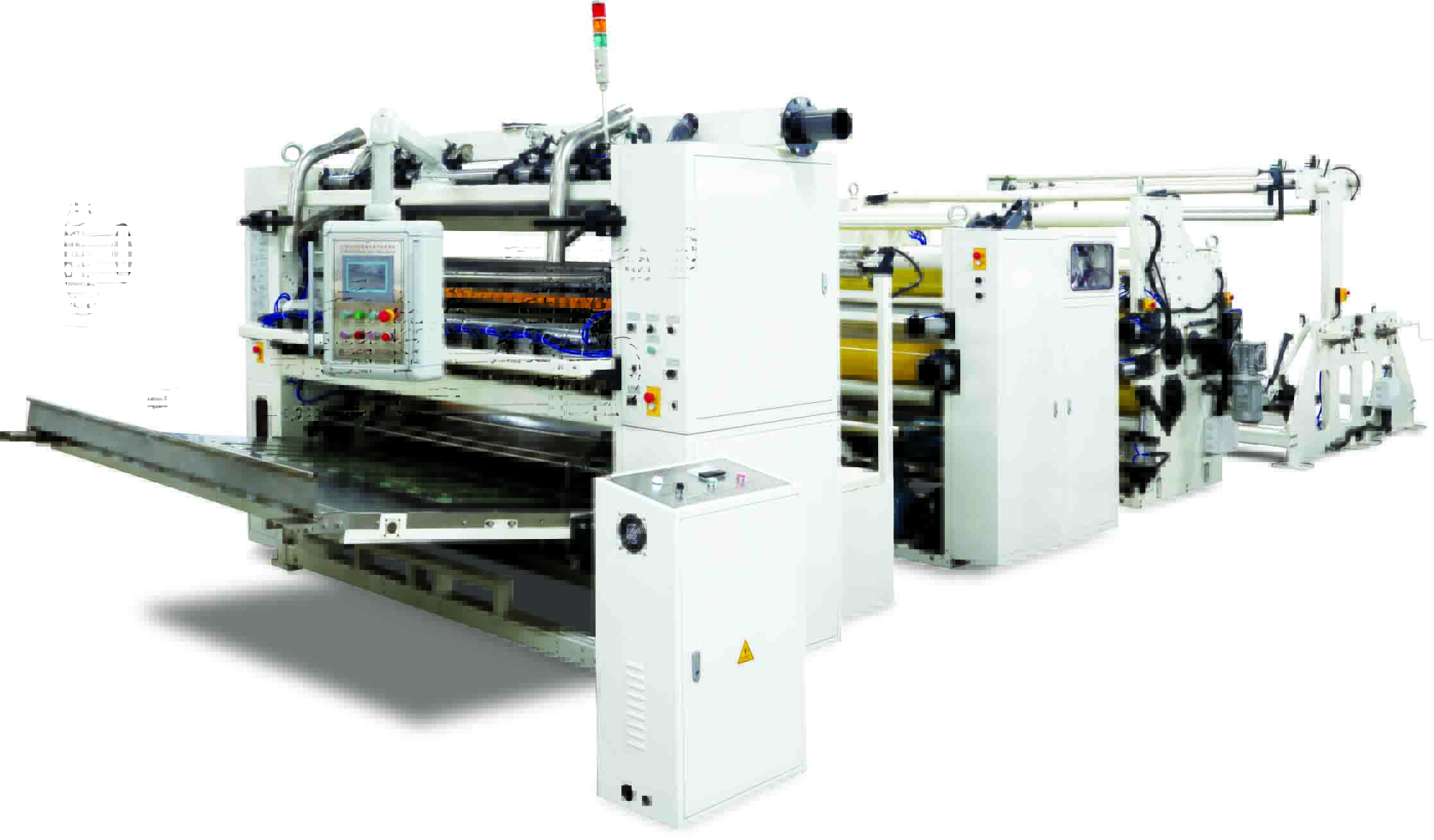
The Role of Tissue Folding Machines in Tissue Converting
While the evolution of tissue converting processes has introduced various innovations, tissue folding machines remain a critical component in the production of folded tissue products. These machines are specifically designed to streamline the folding process, ensuring consistent quality and efficiency in the manufacturing of products such as facial tissues. In a facial tissue production line, the integration of a tissue folding machine optimizes workflow, enhancing productivity while minimizing manual labor. The precise folding mechanisms employed in these machines contribute to uniformity in finished products, meeting industry standards for packaging and presentation. Furthermore, advancements in technology have led to features that allow for customization in folding patterns, making tissue folding machines indispensable in modern tissue converting operations. Additionally, high production speed facilitates the processing of thousands of sheets per minute, maximizing return on investment.
Common Products Produced by Tissue Folding Machines
Tissue folding machines play a pivotal role in the production of various folded tissue products, ensuring both efficiency and quality. These machines are essential in the tissue converting process, transforming raw tissue sheets into finished goods such as napkins, facial tissues, and toilet paper. Automatic tissue folding machines utilize advanced technology to achieve precise folds and consistent sizes, thereby enhancing production speed and reducing waste. The ability to produce multi-fold configurations, such as C-folds or Z-folds, allows manufacturers to cater to diverse market demands. Furthermore, these machines can be integrated with packaging solutions, streamlining the overall production line. Ultimately, the versatility of tissue folding machines is crucial for maintaining competitiveness in the tissue manufacturing sector. Additionally, modern tissue folding machines often incorporate advanced technologies that improve performance and sustainability, making them a valuable asset for manufacturers.
Why Folding Quality Matters in Tissue Manufacturing
Quality in folding directly impacts the performance and consumer perception of tissue products. A high speed tissue folding machine must deliver consistent and precise folds to ensure the product meets industry standards and consumer expectations. Flaws in folding can lead to issues such as uneven thickness and compromised structural integrity, affecting usability and customer satisfaction. The v-fold tissue machine is specifically designed to enhance folding quality, facilitating efficient production while maintaining the aesthetic and functional properties of the tissue. As a result, manufacturers who prioritize folding quality can reduce waste, improve operational efficiency, and enhance brand reputation. Ultimately, investing in advanced folding technology is crucial for achieving superior product quality and maintaining a competitive edge in the tissue manufacturing market. Additionally, features like improved product hygiene ensure that the production process minimizes contamination risks, further enhancing overall product quality.
Types of Tissue Folding Machines Used in Modern Tissue Factories
Modern tissue factories utilize a variety of folding machines to meet diverse consumer needs and product specifications. Among these, Facial Tissue Folding Machines, V-Fold, N-Fold, Z-Fold, and Interfold Tissue Machines each serve distinct purposes and contribute to the efficiency of production lines. Understanding the characteristics and applications of these machines is crucial for optimizing tissue manufacturing processes. Additionally, customizable configurations for various napkin folds enhance operational flexibility and production efficiency.
Facial Tissue Folding Machines
Numerous types of facial tissue folding machines play a crucial role in the efficiency of contemporary tissue manufacturing processes. Among these, the interfold tissue machine stands out for its ability to produce tissues that are neatly interfolded, facilitating ease of dispensing and enhancing user experience. These machines are designed for high-speed production, ensuring that tissue is folded and stacked consistently. On the other hand, the fully automatic facial tissue machine represents the pinnacle of automation in tissue manufacturing. It not only streamlines the folding process but also integrates various functions, such as cutting and packaging, into a single workflow. This combination of efficiency and precision is vital for meeting the growing demand in the tissue market. Additionally, the fully automated production process minimizes manual intervention, further enhancing overall productivity.
V-Fold Tissue Machines
V-Fold tissue machines are essential components in contemporary tissue production, distinguished by their unique folding mechanism that creates a compact, interleaved stack of tissues. These machines optimize the tissue paper converting line, allowing for efficient processing and minimal waste. By folding sheets into a “V” shape, they facilitate easier dispensing and enhance user convenience. Furthermore, the integration of V-Fold machines into a tissue packaging line significantly boosts production rates while maintaining quality. The automation and precision inherent in these machines ensure consistent folds and reduce manual handling, thereby increasing operational efficiency. Ultimately, the selection of V-Fold tissue machines can greatly influence the overall productivity and profitability of a modern tissue manufacturing facility. Additionally, high-speed folding technology enhances efficiency and output in facial tissue production, making these machines even more valuable in a competitive market.
N-Fold Tissue Machines
When considering tissue folding machines, N-Fold tissue machines stand out as vital equipment in the tissue manufacturing process. These machines are engineered to create multiple folds in tissue paper, enhancing its compactness and usability. The N-Fold design allows for efficient packing and dispensing, making it suitable for various applications, including napkins and bathroom tissue. By integrating advanced technology, these machines optimize production speed and maintain high-quality standards in tissue paper manufacturing equipment. The versatility in fold configurations also caters to diverse consumer preferences, ensuring market competitiveness. In a landscape where efficiency and quality are paramount, N-Fold tissue machines represent a critical investment for modern tissue factories aiming to maximize productivity and meet consumer demands. Moreover, the increasing consumer focus on personal hygiene and cleanliness drives the necessity for these machines in the production line.
Z-Fold Tissue Machines
Z-Fold tissue machines are essential tools in the contemporary tissue manufacturing landscape, designed to produce a specific fold pattern that enhances both functionality and ease of use. These machines utilize advanced folding technology to create a Z-shaped fold, which allows for efficient dispensing and stacking. The design minimizes waste and maximizes product integrity, making Z-Fold machines a preferred choice for high-volume production environments. Additionally, the versatility of these machines enables manufacturers to produce various tissue products, from facial tissues to bathroom rolls, adapting to market demands seamlessly. Furthermore, their automated features contribute to reduced labor costs and increased operational efficiency, ensuring that factories can maintain competitive pricing while delivering high-quality products. Moreover, automation capabilities in these machines enhance productivity and reduce manual intervention, aligning with modern production needs.
Interfold Tissue Machines
Interfold tissue machines represent a critical innovation in the production of tissue products, particularly in the context of modern manufacturing demands. These machines are designed to create interleaved or folded tissue sheets, allowing for efficient dispensing and enhanced user experience. Their operational efficiency stems from advanced automation, which minimizes waste and optimizes speed. Interfold machines typically utilize precise folding mechanisms that ensure consistent sheet alignment and quality. Additionally, they can be integrated with various upstream processes, such as embossing and printing, to enhance product differentiation. As consumer preferences shift towards convenience and performance, the adoption of interfold tissue machines enables tissue manufacturers to meet these evolving standards while maintaining competitive production costs and maximizing throughput. Furthermore, the integration of advanced technologies in these machines ensures that manufacturers can achieve higher levels of productivity and product quality.
Hand Towel Folding Machines
Hand towel folding machines are integral components in modern tissue manufacturing, designed to produce various styles of folded towels that cater to diverse consumer needs. These machines ensure efficiency, precision, and adaptability in production, which are crucial for meeting market demands.
Key features of hand towel folding machines include:
- Speed: Capable of processing large volumes quickly.
- Versatility: Accommodate different towel sizes and styles.
- Automation: Minimize manual intervention, enhancing productivity.
- Quality Control: Incorporate systems to ensure consistent folding quality.
- User-Friendly Interfaces: Simplify operation and settings adjustments.
Additionally, many of these machines offer customisation options to enhance branding and presentation, further boosting their appeal in competitive markets. Investing in the right hand towel folding machine can significantly impact the operational efficiency and product quality of a tissue factory, ultimately influencing its competitiveness in the market.
Napkin Folding Machines
Napkin folding machines represent a critical segment of tissue folding technology, specifically engineered to meet the diverse folding requirements of napkins used in various dining and catering settings. These machines are designed for high-speed production while ensuring consistency in fold quality. They can accommodate various napkin sizes and styles, enhancing operational flexibility. Additionally, napkin folding machines typically surpass presses in throughput and volume processing, allowing for continuous operation with minimal human intervention.
| Recurso | Description |
|---|
| Folding Speed | Up to 3000 napkins per hour |
| Customization Options | Multiple fold patterns available |
| Material Compatibility | Works with paper and non-woven materials |
The selection of an appropriate napkin folding machine is essential for optimizing production efficiency and meeting market demands. Factors such as machine speed, fold design, and compatibility with materials must be carefully evaluated to ensure operational effectiveness.
Kitchen Towel Folding Machines
Kitchen towel folding machines play a vital role in modern tissue manufacturing, designed to efficiently produce and fold towels for both commercial and consumer use. These machines enhance productivity and ensure consistent quality, catering to the diverse needs of the market. Key features to consider when selecting a kitchen towel folding machine include:
- Folding Speed: Determines overall production capacity.
- Material Compatibility: Must handle various towel materials effectively.
- Automation Level: Impacts labor costs and operational efficiency.
- Size and Footprint: Essential for optimizing factory floor space.
- Maintenance Requirements: Influences long-term operational costs.
Additionally, investing in high-quality kitchen towel folding machines can lead to improved operational efficiency and reduced waste throughout the production process.
How Tissue Brands Choose a Tissue Folding Machine Manufacturer
Tissue brands assess potential manufacturers by analyzing their manufacturing experience and industry reputation, as these factors significantly influence product reliability. Additionally, evaluating factory scale and production capacity ensures the supplier can meet demand, while certifications such as ISO and CE reinforce quality assurance. The importance of patents, research and development capabilities, along with export experience and global installation proficiency, further informs brands’ strategic decisions in selecting a suitable tissue folding machine manufacturer. Furthermore, brands should consider the manufacturer’s supplier reputation and reliability to ensure consistent performance and support.
Evaluating Manufacturing Experience and Industry Reputation
When selecting a tissue folding machine manufacturer, brands must meticulously assess the manufacturing experience and industry reputation of potential suppliers. A manufacturer’s credibility often influences the decision-making process, as it directly correlates with product quality and reliability. Evaluating these factors can provide insights into the manufacturer’s capability to meet production requirements and customer expectations.
Key considerations include:
- Years in operation: Longer experience often indicates reliability.
- Client testimonials: Positive feedback reflects customer satisfaction.
- Industry certifications: Compliance with standards ensures quality assurance.
- Technological advancements: Innovation signifies a commitment to improvement.
- Market presence: A strong reputation within the industry enhances trust.
Additionally, partnering with a manufacturer that has a proven track record in integrated solutions can further enhance the efficiency and effectiveness of tissue production. These aspects are crucial for making informed decisions in selecting a suitable tissue folding machine manufacturer.
Checking Factory Scale and Production Capacity
Assessing the factory scale and production capacity of a tissue folding machine manufacturer is vital for businesses aiming to optimize their manufacturing processes. A comprehensive evaluation involves examining the manufacturer’s output capabilities, including the maximum production rate and efficiency levels under varying operational conditions. Companies should analyze the scale of the manufacturing facility, which directly influences the ability to meet production demands and ensure timely delivery. Additionally, understanding the technology employed—such as automation and integration of advanced controls—can significantly impact throughput and quality consistency. By aligning the manufacturer’s capacity with their own production goals, tissue brands can make informed decisions, ensuring that the chosen machine will support both current needs and future growth, thus enhancing overall operational effectiveness. Furthermore, considering the technological innovations in tissue paper converting can further enhance production efficiency and quality.
Importance of ISO and CE Certifications
While evaluating potential manufacturers for tissue folding machines, the significance of ISO and CE certifications cannot be overstated. These certifications serve as indicators of quality and compliance, enhancing the credibility of manufacturers in the competitive tissue industry.
Tissue brands should consider the following aspects related to certifications:
- Quality Assurance: ISO certifications ensure adherence to international quality management standards.
- Safety Standards: CE marking indicates compliance with European safety regulations, protecting operators and end-users.
- Market Access: Certifications facilitate entry into various global markets, enhancing competitiveness.
- Reliability: Certified manufacturers are often more reliable, minimizing the risk of equipment failure.
- Continuous Improvement: ISO standards promote ongoing development and optimization of manufacturing processes.
Moreover, partnering with manufacturers committed to sustainable practices can further enhance the overall efficiency and longevity of production operations.
Thus, selecting certified manufacturers can significantly influence operational efficiency and product quality.
Why Patents and R&D Strength Matter
A robust portfolio of patents and a strong emphasis on research and development (R&D) are critical factors for tissue brands in selecting a tissue folding machine manufacturer. Patents signify innovation and the ability to offer unique, efficient solutions that enhance production capabilities. Manufacturers with a strong R&D focus can adapt to evolving market demands, integrating advanced technologies that improve machine performance and reduce operational costs. Furthermore, continuous innovation in R&D leads to better-quality products, thus enhancing the competitive edge of tissue brands. By prioritizing manufacturers with proven intellectual property and significant R&D investments, tissue brands ensure they are equipped with cutting-edge technology that can meet future challenges in the industry while maximizing productivity and quality. In addition, manufacturers that invest in energy efficiency features are increasingly favored as they align with global sustainability trends and reduce operational costs.
Export Experience and Global Installation Capabilities
When evaluating potential tissue folding machine manufacturers, the export experience and global installation capabilities of a company are crucial considerations for tissue brands. A manufacturer’s ability to successfully navigate international markets and install machinery in diverse environments can significantly impact operational efficiency. Key factors to assess include:
- Proven track record in exporting machinery to various regions
- Familiarity with local regulations and compliance standards
- Availability of dedicated support teams for installation and maintenance
- Adaptability to different factory layouts and workflows
- Experience in training local personnel for optimal machine operation
Additionally, companies like DCY demonstrate extensive R&D capabilities that contribute to their success in meeting the specific needs of diverse markets.
Key Factors Tissue Manufacturers Care About Before Buying
When selecting a tissue folding machine, manufacturers prioritize several critical factors that directly impact efficiency and product quality. Key considerations include production speed and output capacity, which determine operational throughput, as well as fold consistency and product appearance, essential for maintaining brand standards. Additionally, the degree of automation, machine stability for continuous operation, and energy efficiency alongside operating costs play significant roles in the decision-making process. Furthermore, the integration of IoT and real-time data analytics can enhance predictive maintenance and operational monitoring, contributing to overall machine performance.
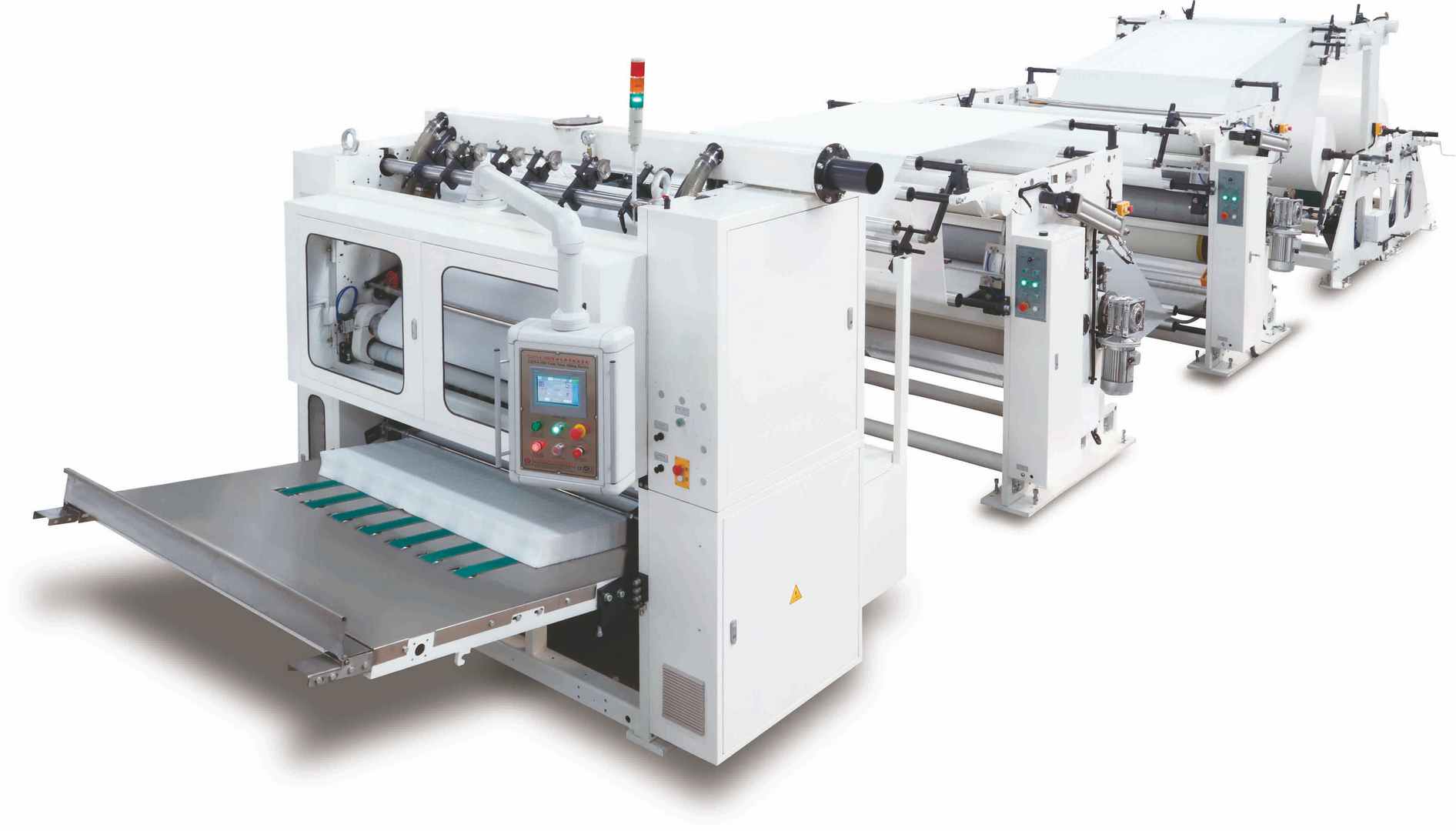
Velocidade de Produção e Capacidade de Saída
How critical is production speed and output capacity in the selection of a tissue folding machine? These factors are paramount for tissue manufacturers aiming to optimize efficiency and meet market demands. The machine’s capabilities directly influence operational throughput and profitability. Manufacturers must consider:
- Maximum sheets per minute
- Downtime during maintenance
- Setup time for different products
- Compatibility with existing production lines
- Flexibility for future capacity increases
An optimal production speed ensures timely delivery and reduces labor costs, while sufficient output capacity allows manufacturers to scale operations without compromising quality. In a competitive landscape, investing in a machine that balances these elements can significantly enhance overall productivity and sustainability. Additionally, features like high-speed operation can further improve the efficiency of the production line.
Fold Consistency and Product Appearance
Fold consistency and product appearance are essential criteria that tissue manufacturers meticulously evaluate before acquiring a folding machine. Consistent folds ensure uniformity across each product, which enhances consumer satisfaction and brand reputation. Variability in fold dimensions can lead to increased waste, reduced operational efficiency, and potential customer complaints. Additionally, product appearance affects marketability; tissues that exhibit clean, precise folds are perceived as higher quality. Manufacturers often assess the machine’s folding mechanism, materials used, and design intricacies to predict performance outcomes. Moreover, testing samples from prospective machines can provide insights into the final product’s aesthetic and functional attributes. Ultimately, choosing the right folding machine hinges on its ability to deliver both consistent folds and an appealing product appearance. Furthermore, understanding the tension control mechanisms of the rewinder can significantly influence the quality of the final folded product.
Automation Level and Labour Reduction
As automation increasingly becomes a focal point in manufacturing processes, tissue manufacturers recognize the significant advantages of integrating advanced folding machines that optimize both efficiency and labor costs. The automation level in these machines directly influences production outcomes and workforce dynamics.
Key considerations for manufacturers include:
- Reduction in manual labor: Decreased workforce requirements lead to lower labor costs.
- Enhanced production speed: Automated systems can operate at higher rates than manual processes.
- Consistency and precision: Automation minimizes human error, ensuring uniform product quality.
- Scalability: Automated machines can easily adapt to increased production demands.
- Data integration: Advanced machines can incorporate analytics for performance monitoring, aiding strategic decisions.
- Improved operational efficiency: Features like automatic rewinding shaft feeding ensure streamlined processes, further enhancing productivity.
These factors are crucial in selecting the appropriate tissue folding machine.
Machine Stability and Continuous Operation
Stability in tissue folding machines is paramount for ensuring uninterrupted production and maintaining product quality. Manufacturers must assess the structural integrity and design of the machinery, as these factors directly influence operational reliability. A stable machine minimizes vibrations and misalignments, which can lead to defects in the final product. Additionally, continuous operation capabilities are essential; machines designed for prolonged use without overheating or mechanical failures are more desirable. Factors such as the quality of materials used, the precision of engineering, and the presence of robust components play a critical role in achieving this stability. Ultimately, selecting a machine with proven performance metrics and durability ensures a consistent output, thereby enhancing overall efficiency in tissue manufacturing processes. Furthermore, integrating breakthrough technology can further enhance the stability and efficiency of tissue folding machines.
Energy Efficiency and Operating Costs
When evaluating tissue folding machines, energy efficiency and operating costs emerge as critical considerations for manufacturers aiming to optimize their production processes. High energy consumption can significantly elevate operational expenses, making it imperative to select machines designed for efficiency. Key factors to consider include:
- Energy Consumption: Assess the machine’s energy use per unit produced.
- Cost of Operation: Evaluate total operational costs, including labor and material expenses.
- Return on Investment: Analyze potential savings from energy-efficient operations.
- Eficiência Operacional: Consider the machine’s throughput relative to energy usage.
- Environmental Impact: Factor in sustainability goals, as efficient machines often reduce carbon footprints. Additionally, selecting machines with energy-efficient models can further enhance sustainability and reduce electricity costs.
These elements collectively influence the long-term profitability and sustainability of tissue manufacturing operations.
Ease of Maintenance and Spare Parts Availability
Maintaining operational efficiency extends beyond energy consumption and cost; ease of maintenance and spare parts availability are also pivotal factors for tissue manufacturers. The complexity of tissue folding machines necessitates regular maintenance to prevent downtime and ensure optimal performance. Manufacturers prioritize equipment that features accessible components, allowing for quick repairs and minimizing interruptions in production. Furthermore, the availability of spare parts is critical; a robust supply chain reduces lead times for replacements, ensuring that operations remain uninterrupted. Manufacturers should assess the supplier’s reputation for providing timely support and a comprehensive inventory of parts. Additionally, having access to 24-Hour Online Technical Support can significantly enhance a manufacturer’s ability to address issues promptly. Ultimately, a machine designed for ease of maintenance and backed by reliable spare parts availability significantly contributes to long-term operational sustainability and efficiency in tissue production.
Production Speed and Automation in Modern Tissue Folding Machines
The production speed and automation capabilities of modern tissue folding machines significantly influence operational efficiency and cost-effectiveness in manufacturing environments. Fully automatic systems, equipped with advanced servo control and intelligent automation, streamline processes such as counting, stacking, and transferring products, thereby reducing labor costs. High-speed production not only accelerates output but also enhances overall factory efficiency, positioning manufacturers to meet increasing market demands. Additionally, incorporating high-speed operation into the production line can further optimize the conversion process and improve overall product quality.
Fully Automatic vs Semi-Automatic Tissue Folding Machines
How do fully automatic and semi-automatic tissue folding machines compare in terms of production speed and operational efficiency? Fully automatic machines typically offer higher production speeds and reduced labor costs, as they require minimal operator intervention. In contrast, semi-automatic machines, while more affordable, often necessitate manual input, which can slow down output.
Key distinctions include:
- Production Speed: Fully automatic machines can achieve higher throughput.
- Labor Requirements: Semi-automatic machines need more operators.
- Eficiência Operacional: Automation reduces errors and downtime in fully automatic systems.
- Initial Investment: Semi-automatic machines usually have a lower purchase cost.
- Flexibilidade: Semi-automatic machines can accommodate various folding styles with easier adjustments.
Additionally, fully automatic tissue folding machines often incorporate advanced control systems, which enhance precision and efficiency in production. Understanding these differences is essential for optimizing tissue manufacturing processes.
Servo Control Systems and Intelligent Automation
What role do servo control systems play in enhancing production speed and automation in modern tissue folding machines? Servo control systems significantly optimize the performance of these machines by providing precise control over the folding and handling processes. This technology enables faster cycle times, reduced downtime, and improved quality consistency, making it essential for high-efficiency production environments. Additionally, intelligent automation features facilitate real-time monitoring and adjustments, ensuring optimal operation. Incorporating these advanced technologies aligns with the company’s commitment to maximizing productivity in tissue production.
| Recurso | Benefits |
|---|
| Precision Control | Enhances product quality |
| Real-time Monitoring | Minimizes operational downtimes |
| Increased Speed | Boosts overall production rate |
Incorporating servo control systems is crucial for manufacturers aiming to achieve superior automation in tissue folding operations.
Automatic Counting, Stacking, and Transfer Systems
Automatic counting, stacking, and transfer systems are integral components of modern tissue folding machines, significantly contributing to production speed and efficiency. These systems enhance operational throughput by automating critical processes, thereby reducing manual intervention.
Key benefits of these systems include:
- Increased Speed: Facilitates rapid processing of finished products.
- Precision: Ensures accurate counts and uniform stacking.
- Reduced Downtime: Minimizes stoppage time during transitions.
- Enhanced Quality Control: Monitors output consistency and reduces errors.
- Integration Capabilities: Easily connects with existing machinery for seamless operations.
Additionally, implementing automation solutions can further streamline processes and enhance production efficiency.
Reducing Labour Costs Through Automation
The integration of automation in modern tissue folding machines significantly reduces labour costs by streamlining production processes. Automated systems minimize manual intervention, allowing companies to achieve higher output with fewer employees. This shift not only reduces wage expenses but also mitigates the risks associated with human error. Additionally, implementing sustainable practices can enhance overall efficiency while meeting consumer demand for eco-friendly products.
| Recurso | Manual Process | Automated Process |
|---|
| Labour Requirement | High | Low |
| Error Rate | Moderate to High | Very Low |
| Production Consistency | Variable | Consistent |
| Training Time | Extensive | Minimal |
How High-Speed Production Improves Factory Efficiency
While traditional production methods often struggle with speed and consistency, modern high-speed tissue folding machines leverage advanced automation technologies to significantly enhance factory efficiency. These machines streamline operations, resulting in higher throughput and reduced downtime. The following factors illustrate the impact of high-speed production on efficiency:
- Increased Output: Capable of processing large volumes in shorter periods.
- Consistent Quality: Automated controls minimize human error and variability.
- Reduced Waste: Precise folding and cutting reduce material scraps.
- Optimized Labor: Fewer operators are needed, allowing for reallocation to other tasks.
- Enhanced Flexibility: Quick adjustments for different products improve responsiveness to market demands.
Additionally, these machines can be integrated with a tissue roll rewinder machine to ensure seamless production continuity and further increase efficiency. Such advancements position tissue factories to thrive in a competitive landscape, ultimately driving profitability.
Tissue Folding Quality and Product Consistency
The quality of tissue folding is fundamentally influenced by the integration of advanced technologies such as precision folding systems and vacuum folding technology. Additionally, effective tension control systems and embossing accuracy play crucial roles in ensuring consistent product presentation, while mechanisms designed to prevent tissue jamming and dispensing issues are vital for maintaining production efficiency. Collectively, these factors determine the overall performance and reliability of a tissue folding machine in a commercial setting. Furthermore, incorporating precision tissue embossing can significantly enhance the absorbency and visual appeal of the final product.
Precision Folding Systems
Achieving high-quality tissue folding requires precision folding systems that ensure uniformity and consistency in the final product. These systems are vital for maintaining high production standards and optimizing operational efficiency. Key features of effective precision folding systems include:
- Accurate alignment mechanisms to reduce misfolds or product defects.
- Adaptive folding settings that accommodate various tissue sizes and weights.
- Real-time monitoring systems to track folding performance and quality.
- User-friendly interfaces for easy operation and adjustments.
- Robust construction to withstand the rigors of continuous production cycles.
Moreover, investing in precision folding systems that are part of a complete, integrated solution can enhance overall tissue production efficiency.
Vacuum Folding Technology
Precision folding systems set a foundation for high-quality tissue production, and vacuum folding technology enhances this process significantly. This technology employs vacuum force to manipulate and secure tissue sheets during the folding operation, ensuring precise alignment and consistent folds. The application of vacuum not only minimizes the risk of misalignment but also reduces the potential for wrinkles or defects, which are critical in maintaining product integrity. As a result, manufacturers can achieve tighter control over the folding parameters, enhancing overall product consistency. Furthermore, the adaptability of vacuum folding systems allows for various tissue grades, accommodating diverse production requirements. Implementing this technology ultimately leads to improved efficiency and higher customer satisfaction through superior tissue quality, which is essential for tissue production processes in modern manufacturing.
Tension Control Systems
While vacuum folding technology provides a strong foundation for tissue production, the integration of tension control systems further elevates tissue folding quality and product consistency. Tension control systems are crucial for maintaining uniformity in the folding process, minimizing defects, and ensuring optimal material handling. These systems can significantly influence the final product’s integrity and performance.
Key benefits of tension control systems include:
- Enhanced precision in folding operations
- Reduction of material waste during production
- Consistent product dimensions and quality
- Improved machine longevity through reduced strain
- Increased operational efficiency by minimizing downtime
Incorporating advanced tension control mechanisms allows manufacturers to produce high-quality tissue products that meet industry standards and customer expectations. Additionally, the use of high-precision slitting technology enhances the overall production process by ensuring superior cut quality and reliability.
Embossing Accuracy and Product Presentation
Although embossing accuracy plays a pivotal role in the overall presentation of tissue products, it is often overlooked in discussions about production quality. Accurate embossing enhances product aesthetics, contributing significantly to consumer perception and brand value. Inconsistent embossing can lead to variations in texture and visual appeal, adversely affecting market competitiveness. Advanced tissue folding machines incorporate precision embossing mechanisms that ensure uniformity, thereby optimizing product consistency. Manufacturers must evaluate the machine’s embossing capabilities, including pressure calibration and alignment precision, to maintain high standards. Achieving the right balance between design intricacy and production efficiency is crucial. Ultimately, superior embossing accuracy not only elevates product presentation but also reinforces the brand’s commitment to quality, fostering consumer loyalty in a competitive marketplace. Additionally, increased absorbency due to effective embossing patterns can enhance the overall functionality of the tissue, making it more appealing to consumers.
Preventing Tissue Jamming and Dispensing Problems
Ensuring the smooth operation of tissue folding machines is critical for preventing jamming and dispensing issues that can compromise tissue quality and product consistency. Effective management of these challenges requires a strategic approach, focusing on key operational aspects:
- Regular maintenance: Routine checks minimize wear and tear.
- Proper alignment: Ensures components are correctly positioned to avoid friction.
- Material selection: Using high-quality tissue paper reduces the likelihood of jams.
- Operational training: Educating staff on machine handling prevents user-induced errors.
- Monitoring systems: Implementing sensors can provide real-time feedback on performance. Additionally, understanding blade precision requirements is crucial for achieving optimal cutting accuracy and preventing operational disruptions.
Complete Tissue Folding and Packaging Line Solutions
Large tissue manufacturing facilities increasingly favor integrated production lines that streamline folding, cutting, stacking, and packaging processes. These systems, enhanced by conveyor and automatic transfer technologies, facilitate efficient workflow and reduce operational downtime. Moreover, compatibility with intelligent packaging solutions presents significant advantages, making one-stop tissue converting solutions a compelling choice for maximizing productivity and minimizing costs. Additionally, the integration of breakthrough technology in tissue paper production further enhances operational efficiency and product quality.
Why Large Tissue Factories Prefer Integrated Production Lines
As the demand for high-quality tissue products continues to rise, manufacturers increasingly recognize the advantages of integrated production lines that encompass both folding and packaging processes. These comprehensive systems enhance operational efficiency and product quality, making them highly appealing for large tissue factories. Key benefits include:
- Reduced labor costs through automation.
- Minimized space requirements by consolidating multiple machines.
- Improved production speed, enabling higher output rates.
- Consistent product quality, maintaining standards across processes.
- Streamlined maintenance with fewer machines to manage.
Incorporating integrated production lines allows manufacturers to optimize workflows, reduce operational complexities, and respond swiftly to market demands, ultimately reinforcing their competitive advantage in the tissue industry. Additionally, the growing importance of eco-friendly products among consumers encourages manufacturers to invest in sustainable production technologies.
Folding, Cutting, Stacking, and Packaging Integration
Integrating folding, cutting, stacking, and packaging processes into a cohesive tissue production line significantly enhances efficiency and quality. This integration allows for streamlined workflows, reducing the potential for bottlenecks and minimizing manual intervention. Advanced machinery can synchronize these operations, ensuring that each stage of production is executed with precision. For instance, automated folding and cutting mechanisms can produce consistent product dimensions, while efficient stacking systems ensure optimal use of space, facilitating faster packaging operations. Furthermore, integrated systems often employ real-time monitoring, enabling quality control checks at each phase. This holistic approach not only improves throughput but also enhances product integrity, ultimately leading to increased customer satisfaction and reduced operational costs in tissue manufacturing. Additionally, companies like Dechangyu (DCY) are recognized for their commitment to enhancing efficiency in tissue production through innovative solutions.
Conveyor and Automatic Transfer Systems
Conveyor and automatic transfer systems play a crucial role in the seamless operation of complete tissue folding and packaging line solutions. These systems enhance efficiency by ensuring smooth movement of products through various stages of production. Their importance is underscored by several key factors:
- Increased throughput: Accelerates the processing speed of tissue products.
- Minimized handling: Reduces manual intervention, lowering labor costs and errors.
- Enhanced synchronization: Aligns multiple machines for optimal performance.
- Improved quality control: Facilitates consistent product flow, reducing downtime.
- Flexible design: Adapts to different layouts and product specifications.
Investing in advanced conveyor and transfer systems is essential for manufacturers aiming to optimize their tissue production processes and maintain competitive advantages in the market. Additionally, partnering with industry leaders like Voith can provide access to innovative technologies that enhance production efficiency.
Intelligent Packaging Line Compatibility
How can manufacturers ensure that their tissue folding and packaging lines operate at peak efficiency? By focusing on intelligent packaging line compatibility, manufacturers can streamline operations and enhance productivity. Integrating advanced technologies, such as sensors and automation, allows for real-time monitoring and adjustment of processes. Compatibility with existing equipment is essential to avoid bottlenecks and maximize throughput. Additionally, incorporating fully integrated production lines can further enhance workflow and reduce downtime.
| Recurso | Description | Benefits |
|---|
| Automation | Use of robotic systems | Increases speed and accuracy |
| Real-time Data | Sensors for process monitoring | Enables quick adjustments |
| Compatibility | Seamless integration with machines | Reduces downtime and costs |
Benefits of One-Stop Tissue Converting Solutions
One-stop tissue converting solutions offer a comprehensive approach to tissue folding and packaging, enhancing operational efficiency and reducing complexities associated with multi-vendor setups. By integrating all processes into a single system, manufacturers can streamline workflows and minimize potential bottlenecks.
Key benefits of such solutions include:
- Reduced Downtime: Single vendor support ensures quicker problem resolution.
- Cost Efficiency: Consolidation of equipment and services often leads to lower overall costs.
- Consistent Quality: Unified systems improve product uniformity and reduce variances.
- Simplified Maintenance: A single point of contact simplifies servicing and maintenance.
- Enhanced Scalability: Integrated solutions allow for easier upgrades and expansions as demand grows.
Additionally, tailored solutions provided by manufacturers, like DCY Machinery, help meet specific production needs, further enhancing the overall effectiveness of the tissue conversion process.
These advantages position one-stop solutions as a strategic choice for modern tissue factories.
Custom Tissue Folding Machine Solutions for Different Markets
Custom tissue folding machine solutions must be tailored to meet the diverse needs of various markets, encompassing specific fold sizes and packaging formats. Additionally, the integration of customized embossing patterns and adaptability for different tissue products is crucial for enhancing product differentiation. Furthermore, support for OEM and private label production, along with seamless integration with existing production lines, ensures operational efficiency and market competitiveness. Moreover, the implementation of advanced sensor technologies can help maintain consistency in product quality and meet consumer demands effectively.
The versatility of tissue folding machines allows manufacturers to meet the diverse demands of various markets through tailored fold sizes and packaging formats. This customization is essential for optimizing product appeal and functionality. Different industries require specific configurations to enhance user experience and efficiency. Key considerations when selecting custom fold sizes and packaging formats include:
- Market-specific requirements (e.g., hospitality, healthcare)
- Desired folding precision for consistent quality
- Compatibility with existing packaging systems
- Production speed and efficiency parameters
- Environmental sustainability through material choices
Additionally, manufacturers should consider the production capacity requirements to ensure the chosen machine aligns with their output goals.
Customized Embossing Patterns
When considering the implementation of tissue folding machines, customized embossing patterns emerge as a critical factor that enhances product differentiation in various markets. These patterns not only serve aesthetic purposes but also improve tactile experience and absorbency. Manufacturers can tailor designs to target specific demographics and consumer preferences, increasing market appeal. Additionally, the use of custom design capabilities ensures that manufacturers can respond to evolving trends and consumer feedback effectively.
| Market Segment | Embossing Pattern Type |
|---|
| Hospitality | Floral and Elegant Designs |
| Healthcare | Functional Textures |
| Retail | Seasonal Themes |
| Industrial | Utility-Oriented Patterns |
Adapting Machines for Different Tissue Products
A diverse range of tissue products necessitates specialized adaptations in tissue folding machines to meet varying industry requirements. Manufacturers must consider the unique specifications of different tissue types to ensure efficiency and quality. Custom solutions can optimize production processes and cater to specific market demands. Key factors for adaptation include:
- Product Thickness: Machines must adjust for varied thicknesses in tissues like napkins and facial tissues.
- Folding Patterns: Different products require distinct folding styles for functionality and appeal.
- Speed Settings: Varying production speeds may be needed based on order volumes.
- Materials Compatibility: Machines should accommodate diverse raw materials, such as recycled paper.
- Size Adjustability: Flexibility to change dimensions for various product formats is critical.
These considerations ensure that manufacturers can effectively serve multiple markets. Furthermore, integrating inline flexographic printing into the folding process can enhance branding opportunities and product differentiation.
Integration with Existing Production Lines
Effective integration of custom tissue folding machines into existing production lines presents a significant opportunity for manufacturers aiming to enhance operational efficiency and flexibility. By evaluating current workflows and identifying bottlenecks, businesses can tailor folding solutions that seamlessly align with their operational parameters. Custom machines can be designed to accommodate various tissue types and production speeds, ensuring compatibility with pre-existing equipment. Furthermore, robust communication protocols and automation technologies can facilitate real-time data exchange, optimizing performance and reducing downtime. This integration not only improves productivity but also allows for scalable adaptations as market demands shift. Ultimately, the right custom solution can enhance throughput while maintaining product quality, providing a competitive edge in the diverse tissue manufacturing landscape. Additionally, effective implementation support ensures that the setup process is smooth and that potential challenges are addressed promptly.
OEM and Private Label Tissue Production Support
Numerous manufacturers in the tissue production industry are increasingly seeking OEM and private label solutions to meet diverse market demands. This approach allows companies to customize their product offerings while optimizing production efficiency. Key considerations for selecting the right OEM and private label support include:
- Customization: Tailoring machine specifications to fit unique product requirements.
- Quality Assurance: Ensuring that the machinery adheres to industry standards for performance and safety.
- Scalability: Allowing for future growth and adaptation to changing market trends.
- Technical Support: Accessing ongoing maintenance and troubleshooting assistance.
- Cost Efficiency: Evaluating the total cost of ownership versus projected return on investment.
Furthermore, partnering with a manufacturer that emphasizes customer-centricity can enhance the overall support experience and ensure alignment with market needs.
Common Problems in Tissue Folding Production
In tissue folding production, several common issues can significantly impact operational efficiency and product quality. Inconsistent folding quality, tissue breakage during folding, and machine downtime often lead to increased material waste and lower overall productivity. Furthermore, a high dependency on labor can exacerbate these challenges, necessitating a critical evaluation of existing processes and equipment.
Inconsistent Folding Quality
Achieving consistent folding quality in tissue production remains a significant challenge for manufacturers. Variability in folding can lead to product rejection and increased operational costs. Several factors contribute to inconsistent folding quality:
- Material Variability: Differences in tissue thickness and texture affect folding precision.
- Machine Calibration: Inadequate calibration of folding machines can result in uneven folds.
- Environmental Conditions: Humidity and temperature fluctuations can impact tissue properties during production.
- Operator Skill Levels: Variations in operator expertise can lead to inconsistencies in machine operation.
- Maintenance Practices: Poorly maintained equipment may not perform optimally, leading to erratic folding quality.
Addressing these issues is crucial for manufacturers to enhance product quality and operational efficiency in their tissue production processes.
Tissue Breakage During Folding
Tissue breakage during the folding process presents a critical challenge in tissue production, often leading to significant material loss and increased costs. This issue typically arises from several factors, including inadequate tension control, improper folding mechanisms, and suboptimal paper quality. Insufficient tension can cause stress concentrations that exceed the tensile strength of the tissue, resulting in tears. Additionally, folding mechanisms that are not calibrated correctly can create uneven pressure points, further exacerbating the risk of breakage. To mitigate these challenges, manufacturers must invest in advanced folding technologies that offer precise tension adjustments and consistent folding patterns. Regular maintenance and quality assessments of the raw materials are equally vital to ensure that the tissue retains its integrity throughout the folding process.
Machine Downtime and Production Interruptions
While manufacturers strive for efficiency in tissue production, machine downtime and production interruptions can significantly hinder operational effectiveness. These disruptions can arise from various factors, leading to reduced output and increased operational costs. Identifying common causes can help mitigate their impact:
- Mechanical wear and tear: Aging components can lead to unexpected failures.
- Improper maintenance: Neglecting routine checks may result in performance degradation.
- Operator errors: Lack of training can lead to mishandling or incorrect settings.
- Supply chain disruptions: Delays in raw materials can halt production lines.
- Software malfunctions: Outdated or faulty control systems can produce inconsistencies.
Addressing these issues proactively is essential for maintaining a seamless production flow and enhancing overall efficiency in tissue manufacturing.
Material Waste and Low Efficiency
Inefficiencies in tissue folding production can lead to significant material waste, impacting both profitability and sustainability. The following table outlines common causes of material waste and their effects on production efficiency:
| Causes of Waste | Impact on Efficiency | Potential Solutions |
|---|
| Misalignment of sheets | Increased scrap rates | Regular calibration |
| Inadequate machine speed | Lower output volume | Upgrading machine components |
| Poor quality materials | Higher defect rates | Sourcing reliable suppliers |
| Ineffective process control | Variability in production | Implementing automation |
Addressing these issues requires a comprehensive analysis of production processes, machine capabilities, and material quality to enhance overall efficiency and reduce waste, ultimately leading to improved operational performance in tissue folding production.
High Labour Dependency
High labour dependency in tissue folding production presents a range of challenges that can hinder operational efficiency and increase costs. This reliance on human resources can result in several issues that impact overall productivity and quality control.
- Increased training requirements for new employees
- Higher vulnerability to human error during the folding process
- Limited scalability due to workforce constraints
- Variability in product quality based on individual performance
- Increased labor costs associated with overtime and turnover
These factors collectively contribute to inefficiencies that can undermine the competitiveness of a tissue factory. By recognizing these issues, manufacturers can evaluate the potential benefits of automation technologies that may alleviate the burdens associated with high labour dependency, leading to improved operational outcomes.
Packaging Line Coordination Issues
Coordination issues within the packaging line of tissue folding production can significantly disrupt the workflow and compromise overall efficiency. Common problems include misalignment between folding machines and packaging equipment, leading to bottlenecks that slow down output. Additionally, inconsistent product sizes can result in improper packaging, further exacerbating delays. Lack of real-time communication between machinery often leads to unanticipated downtimes, causing interruptions in the production cycle. Furthermore, inadequate training of personnel on the integration of new technologies can hinder effective operation, increasing the risk of human error. Addressing these coordination challenges requires a systematic approach, including regular maintenance of equipment, streamlined communication protocols, and comprehensive training programs to enhance operator competency and ensure seamless production flow.
How Modern Tissue Folding Machines Improve Factory Profitability
Modern tissue folding machines are engineered to enhance factory profitability through multiple avenues, including increased production efficiency and reduced labor costs. By minimizing material waste and lowering long-term operating expenses, these machines contribute to a more sustainable manufacturing process. Furthermore, improved product quality bolsters brand competitiveness in a crowded market, making the investment in advanced technology a strategic imperative for manufacturers.
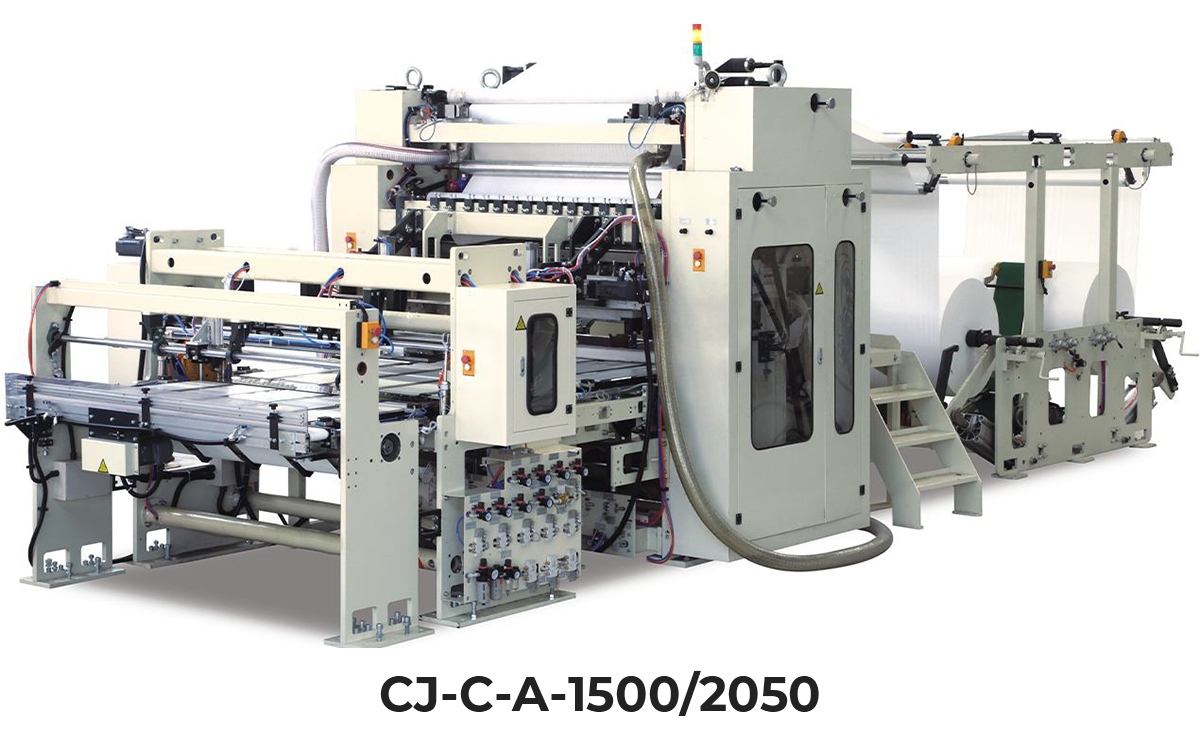
Increasing Production Efficiency
Tissue folding machines significantly streamline production processes, enhancing overall factory efficiency and profitability. These modern machines incorporate advanced technologies that optimize workflow, reduce waste, and improve product consistency. Key features contribute to this increase in efficiency:
- Automation: Minimizes manual intervention, allowing for continuous operation.
- Speed: High-speed folding capabilities increase output per hour.
- Precision: Accurate folding ensures uniformity, reducing rework and waste.
- Modularity: Flexible designs allow for quick adjustments to accommodate different product specifications.
- Data Analytics: Real-time monitoring systems provide insights into production performance, enabling timely interventions.
Reducing Labour Costs
Investing in advanced folding machines can lead to significant reductions in labor costs within tissue production facilities. These machines are engineered to operate with minimal human intervention, automating critical processes such as folding, stacking, and packaging. By streamlining these operations, factories can decrease the number of personnel required, allowing them to reallocate resources to more strategic functions. Additionally, modern machines often feature enhanced precision and speed, which not only increases output but also reduces the likelihood of operator errors that can lead to costly rework. The integration of smart technologies, such as predictive maintenance, further minimizes downtime, thereby optimizing labor efficiency. Consequently, the adoption of advanced folding machines directly contributes to improved profitability by lowering overall labor expenses.
Minimizing Material Waste
Optimizing material usage is a critical factor in enhancing profitability within tissue production facilities. Modern tissue folding machines are designed to minimize material waste, thereby boosting factory efficiency. These machines incorporate advanced technology that streamlines production processes, ensuring maximum utilization of raw materials.
Key features contributing to reduced waste include:
- Precision cutting: Ensures optimal dimensions and reduces off-cuts.
- Automated adjustments: Adapt to varying material thicknesses without excess scrap.
- Real-time monitoring: Identifies inefficiencies and allows for immediate corrections.
- Efficient folding techniques: Utilize every inch of material effectively.
- Integrated recycling systems: Reprocess scraps back into production.
Lowering Long-Term Operating Costs
Efficiency in manufacturing processes significantly influences long-term operating costs, particularly in tissue production environments. Modern tissue folding machines incorporate advanced automation and precision engineering, reducing operational inefficiencies. By optimizing folding patterns and minimizing downtime through streamlined setups, these machines allow for higher throughput and reduced labor costs. Furthermore, energy-efficient designs mitigate utility expenses, contributing to sustained profitability. Predictive maintenance features enable proactive management of equipment health, decreasing the likelihood of costly repairs and unplanned outages. Additionally, enhanced scalability allows manufacturers to adjust production levels in response to market demands without incurring significant overhead. Overall, the investment in modern tissue folding technology not only streamlines operations but also yields substantial long-term savings, reinforcing the financial viability of tissue manufacturing enterprises.
Improving Product Quality and Brand Competitiveness
Modern tissue folding machines significantly enhance product quality and bolster brand competitiveness in the tissue manufacturing sector. By leveraging advanced technology, these machines facilitate precise folding and packing processes that ensure uniformity and consistency in product output. This technological advancement translates to higher customer satisfaction and brand loyalty.
Key improvements include:
- Enhanced folding accuracy, reducing waste and defects
- Optimized speed, allowing for quicker production cycles
- Consistent quality control measures, ensuring compliance with industry standards
- Increased flexibility in product design, catering to diverse consumer preferences
- Streamlined operations, improving overall efficiency
As a result, manufacturers can achieve superior product offerings that not only meet market demands but also elevate their brand’s position in a competitive landscape.
Faster Return on Investment
The integration of advanced tissue folding machines not only enhances product quality but also significantly impacts factory profitability. These machines leverage state-of-the-art technology to optimize production processes, reducing operational costs and minimizing material waste. High-speed folding capabilities enable manufacturers to increase throughput, allowing for a higher volume of finished products in less time. Additionally, automation features reduce labor costs and the potential for human error, further streamlining operations. Enhanced precision in folding ensures consistent product quality, which can lead to better customer satisfaction and repeat business. Consequently, the initial investment in modern tissue folding equipment can yield a faster return on investment, positioning factories to capitalize on market opportunities and improve overall financial performance in a competitive landscape.
How to Choose the Right Tissue Folding Machine for Your Factory
Selecting the appropriate tissue folding machine requires a systematic approach that begins with defining the specific tissue product type and estimating the necessary production capacity. Additionally, considerations for future factory expansion, automation requirements, and the availability of technical support and after-sales service are crucial in ensuring long-term operational efficiency. A thorough evaluation of these factors will enable factories to make informed decisions that align with their production goals and growth strategies.
Define Your Tissue Product Type
Understanding the specific type of tissue product is essential when choosing a tissue folding machine for a factory. The characteristics of the tissue product dictate the machine’s required specifications and operational capabilities. Key factors to consider include:
- Product Size: Dimensions of the finished product.
- Thickness: The weight and density of the tissue paper.
- Folding Style: The desired folding patterns, such as interfolded or flat.
- Material Type: Variations in paper composition, including recycled materials.
- End-Use: Applications, whether for household, industrial, or medical purposes.
Estimate Required Production Capacity
How can a factory accurately determine its production capacity needs when selecting a tissue folding machine? Establishing production capacity involves analyzing current demand, operational efficiency, and machine performance. Factories must assess the number of products required per hour, aligning this with the machine’s folding speed and operational uptime.
| Criteria | Considerations |
|---|
| Demand Forecasting | Estimate daily/weekly needs |
| Machine Specifications | Folding speed, capacity |
| Eficiência Operacional | Downtime, maintenance needs |
Consider Future Factory Expansion
As factories plan for future growth, it becomes essential to consider the implications of expansion when choosing a tissue folding machine. Selecting a machine that accommodates potential increases in demand can significantly enhance operational efficiency. Key factors to evaluate include:
- Scalability: Ability to upgrade or expand the machine’s capacity.
- Modular Design: Options for adding components without a complete overhaul.
- Compatibility: Integration with existing equipment and systems.
- Space Requirements: Adequate room for future machinery additions.
- Supplier Support: Availability of service and parts for expanded operations.
Evaluate Automation Requirements
When planning for factory expansion, evaluating automation requirements becomes a pivotal consideration in the selection of a tissue folding machine. Automation capabilities directly influence production efficiency, labor costs, and overall output quality. A thorough analysis should include the desired level of automation, compatibility with existing systems, and potential for future scalability.
| Automation Feature | Importance Level |
|---|
| Speed of Operation | High |
| Flexibilidade | Medium |
| User Interface | High |
| Maintenance Needs | Medium |
| Integration Ease | High |
Assess Technical Support and After-Sales Service
Thorough assessment of technical support and after-sales service is crucial for manufacturers selecting a tissue folding machine. Reliable support can minimize downtime and ensure seamless operation. Manufacturers should consider the following aspects when evaluating these services:
- Response Time: How quickly can the supplier address issues?
- Availability of Spare Parts: Are essential components readily available?
- Technical Expertise: Does the support team possess in-depth knowledge of the machinery?
- Training Programs: Are comprehensive training sessions offered for operators and maintenance personnel?
- Warranty and Service Agreements: What are the terms of the warranty and available service contracts?
Compare Total Ownership Cost Instead of Machine Price Alone
Evaluating technical support and after-sales service is just one component of making an informed decision about a tissue folding machine. Beyond the initial purchase price, prospective buyers should consider the total ownership cost, which encompasses operating expenses, maintenance requirements, and downtime implications. A lower-priced machine may incur higher operational costs due to energy inefficiency or frequent repairs, ultimately leading to greater long-term expenses. Additionally, the potential for enhanced productivity and reduced labor costs should be factored in. By analyzing these elements comprehensively, manufacturers can identify the most cost-effective solution that aligns with their operational goals. This approach ensures not only immediate affordability but also sustainable profitability over the equipment’s lifecycle.
Future Trends in Tissue Folding Machine Manufacturing
The future of tissue folding machine manufacturing is poised for significant transformation, driven by advancements in smart factory technologies and digital management systems. The integration of AI for production optimization and the demand for energy-efficient equipment will reshape operational efficiencies, while fully integrated tissue converting lines are anticipated to become the norm. Additionally, as the market increasingly requires high-speed automation, manufacturers must adapt to these evolving expectations to remain competitive.
Smart Factory and Digital Management Systems
How will the integration of smart factory concepts and digital management systems reshape the landscape of tissue folding machine manufacturing? The adoption of these technologies promises to enhance operational efficiency, reduce downtime, and improve product quality. By leveraging data analytics and real-time monitoring, manufacturers can achieve significant advancements in production workflows. Key features include:
- Automated data collection for real-time insights
- Predictive maintenance to minimize equipment failures
- Enhanced inventory management for optimized supply chains
- Remote monitoring capabilities for operational oversight
- Seamless integration with existing systems for streamlined processes
These innovations will enable tissue factories to operate with greater agility and responsiveness, positioning them to meet evolving market demands effectively.
AI and Intelligent Production Optimization
Artificial intelligence (AI) is poised to revolutionize tissue folding machine manufacturing by enabling intelligent production optimization. By integrating AI algorithms, manufacturers can analyze production data in real-time, identifying patterns that lead to enhanced efficiency and reduced downtime. Predictive maintenance, driven by AI, allows for the anticipation of equipment failures, thereby minimizing disruptions in the manufacturing process. Additionally, AI facilitates adaptive process control, enabling machines to automatically adjust parameters based on variations in input materials or environmental conditions. This results in consistent product quality and optimized resource utilization. As AI technology continues to evolve, its application in tissue folding machinery will likely become integral, driving innovation and competitiveness within the industry. Embracing this trend will be essential for manufacturers aiming for long-term success.
Energy-Efficient Tissue Production Equipment
Recent advancements in energy-efficient tissue production equipment are shaping the future landscape of tissue folding machine manufacturing. As manufacturers prioritize sustainability, several key features are emerging:
- Variable Speed Drives: Optimize energy consumption by adjusting motor speed based on production needs.
- Heat Recovery Systems: Capture and reuse waste heat, enhancing overall energy efficiency.
- Smart Sensors: Monitor equipment performance in real-time, reducing energy waste through predictive maintenance.
- Eco-friendly Materials: Utilize lightweight and recyclable materials to lower the carbon footprint of machines.
- Automated Energy Management: Implement systems that dynamically manage energy usage across production lines.
These innovations not only reduce operational costs but also align with global sustainability goals, ultimately transforming the tissue production industry.
Fully Integrated Tissue Converting Lines
As manufacturers increasingly seek to enhance operational efficiency and product quality, fully integrated tissue converting lines are emerging as a pivotal trend in tissue folding machine manufacturing. These systems consolidate various processes—such as embossing, folding, and packaging—into a seamless workflow, minimizing manual intervention and reducing production time. Advanced automation and real-time monitoring capabilities facilitate optimal performance and quality assurance, enabling manufacturers to respond swiftly to market demands. Furthermore, the integration of data analytics allows for predictive maintenance, thereby reducing downtime and enhancing overall reliability. This holistic approach not only streamlines operations but also supports sustainability initiatives by minimizing waste and energy consumption. Consequently, fully integrated tissue converting lines represent a significant advancement in meeting the evolving needs of the tissue manufacturing industry.
Increasing Demand for High-Speed Automation
The evolution of fully integrated tissue converting lines has set the stage for an escalating demand for high-speed automation in tissue folding machine manufacturing. This shift is driven by the need for enhanced efficiency and productivity, as manufacturers strive to meet ever-increasing consumer demands. Key factors influencing this trend include:
- Reduction of operational costs through increased throughput.
- Improved product consistency and quality via automated processes.
- Minimized downtime with advanced predictive maintenance technologies.
- Flexibilidade to adapt to varying production requirements.
- Sustainability initiatives promoting reduced waste and energy consumption.
As the industry progresses, high-speed automation technologies will continue to redefine operational capabilities, enabling manufacturers to achieve unprecedented levels of performance in tissue production.
Conclusão
Modern tissue manufacturers need more than standalone machines. They need intelligent, reliable, and scalable production solutions that improve efficiency, reduce labour costs, and maintain consistent product quality.
Choosing the right tissue folding machine manufacturer requires evaluating production capacity, automation level, customization capabilities, technical support, and long-term operating value.
With decades of industry experience, strong R&D capabilities, patented technologies, and global export expertise, DeChangYu provides complete intelligent tissue converting solutions for tissue manufacturers worldwide.
Why Global Tissue Manufacturers Choose DeChangYu
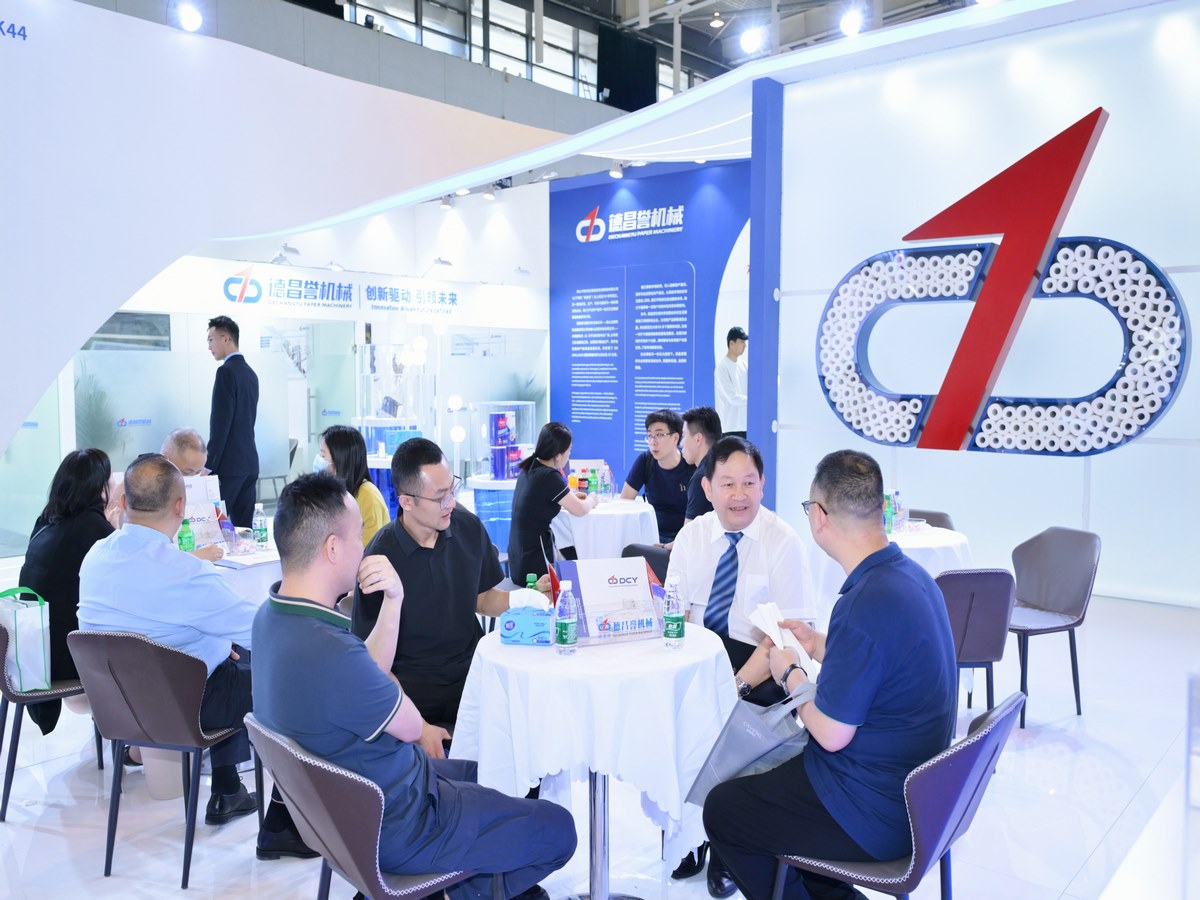
Established Since 1987 with Strong Industry Experience
With decades of experience in the tissue converting industry, DeChangYu has built a strong reputation for reliable and intelligent paper machinery solutions.
60+ National Patents and Industry-Leading R&D
DeChangYu focuses on independent research and development, holding over 60 national patents and continuously driving industry innovation.
ISO 9001:2015 and CE Certified Manufacturing
The company follows strict quality management standards and provides equipment certified for international markets.
100000㎡ Intelligent Production Base
DeChangYu operates a modern large-scale manufacturing facility equipped with precision machining and digital management systems.
Exported to 160+ Countries and Regions
With extensive global business experience, DeChangYu serves tissue manufacturers worldwide with stable equipment and professional support.
Personalized Intelligent Equipment Solutions
Customized production line solutions are available based on customer capacity, product type, and factory requirements.
Award-Winning Glue-Free Tail Sealing Technology
DeChangYu’s patented non-adhesive sealing tail technology won the China Patent Excellence Award for improving efficiency and reducing consumable usage.
FAQ About Tissue Folding Machine Manufacturers
What Is the Difference Between V-Fold and Z-Fold Tissue Machines?
V-fold tissues dispense one sheet at a time in a V shape, while Z-fold tissues interlock in a zigzag pattern for continuous dispensing.
How Fast Can a Fully Automatic Tissue Folding Machine Operate?
Depending on the model, high-speed machines can operate at hundreds to thousands of sheets per minute.
How Much Does a Tissue Folding Machine Cost?
Prices vary based on automation level, speed, configuration, and customization requirements.
Can Tissue Folding Machines Be Customized?
Yes. Machines can be customized for fold type, embossing pattern, tissue size, packaging format, and production capacity.
What Certifications Should a Tissue Machine Manufacturer Have?
Reliable manufacturers should have ISO 9001 quality certification and CE certification for international markets.
How Often Does a Tissue Folding Machine Require Maintenance?
Routine inspection and preventive maintenance are recommended regularly to ensure stable operation and reduce downtime.
How Long Does Installation and Training Take?
Installation and operator training typically take several days to a few weeks depending on the production line complexity.






 English
 Español
 العربية
 Português do Brasil
 Русский