Automatic Hand Towel Making Machine: Complete Buyer's Guide for Tissue Manufacturers
The Automatic Hand Towel Making Machine represents a significant advancement in the production of disposable hand towels. It effectively streamlines processes such as cutting, folding, and packaging through automation. By understanding its operational mechanics, including the types of towels produced and key components within the production line, one can gauge its impact on efficiency and profitability. However, the complexities of investment and potential challenges in manufacturing raise critical questions about its overall feasibility in the market.
Key Takeaways
- The Automatic Hand Towel Making Machine efficiently produces various types of disposable hand towels, including V Fold, N Fold, and Z Fold designs.
- It features an automated process that includes jumbo roll unwinding, embossing, printing, cutting, and packaging for high productivity.
- Advanced technology ensures precision in cutting and consistent quality across production batches, minimizing waste and maximizing throughput.
- The embossing unit enhances towel absorbency and grip through textured designs, improving the product’s visual appeal and functionality.
- Customizable printing options allow for branding and market differentiation, utilizing high-resolution digital printing technologies for accurate designs.
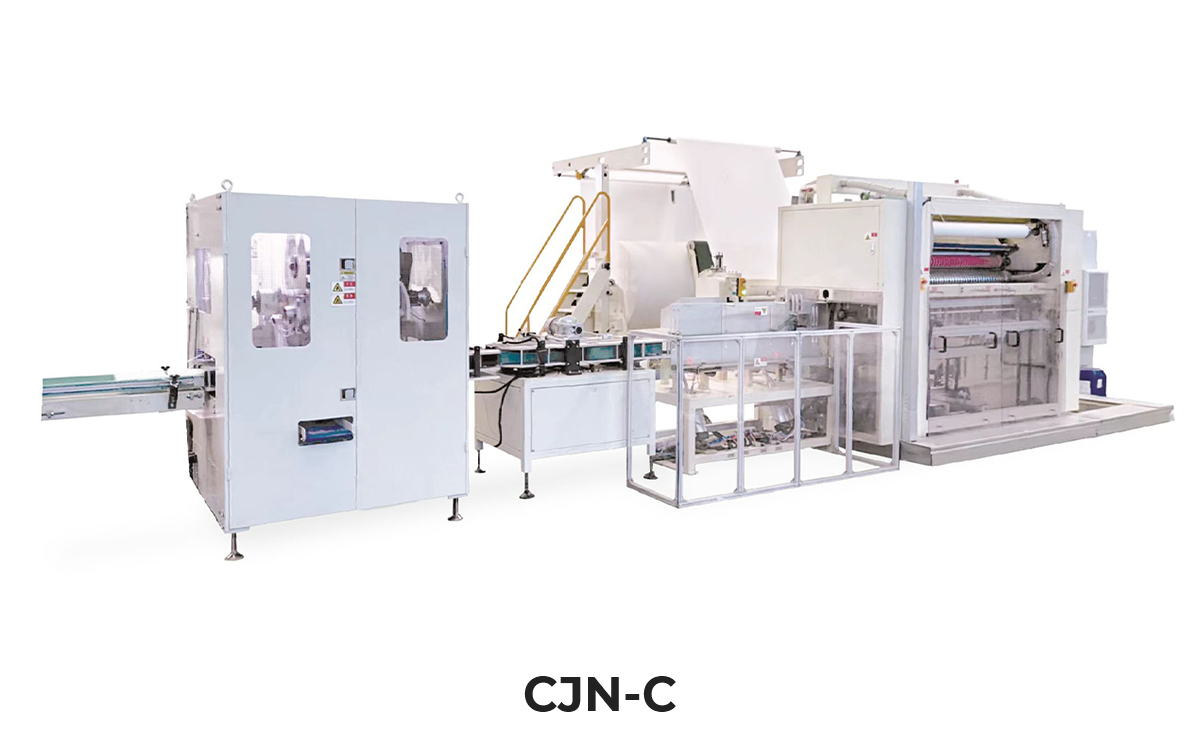
What Is an Automatic Hand Towel Making Machine?
An automatic hand towel making machine is a sophisticated piece of equipment designed for the efficient production of disposable hand towels. This machine integrates advanced technology to automate the processes of cutting, folding, and packaging, ensuring high throughput and minimal labor involvement.
Typically, it operates as an automatic tissue folding machine, streamlining the transformation of raw paper into neatly folded towels suitable for commercial and industrial applications. The paper hand towel manufacturing machine is essential in tissue converting operations, enabling manufacturers to meet the growing demand for hygienic and convenient hand-drying solutions.
Its design allows for precise control over towel dimensions and folding techniques, contributing to consistent product quality and operational efficiency in high-demand environments, such as restaurants, hospitals, and restrooms. Additionally, the machine’s high precision and speed ultimately enhance productivity while maintaining premium quality in towel production.
How Does an Automatic Hand Towel Making Machine Work?
An automatic hand towel making machine operates through a series of coordinated processes, beginning with jumbo roll unwinding to supply the raw material.
The machine then incorporates embossing to create texture and patterns, followed by options for printing and branding that enhance product identity.
Finally, the folded towels are counted and cut to specified dimensions, ensuring efficiency and consistency in production.
Desbobinamento de Rolo Jumbo
A crucial component of the automatic hand towel making machine is the jumbo roll unwinding mechanism, which facilitates the efficient conversion of large rolls of raw material into finished products.
This mechanism is engineered for high precision, ensuring that the material is unwound smoothly and consistently, thereby minimizing wastage and maximizing throughput.
As part of the hand towel production line, it operates in synchronization with other machine segments, enabling seamless changes between unwinding and subsequent processing stages.
The design incorporates tension control systems to maintain ideal material integrity, essential for high-speed hand towel machines.
This control not only enhances operational efficiency but also guarantees product quality, meeting the demands of modern manufacturing processes while ensuring reliable performance. In addition, the use of advanced technologies in these machines significantly contributes to sustainability and efficiency, making them a vital choice for manufacturers.
Embossing and Pattern Creation
While the jumbo roll unwinding mechanism initiates the production process, the embossing and pattern creation stage plays an important role in enhancing the aesthetic and functional properties of the hand towels.
In an interfold hand towel machine, this process involves the application of pressure through engraved rollers, imparting specific textures and designs onto the towel material. This not only improves grip and absorbency but also adds visual appeal, making the products more marketable.
The choice of patterns can vary, tailored to consumer preferences and market trends. Additionally, the precision in embossing guarantees uniformity across batches, vital for quality control. Consequently, embossing and pattern creation are integral to the overall efficiency and desirability of automatic hand towel production. Furthermore, utilizing sustainable practices in the embossing process can enhance the environmental responsibility of the final products.
Printing and Branding Options
As the production process of automatic hand towel machines progresses beyond embossing, the integration of printing and branding options becomes essential for market differentiation and consumer engagement. Advanced v fold hand towel making machines incorporate digital printing technologies that allow for high-resolution designs, logos, and branding messages to be applied directly onto the towel material. This capability enhances brand visibility and consumer connection. Additionally, the hand towel packaging machine can be customized to display these printed designs prominently, ensuring an appealing presentation.
| Printing Method | Benefits |
|---|
| Flexographic | Cost-effective, high-speed production |
| Digital | Customization and quick turnarounds |
| Rotogravure | High-quality, detailed prints |
| Screen Printing | Durable, vibrant colours |
| Offset Printing | Excellent colour accuracy |
Folding Process
The folding process in an automatic hand towel making machine is a critical step that guarantees consistent sizing and presentation of the final product. Utilizing advanced commercial hand towel production equipment, this process employs precise mechanisms to achieve uniform folds that are essential for effective storage and dispensing.
The multifold hand towel machine typically integrates automated folding arms and sensors, securing that each towel is accurately folded in a predetermined style, such as C-fold or Z-fold. This automation enhances production efficiency while minimizing human error.
The machine’s programmable settings allow operators to adjust fold dimensions and configurations, providing flexibility in meeting varying market demands. Ultimately, the folding process secures that the towels not only look appealing but also function effectively in user environments.
Counting and Cutting
Counting and cutting represent pivotal operations in the functionality of an automatic hand towel making machine, guaranteeing that each towel is produced to specification.
The tissue converting machine employs advanced sensors and programmable logic controllers to accurately count the length of the tissue as it is processed. Once the predetermined length is reached, a cutting mechanism, often utilizing rotary blades, activates to sever the material with precision.
The integration of these components allows for minimal waste and maximizes efficiency, as the machine can continuously operate without manual intervention. Additionally, the counting system guarantees that the final product meets packaging requirements, providing consistency in towel dimensions. This level of control is essential for manufacturers aiming to meet specific market demands, particularly in terms of production speed and accuracy.
Automatic Packaging Integration
After the counting and cutting processes have been executed, the next phase in the operation of an automatic hand towel making machine involves the integration of automatic packaging systems.
This stage employs advanced robotics and sensors to guarantee precise alignment and packaging of towel stacks. The machine utilizes a conveyor belt system to transport the cut towels to the packaging area, where they are automatically grouped and wrapped.
High-speed sealing mechanisms, often employing heat or adhesive methods, secure the packaging, guaranteeing product integrity. Additionally, integrated quality control systems monitor for defects, allowing for real-time adjustments.
This automation not only enhances efficiency but also minimizes human error, providing manufacturers with a streamlined process that maximizes output and maintains product standards.
What Types of Hand Towels Can Be Produced?
The automatic hand towel making machine is capable of producing various types of hand towels, each designed to meet specific user needs and preferences.
Among the primary configurations are V Fold, N Fold, Z Fold, C Fold, multifold, and interfold hand towels, each differing in folding style and dispensing method.
This versatility allows manufacturers to cater to diverse markets, enhancing efficiency and user satisfaction in commercial and residential settings. Additionally, the production process aligns with sustainability considerations that have become increasingly important in the tissue paper market.
V Fold Hand Towels
V Fold hand towels represent a popular category in the production of disposable hygiene products, designed for efficient use in various commercial settings.
These towels are characterized by their unique folding technique, which allows for easy dispensing and reduced waste. Common applications include restrooms in offices, restaurants, and healthcare facilities, where hygiene and convenience are paramount.
The advantages of V Fold hand towels include their space-saving design and compatibility with various dispensing systems, promoting efficient usage. Additionally, the production of these towels can benefit from an automated production process, enhancing overall efficiency and hygiene standards.
However, limitations exist, such as potential challenges in absorption capacity compared to other formats.
N Fold Hand Towels
N Fold hand towels represent a versatile category in the production of disposable paper products, tailored for diverse commercial environments. These towels are commonly used in restrooms, kitchens, and healthcare facilities. Their design allows for easy dispensing and efficient usage. Additionally, energy efficiency options in their production can enhance sustainability while maintaining quality.
| Application | Advantages | Limitations |
|---|
| Restrooms | Space-efficient, reduces waste | Limited absorbency compared to cloth |
| Kitchens | Quick drying, hygienic | May require frequent refills |
| Healthcare Facilities | Promotes hygiene, convenient use | Less eco-friendly than cloth |
| Food Service | Cost-effective, single-use convenience | Not suitable for heavy-duty tasks |
These attributes contribute to their efficacy in maintaining cleanliness and promoting sanitary practices across various sectors.
Z Fold Hand Towels
Z Fold hand towels are another popular option in the arena of disposable paper products, providing distinct advantages in various settings.
These towels are designed with a zigzag fold, allowing for easy dispensing, which minimizes waste and promotes sanitary handling. Common applications include restrooms in commercial facilities, restaurants, and healthcare environments, where efficiency and hygiene are paramount.
The Z Fold design enables users to take one towel at a time, reducing the risk of cross-contamination. Additionally, these towels typically occupy less space than traditional roll towels, facilitating storage.
However, their limitations include lower absorbency compared to other formats, which may necessitate more frequent replenishment, potentially impacting operational efficiency in high-traffic areas.
C Fold Hand Towels
C Fold hand towels represent a versatile option within the domain of disposable paper products, characterized by their unique folding style that allows for easy and efficient dispensing.
These towels are commonly used in various settings, including restrooms, kitchens, and commercial venues.
Key advantages of C Fold towels include:
- Cost-Effectiveness: Typically lower in price compared to other towel types.
- Space Efficiency: Their compact design facilitates storage and reduces the footprint in dispensers.
- User-Friendly Dispensing: The folding style guarantees that only one towel is dispensed at a time, minimizing waste.
However, limitations exist, such as potential limitations in absorbency and the need for specific dispensers.
Multifold and Interfold Hand Towels
Multifold and interfold hand towels represent another category of disposable paper products that cater to specific user needs and settings. These towels are designed to offer convenience and efficiency, particularly in high-traffic environments. Their folding mechanism allows for easy dispensing, reducing waste and ensuring that users can access a clean towel with minimal effort. Additionally, the production of these towels is facilitated by advanced automatic machinery, ensuring consistency and quality, which reflects the importance of automation capabilities in enhancing productivity.
| Type | Market Demand Trends | Suitable End Users |
|---|
| Multifold | Increasing preference for cost-effective solutions | Restaurants, offices, and restrooms |
| Interfold | Growing emphasis on hygiene and user experience | Healthcare facilities and schools |
| Both | Rising awareness of sustainability in paper products | Various commercial establishments |
The production of these towels is facilitated by advanced automatic machinery, ensuring consistency and quality.
Key Components of a Modern Automatic Hand Towel Production Line
A modern automatic hand towel production line comprises several key components that guarantee efficiency and product quality.
The system typically includes a jumbo roll stand for raw material handling, an embossing unit for texture application, a printing system for branding, a folding unit for precise towel configuration, and a cutting system for size standardization.
Each component plays a critical role in streamlining the manufacturing process and enhancing the final product’s attributes. Additionally, advanced technology solutions such as cutting-edge tissue converting equipment are crucial for improving production efficiency and product consistency.
Jumbo Roll Stand
The jumbo roll stand serves as a critical component in the architecture of a modern automatic hand towel production line. It is designed to accommodate large rolls of paper, guaranteeing a continuous supply during the manufacturing process.
This component provides several advantages that enhance operational efficiency and product quality:
- Stability: Robust construction minimizes vibrations, maintaining the integrity of the paper during unwinding.
- Ease of Loading: User-friendly mechanisms facilitate quick roll changes, minimizing downtime and maximizing productivity.
- Adjustable Tension Control: Precise tension settings prevent tearing and guarantee uniformity in the final product.
The effectiveness of the jumbo roll stand directly influences the overall performance of the production line, contributing to higher throughput and reduced waste. Additionally, it is essential for supporting high-speed folding and enhancing the overall productivity of the manufacturing process.
Embossing Unit
Embossing units represent a pivotal mechanism in the production of automatic hand towels, considerably enhancing both functionality and aesthetic appeal. These units utilize engraved rollers to imprint patterns onto the towel surface, which not only improves texture and grip but also adds visual interest. The operational efficiency of embossing units is critical, as they must synchronize seamlessly with the overall production line to guarantee uniformity in output. Additionally, precision tissue embossing ensures that the embossed patterns remain consistent across every sheet, elevating the overall product quality.
| Recurso | Description |
|---|
| Pattern Design | Customizable for branding purposes |
| Roller Material | Typically steel or chrome-plated |
| Pressure Control | Adjustable for varying material thicknesses |
Incorporating such features allows manufacturers to maintain high standards of quality while meeting diverse consumer demands.
Printing System
Printing systems play an essential role in the production of automatic hand towels, serving as the medium through which branding and marketing messages are conveyed. These systems are designed to guarantee high-quality prints while maintaining production efficiency.
Key features of modern printing systems include:
- Flexibility: Able to accommodate various ink types and designs, allowing for customization based on market demands.
- Precision: Advanced technology guarantees accurate alignment and consistent color reproduction, crucial for branding integrity.
- Speed: Capable of high-speed printing to match the throughput of the production line, minimizing downtime.
The integration of these features not only enhances the aesthetic appeal of hand towels but also strengthens brand recognition in a competitive market.
Consequently, the printing system is a critical component of the overall production process.
Folding Unit
While various components contribute to the efficiency of an automatic hand towel production line, the folding unit stands out as a pivotal element that markedly influences the final product’s presentation and usability.
This unit employs advanced mechanisms to achieve precise folding, ensuring uniformity in towel dimensions and enhancing the overall aesthetic appeal. Typically, it integrates servo motors and photoelectric sensors, allowing for real-time adjustments based on material variations.
The folding patterns can be customized to meet specific client specifications, optimizing packaging and storage efficiency. By maintaining consistent tension and alignment during the folding process, the unit minimizes waste and maximizes throughput.
Ultimately, a well-designed folding unit is essential for producing high-quality hand towels that meet rigorous market standards.
Cutting System
The cutting system is a fundamental component of a modern automatic hand towel production line, closely linked to the efficiency and quality established by the preceding folding unit.
This system is designed to guarantee precise dimensions and consistent output, thereby enhancing the overall productivity of the line. It employs advanced technologies for automated cutting, which minimizes waste and optimizes resource utilization.
- Precision Engineering: Utilizes high-accuracy blades for uniform cuts.
- Automated Control: Integrates with sensors to adjust for material variations.
- Efficiency Optimization: Reduces downtime through quick blade changes and maintenance routines.
These attributes collectively contribute to a streamlined process, guaranteeing that the hand towels produced meet stringent quality standards while maintaining operational efficiency.
Automatic Transfer and Stacking System
An effective automatic transfer and stacking system plays an essential role in the efficiency of a modern automatic hand towel production line.
This system is engineered to seamlessly transport towels from the cutting phase to the stacking unit, ensuring minimal disruption and consistent flow. Utilizing advanced sensors and conveyor technology, it precisely aligns and distributes the towels for stacking, reducing the risk of jams and misalignment.
The integration of programmable logic controllers (PLCs) enhances operational control, allowing for real-time adjustments in speed and stacking patterns. In addition, the system’s modular design permits easy maintenance and scalability, accommodating varying production demands. Additionally, the use of automatic transfer systems improves overall productivity by minimizing manual handling and enhancing hygiene standards.
Packaging Equipment
Packaging equipment serves as a crucial component of a modern automatic hand towel production line, directly influencing the final presentation and protection of the product. Effective packaging guarantees that hand towels maintain their quality during storage and transportation while enhancing brand visibility.
The choice of machinery impacts efficiency, waste reduction, and overall operational costs.
- Sealing Technology: Advanced sealing systems guarantee airtight packaging, preserving moisture and preventing contamination.
- Automated Labeling: High-speed labeling machines enhance traceability and compliance with regulatory requirements.
- Material Handling: Robust systems for managing packaging materials streamline workflows, minimizing downtime and labor costs.
Ultimately, the integration of sophisticated packaging equipment is essential for manufacturers seeking to optimize production processes and maintain product integrity.
Cartoning and End-of-Line Automation
Integrating cartoning and end-of-line automation into a modern automatic hand towel production line greatly boosts operational efficiency and product handling capabilities.
This integration typically involves high-speed cartoning machines that automate the packaging process, guaranteeing precise alignment and secure sealing of hand towel bundles. Automated systems can be programmed for various carton sizes, facilitating rapid changeovers to accommodate different product specifications without extensive downtime.
Additionally, end-of-line automation incorporates robotic arms for palletizing, optimizing space utilization while minimizing manual labor. Such systems are equipped with sensors and vision technology to guarantee quality control, markedly reducing errors.
The result is a streamlined workflow that maximizes throughput, enhances product safety during transit, and ultimately contributes to improved profitability in a competitive market.
The production capacity of an automatic hand towel making machine is quantified by metrics such as sheets per minute and packs per minute, which directly influence daily and annual output figures.
Performance considerations also encompass various factors that can affect production efficiency, including machine speed, material quality, and maintenance protocols.
Analyzing these parameters is essential for optimizing manufacturing processes and maximizing output consistency.
Sheets Per Minute
Production capacity, often quantified in sheets per minute, serves as a critical benchmark for evaluating the efficiency of automatic hand towel making machines. This metric directly influences production outcomes and operational profitability. High sheets per minute figures indicate superior machine performance and reduced downtime, essential for manufacturers seeking to optimize their processes.
- A higher sheets per minute rate correlates with increased operational throughput.
- Consistent performance at peak production speeds mitigates the risk of bottlenecks.
- The balance between speed and quality is crucial to maintain product integrity while maximizing output.
Understanding these dynamics allows operators to make informed decisions regarding machine selection and operational adjustments, ensuring that production goals are met effectively. Additionally, the high-speed operation offered by modern machines enhances overall efficiency, further supporting production targets.
Packs Per Minute
Achieving ideal production efficiency encompasses more than just the sheets per minute; it also involves evaluating the packs per minute, an essential metric that reflects the overall output of the hand towel making process.
Understanding packs per minute aids operators in determining the machine’s throughput and optimizing production schedules. This metric is influenced by factors such as machine speed, pack size, and the efficiency of downstream packaging processes.
A higher packs per minute rate indicates better synchronization between the towel production and packaging phases, enabling manufacturers to meet market demands effectively.
Monitoring this KPI allows for timely adjustments in operational parameters, ensuring that production remains aligned with strategic goals while minimizing waste and maximizing resource utilization.
Daily Production Output
While evaluating the daily production output of an automatic hand towel making machine, several critical factors must be considered to guarantee peak performance and capacity. The machine’s efficiency is contingent upon the operational speed, the quality of raw materials, and the maintenance routines employed.
These elements directly influence output consistency and overall productivity.
- Operational Speed: Faster speeds can enhance daily output but may compromise quality if not managed properly.
- Raw Material Quality: High-quality materials assure fewer defects and interruptions in the production process.
- Maintenance Protocols: Regular maintenance minimizes downtime, optimizing operational efficiency and prolonging machine lifespan.
Attention to these details is essential for maximizing the potential output, assuring that production targets are met consistently.
Annual Production Capacity
Annual production capacity of an automatic hand towel making machine is a critical metric that reflects the machine’s ability to meet market demands over a specified timeframe, typically measured in units per year. This capacity is influenced by various design factors, including speed, operational efficiency, and machine reliability.
| Parameter | Value |
|---|
| Maximum Output | 2,000,000 units |
| Operational Hours | 8,000 hours/year |
| Downtime Allowance | 10% |
Understanding these parameters allows manufacturers to optimize production planning and inventory management, ensuring that supply aligns with market requirements. Accurate assessment of annual production capacity is essential for strategic decision-making and resource allocation, providing manufacturers with a competitive edge in the industry.
Factors Affecting Production Efficiency
Production efficiency in automatic hand towel making machines is influenced by a multitude of factors that collectively determine the overall performance and capacity of the system.
Understanding these factors is essential for optimizing production processes and ensuring maximum output. Key considerations include:
- Machine Speed: The operational speed of the machinery directly impacts the number of units produced within a specific timeframe.
- Material Quality: The characteristics of raw materials affect processing efficiency, influencing both yield and product quality.
- Downtime Management: Effective maintenance and rapid response to mechanical failures minimize production interruptions, preserving overall efficiency.
Additionally, advancements in tissue paper production technology can significantly enhance operational capabilities and improve output quality.
How to Choose the Right Hand Towel Fold Type for Your Market
Selecting the appropriate hand towel fold type requires a thorough analysis of the specific needs of various sectors, including hospitality, healthcare, and commercial environments.
Each industry presents unique requirements, such as the demand for efficiency in high-traffic areas or the necessity for hygiene in medical facilities.
Understanding these distinctions is critical for optimizing functionality and user satisfaction across diverse applications.
Hospitality Industry Requirements
When considering the specific needs of the hospitality industry, the choice of hand towel fold type becomes a critical factor that can influence both guest satisfaction and operational efficiency.
Selecting the appropriate fold type can enhance the overall guest experience while optimizing resource management.
- Guest Perception: Certain folds, like C-fold or multi-fold, offer an elevated aesthetic appeal.
- Dispensing Efficiency: Fold types can affect the ease of dispensing, impacting staff workflow.
- Cost-Effectiveness: Different folds yield varying quantities per roll, influencing overall supply costs.
Moreover, aligning the towel fold type with operational goals can further streamline processes and improve service delivery.
Healthcare and Medical Facilities
In the context of healthcare and medical facilities, the choice of hand towel fold type is essential for maintaining hygiene standards and ensuring efficient operations.
Selecting the appropriate fold—be it C-fold, Z-fold, or multifold—directly impacts both accessibility and waste management. C-fold towels offer ease of dispensing, while Z-fold variants maximize surface area exposure, vital for effective drying and reducing cross-contamination.
Multifolds provide versatility for various dispensers, enhancing user experience. Additionally, consideration of the towel material is important; options range from disposable paper to reusable cloth, each presenting unique benefits and challenges.
Ultimately, the decision should align with facility protocols, budget constraints, and environmental impact, ensuring that operational efficiency and hygiene compliance are prioritized.
Commercial Buildings and Offices
The folding type of hand towels used in commercial buildings and offices greatly influences both user experience and operational efficiency.
To select the ideal fold type, organizations must consider various factors that impact performance and satisfaction.
- Space Efficiency: Certain folds, such as C-fold or multifold, require less storage space, allowing for more efficient use of dispensers.
- User Convenience: The ease of dispensing affects user satisfaction; single-sheet options minimize cross-contamination and improve hygiene.
- Cost-Effectiveness: Analyzing the cost per use of different folds can enhance budget allocations while maintaining quality.
Educational Institutions
Selecting the appropriate hand towel fold type for educational institutions requires careful consideration of factors that impact both hygiene and operational efficiency.
The most common fold types include C-fold, multifold, and center pull, each presenting unique advantages. C-fold towels, for instance, minimize waste and enhance hygiene by allowing users to touch only the towel they intend to use.
Multifold options provide a compact design that can fit in smaller dispensers, optimizing space in restrooms. Center pull towels offer a continuous feed, which can be advantageous in high-traffic areas, reducing the need for frequent refills.
Analyzing usage patterns, restroom traffic, and maintenance capabilities is essential for decision-makers aiming to balance cost-effectiveness with user satisfaction in educational environments. Additionally, incorporating automated systems in towel dispensing can further enhance hygiene and reduce waste in high-use areas.
Industrial and Manufacturing Facilities
Understanding the unique demands of industrial and manufacturing facilities is vital when determining the most suitable hand towel fold type. The choice markedly impacts efficiency, cost, and user satisfaction.
- Absorbency: Select a fold type that maximizes surface area for effective drying, essential in high-usage environments.
- Dispensing Mechanism: Consider compatibility with dispensers to guarantee seamless integration and reduce waste.
- Durability: Opt for thicker materials that withstand rigorous use, minimizing the need for frequent replacements.
Evaluating these factors allows facility managers to optimize hand hygiene solutions, ultimately enhancing operational efficiency and employee well-being.
Implementing the right fold type aligns with the overarching goals of productivity and cost-effectiveness in industrial settings.
Automatic vs Semi-Automatic Hand Towel Machines
The comparison between automatic and semi-automatic hand towel machines involves multiple critical factors, including initial investment and ongoing operational costs.
Automatic machines generally require a higher upfront investment but offer enhanced production efficiency and product consistency, reducing labor requirements over time.
Conversely, semi-automatic machines may present lower initial costs but can incur higher long-term expenses due to increased labor needs and potential variations in product quality.
Investment Comparison
Investment in hand towel manufacturing technology reveals a significant disparity between automatic and semi-automatic machines.
Automatic machines typically require a higher initial capital investment due to their advanced technology and capabilities. In contrast, semi-automatic machines present a lower entry point but may incur higher operational costs over time.
- Cost Efficiency: Automatic machines offer lower long-term production costs due to reduced manual intervention.
- Production Speed: Higher throughput in automatic machines maximizes output and returns on investment.
- Maintenance Expenses: Semi-automatic machines may have lower upfront costs but can lead to increased maintenance and labor expenses.
Investors must weigh these factors critically to determine the best solution that aligns with their operational goals and financial constraints.
Requisitos de Mão de Obra
Labour requirements for automatic and semi-automatic hand towel making machines differ greatly, impacting operational efficiency and workforce management.
Automatic machines necessitate minimal human intervention, typically requiring only a small number of technicians for maintenance and oversight. This allows for streamlined operations, reducing the overall labour costs and enabling a focus on productivity and quality control.
In contrast, semi-automatic machines demand a more substantial workforce, as operators are needed to manage various stages of the production process, including feeding raw materials and monitoring the operation.
As a result, businesses employing semi-automatic systems may face higher labour costs, increased training requirements, and potential variability in product consistency due to human involvement.
Thus, the choice between these systems greatly influences labour dynamics and operational strategy.
Production Efficiency
Production efficiency in hand towel manufacturing varies greatly between automatic and semi-automatic machines, with automatic systems often achieving higher output rates. This is primarily due to their integrated processes and reduced manual intervention.
Automatic machines are designed to operate continuously, optimizing production time and minimizing downtime.
- Higher Output: Automatic machines can produce thousands of towels per hour, markedly surpassing semi-automatic counterparts.
- Minimal Labor Dependency: Automation lessens the need for skilled labor, focusing on machine performance rather than human speed.
- Consistent Operation: Automatic systems maintain a steady workflow, reducing variability in production cycles. Additionally, fully integrated production lines streamline operations by coordinating various machine functions for enhanced efficiency.
Product Consistency
Product consistency is a critical factor in the hand towel manufacturing process, particularly when comparing automatic and semi-automatic machines.
Automatic machines typically deliver superior product uniformity due to their integrated control systems, which regulate parameters such as tension, speed, and material feed with high precision. This results in consistent towel dimensions and weight, essential for meeting quality standards and consumer expectations.
Conversely, semi-automatic machines rely on manual adjustments, potentially introducing variability caused by operator skill levels and environmental factors. This inconsistency can lead to variations in towel quality, affecting product reliability.
Consequently, manufacturers seeking stringent quality control often favor automatic machines, as they minimize human error and enhance overall production consistency, ultimately supporting brand reputation and customer satisfaction.
Long-Term Operating Costs
Efficiency remains a paramount consideration when evaluating the long-term operating costs of automatic versus semi-automatic hand towel machines.
Automatic machines generally incur higher initial costs but offer significant savings through reduced labor and operational efficiency. In contrast, semi-automatic machines have lower upfront costs but may lead to increased labor expenses and potential downtime.
Key factors influencing long-term costs include:
- Energy Consumption: Automatic machines often utilize advanced technologies for energy efficiency, leading to lower utility bills.
- Maintenance Requirements: Automatic systems typically require less frequent maintenance interventions, reducing overall service costs.
- Material Utilization: Enhanced precision in automatic machines minimizes waste, maximizing material efficiency.
Ultimately, organizations must weigh these factors to determine the most economically viable option for their specific operational needs.
Raw Materials Used in Hand Towel Manufacturing
In the manufacturing of hand towels, the choice of raw materials greatly influences product quality and performance. Key considerations include the use of virgin versus recycled pulp, which affects absorbency and sustainability, as well as the decision between single-ply and multi-ply configurations that determine thickness and strength.
Additionally, factors such as grams per square meter (GSM) selection and jumbo roll specifications are critical for optimizing production efficiency and meeting consumer demands.
Virgin Pulp vs Recycled Pulp
Although both virgin pulp and recycled pulp serve as primary raw materials in hand towel manufacturing, their distinct characteristics and environmental implications considerably influence production processes and product quality.
Virgin pulp, derived from freshly harvested trees, typically yields a softer and more absorbent product. Conversely, recycled pulp, sourced from post-consumer paper, presents a more sustainable option but may compromise certain qualities such as strength and texture.
- Environmental Impact: Virgin pulp production often leads to deforestation, while recycled pulp reduces waste and resource consumption.
- Cost Consideration: Recycled pulp can be less expensive, depending on market conditions and availability.
- Quality Variability: The quality of recycled pulp can fluctuate based on the source and processing methods employed.
Single-Ply vs Multi-Ply Products
The distinction between single-ply and multi-ply products in hand towel manufacturing is critical, as it directly affects both the functional performance and consumer preference.
Single-ply towels consist of a single layer of material, offering basic absorbency and cost-effectiveness, which appeals to budget-conscious consumers.
In contrast, multi-ply towels are engineered with multiple layers, enhancing their strength and absorbency. This construction allows for greater liquid retention and durability, making them suitable for high-traffic environments.
The choice of raw materials also differs; multi-ply products often utilize a blend of virgin and recycled fibers to optimize performance.
Ultimately, the selection between single-ply and multi-ply products hinges on specific usage requirements, environmental considerations, and desired user experience.
GSM Selection Guidelines
Selecting the appropriate grams per square meter (GSM) is fundamental in determining the quality and performance of hand towels, particularly when considering the raw materials used in their production.
The GSM directly influences absorbency, softness, and durability, which are critical factors for end-user satisfaction.
Key considerations for GSM selection include:
- Material Type: Different fibers (e.g., virgin pulp, recycled materials) yield varying GSM profiles affecting overall performance.
- End-Use Application: Towels intended for high-traffic areas may require a higher GSM for durability, while those used in luxury settings might prioritize softness.
- Cost Efficiency: Balancing GSM with raw material costs ensures maximum profitability without compromising quality.
Careful evaluation of these factors guides manufacturers in achieving the desired towel specifications.
Jumbo Roll Specifications
Jumbo rolls play an essential role in the production of hand towels, serving as the primary raw material from which finished products are derived. These rolls are typically manufactured from virgin pulp or recycled fibers, ensuring consistent quality and performance. The specifications of jumbo rolls can greatly influence the efficiency of the hand towel making process.
| Especificação | Description | Importance |
|---|
| Width | Commonly 1.3 metres | Affects machine compatibility |
| Diameter | Ranges from 200 to 600 mm | Influences roll capacity |
| Basis Weight (GSM) | Typically 30–70 GSM | Determines towel thickness |
Understanding these specifications is vital for manufacturers aiming to optimize production and reduce waste.
While the choice of raw materials greatly impacts the quality of hand towels, manufacturers must consider various factors to guarantee ideal performance.
The selection of fibers is vital, as they influence absorbency, texture, and durability. Additionally, the processing techniques employed during manufacturing can affect the final product’s strength and softness.
- Fiber Composition: The ratio of natural to synthetic fibers can determine absorbency and comfort.
- Processing Methods: Techniques like bleaching and softening impact both aesthetics and functionality.
- Environmental Considerations: Sustainable sourcing of materials can enhance brand reputation and appeal to eco-conscious consumers.
Embossing and Printing Options for Brand Differentiation
The embossing and printing capabilities of automatic hand towel making machines are critical for enhancing brand visibility and differentiation in a competitive market.
Options such as steel-to-rubber and steel-to-steel embossing facilitate various decorative patterns and logo applications, consequently enabling customization that resonates with consumer preferences.
Additionally, the availability of two-color and four-color printing solutions allows for intricate designs that further elevate brand identity on the finished product. Furthermore, the increased absorbency achieved through embossing ensures that the hand towels not only look appealing but also perform effectively in various cleaning tasks.
Steel-to-Rubber Embossing
Steel-to-rubber embossing presents a sophisticated method for enhancing brand differentiation in the production of hand towels.
This technique utilizes a steel die to create distinct patterns on a rubber roll, allowing for high-resolution designs that can elevate the product’s aesthetic appeal. The process guarantees a consistent, high-quality imprint that aligns with branding requirements.
- Provides flexibility in design options, accommodating various logo styles.
- Enhances tactile experience, contributing to consumer perception of quality.
- Supports efficient production, maintaining speed without sacrificing detail.
- This method improves visual appeal and overall quality, similar to techniques used in toilet paper embossing.
Steel-to-Steel Embossing
Steel-to-steel embossing serves as an essential technique in the domain of hand towel manufacturing, providing robust options for brand differentiation through intricate designs. This method entails the use of hardened steel rollers that create precise patterns directly onto the towel surface, enhancing both aesthetic appeal and product identity. The resulting texture not only elevates brand recognition but also influences tactile experience. Additionally, the use of adjustable tension control during the embossing process ensures that the integrity of the towel’s texture is maintained without compromising quality.
| Recurso | Description |
|---|
| Durability | Steel rollers guarantee long-lasting impressions |
| Precision | High accuracy in design replication |
| Brand Impact | Unique textures enhance brand visibility |
| Customization Potential | Wide array of patterns for tailored branding |
These factors collectively yield a competitive advantage, appealing to manufacturers aiming for market distinction.
Decorative Embossing Patterns
Decorative embossing patterns play a pivotal role in hand towel manufacturing, offering a spectrum of options that enhance brand differentiation.
These patterns not only serve aesthetic purposes but also contribute to the tactile experience of the product, making them a strategic choice for manufacturers aiming to elevate their market presence.
- Variety of Designs: Manufacturers can select from intricate motifs to simple textures, aligning with brand identity.
- Functional Benefits: Embossed patterns can improve absorbency and grip, adding functional value to the product.
- Consumer Appeal: Unique designs attract consumer attention, fostering brand loyalty through distinctiveness.
Logo Embossing Capabilities
Logo embossing capabilities serve as a significant extension of decorative embossing patterns, enabling manufacturers to incorporate branding elements directly into hand towel products. This process not only enhances the aesthetic appeal but also establishes brand identity in a competitive marketplace. By utilizing precise embossing techniques, companies can achieve clear, durable logos that withstand use and laundering.
| Recurso | Benefits | Considerations |
|---|
| Precision Embossing | High-quality brand visibility | Requires specialized equipment |
| Material Compatibility | Works with various substrates | May limit design options |
| Durability | Long-lasting impressions | Cost implications for tooling |
| Customization | Tailored branding solutions | Time investment for design |
This table summarizes the critical aspects of logo embossing, offering manufacturers control over branding strategies.
Two-Color and Four-Color Printing Solutions
When seeking to enhance brand differentiation, manufacturers can leverage two-color and four-color printing solutions alongside embossing techniques. This combination allows for the creation of visually striking hand towel products that catch consumer attention and reinforce brand identity.
Utilizing advanced printing technologies guarantees precision in color placement and consistency across production runs.
- Two-color printing offers cost-effective solutions for simple designs.
- Four-color printing enables intricate graphics and complex branding.
- Embossing adds tactile elements, enhancing the perceived quality of the product.
Manufacturers should carefully consider the interplay between these techniques, as this can greatly impact market positioning and customer engagement. The use of high-resolution printing capabilities facilitates a distinct product offering that can command higher consumer loyalty. Effective integration of these options facilitates a distinct product offering that can command higher consumer loyalty.
Custom Branding Opportunities
Custom branding opportunities in the hand towel industry are markedly enhanced through the strategic application of embossing and printing techniques.
Embossing provides a tactile element that not only elevates the product’s aesthetic but also reinforces brand identity through distinct patterns and logos. This method allows manufacturers to create a three-dimensional effect, increasing visibility and consumer engagement.
On the other hand, advanced printing options, including digital and flexographic methods, enable vivid color reproduction, enhancing brand differentiation. Companies can opt for customized designs, utilizing high-quality inks that resist fading.
Automation Features That Improve Productivity
The integration of advanced automation features in hand towel making machines considerably enhances productivity.
Key components such as PLC control systems and servo motor technology streamline operations, allowing for precise adjustments and improved efficiency.
Additionally, features like touchscreen operation, automatic tension control, and automatic product counting further minimize human intervention, thereby optimizing the production process. Moreover, these machines can benefit from real-time monitoring to ensure consistent product quality and reduce operational downtime.
PLC Control Systems
A programmable logic controller (PLC) serves as the backbone of automation in hand towel making machines, greatly enhancing productivity through precise control and monitoring of manufacturing processes.
By integrating PLCs, manufacturers can achieve higher operational efficiency and accuracy in production lines, thereby minimizing downtime and errors.
- Real-time monitoring: PLCs facilitate immediate feedback on operational parameters, allowing for swift adjustments.
- Programmable sequences: Customizable programming enables tailored workflows, optimizing the production cycle to meet varying demands.
- Integration capabilities: PLCs can seamlessly connect with other automation technologies, ensuring cohesive functionality across machinery.
These features collectively empower operators with enhanced oversight and control, ultimately leading to a more streamlined and productive manufacturing environment. Additionally, the integration of automatic rewinding shaft feeding function enhances operational efficiency by reducing manual intervention during production.
Tecnologia de Servo Motor
Integrating servo motor technology into hand towel making machines greatly enhances operational efficiency and precision.
Servo motors provide accurate control over speed and torque, allowing for ideal synchronization of processes such as cutting, folding, and packaging. This precision reduces material waste and minimizes downtime, greatly improving throughput.
In addition, the rapid response capabilities of servo motors facilitate real-time adjustments during operation, enabling seamless changes between different towel sizes and styles.
Moreover, the reduced mechanical complexity associated with servo systems lowers maintenance requirements and prolongs equipment lifespan. This aligns with DCY’s commitment to delivering integrated solutions that enhance productivity and efficiency for tissue producers worldwide.
Touchscreen Operation
How can touchscreen operation revolutionize the efficiency of hand towel making machines? The integration of touchscreen interfaces greatly enhances user interaction, allowing operators to monitor and control processes with precision.
This technology streamlines operation through real-time data access, reducing the need for manual adjustments and minimizing errors.
- Intuitive Navigation: Users can easily access various machine settings and parameters without extensive training.
- Real-Time Monitoring: Operators receive instant feedback on production statistics, enabling prompt decision-making.
- Customizable Settings: Touchscreen interfaces allow for quick adjustments to production specifications, enhancing adaptability to changing demands.
These features collectively contribute to increased productivity and operational efficiency in the manufacturing process of hand towels. Additionally, operators can benefit from 24-Hour Online Technical Support, ensuring that any issues can be addressed swiftly to maintain optimal performance.
Automatic Tension Control
While maintaining ideal production quality is essential in hand towel manufacturing, automatic tension control systems play a critical role in achieving this goal.
These systems utilize sophisticated sensors to monitor and adjust material tension in real-time, ensuring consistent feeding of raw materials through the machinery. By dynamically regulating tension, they prevent issues such as material wrinkling, tearing, or unevenness, which can compromise product integrity.
Additionally, automatic tension control enhances operational efficiency by minimizing waste and downtime associated with manual adjustments. The integration of advanced algorithms allows for precise calibration, adapting to variations in material properties and environmental conditions.
Consequently, manufacturers can achieve a higher level of precision and maintain stringent quality standards, ultimately optimizing overall productivity. Furthermore, companies like Dechangyu (DCY) are recognized for their commitment to enhancing efficiency in tissue production through innovative solutions.
Automatic Product Counting
Automatic product counting systems greatly enhance production efficiency in hand towel manufacturing by accurately tracking output in real-time.
These systems utilize advanced sensors and software to provide precise counts, minimizing human error and ensuring ideal inventory management.
Key benefits include:
- Enhanced accuracy in production tracking, leading to better decision-making and resource allocation.
- Real-time data analytics that allow for immediate adjustments in production processes, improving overall throughput.
- Integration capabilities with existing manufacturing systems, facilitating seamless operations and control.
Remote Monitoring and Smart Manufacturing
The integration of remote monitoring technologies in hand towel manufacturing represents a significant advancement in smart manufacturing practices. This technology enables real-time data collection from various machine components, facilitating immediate analysis of operational efficiency.
Manufacturers can access critical metrics such as production speed, material usage, and machine health from remote locations, allowing for informed decision-making without physical presence. Predictive maintenance algorithms analyze historical performance data to forecast potential failures, reducing downtime and enhancing productivity.
In addition, remote monitoring systems often feature alert mechanisms that notify operators of deviations from ideal performance parameters, ensuring swift corrective action. Consequently, this level of automation not only elevates operational control but also streamlines processes, ultimately driving higher output and cost-effectiveness in hand towel production.
Labour Requirements and Operational Efficiency
Optimizing labour requirements and enhancing operational efficiency are critical components in the implementation of an automatic hand towel making machine. This technology greatly reduces the number of operators needed on the production floor, leading to substantial labour cost reductions through automation.
However, careful attention must be paid to operator training requirements to guarantee that personnel can effectively manage and troubleshoot the machinery.
- Reduced operator count facilitates streamlined production processes.
- Automation enhances production consistency, minimizing variability.
- Efficient training programs maximize machine potential and operator proficiency.
- Implementing such systems can lead to improved eficiência de produção as demonstrated by Lian Sheng Pulp and Paper’s high output capabilities.
Factory Space and Utility Requirements
While establishing a facility for the operation of an automatic hand towel making machine, careful consideration of factory space and utility requirements is essential for successful production.
A recommended workshop size typically ranges from 1,500 to 2,500 square feet, accommodating machinery, workflow, and personnel.
Electrical power must meet the specific machine requirements, generally around 220-240V, ensuring adequate supply for operational efficiency.
Additionally, an uninterrupted air supply is vital, necessitating a compressor capable of delivering consistent pressure.
Material storage must be strategically planned to optimize space, allowing for easy access and organization.
Finally, finished goods storage should be sufficiently expansive to handle output volumes, employing systematic inventory management to streamline distribution and minimize delays in logistics.
Complete Investment Analysis for a Hand Towel Manufacturing Business
Understanding the financial aspects of a hand towel manufacturing business is essential for establishing a sustainable operation. A detailed investment analysis includes various critical components, each contributing to the overall financial health of the enterprise.
Understanding the financial aspects is crucial for the sustainability and success of a hand towel manufacturing business.
- Equipment Investment: Significant capital is required for purchasing advanced machinery.
- Raw Material Costs: Consistent sourcing of high-quality materials impacts the bottom line.
- Labour Costs: Skilled workforce expenses must be accounted for in operational budgets.
Additionally, facility costs, packaging costs, and logistics and distribution expenses must be meticulously calculated to guarantee effective cash flow management.
A thorough evaluation of these elements will empower stakeholders, allowing them to make informed decisions regarding operational scalability and profitability potential in the hand towel manufacturing sector.
Is Hand Towel Manufacturing Profitable?
Is hand towel manufacturing a viable business venture? The profitability of this sector hinges on several factors, including market demand, revenue drivers, and effective cost control strategies.
With a consistent consumer preference for hygiene products, the demand for hand towels remains robust, particularly in commercial settings. Revenue is primarily driven by bulk sales and contracts with businesses such as hotels and restaurants.
Implementing stringent cost control measures can enhance profit margins considerably. A typical return on investment timeline for this industry is approximately 18-24 months, contingent on production efficiency and market penetration. Additionally, the demand for eco-friendly products continues to rise, encouraging manufacturers to innovate and adapt their offerings.
Furthermore, scaling production capabilities allows manufacturers to exploit economies of scale, thereby increasing profitability. Consequently, hand towel manufacturing presents a promising financial opportunity for those equipped with strategic planning.
Common Challenges in Hand Towel Production and How to Solve Them
In hand towel production, several challenges can considerably impact overall quality and efficiency, including folding inconsistencies, embossing quality issues, and printing defects.
Additionally, material breakage and packaging problems can disrupt the manufacturing process and lead to increased operational costs.
Addressing these challenges requires a systematic approach to identify root causes and implement targeted solutions to enhance product consistency and reliability. Implementing a high-speed interfolder machine can significantly improve production rates and reduce folding inconsistencies.
Folding Inconsistencies
Folding inconsistencies present a significant challenge in the production of hand towels, affecting both quality and efficiency.
These discrepancies can lead to wasted materials, increased labor costs, and diminished product appeal.
To mitigate these issues, manufacturers must consider the following factors:
- Machine Calibration: Ensuring that folding mechanisms are precisely calibrated to accommodate varying towel sizes and thicknesses.
- Material Properties: Selecting appropriate raw materials that facilitate uniform folding without compromising towel integrity.
- Quality Control Protocols: Implementing rigorous inspection processes to identify and rectify folding errors before the final product reaches consumers.
Additionally, investing in high-end conversion machines can significantly improve the precision and performance of the production process.
Embossing Quality Issues
Embossing plays a pivotal role in the aesthetic and functional qualities of hand towels, yet common challenges can greatly impact production outcomes.
Issues such as pressure inconsistencies, temperature fluctuations, and roller misalignment can lead to inadequate embossing depth and clarity. Insufficient pressure may result in weak patterns, while excessive pressure can cause material deformation.
Furthermore, improper temperature settings can lead to inadequate bonding of the fibers, compromising the towel’s integrity. Regular calibration of embossing rollers and monitoring environmental conditions are essential for maintaining quality.
Implementing a systematic maintenance schedule can mitigate these risks. Additionally, utilizing high-precision sensors can provide real-time feedback, enabling operators to make timely adjustments to the embossing process, ensuring consistently high-quality hand towels. Understanding machine capabilities is crucial for aligning production processes with quality standards.
Printing Defects
While achieving high-quality prints on hand towels is essential for brand identity and consumer satisfaction, various printing defects can pose significant challenges during production.
These defects can result from multiple factors, including equipment malfunction, ink formulation, and substrate compatibility. Identifying and addressing these issues is critical for maintaining production efficiency.
- Color Misalignment: Occurs when printing plates are incorrectly aligned, leading to blurred or distorted images.
- Ink Smudging: Can result from insufficient drying time or incorrect ink viscosity, compromising print clarity.
- Fading: Often caused by low-quality inks or improper curing, resulting in prints that lack vibrancy.
To guarantee consistent quality, manufacturers must implement rigorous quality control measures and regular equipment maintenance.
Material Breakage
Material breakage during hand towel production presents a significant challenge that can disrupt manufacturing processes and increase costs. This issue often arises from inadequate material quality, improper handling, or misalignment in machinery.
To mitigate these risks, manufacturers must implement rigorous quality control protocols, ensuring that raw materials meet specified standards. Additionally, regular maintenance of production equipment is essential to prevent mechanical failures that contribute to breakage.
Training operators on proper handling techniques can further reduce incidents related to human error. Employing advanced monitoring systems can provide real-time data on material integrity, allowing for timely interventions.
Packaging Problems
Packaging problems represent a critical aspect of hand towel production that can greatly impact product quality and marketability. Inefficient packaging processes may lead to product damage, contamination, and increased production costs. Addressing these challenges is essential for maintaining a competitive edge in the market.
Key packaging problems include:
- Material Compatibility: Incorrect packaging materials can result in chemical reactions that compromise towel integrity.
- Automation Issues: Inconsistent performance of packaging machines may lead to misalignment and improper sealing.
- Storage Limitations: Inadequate space for packaged products can hinder operations and increase the risk of handling damage.
Implementing robust quality control measures and optimizing packaging workflows can markedly mitigate these challenges, ensuring that hand towels meet both consumer expectations and regulatory standards.
Machine Downtime Reduction Strategies
Machine downtime poses significant challenges in hand towel production, as it can lead to reduced efficiency and increased operational costs. Implementing strategic measures is essential for minimizing downtime and optimizing productivity. Key strategies include regular maintenance schedules, advanced troubleshooting protocols, and employee training programs. Additionally, leveraging local team capabilities can further enhance the effectiveness of these strategies.
| Strategy | Description |
|---|
| Preventive Maintenance | Scheduled inspections and servicing to prevent failures. |
| Real-time Monitoring | Utilizing IoT sensors to identify issues before they escalate. |
| Staff Training | Educating operators on best practices to guarantee smooth operation. |
What is the production capacity of an automatic hand towel machine?
Production capacity varies by model, typically ranging from 3,000 to 12,000 sheets per minute, with high-speed lines delivering even greater output.
Which fold type is most popular in commercial markets?
V Fold and Multifold hand towels are the most widely used formats in offices, schools, hospitals, and public washrooms.
How many operators are required to run a hand towel production line?
A fully automatic production line typically requires 2–4 operators, depending on the level of automation.
Can one machine produce multiple hand towel formats?
Yes. Many modern machines can be adjusted to produce V Fold, N Fold, Z Fold, and Multifold hand towels.
What is the average ROI period for a hand towel manufacturing project?
Most hand towel production projects achieve ROI within 1–3 years, depending on production volume and market demand.
What certifications should I look for when choosing a machine supplier?
Look for suppliers with ISO 9001 and CE certifications, along with proven experience in tissue converting equipment.
Can automatic hand towel machines integrate with packaging systems?
Yes. They can be integrated with automatic counting, stacking, packaging, and cartoning systems to create a fully automated production line.
How do I choose the right machine capacity for my factory?
Choose a machine based on your expected output, available factory space, labour resources, budget, and future expansion plans.





 English
 Español
 العربية
 Português do Brasil
 Русский