When Does Your Factory Need a Customized Tissue Converting Machine?
The tissue paper industry has become increasingly competitive, with manufacturers producing a wider range of products including toilet rolls, facial tissues, kitchen towels, napkins, hand towels, and specialty tissue products.
While standard tissue converting machines can meet the needs of many factories, some manufacturers require equipment designed around specific production goals. A customized tissue converting machine can help overcome limitations related to product specifications, factory space, automation requirements, and production efficiency.
But customization is not always necessary. Understanding when a standard machine is sufficient and when a tailored solution creates real value is essential before investing.
What Is a Customized Tissue Converting Machine?
A customized tissue converting machine is equipment that has been modified or engineered according to a manufacturer's specific production requirements.
Unlike standard machines with fixed configurations, customized solutions may include adjustments to:
Production capacity
Tissue product formats
Folding patterns
Embossing designs
Printing requirements
Packaging methods
Factory layout
Automation systems
Integration with existing equipment
Customization can range from adding specific functions to designing a complete turnkey tissue converting line.
For example, a manufacturer producing premium facial tissues may require a different configuration compared with a factory producing high-volume toilet paper rolls.
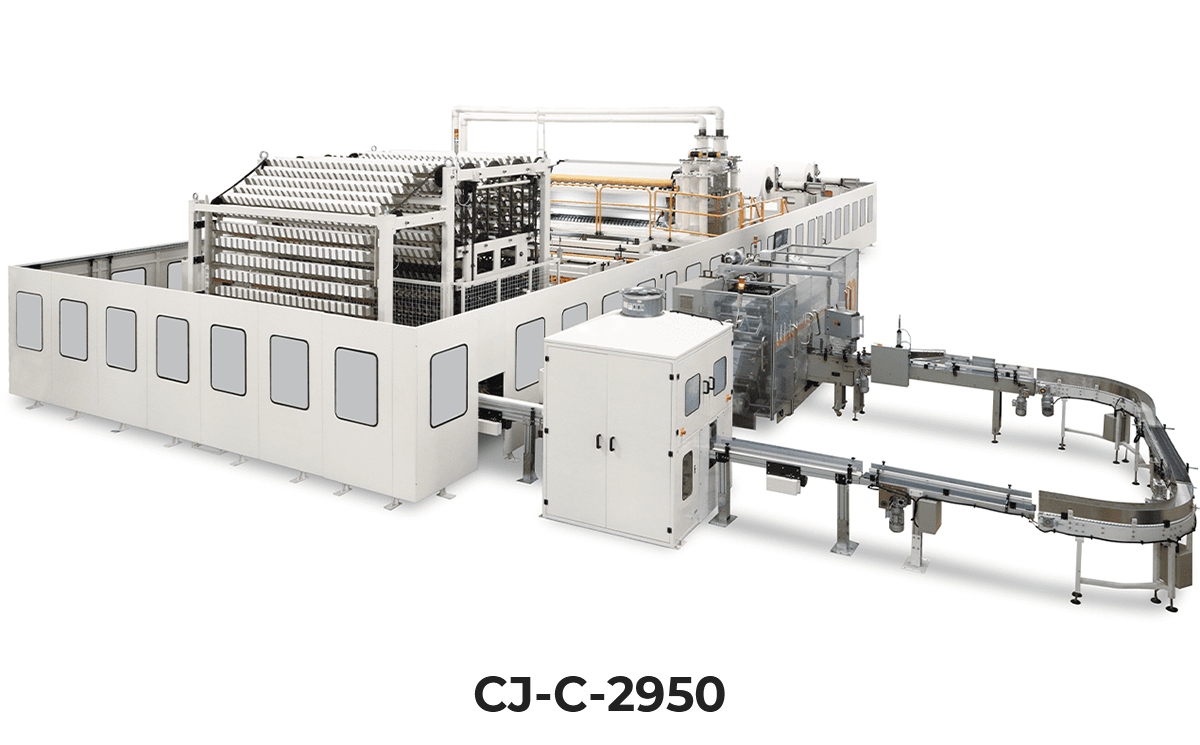
Автоматическая линия по производству бумажных салфеток серии CJ-C
1. Your Factory Produces Multiple Tissue Products
One of the strongest reasons to consider customization is product diversity.
Modern tissue manufacturers often produce several product categories:
Toilet paper rolls
Kitchen towels
Facial tissues
Hand towels
Napkins
Pocket tissues
Each product requires different converting processes.
For example:
Product
Possible Custom Requirements
Toilet rolls
Roll diameter, core size, perforation, wrapping
Facial tissues
Folding pattern, sheet count, box packing
Napkins
Folding style, printing, embossing
Kitchen towels
Larger roll diameter, stronger embossing
Pocket tissues
Compact folding and packaging
A standard machine may handle basic production, but manufacturers producing multiple formats may benefit from flexible customized equipment.
Серия ZQ-H: Полностью автоматизированная высокоскоростная линия по производству рулонов
2. Your Required Production Capacity Does Not Match Standard Machines
Production volume is another major factor.
Many factories start with standard equipment but later face limitations when demand increases.
Common challenges include:
Machine speed cannot meet orders
Frequent product changeovers reduce efficiency
Additional labor is required
Packaging becomes a bottleneck
A customized tissue converting machine can be designed around:
Required output per day
Number of production shifts
Future expansion plans
Available factory space
For example, a growing tissue manufacturer may require a high-speed rewinder combined with automatic packaging and palletizing instead of separate manual processes.
Печатная машина для туалетной бумаги серии FC
3. Your Product Requires Special Specifications
Some tissue products cannot be efficiently manufactured using standard configurations.
Customization may be needed when producing:
Different Roll Dimensions
Toilet paper and kitchen towel manufacturers may require:
Larger diameter rolls
Different core sizes
Specific sheet lengths
Special perforation patterns
Special Embossing Designs
Premium tissue brands often use embossing to improve:
Appearance
Softness perception
Absorption performance
Brand differentiation
Customized embossing rollers and systems allow manufacturers to create unique product designs.
Printed Tissue Products
Printed napkins and facial tissues may require:
Flexographic printing units
Specific color requirements
Registration accuracy
Высокоскоростная продольно-резательная машина для бумаги FC Series
4. Your Factory Has Limited Space or a Unique Layout
Factory layout is often overlooked when purchasing tissue equipment.
A standard production line may not fit efficiently into every facility.
Customization can help optimize:
Machine arrangement
Material flow
Operator access
Storage areas
Packaging zones
For example, a factory operating in an existing building may need:
Shorter machine configuration
Different feeding direction
Customized conveyor arrangement
Integrated packaging positioning
A machine designed around the factory environment can improve workflow and reduce unnecessary handling.
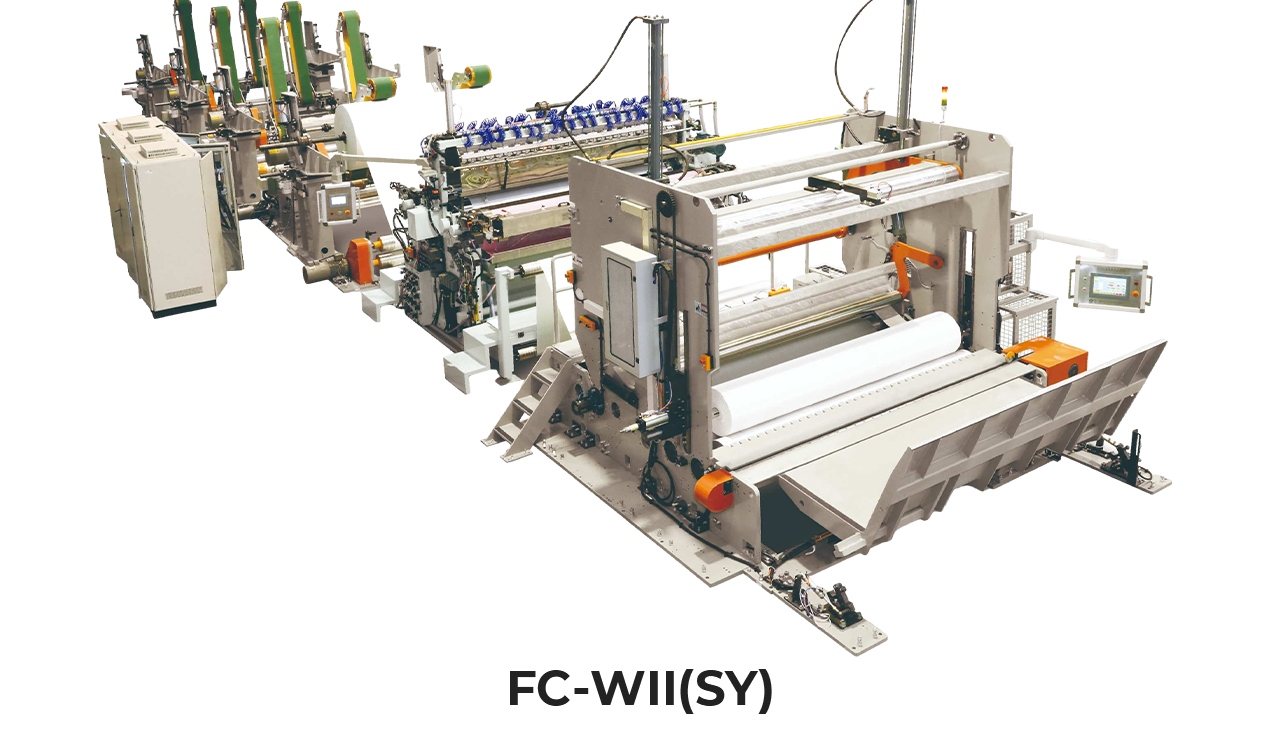
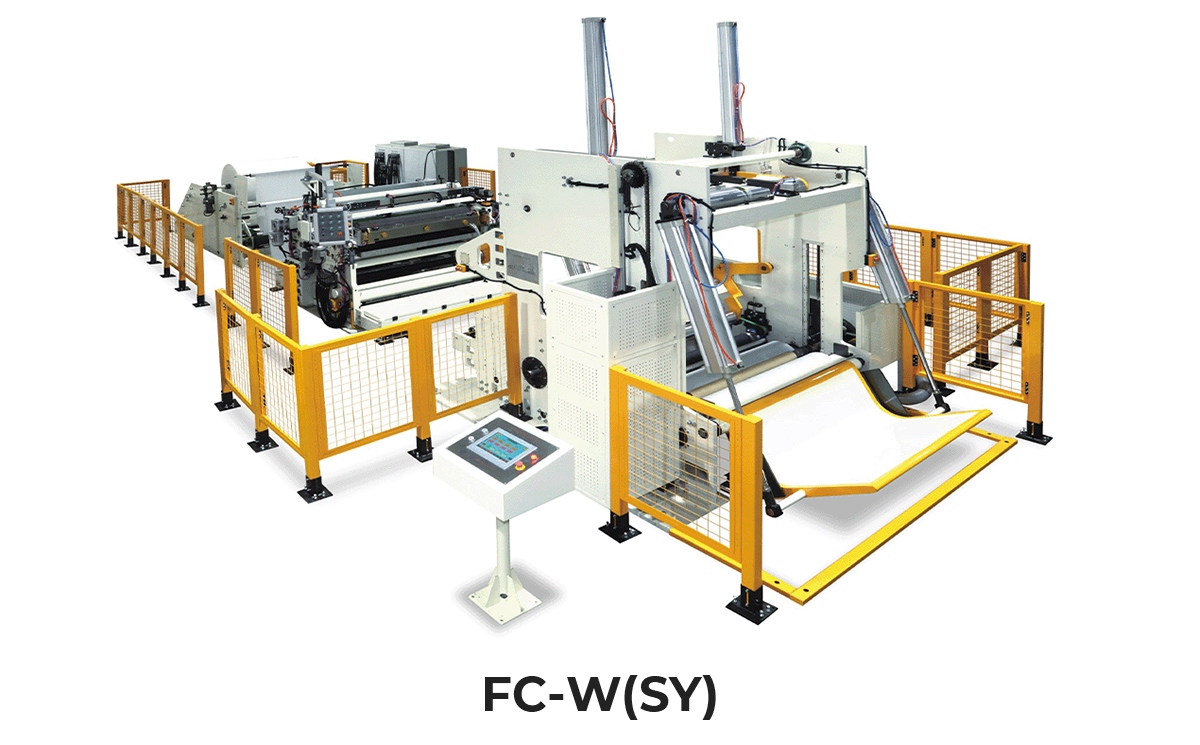
FC-W(SY) Toilet Paper Embosser
5. You Need Higher Automation Levels
Labor costs and production consistency are driving more manufacturers toward automation.
A customized tissue converting line can integrate:
Automatic core feeding
Automatic roll transfer
Automatic wrapping
Automatic counting
Automatic palletizing
PLC control systems
This helps manufacturers achieve:
Lower labor dependency
More consistent product quality
Faster production cycles
Reduced manual handling
Factories producing large volumes often find automation customization more valuable than simply purchasing a faster individual machine.
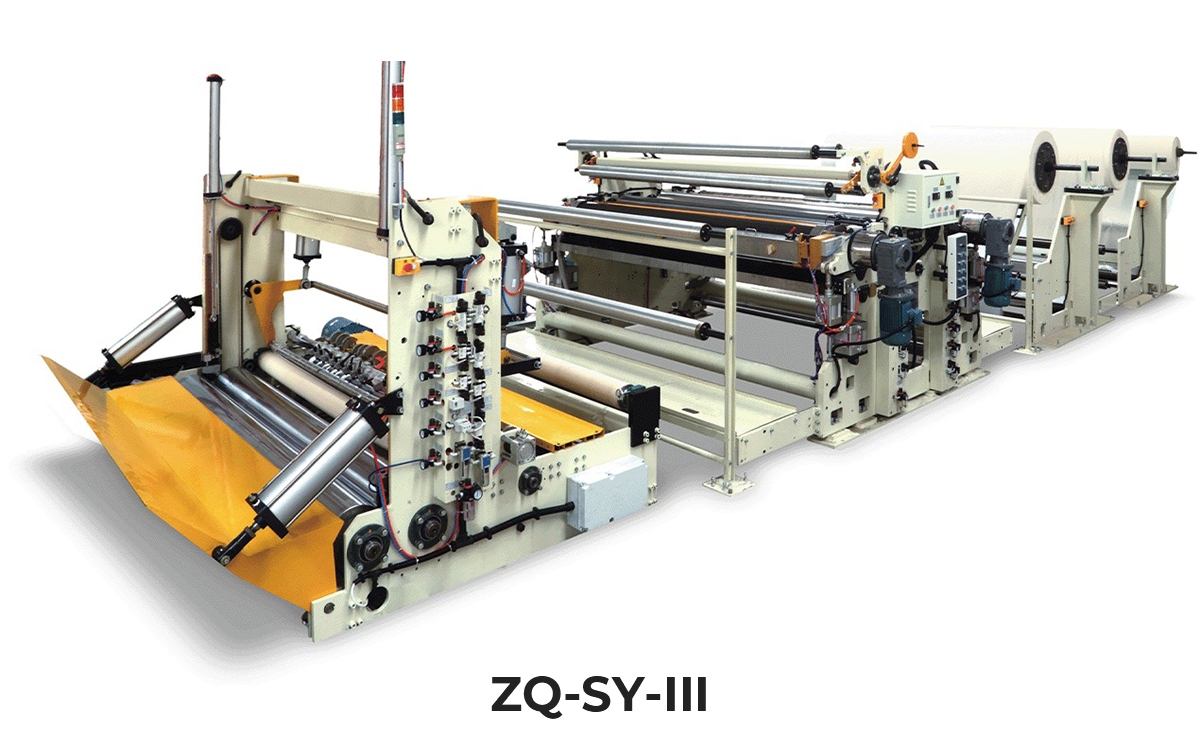
ZQ-SY-III Tissue Lotion Machine
6. You Need Integration With Existing Equipment
Many established tissue factories already have production equipment but need upgrades.
A customized solution can connect with existing systems such as:
Jumbo roll stands
Rewinders
Log saw machines
Packaging machines
Conveyors
Palletizing systems
Instead of replacing an entire production line, manufacturers can improve efficiency through targeted upgrades.
Examples include:
Adding automatic packaging after an existing rewinder
Connecting conveyors between production stages
Upgrading manual processes into automated systems
7. You Manufacture for Specific Markets or Customers
Different markets often have different tissue requirements.
Customization may be necessary when supplying:
Supermarkets
Hotels
Restaurants
Healthcare facilities
Export markets
Примеры:
Hospitality customers may require:
Private label packaging
Specific roll sizes
Premium appearance
Institutional buyers may require:
High-volume production
Standardized dimensions
Cost-efficient packaging
A customized machine allows manufacturers to match customer requirements more accurately.
Standard Tissue Machine vs Customized Tissue Converting Machine
Factor
Standard Machine
Customized Machine
Initial investment
Lower
Higher
Installation
Faster
Requires engineering
Product flexibility
Limited
High
Capacity adjustment
Limited options
Designed around needs
Factory integration
Basic
Optimized
Automation options
Standard
Expandable
Suitable for
General production
Specific requirements
When Should You Not Choose a Customized Machine?
Customization is not always the best choice.
A standard machine may be more suitable if:
You produce common tissue products
Your required capacity is moderate
Your product specifications are simple
Your factory layout does not create limitations
You need faster installation
The goal is not to customize everything, but to customize where it creates measurable production value.
How to Work With a Tissue Converting Machine Manufacturer on Customization
Before designing a customized solution, manufacturers should prepare:
Product Information
Tissue type
Roll or sheet dimensions
GSM requirements
Embossing requirements
Packaging format
Production Requirements
Target output
Working hours
Future expansion plans
Factory Conditions
Available space
Existing equipment
Power supply
Material flow
Automation Goals
Manual processes to replace
Required packaging automation
Labor reduction targets
A professional tissue machine manufacturer can then recommend the most suitable configuration.
Conclusion: Customization Should Solve a Production Challenge
A customized tissue converting machine is not simply a more advanced version of standard equipment. It is a solution designed around specific manufacturing requirements.
Factories should consider customization when they need greater product flexibility, higher automation, better space utilization, special product specifications, or integration with existing systems.
By working with an experienced tissue converting equipment manufacturer, businesses can build a production line that supports current demand while allowing future growth.
ДеЧанЮ provides customized tissue converting solutions designed around different product requirements, production capacities, and factory conditions. From individual machines to complete automated tissue production lines, our engineering team helps manufacturers select the right configuration for efficient and reliable production. Contact us now to see how we can help with your tissue production line.




 English
 Español
 العربية
 Português do Brasil
 Русский