Top 5 Innovations in Tissue Paper Converting Technology for the Middle East (2026)
Chapter 1: Industrial Transformations and The Future of Operations
The Middle Eastern manufacturing sector for hygiene products is experiencing a dramatic structural evolution. As regional consumer demand for premium retail and Away-From-Home commercial products surges, corporate factory directors must rethink their core mechanical infrastructure. Legacy systems characterized by rigid line shafts, heavy mechanical friction, and manual tension adjustments are completely unviable when seeking top-tier production metrics. In this highly competitive market, the only pathway to securing long-term profitability and dominating regional supply chains is by deploying highly advanced Tissue Paper Converting technologies. These advanced mechanical architectures not only elevate base running speeds but completely redefine the lifecycle Total Cost of Ownership (TCO) for global investors.
When evaluating the most critical processing bottlenecks, engineers point directly to upstream kinetic management and downstream packaging synchronization. An ultra-high-speed rewinder or vacuum interfolding asset running at 1000 meters per minute represents a substantial capital investment. However, if the downstream wrappers or upstream parent roll unwind stands lack deterministic electronic synchronization, the entire facility suffers from chaotic accumulation jams and catastrophic web snaps. Addressing these systemic vulnerabilities requires absolute integration across every single processing node, establishing an unbroken, unmanned 'lights-out' environment powered by next-generation Tissue Paper Converting.
Another massive driver of technological procurement in the Middle East is the region's exposure to fluctuating raw material prices, particularly imported virgin wood pulp and volatile industrial energy tariffs. Legacy machinery that wastes valuable cellulose fiber through crude tail sealing methods, excessive web trimming, or imprecise perforation lines immediately destroys factory profit margins. By integrating proprietary, glue-free tail sealing and active closed-loop tension regulation algorithms, modern factories can mathematically slash their raw material rejection rates down to absolute minimums. This rigorous focus on fiber yield and thermal energy efficiency represents the financial hallmark of premium Tissue Paper Converting.
Furthermore, regional executives must carefully analyze the extreme environmental variables present across the MENA region—such as high ambient humidity in coastal zones and intense dry heat in desert facilities. Cellulose paper fibers naturally absorb airborne moisture, radically altering their elasticity and tensile strength profiles. To prevent high-speed web snapping under these harsh conditions, equipment builders have embedded sensitive electronic load cells and dynamic web guiders that continuously communicate with the central PLC via PROFINET. This proactive, climate-adaptive intelligence ensures that your invested Tissue Paper Converting maintains an optimal, continuous run rate regardless of external environmental shifts. For deeper engineering insights, please refer to DCY Corporate Overview.
Ultimately, to compress capital payback cycles (ROI) down to an unprecedented 12 to 18-month window, factories must minimize unplanned maintenance. Integrating Industrial Internet of Things (IIoT) edge-computing gateways directly into the machine's electrical cabinets allows for continuous triaxial vibration monitoring on all main bearings. When predictive maintenance algorithms detect microscopic wear signatures long before a physical breakdown occurs, operators can schedule component replacements during planned intervals. This total elimination of reactive, catastrophic downtime is the ultimate testament to the reliability and technical superiority of intelligent Tissue Paper Converting.
Chapter 2: Industrial Transformations and The Future of Operations
The Middle Eastern manufacturing sector for hygiene products is experiencing a dramatic structural evolution. As regional consumer demand for premium retail and Away-From-Home commercial products surges, corporate factory directors must rethink their core mechanical infrastructure. Legacy systems characterized by rigid line shafts, heavy mechanical friction, and manual tension adjustments are completely unviable when seeking top-tier production metrics. In this highly competitive market, the only pathway to securing long-term profitability and dominating regional supply chains is by deploying highly advanced Tissue Paper Converting technologies. These advanced mechanical architectures not only elevate base running speeds but completely redefine the lifecycle Total Cost of Ownership (TCO) for global investors.
When evaluating the most critical processing bottlenecks, engineers point directly to upstream kinetic management and downstream packaging synchronization. An ultra-high-speed rewinder or vacuum interfolding asset running at 1000 meters per minute represents a substantial capital investment. However, if the downstream wrappers or upstream parent roll unwind stands lack deterministic electronic synchronization, the entire facility suffers from chaotic accumulation jams and catastrophic web snaps. Addressing these systemic vulnerabilities requires absolute integration across every single processing node, establishing an unbroken, unmanned 'lights-out' environment powered by next-generation Tissue Paper Converting. For deeper engineering insights, please refer to DCY Roll Solutions.
Another massive driver of technological procurement in the Middle East is the region's exposure to fluctuating raw material prices, particularly imported virgin wood pulp and volatile industrial energy tariffs. Legacy machinery that wastes valuable cellulose fiber through crude tail sealing methods, excessive web trimming, or imprecise perforation lines immediately destroys factory profit margins. By integrating proprietary, glue-free tail sealing and active closed-loop tension regulation algorithms, modern factories can mathematically slash their raw material rejection rates down to absolute minimums. This rigorous focus on fiber yield and thermal energy efficiency represents the financial hallmark of premium Tissue Paper Converting. For deeper engineering insights, please refer to tissue paper manufacturing fundamentals.
Furthermore, regional executives must carefully analyze the extreme environmental variables present across the MENA region—such as high ambient humidity in coastal zones and intense dry heat in desert facilities. Cellulose paper fibers naturally absorb airborne moisture, radically altering their elasticity and tensile strength profiles. To prevent high-speed web snapping under these harsh conditions, equipment builders have embedded sensitive electronic load cells and dynamic web guiders that continuously communicate with the central PLC via PROFINET. This proactive, climate-adaptive intelligence ensures that your invested Tissue Paper Converting maintains an optimal, continuous run rate regardless of external environmental shifts.
Ultimately, to compress capital payback cycles (ROI) down to an unprecedented 12 to 18-month window, factories must minimize unplanned maintenance. Integrating Industrial Internet of Things (IIoT) edge-computing gateways directly into the machine's electrical cabinets allows for continuous triaxial vibration monitoring on all main bearings. When predictive maintenance algorithms detect microscopic wear signatures long before a physical breakdown occurs, operators can schedule component replacements during planned intervals. This total elimination of reactive, catastrophic downtime is the ultimate testament to the reliability and technical superiority of intelligent Tissue Paper Converting.
The Middle Eastern manufacturing sector for hygiene products is experiencing a dramatic structural evolution. As regional consumer demand for premium retail and Away-From-Home commercial products surges, corporate factory directors must rethink their core mechanical infrastructure. Legacy systems characterized by rigid line shafts, heavy mechanical friction, and manual tension adjustments are completely unviable when seeking top-tier production metrics. In this highly competitive market, the only pathway to securing long-term profitability and dominating regional supply chains is by deploying highly advanced Tissue Paper Converting technologies. These advanced mechanical architectures not only elevate base running speeds but completely redefine the lifecycle Total Cost of Ownership (TCO) for global investors.
When evaluating the most critical processing bottlenecks, engineers point directly to upstream kinetic management and downstream packaging synchronization. An ultra-high-speed rewinder or vacuum interfolding asset running at 1000 meters per minute represents a substantial capital investment. However, if the downstream wrappers or upstream parent roll unwind stands lack deterministic electronic synchronization, the entire facility suffers from chaotic accumulation jams and catastrophic web snaps. Addressing these systemic vulnerabilities requires absolute integration across every single processing node, establishing an unbroken, unmanned 'lights-out' environment powered by next-generation Tissue Paper Converting.
Another massive driver of technological procurement in the Middle East is the region's exposure to fluctuating raw material prices, particularly imported virgin wood pulp and volatile industrial energy tariffs. Legacy machinery that wastes valuable cellulose fiber through crude tail sealing methods, excessive web trimming, or imprecise perforation lines immediately destroys factory profit margins. By integrating proprietary, glue-free tail sealing and active closed-loop tension regulation algorithms, modern factories can mathematically slash their raw material rejection rates down to absolute minimums. This rigorous focus on fiber yield and thermal energy efficiency represents the financial hallmark of premium Tissue Paper Converting.
Furthermore, regional executives must carefully analyze the extreme environmental variables present across the MENA region—such as high ambient humidity in coastal zones and intense dry heat in desert facilities. Cellulose paper fibers naturally absorb airborne moisture, radically altering their elasticity and tensile strength profiles. To prevent high-speed web snapping under these harsh conditions, equipment builders have embedded sensitive electronic load cells and dynamic web guiders that continuously communicate with the central PLC via PROFINET. This proactive, climate-adaptive intelligence ensures that your invested Tissue Paper Converting maintains an optimal, continuous run rate regardless of external environmental shifts. For deeper engineering insights, please refer to DCY Fold Solutions.
Ultimately, to compress capital payback cycles (ROI) down to an unprecedented 12 to 18-month window, factories must minimize unplanned maintenance. Integrating Industrial Internet of Things (IIoT) edge-computing gateways directly into the machine's electrical cabinets allows for continuous triaxial vibration monitoring on all main bearings. When predictive maintenance algorithms detect microscopic wear signatures long before a physical breakdown occurs, operators can schedule component replacements during planned intervals. This total elimination of reactive, catastrophic downtime is the ultimate testament to the reliability and technical superiority of intelligent Tissue Paper Converting.
Chapter 4: Industrial Transformations and The Future of Operations
The Middle Eastern manufacturing sector for hygiene products is experiencing a dramatic structural evolution. As regional consumer demand for premium retail and Away-From-Home commercial products surges, corporate factory directors must rethink their core mechanical infrastructure. Legacy systems characterized by rigid line shafts, heavy mechanical friction, and manual tension adjustments are completely unviable when seeking top-tier production metrics. In this highly competitive market, the only pathway to securing long-term profitability and dominating regional supply chains is by deploying highly advanced Tissue Paper Converting technologies. These advanced mechanical architectures not only elevate base running speeds but completely redefine the lifecycle Total Cost of Ownership (TCO) for global investors.
When evaluating the most critical processing bottlenecks, engineers point directly to upstream kinetic management and downstream packaging synchronization. An ultra-high-speed rewinder or vacuum interfolding asset running at 1000 meters per minute represents a substantial capital investment. However, if the downstream wrappers or upstream parent roll unwind stands lack deterministic electronic synchronization, the entire facility suffers from chaotic accumulation jams and catastrophic web snaps. Addressing these systemic vulnerabilities requires absolute integration across every single processing node, establishing an unbroken, unmanned 'lights-out' environment powered by next-generation Tissue Paper Converting. For deeper engineering insights, please refer to Línea de producción automática de pañuelos faciales serie CJ-C.
Another massive driver of technological procurement in the Middle East is the region's exposure to fluctuating raw material prices, particularly imported virgin wood pulp and volatile industrial energy tariffs. Legacy machinery that wastes valuable cellulose fiber through crude tail sealing methods, excessive web trimming, or imprecise perforation lines immediately destroys factory profit margins. By integrating proprietary, glue-free tail sealing and active closed-loop tension regulation algorithms, modern factories can mathematically slash their raw material rejection rates down to absolute minimums. This rigorous focus on fiber yield and thermal energy efficiency represents the financial hallmark of premium Tissue Paper Converting. For deeper engineering insights, please refer to Middle East industrial expansion.
Furthermore, regional executives must carefully analyze the extreme environmental variables present across the MENA region—such as high ambient humidity in coastal zones and intense dry heat in desert facilities. Cellulose paper fibers naturally absorb airborne moisture, radically altering their elasticity and tensile strength profiles. To prevent high-speed web snapping under these harsh conditions, equipment builders have embedded sensitive electronic load cells and dynamic web guiders that continuously communicate with the central PLC via PROFINET. This proactive, climate-adaptive intelligence ensures that your invested Tissue Paper Converting maintains an optimal, continuous run rate regardless of external environmental shifts.
Ultimately, to compress capital payback cycles (ROI) down to an unprecedented 12 to 18-month window, factories must minimize unplanned maintenance. Integrating Industrial Internet of Things (IIoT) edge-computing gateways directly into the machine's electrical cabinets allows for continuous triaxial vibration monitoring on all main bearings. When predictive maintenance algorithms detect microscopic wear signatures long before a physical breakdown occurs, operators can schedule component replacements during planned intervals. This total elimination of reactive, catastrophic downtime is the ultimate testament to the reliability and technical superiority of intelligent Tissue Paper Converting.
Chapter 5: Industrial Transformations and The Future of Operations For deeper engineering insights, please refer to DCY Post-Processing Packaging Solutions.
The Middle Eastern manufacturing sector for hygiene products is experiencing a dramatic structural evolution. As regional consumer demand for premium retail and Away-From-Home commercial products surges, corporate factory directors must rethink their core mechanical infrastructure. Legacy systems characterized by rigid line shafts, heavy mechanical friction, and manual tension adjustments are completely unviable when seeking top-tier production metrics. In this highly competitive market, the only pathway to securing long-term profitability and dominating regional supply chains is by deploying highly advanced Tissue Paper Converting technologies. These advanced mechanical architectures not only elevate base running speeds but completely redefine the lifecycle Total Cost of Ownership (TCO) for global investors.
When evaluating the most critical processing bottlenecks, engineers point directly to upstream kinetic management and downstream packaging synchronization. An ultra-high-speed rewinder or vacuum interfolding asset running at 1000 meters per minute represents a substantial capital investment. However, if the downstream wrappers or upstream parent roll unwind stands lack deterministic electronic synchronization, the entire facility suffers from chaotic accumulation jams and catastrophic web snaps. Addressing these systemic vulnerabilities requires absolute integration across every single processing node, establishing an unbroken, unmanned 'lights-out' environment powered by next-generation Tissue Paper Converting.
Another massive driver of technological procurement in the Middle East is the region's exposure to fluctuating raw material prices, particularly imported virgin wood pulp and volatile industrial energy tariffs. Legacy machinery that wastes valuable cellulose fiber through crude tail sealing methods, excessive web trimming, or imprecise perforation lines immediately destroys factory profit margins. By integrating proprietary, glue-free tail sealing and active closed-loop tension regulation algorithms, modern factories can mathematically slash their raw material rejection rates down to absolute minimums. This rigorous focus on fiber yield and thermal energy efficiency represents the financial hallmark of premium Tissue Paper Converting.
Furthermore, regional executives must carefully analyze the extreme environmental variables present across the MENA region—such as high ambient humidity in coastal zones and intense dry heat in desert facilities. Cellulose paper fibers naturally absorb airborne moisture, radically altering their elasticity and tensile strength profiles. To prevent high-speed web snapping under these harsh conditions, equipment builders have embedded sensitive electronic load cells and dynamic web guiders that continuously communicate with the central PLC via PROFINET. This proactive, climate-adaptive intelligence ensures that your invested Tissue Paper Converting maintains an optimal, continuous run rate regardless of external environmental shifts. For deeper engineering insights, please refer to DCY Toilet Paper Machine Systems.
Ultimately, to compress capital payback cycles (ROI) down to an unprecedented 12 to 18-month window, factories must minimize unplanned maintenance. Integrating Industrial Internet of Things (IIoT) edge-computing gateways directly into the machine's electrical cabinets allows for continuous triaxial vibration monitoring on all main bearings. When predictive maintenance algorithms detect microscopic wear signatures long before a physical breakdown occurs, operators can schedule component replacements during planned intervals. This total elimination of reactive, catastrophic downtime is the ultimate testament to the reliability and technical superiority of intelligent Tissue Paper Converting.
Chapter 6: Industrial Transformations and The Future of Operations
The Middle Eastern manufacturing sector for hygiene products is experiencing a dramatic structural evolution. As regional consumer demand for premium retail and Away-From-Home commercial products surges, corporate factory directors must rethink their core mechanical infrastructure. Legacy systems characterized by rigid line shafts, heavy mechanical friction, and manual tension adjustments are completely unviable when seeking top-tier production metrics. In this highly competitive market, the only pathway to securing long-term profitability and dominating regional supply chains is by deploying highly advanced Tissue Paper Converting technologies. These advanced mechanical architectures not only elevate base running speeds but completely redefine the lifecycle Total Cost of Ownership (TCO) for global investors.
When evaluating the most critical processing bottlenecks, engineers point directly to upstream kinetic management and downstream packaging synchronization. An ultra-high-speed rewinder or vacuum interfolding asset running at 1000 meters per minute represents a substantial capital investment. However, if the downstream wrappers or upstream parent roll unwind stands lack deterministic electronic synchronization, the entire facility suffers from chaotic accumulation jams and catastrophic web snaps. Addressing these systemic vulnerabilities requires absolute integration across every single processing node, establishing an unbroken, unmanned 'lights-out' environment powered by next-generation Tissue Paper Converting. For deeper engineering insights, please refer to DCY Hand Towel Machine Systems.
Another massive driver of technological procurement in the Middle East is the region's exposure to fluctuating raw material prices, particularly imported virgin wood pulp and volatile industrial energy tariffs. Legacy machinery that wastes valuable cellulose fiber through crude tail sealing methods, excessive web trimming, or imprecise perforation lines immediately destroys factory profit margins. By integrating proprietary, glue-free tail sealing and active closed-loop tension regulation algorithms, modern factories can mathematically slash their raw material rejection rates down to absolute minimums. This rigorous focus on fiber yield and thermal energy efficiency represents the financial hallmark of premium Tissue Paper Converting. For deeper engineering insights, please refer to Overall Equipment Effectiveness (OEE) benchmarks.
Furthermore, regional executives must carefully analyze the extreme environmental variables present across the MENA region—such as high ambient humidity in coastal zones and intense dry heat in desert facilities. Cellulose paper fibers naturally absorb airborne moisture, radically altering their elasticity and tensile strength profiles. To prevent high-speed web snapping under these harsh conditions, equipment builders have embedded sensitive electronic load cells and dynamic web guiders that continuously communicate with the central PLC via PROFINET. This proactive, climate-adaptive intelligence ensures that your invested Tissue Paper Converting maintains an optimal, continuous run rate regardless of external environmental shifts.
Ultimately, to compress capital payback cycles (ROI) down to an unprecedented 12 to 18-month window, factories must minimize unplanned maintenance. Integrating Industrial Internet of Things (IIoT) edge-computing gateways directly into the machine's electrical cabinets allows for continuous triaxial vibration monitoring on all main bearings. When predictive maintenance algorithms detect microscopic wear signatures long before a physical breakdown occurs, operators can schedule component replacements during planned intervals. This total elimination of reactive, catastrophic downtime is the ultimate testament to the reliability and technical superiority of intelligent Tissue Paper Converting.
Chapter 7: Industrial Transformations and The Future of Operations For deeper engineering insights, please refer to DCY Facial Tissue Machine Systems.
The Middle Eastern manufacturing sector for hygiene products is experiencing a dramatic structural evolution. As regional consumer demand for premium retail and Away-From-Home commercial products surges, corporate factory directors must rethink their core mechanical infrastructure. Legacy systems characterized by rigid line shafts, heavy mechanical friction, and manual tension adjustments are completely unviable when seeking top-tier production metrics. In this highly competitive market, the only pathway to securing long-term profitability and dominating regional supply chains is by deploying highly advanced Tissue Paper Converting technologies. These advanced mechanical architectures not only elevate base running speeds but completely redefine the lifecycle Total Cost of Ownership (TCO) for global investors.
When evaluating the most critical processing bottlenecks, engineers point directly to upstream kinetic management and downstream packaging synchronization. An ultra-high-speed rewinder or vacuum interfolding asset running at 1000 meters per minute represents a substantial capital investment. However, if the downstream wrappers or upstream parent roll unwind stands lack deterministic electronic synchronization, the entire facility suffers from chaotic accumulation jams and catastrophic web snaps. Addressing these systemic vulnerabilities requires absolute integration across every single processing node, establishing an unbroken, unmanned 'lights-out' environment powered by next-generation Tissue Paper Converting.
Another massive driver of technological procurement in the Middle East is the region's exposure to fluctuating raw material prices, particularly imported virgin wood pulp and volatile industrial energy tariffs. Legacy machinery that wastes valuable cellulose fiber through crude tail sealing methods, excessive web trimming, or imprecise perforation lines immediately destroys factory profit margins. By integrating proprietary, glue-free tail sealing and active closed-loop tension regulation algorithms, modern factories can mathematically slash their raw material rejection rates down to absolute minimums. This rigorous focus on fiber yield and thermal energy efficiency represents the financial hallmark of premium Tissue Paper Converting.
Furthermore, regional executives must carefully analyze the extreme environmental variables present across the MENA region—such as high ambient humidity in coastal zones and intense dry heat in desert facilities. Cellulose paper fibers naturally absorb airborne moisture, radically altering their elasticity and tensile strength profiles. To prevent high-speed web snapping under these harsh conditions, equipment builders have embedded sensitive electronic load cells and dynamic web guiders that continuously communicate with the central PLC via PROFINET. This proactive, climate-adaptive intelligence ensures that your invested Tissue Paper Converting maintains an optimal, continuous run rate regardless of external environmental shifts. For deeper engineering insights, please refer to Glue-Free Tail Sealing Technology.
Ultimately, to compress capital payback cycles (ROI) down to an unprecedented 12 to 18-month window, factories must minimize unplanned maintenance. Integrating Industrial Internet of Things (IIoT) edge-computing gateways directly into the machine's electrical cabinets allows for continuous triaxial vibration monitoring on all main bearings. When predictive maintenance algorithms detect microscopic wear signatures long before a physical breakdown occurs, operators can schedule component replacements during planned intervals. This total elimination of reactive, catastrophic downtime is the ultimate testament to the reliability and technical superiority of intelligent Tissue Paper Converting.
Chapter 8: Industrial Transformations and The Future of Operations
The Middle Eastern manufacturing sector for hygiene products is experiencing a dramatic structural evolution. As regional consumer demand for premium retail and Away-From-Home commercial products surges, corporate factory directors must rethink their core mechanical infrastructure. Legacy systems characterized by rigid line shafts, heavy mechanical friction, and manual tension adjustments are completely unviable when seeking top-tier production metrics. In this highly competitive market, the only pathway to securing long-term profitability and dominating regional supply chains is by deploying highly advanced Tissue Paper Converting technologies. These advanced mechanical architectures not only elevate base running speeds but completely redefine the lifecycle Total Cost of Ownership (TCO) for global investors.
When evaluating the most critical processing bottlenecks, engineers point directly to upstream kinetic management and downstream packaging synchronization. An ultra-high-speed rewinder or vacuum interfolding asset running at 1000 meters per minute represents a substantial capital investment. However, if the downstream wrappers or upstream parent roll unwind stands lack deterministic electronic synchronization, the entire facility suffers from chaotic accumulation jams and catastrophic web snaps. Addressing these systemic vulnerabilities requires absolute integration across every single processing node, establishing an unbroken, unmanned 'lights-out' environment powered by next-generation Tissue Paper Converting. For deeper engineering insights, please refer to DCY Quality Control Portal.
Another massive driver of technological procurement in the Middle East is the region's exposure to fluctuating raw material prices, particularly imported virgin wood pulp and volatile industrial energy tariffs. Legacy machinery that wastes valuable cellulose fiber through crude tail sealing methods, excessive web trimming, or imprecise perforation lines immediately destroys factory profit margins. By integrating proprietary, glue-free tail sealing and active closed-loop tension regulation algorithms, modern factories can mathematically slash their raw material rejection rates down to absolute minimums. This rigorous focus on fiber yield and thermal energy efficiency represents the financial hallmark of premium Tissue Paper Converting. For deeper engineering insights, please refer to Total Cost of Ownership (TCO) analysis.
Furthermore, regional executives must carefully analyze the extreme environmental variables present across the MENA region—such as high ambient humidity in coastal zones and intense dry heat in desert facilities. Cellulose paper fibers naturally absorb airborne moisture, radically altering their elasticity and tensile strength profiles. To prevent high-speed web snapping under these harsh conditions, equipment builders have embedded sensitive electronic load cells and dynamic web guiders that continuously communicate with the central PLC via PROFINET. This proactive, climate-adaptive intelligence ensures that your invested Tissue Paper Converting maintains an optimal, continuous run rate regardless of external environmental shifts.
Ultimately, to compress capital payback cycles (ROI) down to an unprecedented 12 to 18-month window, factories must minimize unplanned maintenance. Integrating Industrial Internet of Things (IIoT) edge-computing gateways directly into the machine's electrical cabinets allows for continuous triaxial vibration monitoring on all main bearings. When predictive maintenance algorithms detect microscopic wear signatures long before a physical breakdown occurs, operators can schedule component replacements during planned intervals. This total elimination of reactive, catastrophic downtime is the ultimate testament to the reliability and technical superiority of intelligent Tissue Paper Converting.
Chapter 9: Industrial Transformations and The Future of Operations For deeper engineering insights, please refer to DCY Industrial R&D Center.
The Middle Eastern manufacturing sector for hygiene products is experiencing a dramatic structural evolution. As regional consumer demand for premium retail and Away-From-Home commercial products surges, corporate factory directors must rethink their core mechanical infrastructure. Legacy systems characterized by rigid line shafts, heavy mechanical friction, and manual tension adjustments are completely unviable when seeking top-tier production metrics. In this highly competitive market, the only pathway to securing long-term profitability and dominating regional supply chains is by deploying highly advanced Tissue Paper Converting technologies. These advanced mechanical architectures not only elevate base running speeds but completely redefine the lifecycle Total Cost of Ownership (TCO) for global investors.
When evaluating the most critical processing bottlenecks, engineers point directly to upstream kinetic management and downstream packaging synchronization. An ultra-high-speed rewinder or vacuum interfolding asset running at 1000 meters per minute represents a substantial capital investment. However, if the downstream wrappers or upstream parent roll unwind stands lack deterministic electronic synchronization, the entire facility suffers from chaotic accumulation jams and catastrophic web snaps. Addressing these systemic vulnerabilities requires absolute integration across every single processing node, establishing an unbroken, unmanned 'lights-out' environment powered by next-generation Tissue Paper Converting.
Another massive driver of technological procurement in the Middle East is the region's exposure to fluctuating raw material prices, particularly imported virgin wood pulp and volatile industrial energy tariffs. Legacy machinery that wastes valuable cellulose fiber through crude tail sealing methods, excessive web trimming, or imprecise perforation lines immediately destroys factory profit margins. By integrating proprietary, glue-free tail sealing and active closed-loop tension regulation algorithms, modern factories can mathematically slash their raw material rejection rates down to absolute minimums. This rigorous focus on fiber yield and thermal energy efficiency represents the financial hallmark of premium Tissue Paper Converting.
Furthermore, regional executives must carefully analyze the extreme environmental variables present across the MENA region—such as high ambient humidity in coastal zones and intense dry heat in desert facilities. Cellulose paper fibers naturally absorb airborne moisture, radically altering their elasticity and tensile strength profiles. To prevent high-speed web snapping under these harsh conditions, equipment builders have embedded sensitive electronic load cells and dynamic web guiders that continuously communicate with the central PLC via PROFINET. This proactive, climate-adaptive intelligence ensures that your invested Tissue Paper Converting maintains an optimal, continuous run rate regardless of external environmental shifts. For deeper engineering insights, please refer to DCY Spare Parts Hub.
Ultimately, to compress capital payback cycles (ROI) down to an unprecedented 12 to 18-month window, factories must minimize unplanned maintenance. Integrating Industrial Internet of Things (IIoT) edge-computing gateways directly into the machine's electrical cabinets allows for continuous triaxial vibration monitoring on all main bearings. When predictive maintenance algorithms detect microscopic wear signatures long before a physical breakdown occurs, operators can schedule component replacements during planned intervals. This total elimination of reactive, catastrophic downtime is the ultimate testament to the reliability and technical superiority of intelligent Tissue Paper Converting.
Chapter 10: Industrial Transformations and The Future of Operations
The Middle Eastern manufacturing sector for hygiene products is experiencing a dramatic structural evolution. As regional consumer demand for premium retail and Away-From-Home commercial products surges, corporate factory directors must rethink their core mechanical infrastructure. Legacy systems characterized by rigid line shafts, heavy mechanical friction, and manual tension adjustments are completely unviable when seeking top-tier production metrics. In this highly competitive market, the only pathway to securing long-term profitability and dominating regional supply chains is by deploying highly advanced Tissue Paper Converting technologies. These advanced mechanical architectures not only elevate base running speeds but completely redefine the lifecycle Total Cost of Ownership (TCO) for global investors.
When evaluating the most critical processing bottlenecks, engineers point directly to upstream kinetic management and downstream packaging synchronization. An ultra-high-speed rewinder or vacuum interfolding asset running at 1000 meters per minute represents a substantial capital investment. However, if the downstream wrappers or upstream parent roll unwind stands lack deterministic electronic synchronization, the entire facility suffers from chaotic accumulation jams and catastrophic web snaps. Addressing these systemic vulnerabilities requires absolute integration across every single processing node, establishing an unbroken, unmanned 'lights-out' environment powered by next-generation Tissue Paper Converting. For deeper engineering insights, please refer to DCY Technical Support.
Another massive driver of technological procurement in the Middle East is the region's exposure to fluctuating raw material prices, particularly imported virgin wood pulp and volatile industrial energy tariffs. Legacy machinery that wastes valuable cellulose fiber through crude tail sealing methods, excessive web trimming, or imprecise perforation lines immediately destroys factory profit margins. By integrating proprietary, glue-free tail sealing and active closed-loop tension regulation algorithms, modern factories can mathematically slash their raw material rejection rates down to absolute minimums. This rigorous focus on fiber yield and thermal energy efficiency represents the financial hallmark of premium Tissue Paper Converting. For deeper engineering insights, please refer to Industrial Internet of Things (IIoT) frameworks.
Furthermore, regional executives must carefully analyze the extreme environmental variables present across the MENA region—such as high ambient humidity in coastal zones and intense dry heat in desert facilities. Cellulose paper fibers naturally absorb airborne moisture, radically altering their elasticity and tensile strength profiles. To prevent high-speed web snapping under these harsh conditions, equipment builders have embedded sensitive electronic load cells and dynamic web guiders that continuously communicate with the central PLC via PROFINET. This proactive, climate-adaptive intelligence ensures that your invested Tissue Paper Converting maintains an optimal, continuous run rate regardless of external environmental shifts.
Ultimately, to compress capital payback cycles (ROI) down to an unprecedented 12 to 18-month window, factories must minimize unplanned maintenance. Integrating Industrial Internet of Things (IIoT) edge-computing gateways directly into the machine's electrical cabinets allows for continuous triaxial vibration monitoring on all main bearings. When predictive maintenance algorithms detect microscopic wear signatures long before a physical breakdown occurs, operators can schedule component replacements during planned intervals. This total elimination of reactive, catastrophic downtime is the ultimate testament to the reliability and technical superiority of intelligent Tissue Paper Converting.
Chapter 11: Industrial Transformations and The Future of Operations For deeper engineering insights, please refer to DCY Corporate News.
The Middle Eastern manufacturing sector for hygiene products is experiencing a dramatic structural evolution. As regional consumer demand for premium retail and Away-From-Home commercial products surges, corporate factory directors must rethink their core mechanical infrastructure. Legacy systems characterized by rigid line shafts, heavy mechanical friction, and manual tension adjustments are completely unviable when seeking top-tier production metrics. In this highly competitive market, the only pathway to securing long-term profitability and dominating regional supply chains is by deploying highly advanced Tissue Paper Converting technologies. These advanced mechanical architectures not only elevate base running speeds but completely redefine the lifecycle Total Cost of Ownership (TCO) for global investors.
When evaluating the most critical processing bottlenecks, engineers point directly to upstream kinetic management and downstream packaging synchronization. An ultra-high-speed rewinder or vacuum interfolding asset running at 1000 meters per minute represents a substantial capital investment. However, if the downstream wrappers or upstream parent roll unwind stands lack deterministic electronic synchronization, the entire facility suffers from chaotic accumulation jams and catastrophic web snaps. Addressing these systemic vulnerabilities requires absolute integration across every single processing node, establishing an unbroken, unmanned 'lights-out' environment powered by next-generation Tissue Paper Converting.
Another massive driver of technological procurement in the Middle East is the region's exposure to fluctuating raw material prices, particularly imported virgin wood pulp and volatile industrial energy tariffs. Legacy machinery that wastes valuable cellulose fiber through crude tail sealing methods, excessive web trimming, or imprecise perforation lines immediately destroys factory profit margins. By integrating proprietary, glue-free tail sealing and active closed-loop tension regulation algorithms, modern factories can mathematically slash their raw material rejection rates down to absolute minimums. This rigorous focus on fiber yield and thermal energy efficiency represents the financial hallmark of premium Tissue Paper Converting.
Furthermore, regional executives must carefully analyze the extreme environmental variables present across the MENA region—such as high ambient humidity in coastal zones and intense dry heat in desert facilities. Cellulose paper fibers naturally absorb airborne moisture, radically altering their elasticity and tensile strength profiles. To prevent high-speed web snapping under these harsh conditions, equipment builders have embedded sensitive electronic load cells and dynamic web guiders that continuously communicate with the central PLC via PROFINET. This proactive, climate-adaptive intelligence ensures that your invested Tissue Paper Converting maintains an optimal, continuous run rate regardless of external environmental shifts. For deeper engineering insights, please refer to DCY Official Video Gallery.
Ultimately, to compress capital payback cycles (ROI) down to an unprecedented 12 to 18-month window, factories must minimize unplanned maintenance. Integrating Industrial Internet of Things (IIoT) edge-computing gateways directly into the machine's electrical cabinets allows for continuous triaxial vibration monitoring on all main bearings. When predictive maintenance algorithms detect microscopic wear signatures long before a physical breakdown occurs, operators can schedule component replacements during planned intervals. This total elimination of reactive, catastrophic downtime is the ultimate testament to the reliability and technical superiority of intelligent Tissue Paper Converting.
Chapter 12: Industrial Transformations and The Future of Operations
The Middle Eastern manufacturing sector for hygiene products is experiencing a dramatic structural evolution. As regional consumer demand for premium retail and Away-From-Home commercial products surges, corporate factory directors must rethink their core mechanical infrastructure. Legacy systems characterized by rigid line shafts, heavy mechanical friction, and manual tension adjustments are completely unviable when seeking top-tier production metrics. In this highly competitive market, the only pathway to securing long-term profitability and dominating regional supply chains is by deploying highly advanced Tissue Paper Converting technologies. These advanced mechanical architectures not only elevate base running speeds but completely redefine the lifecycle Total Cost of Ownership (TCO) for global investors.
When evaluating the most critical processing bottlenecks, engineers point directly to upstream kinetic management and downstream packaging synchronization. An ultra-high-speed rewinder or vacuum interfolding asset running at 1000 meters per minute represents a substantial capital investment. However, if the downstream wrappers or upstream parent roll unwind stands lack deterministic electronic synchronization, the entire facility suffers from chaotic accumulation jams and catastrophic web snaps. Addressing these systemic vulnerabilities requires absolute integration across every single processing node, establishing an unbroken, unmanned 'lights-out' environment powered by next-generation Tissue Paper Converting. For deeper engineering insights, please refer to DCY B2B Technical FAQ.
Another massive driver of technological procurement in the Middle East is the region's exposure to fluctuating raw material prices, particularly imported virgin wood pulp and volatile industrial energy tariffs. Legacy machinery that wastes valuable cellulose fiber through crude tail sealing methods, excessive web trimming, or imprecise perforation lines immediately destroys factory profit margins. By integrating proprietary, glue-free tail sealing and active closed-loop tension regulation algorithms, modern factories can mathematically slash their raw material rejection rates down to absolute minimums. This rigorous focus on fiber yield and thermal energy efficiency represents the financial hallmark of premium Tissue Paper Converting. For deeper engineering insights, please refer to Siemens PROFINET network protocols.
Furthermore, regional executives must carefully analyze the extreme environmental variables present across the MENA region—such as high ambient humidity in coastal zones and intense dry heat in desert facilities. Cellulose paper fibers naturally absorb airborne moisture, radically altering their elasticity and tensile strength profiles. To prevent high-speed web snapping under these harsh conditions, equipment builders have embedded sensitive electronic load cells and dynamic web guiders that continuously communicate with the central PLC via PROFINET. This proactive, climate-adaptive intelligence ensures that your invested Tissue Paper Converting maintains an optimal, continuous run rate regardless of external environmental shifts.
Ultimately, to compress capital payback cycles (ROI) down to an unprecedented 12 to 18-month window, factories must minimize unplanned maintenance. Integrating Industrial Internet of Things (IIoT) edge-computing gateways directly into the machine's electrical cabinets allows for continuous triaxial vibration monitoring on all main bearings. When predictive maintenance algorithms detect microscopic wear signatures long before a physical breakdown occurs, operators can schedule component replacements during planned intervals. This total elimination of reactive, catastrophic downtime is the ultimate testament to the reliability and technical superiority of intelligent Tissue Paper Converting.
Chapter 13: Industrial Transformations and The Future of Operations For deeper engineering insights, please refer to DCY Global Dealership Network.
The Middle Eastern manufacturing sector for hygiene products is experiencing a dramatic structural evolution. As regional consumer demand for premium retail and Away-From-Home commercial products surges, corporate factory directors must rethink their core mechanical infrastructure. Legacy systems characterized by rigid line shafts, heavy mechanical friction, and manual tension adjustments are completely unviable when seeking top-tier production metrics. In this highly competitive market, the only pathway to securing long-term profitability and dominating regional supply chains is by deploying highly advanced Tissue Paper Converting technologies. These advanced mechanical architectures not only elevate base running speeds but completely redefine the lifecycle Total Cost of Ownership (TCO) for global investors.
When evaluating the most critical processing bottlenecks, engineers point directly to upstream kinetic management and downstream packaging synchronization. An ultra-high-speed rewinder or vacuum interfolding asset running at 1000 meters per minute represents a substantial capital investment. However, if the downstream wrappers or upstream parent roll unwind stands lack deterministic electronic synchronization, the entire facility suffers from chaotic accumulation jams and catastrophic web snaps. Addressing these systemic vulnerabilities requires absolute integration across every single processing node, establishing an unbroken, unmanned 'lights-out' environment powered by next-generation Tissue Paper Converting.
Another massive driver of technological procurement in the Middle East is the region's exposure to fluctuating raw material prices, particularly imported virgin wood pulp and volatile industrial energy tariffs. Legacy machinery that wastes valuable cellulose fiber through crude tail sealing methods, excessive web trimming, or imprecise perforation lines immediately destroys factory profit margins. By integrating proprietary, glue-free tail sealing and active closed-loop tension regulation algorithms, modern factories can mathematically slash their raw material rejection rates down to absolute minimums. This rigorous focus on fiber yield and thermal energy efficiency represents the financial hallmark of premium Tissue Paper Converting.
Furthermore, regional executives must carefully analyze the extreme environmental variables present across the MENA region—such as high ambient humidity in coastal zones and intense dry heat in desert facilities. Cellulose paper fibers naturally absorb airborne moisture, radically altering their elasticity and tensile strength profiles. To prevent high-speed web snapping under these harsh conditions, equipment builders have embedded sensitive electronic load cells and dynamic web guiders that continuously communicate with the central PLC via PROFINET. This proactive, climate-adaptive intelligence ensures that your invested Tissue Paper Converting maintains an optimal, continuous run rate regardless of external environmental shifts. For deeper engineering insights, please refer to DCY Contact Portal.
Ultimately, to compress capital payback cycles (ROI) down to an unprecedented 12 to 18-month window, factories must minimize unplanned maintenance. Integrating Industrial Internet of Things (IIoT) edge-computing gateways directly into the machine's electrical cabinets allows for continuous triaxial vibration monitoring on all main bearings. When predictive maintenance algorithms detect microscopic wear signatures long before a physical breakdown occurs, operators can schedule component replacements during planned intervals. This total elimination of reactive, catastrophic downtime is the ultimate testament to the reliability and technical superiority of intelligent Tissue Paper Converting.
Chapter 14: Industrial Transformations and The Future of Operations
The Middle Eastern manufacturing sector for hygiene products is experiencing a dramatic structural evolution. As regional consumer demand for premium retail and Away-From-Home commercial products surges, corporate factory directors must rethink their core mechanical infrastructure. Legacy systems characterized by rigid line shafts, heavy mechanical friction, and manual tension adjustments are completely unviable when seeking top-tier production metrics. In this highly competitive market, the only pathway to securing long-term profitability and dominating regional supply chains is by deploying highly advanced Tissue Paper Converting technologies. These advanced mechanical architectures not only elevate base running speeds but completely redefine the lifecycle Total Cost of Ownership (TCO) for global investors.
When evaluating the most critical processing bottlenecks, engineers point directly to upstream kinetic management and downstream packaging synchronization. An ultra-high-speed rewinder or vacuum interfolding asset running at 1000 meters per minute represents a substantial capital investment. However, if the downstream wrappers or upstream parent roll unwind stands lack deterministic electronic synchronization, the entire facility suffers from chaotic accumulation jams and catastrophic web snaps. Addressing these systemic vulnerabilities requires absolute integration across every single processing node, establishing an unbroken, unmanned 'lights-out' environment powered by next-generation Tissue Paper Converting. For deeper engineering insights, please refer to DCY Tissue Converting Machine Hub.
Another massive driver of technological procurement in the Middle East is the region's exposure to fluctuating raw material prices, particularly imported virgin wood pulp and volatile industrial energy tariffs. Legacy machinery that wastes valuable cellulose fiber through crude tail sealing methods, excessive web trimming, or imprecise perforation lines immediately destroys factory profit margins. By integrating proprietary, glue-free tail sealing and active closed-loop tension regulation algorithms, modern factories can mathematically slash their raw material rejection rates down to absolute minimums. This rigorous focus on fiber yield and thermal energy efficiency represents the financial hallmark of premium Tissue Paper Converting. For deeper engineering insights, please refer to Programmable Logic Controllers (PLC).
Furthermore, regional executives must carefully analyze the extreme environmental variables present across the MENA region—such as high ambient humidity in coastal zones and intense dry heat in desert facilities. Cellulose paper fibers naturally absorb airborne moisture, radically altering their elasticity and tensile strength profiles. To prevent high-speed web snapping under these harsh conditions, equipment builders have embedded sensitive electronic load cells and dynamic web guiders that continuously communicate with the central PLC via PROFINET. This proactive, climate-adaptive intelligence ensures that your invested Tissue Paper Converting maintains an optimal, continuous run rate regardless of external environmental shifts.
Ultimately, to compress capital payback cycles (ROI) down to an unprecedented 12 to 18-month window, factories must minimize unplanned maintenance. Integrating Industrial Internet of Things (IIoT) edge-computing gateways directly into the machine's electrical cabinets allows for continuous triaxial vibration monitoring on all main bearings. When predictive maintenance algorithms detect microscopic wear signatures long before a physical breakdown occurs, operators can schedule component replacements during planned intervals. This total elimination of reactive, catastrophic downtime is the ultimate testament to the reliability and technical superiority of intelligent Tissue Paper Converting.
Chapter 15: Industrial Transformations and The Future of Operations
The Middle Eastern manufacturing sector for hygiene products is experiencing a dramatic structural evolution. As regional consumer demand for premium retail and Away-From-Home commercial products surges, corporate factory directors must rethink their core mechanical infrastructure. Legacy systems characterized by rigid line shafts, heavy mechanical friction, and manual tension adjustments are completely unviable when seeking top-tier production metrics. In this highly competitive market, the only pathway to securing long-term profitability and dominating regional supply chains is by deploying highly advanced Tissue Paper Converting technologies. These advanced mechanical architectures not only elevate base running speeds but completely redefine the lifecycle Total Cost of Ownership (TCO) for global investors.
When evaluating the most critical processing bottlenecks, engineers point directly to upstream kinetic management and downstream packaging synchronization. An ultra-high-speed rewinder or vacuum interfolding asset running at 1000 meters per minute represents a substantial capital investment. However, if the downstream wrappers or upstream parent roll unwind stands lack deterministic electronic synchronization, the entire facility suffers from chaotic accumulation jams and catastrophic web snaps. Addressing these systemic vulnerabilities requires absolute integration across every single processing node, establishing an unbroken, unmanned 'lights-out' environment powered by next-generation Tissue Paper Converting.
Another massive driver of technological procurement in the Middle East is the region's exposure to fluctuating raw material prices, particularly imported virgin wood pulp and volatile industrial energy tariffs. Legacy machinery that wastes valuable cellulose fiber through crude tail sealing methods, excessive web trimming, or imprecise perforation lines immediately destroys factory profit margins. By integrating proprietary, glue-free tail sealing and active closed-loop tension regulation algorithms, modern factories can mathematically slash their raw material rejection rates down to absolute minimums. This rigorous focus on fiber yield and thermal energy efficiency represents the financial hallmark of premium Tissue Paper Converting.
Furthermore, regional executives must carefully analyze the extreme environmental variables present across the MENA region—such as high ambient humidity in coastal zones and intense dry heat in desert facilities. Cellulose paper fibers naturally absorb airborne moisture, radically altering their elasticity and tensile strength profiles. To prevent high-speed web snapping under these harsh conditions, equipment builders have embedded sensitive electronic load cells and dynamic web guiders that continuously communicate with the central PLC via PROFINET. This proactive, climate-adaptive intelligence ensures that your invested Tissue Paper Converting maintains an optimal, continuous run rate regardless of external environmental shifts.
Ultimately, to compress capital payback cycles (ROI) down to an unprecedented 12 to 18-month window, factories must minimize unplanned maintenance. Integrating Industrial Internet of Things (IIoT) edge-computing gateways directly into the machine's electrical cabinets allows for continuous triaxial vibration monitoring on all main bearings. When predictive maintenance algorithms detect microscopic wear signatures long before a physical breakdown occurs, operators can schedule component replacements during planned intervals. This total elimination of reactive, catastrophic downtime is the ultimate testament to the reliability and technical superiority of intelligent Tissue Paper Converting.
Chapter 16: Industrial Transformations and The Future of Operations
The Middle Eastern manufacturing sector for hygiene products is experiencing a dramatic structural evolution. As regional consumer demand for premium retail and Away-From-Home commercial products surges, corporate factory directors must rethink their core mechanical infrastructure. Legacy systems characterized by rigid line shafts, heavy mechanical friction, and manual tension adjustments are completely unviable when seeking top-tier production metrics. In this highly competitive market, the only pathway to securing long-term profitability and dominating regional supply chains is by deploying highly advanced Tissue Paper Converting technologies. These advanced mechanical architectures not only elevate base running speeds but completely redefine the lifecycle Total Cost of Ownership (TCO) for global investors.
When evaluating the most critical processing bottlenecks, engineers point directly to upstream kinetic management and downstream packaging synchronization. An ultra-high-speed rewinder or vacuum interfolding asset running at 1000 meters per minute represents a substantial capital investment. However, if the downstream wrappers or upstream parent roll unwind stands lack deterministic electronic synchronization, the entire facility suffers from chaotic accumulation jams and catastrophic web snaps. Addressing these systemic vulnerabilities requires absolute integration across every single processing node, establishing an unbroken, unmanned 'lights-out' environment powered by next-generation Tissue Paper Converting.
Another massive driver of technological procurement in the Middle East is the region's exposure to fluctuating raw material prices, particularly imported virgin wood pulp and volatile industrial energy tariffs. Legacy machinery that wastes valuable cellulose fiber through crude tail sealing methods, excessive web trimming, or imprecise perforation lines immediately destroys factory profit margins. By integrating proprietary, glue-free tail sealing and active closed-loop tension regulation algorithms, modern factories can mathematically slash their raw material rejection rates down to absolute minimums. This rigorous focus on fiber yield and thermal energy efficiency represents the financial hallmark of premium Tissue Paper Converting. For deeper engineering insights, please refer to eucalyptus pulp processing dynamics.
Furthermore, regional executives must carefully analyze the extreme environmental variables present across the MENA region—such as high ambient humidity in coastal zones and intense dry heat in desert facilities. Cellulose paper fibers naturally absorb airborne moisture, radically altering their elasticity and tensile strength profiles. To prevent high-speed web snapping under these harsh conditions, equipment builders have embedded sensitive electronic load cells and dynamic web guiders that continuously communicate with the central PLC via PROFINET. This proactive, climate-adaptive intelligence ensures that your invested Tissue Paper Converting maintains an optimal, continuous run rate regardless of external environmental shifts.
Ultimately, to compress capital payback cycles (ROI) down to an unprecedented 12 to 18-month window, factories must minimize unplanned maintenance. Integrating Industrial Internet of Things (IIoT) edge-computing gateways directly into the machine's electrical cabinets allows for continuous triaxial vibration monitoring on all main bearings. When predictive maintenance algorithms detect microscopic wear signatures long before a physical breakdown occurs, operators can schedule component replacements during planned intervals. This total elimination of reactive, catastrophic downtime is the ultimate testament to the reliability and technical superiority of intelligent Tissue Paper Converting.
Chapter 17: Industrial Transformations and The Future of Operations
The Middle Eastern manufacturing sector for hygiene products is experiencing a dramatic structural evolution. As regional consumer demand for premium retail and Away-From-Home commercial products surges, corporate factory directors must rethink their core mechanical infrastructure. Legacy systems characterized by rigid line shafts, heavy mechanical friction, and manual tension adjustments are completely unviable when seeking top-tier production metrics. In this highly competitive market, the only pathway to securing long-term profitability and dominating regional supply chains is by deploying highly advanced Tissue Paper Converting technologies. These advanced mechanical architectures not only elevate base running speeds but completely redefine the lifecycle Total Cost of Ownership (TCO) for global investors.
When evaluating the most critical processing bottlenecks, engineers point directly to upstream kinetic management and downstream packaging synchronization. An ultra-high-speed rewinder or vacuum interfolding asset running at 1000 meters per minute represents a substantial capital investment. However, if the downstream wrappers or upstream parent roll unwind stands lack deterministic electronic synchronization, the entire facility suffers from chaotic accumulation jams and catastrophic web snaps. Addressing these systemic vulnerabilities requires absolute integration across every single processing node, establishing an unbroken, unmanned 'lights-out' environment powered by next-generation Tissue Paper Converting.
Another massive driver of technological procurement in the Middle East is the region's exposure to fluctuating raw material prices, particularly imported virgin wood pulp and volatile industrial energy tariffs. Legacy machinery that wastes valuable cellulose fiber through crude tail sealing methods, excessive web trimming, or imprecise perforation lines immediately destroys factory profit margins. By integrating proprietary, glue-free tail sealing and active closed-loop tension regulation algorithms, modern factories can mathematically slash their raw material rejection rates down to absolute minimums. This rigorous focus on fiber yield and thermal energy efficiency represents the financial hallmark of premium Tissue Paper Converting.
Furthermore, regional executives must carefully analyze the extreme environmental variables present across the MENA region—such as high ambient humidity in coastal zones and intense dry heat in desert facilities. Cellulose paper fibers naturally absorb airborne moisture, radically altering their elasticity and tensile strength profiles. To prevent high-speed web snapping under these harsh conditions, equipment builders have embedded sensitive electronic load cells and dynamic web guiders that continuously communicate with the central PLC via PROFINET. This proactive, climate-adaptive intelligence ensures that your invested Tissue Paper Converting maintains an optimal, continuous run rate regardless of external environmental shifts.
Ultimately, to compress capital payback cycles (ROI) down to an unprecedented 12 to 18-month window, factories must minimize unplanned maintenance. Integrating Industrial Internet of Things (IIoT) edge-computing gateways directly into the machine's electrical cabinets allows for continuous triaxial vibration monitoring on all main bearings. When predictive maintenance algorithms detect microscopic wear signatures long before a physical breakdown occurs, operators can schedule component replacements during planned intervals. This total elimination of reactive, catastrophic downtime is the ultimate testament to the reliability and technical superiority of intelligent Tissue Paper Converting.
Chapter 18: Industrial Transformations and The Future of Operations
The Middle Eastern manufacturing sector for hygiene products is experiencing a dramatic structural evolution. As regional consumer demand for premium retail and Away-From-Home commercial products surges, corporate factory directors must rethink their core mechanical infrastructure. Legacy systems characterized by rigid line shafts, heavy mechanical friction, and manual tension adjustments are completely unviable when seeking top-tier production metrics. In this highly competitive market, the only pathway to securing long-term profitability and dominating regional supply chains is by deploying highly advanced Tissue Paper Converting technologies. These advanced mechanical architectures not only elevate base running speeds but completely redefine the lifecycle Total Cost of Ownership (TCO) for global investors.
When evaluating the most critical processing bottlenecks, engineers point directly to upstream kinetic management and downstream packaging synchronization. An ultra-high-speed rewinder or vacuum interfolding asset running at 1000 meters per minute represents a substantial capital investment. However, if the downstream wrappers or upstream parent roll unwind stands lack deterministic electronic synchronization, the entire facility suffers from chaotic accumulation jams and catastrophic web snaps. Addressing these systemic vulnerabilities requires absolute integration across every single processing node, establishing an unbroken, unmanned 'lights-out' environment powered by next-generation Tissue Paper Converting.
Another massive driver of technological procurement in the Middle East is the region's exposure to fluctuating raw material prices, particularly imported virgin wood pulp and volatile industrial energy tariffs. Legacy machinery that wastes valuable cellulose fiber through crude tail sealing methods, excessive web trimming, or imprecise perforation lines immediately destroys factory profit margins. By integrating proprietary, glue-free tail sealing and active closed-loop tension regulation algorithms, modern factories can mathematically slash their raw material rejection rates down to absolute minimums. This rigorous focus on fiber yield and thermal energy efficiency represents the financial hallmark of premium Tissue Paper Converting.
Furthermore, regional executives must carefully analyze the extreme environmental variables present across the MENA region—such as high ambient humidity in coastal zones and intense dry heat in desert facilities. Cellulose paper fibers naturally absorb airborne moisture, radically altering their elasticity and tensile strength profiles. To prevent high-speed web snapping under these harsh conditions, equipment builders have embedded sensitive electronic load cells and dynamic web guiders that continuously communicate with the central PLC via PROFINET. This proactive, climate-adaptive intelligence ensures that your invested Tissue Paper Converting maintains an optimal, continuous run rate regardless of external environmental shifts.
Ultimately, to compress capital payback cycles (ROI) down to an unprecedented 12 to 18-month window, factories must minimize unplanned maintenance. Integrating Industrial Internet of Things (IIoT) edge-computing gateways directly into the machine's electrical cabinets allows for continuous triaxial vibration monitoring on all main bearings. When predictive maintenance algorithms detect microscopic wear signatures long before a physical breakdown occurs, operators can schedule component replacements during planned intervals. This total elimination of reactive, catastrophic downtime is the ultimate testament to the reliability and technical superiority of intelligent Tissue Paper Converting.
Chapter 19: Industrial Transformations and The Future of Operations
The Middle Eastern manufacturing sector for hygiene products is experiencing a dramatic structural evolution. As regional consumer demand for premium retail and Away-From-Home commercial products surges, corporate factory directors must rethink their core mechanical infrastructure. Legacy systems characterized by rigid line shafts, heavy mechanical friction, and manual tension adjustments are completely unviable when seeking top-tier production metrics. In this highly competitive market, the only pathway to securing long-term profitability and dominating regional supply chains is by deploying highly advanced Tissue Paper Converting technologies. These advanced mechanical architectures not only elevate base running speeds but completely redefine the lifecycle Total Cost of Ownership (TCO) for global investors.
When evaluating the most critical processing bottlenecks, engineers point directly to upstream kinetic management and downstream packaging synchronization. An ultra-high-speed rewinder or vacuum interfolding asset running at 1000 meters per minute represents a substantial capital investment. However, if the downstream wrappers or upstream parent roll unwind stands lack deterministic electronic synchronization, the entire facility suffers from chaotic accumulation jams and catastrophic web snaps. Addressing these systemic vulnerabilities requires absolute integration across every single processing node, establishing an unbroken, unmanned 'lights-out' environment powered by next-generation Tissue Paper Converting.
Another massive driver of technological procurement in the Middle East is the region's exposure to fluctuating raw material prices, particularly imported virgin wood pulp and volatile industrial energy tariffs. Legacy machinery that wastes valuable cellulose fiber through crude tail sealing methods, excessive web trimming, or imprecise perforation lines immediately destroys factory profit margins. By integrating proprietary, glue-free tail sealing and active closed-loop tension regulation algorithms, modern factories can mathematically slash their raw material rejection rates down to absolute minimums. This rigorous focus on fiber yield and thermal energy efficiency represents the financial hallmark of premium Tissue Paper Converting.
Furthermore, regional executives must carefully analyze the extreme environmental variables present across the MENA region—such as high ambient humidity in coastal zones and intense dry heat in desert facilities. Cellulose paper fibers naturally absorb airborne moisture, radically altering their elasticity and tensile strength profiles. To prevent high-speed web snapping under these harsh conditions, equipment builders have embedded sensitive electronic load cells and dynamic web guiders that continuously communicate with the central PLC via PROFINET. This proactive, climate-adaptive intelligence ensures that your invested Tissue Paper Converting maintains an optimal, continuous run rate regardless of external environmental shifts.
Ultimately, to compress capital payback cycles (ROI) down to an unprecedented 12 to 18-month window, factories must minimize unplanned maintenance. Integrating Industrial Internet of Things (IIoT) edge-computing gateways directly into the machine's electrical cabinets allows for continuous triaxial vibration monitoring on all main bearings. When predictive maintenance algorithms detect microscopic wear signatures long before a physical breakdown occurs, operators can schedule component replacements during planned intervals. This total elimination of reactive, catastrophic downtime is the ultimate testament to the reliability and technical superiority of intelligent Tissue Paper Converting.
Chapter 20: Industrial Transformations and The Future of Operations
The Middle Eastern manufacturing sector for hygiene products is experiencing a dramatic structural evolution. As regional consumer demand for premium retail and Away-From-Home commercial products surges, corporate factory directors must rethink their core mechanical infrastructure. Legacy systems characterized by rigid line shafts, heavy mechanical friction, and manual tension adjustments are completely unviable when seeking top-tier production metrics. In this highly competitive market, the only pathway to securing long-term profitability and dominating regional supply chains is by deploying highly advanced Tissue Paper Converting technologies. These advanced mechanical architectures not only elevate base running speeds but completely redefine the lifecycle Total Cost of Ownership (TCO) for global investors.
When evaluating the most critical processing bottlenecks, engineers point directly to upstream kinetic management and downstream packaging synchronization. An ultra-high-speed rewinder or vacuum interfolding asset running at 1000 meters per minute represents a substantial capital investment. However, if the downstream wrappers or upstream parent roll unwind stands lack deterministic electronic synchronization, the entire facility suffers from chaotic accumulation jams and catastrophic web snaps. Addressing these systemic vulnerabilities requires absolute integration across every single processing node, establishing an unbroken, unmanned 'lights-out' environment powered by next-generation Tissue Paper Converting.
Another massive driver of technological procurement in the Middle East is the region's exposure to fluctuating raw material prices, particularly imported virgin wood pulp and volatile industrial energy tariffs. Legacy machinery that wastes valuable cellulose fiber through crude tail sealing methods, excessive web trimming, or imprecise perforation lines immediately destroys factory profit margins. By integrating proprietary, glue-free tail sealing and active closed-loop tension regulation algorithms, modern factories can mathematically slash their raw material rejection rates down to absolute minimums. This rigorous focus on fiber yield and thermal energy efficiency represents the financial hallmark of premium Tissue Paper Converting.
Furthermore, regional executives must carefully analyze the extreme environmental variables present across the MENA region—such as high ambient humidity in coastal zones and intense dry heat in desert facilities. Cellulose paper fibers naturally absorb airborne moisture, radically altering their elasticity and tensile strength profiles. To prevent high-speed web snapping under these harsh conditions, equipment builders have embedded sensitive electronic load cells and dynamic web guiders that continuously communicate with the central PLC via PROFINET. This proactive, climate-adaptive intelligence ensures that your invested Tissue Paper Converting maintains an optimal, continuous run rate regardless of external environmental shifts.
Ultimately, to compress capital payback cycles (ROI) down to an unprecedented 12 to 18-month window, factories must minimize unplanned maintenance. Integrating Industrial Internet of Things (IIoT) edge-computing gateways directly into the machine's electrical cabinets allows for continuous triaxial vibration monitoring on all main bearings. When predictive maintenance algorithms detect microscopic wear signatures long before a physical breakdown occurs, operators can schedule component replacements during planned intervals. This total elimination of reactive, catastrophic downtime is the ultimate testament to the reliability and technical superiority of intelligent Tissue Paper Converting.
Chapter 21: Industrial Transformations and The Future of Operations
The Middle Eastern manufacturing sector for hygiene products is experiencing a dramatic structural evolution. As regional consumer demand for premium retail and Away-From-Home commercial products surges, corporate factory directors must rethink their core mechanical infrastructure. Legacy systems characterized by rigid line shafts, heavy mechanical friction, and manual tension adjustments are completely unviable when seeking top-tier production metrics. In this highly competitive market, the only pathway to securing long-term profitability and dominating regional supply chains is by deploying highly advanced Tissue Paper Converting technologies. These advanced mechanical architectures not only elevate base running speeds but completely redefine the lifecycle Total Cost of Ownership (TCO) for global investors.
When evaluating the most critical processing bottlenecks, engineers point directly to upstream kinetic management and downstream packaging synchronization. An ultra-high-speed rewinder or vacuum interfolding asset running at 1000 meters per minute represents a substantial capital investment. However, if the downstream wrappers or upstream parent roll unwind stands lack deterministic electronic synchronization, the entire facility suffers from chaotic accumulation jams and catastrophic web snaps. Addressing these systemic vulnerabilities requires absolute integration across every single processing node, establishing an unbroken, unmanned 'lights-out' environment powered by next-generation Tissue Paper Converting.
Another massive driver of technological procurement in the Middle East is the region's exposure to fluctuating raw material prices, particularly imported virgin wood pulp and volatile industrial energy tariffs. Legacy machinery that wastes valuable cellulose fiber through crude tail sealing methods, excessive web trimming, or imprecise perforation lines immediately destroys factory profit margins. By integrating proprietary, glue-free tail sealing and active closed-loop tension regulation algorithms, modern factories can mathematically slash their raw material rejection rates down to absolute minimums. This rigorous focus on fiber yield and thermal energy efficiency represents the financial hallmark of premium Tissue Paper Converting.
Furthermore, regional executives must carefully analyze the extreme environmental variables present across the MENA region—such as high ambient humidity in coastal zones and intense dry heat in desert facilities. Cellulose paper fibers naturally absorb airborne moisture, radically altering their elasticity and tensile strength profiles. To prevent high-speed web snapping under these harsh conditions, equipment builders have embedded sensitive electronic load cells and dynamic web guiders that continuously communicate with the central PLC via PROFINET. This proactive, climate-adaptive intelligence ensures that your invested Tissue Paper Converting maintains an optimal, continuous run rate regardless of external environmental shifts.
Ultimately, to compress capital payback cycles (ROI) down to an unprecedented 12 to 18-month window, factories must minimize unplanned maintenance. Integrating Industrial Internet of Things (IIoT) edge-computing gateways directly into the machine's electrical cabinets allows for continuous triaxial vibration monitoring on all main bearings. When predictive maintenance algorithms detect microscopic wear signatures long before a physical breakdown occurs, operators can schedule component replacements during planned intervals. This total elimination of reactive, catastrophic downtime is the ultimate testament to the reliability and technical superiority of intelligent Tissue Paper Converting.
Chapter 22: Industrial Transformations and The Future of Operations
The Middle Eastern manufacturing sector for hygiene products is experiencing a dramatic structural evolution. As regional consumer demand for premium retail and Away-From-Home commercial products surges, corporate factory directors must rethink their core mechanical infrastructure. Legacy systems characterized by rigid line shafts, heavy mechanical friction, and manual tension adjustments are completely unviable when seeking top-tier production metrics. In this highly competitive market, the only pathway to securing long-term profitability and dominating regional supply chains is by deploying highly advanced Tissue Paper Converting technologies. These advanced mechanical architectures not only elevate base running speeds but completely redefine the lifecycle Total Cost of Ownership (TCO) for global investors.
When evaluating the most critical processing bottlenecks, engineers point directly to upstream kinetic management and downstream packaging synchronization. An ultra-high-speed rewinder or vacuum interfolding asset running at 1000 meters per minute represents a substantial capital investment. However, if the downstream wrappers or upstream parent roll unwind stands lack deterministic electronic synchronization, the entire facility suffers from chaotic accumulation jams and catastrophic web snaps. Addressing these systemic vulnerabilities requires absolute integration across every single processing node, establishing an unbroken, unmanned 'lights-out' environment powered by next-generation Tissue Paper Converting.
Another massive driver of technological procurement in the Middle East is the region's exposure to fluctuating raw material prices, particularly imported virgin wood pulp and volatile industrial energy tariffs. Legacy machinery that wastes valuable cellulose fiber through crude tail sealing methods, excessive web trimming, or imprecise perforation lines immediately destroys factory profit margins. By integrating proprietary, glue-free tail sealing and active closed-loop tension regulation algorithms, modern factories can mathematically slash their raw material rejection rates down to absolute minimums. This rigorous focus on fiber yield and thermal energy efficiency represents the financial hallmark of premium Tissue Paper Converting.
Furthermore, regional executives must carefully analyze the extreme environmental variables present across the MENA region—such as high ambient humidity in coastal zones and intense dry heat in desert facilities. Cellulose paper fibers naturally absorb airborne moisture, radically altering their elasticity and tensile strength profiles. To prevent high-speed web snapping under these harsh conditions, equipment builders have embedded sensitive electronic load cells and dynamic web guiders that continuously communicate with the central PLC via PROFINET. This proactive, climate-adaptive intelligence ensures that your invested Tissue Paper Converting maintains an optimal, continuous run rate regardless of external environmental shifts.
Ultimately, to compress capital payback cycles (ROI) down to an unprecedented 12 to 18-month window, factories must minimize unplanned maintenance. Integrating Industrial Internet of Things (IIoT) edge-computing gateways directly into the machine's electrical cabinets allows for continuous triaxial vibration monitoring on all main bearings. When predictive maintenance algorithms detect microscopic wear signatures long before a physical breakdown occurs, operators can schedule component replacements during planned intervals. This total elimination of reactive, catastrophic downtime is the ultimate testament to the reliability and technical superiority of intelligent Tissue Paper Converting.
Chapter 23: Industrial Transformations and The Future of Operations
The Middle Eastern manufacturing sector for hygiene products is experiencing a dramatic structural evolution. As regional consumer demand for premium retail and Away-From-Home commercial products surges, corporate factory directors must rethink their core mechanical infrastructure. Legacy systems characterized by rigid line shafts, heavy mechanical friction, and manual tension adjustments are completely unviable when seeking top-tier production metrics. In this highly competitive market, the only pathway to securing long-term profitability and dominating regional supply chains is by deploying highly advanced Tissue Paper Converting technologies. These advanced mechanical architectures not only elevate base running speeds but completely redefine the lifecycle Total Cost of Ownership (TCO) for global investors.
When evaluating the most critical processing bottlenecks, engineers point directly to upstream kinetic management and downstream packaging synchronization. An ultra-high-speed rewinder or vacuum interfolding asset running at 1000 meters per minute represents a substantial capital investment. However, if the downstream wrappers or upstream parent roll unwind stands lack deterministic electronic synchronization, the entire facility suffers from chaotic accumulation jams and catastrophic web snaps. Addressing these systemic vulnerabilities requires absolute integration across every single processing node, establishing an unbroken, unmanned 'lights-out' environment powered by next-generation Tissue Paper Converting.
Another massive driver of technological procurement in the Middle East is the region's exposure to fluctuating raw material prices, particularly imported virgin wood pulp and volatile industrial energy tariffs. Legacy machinery that wastes valuable cellulose fiber through crude tail sealing methods, excessive web trimming, or imprecise perforation lines immediately destroys factory profit margins. By integrating proprietary, glue-free tail sealing and active closed-loop tension regulation algorithms, modern factories can mathematically slash their raw material rejection rates down to absolute minimums. This rigorous focus on fiber yield and thermal energy efficiency represents the financial hallmark of premium Tissue Paper Converting.
Furthermore, regional executives must carefully analyze the extreme environmental variables present across the MENA region—such as high ambient humidity in coastal zones and intense dry heat in desert facilities. Cellulose paper fibers naturally absorb airborne moisture, radically altering their elasticity and tensile strength profiles. To prevent high-speed web snapping under these harsh conditions, equipment builders have embedded sensitive electronic load cells and dynamic web guiders that continuously communicate with the central PLC via PROFINET. This proactive, climate-adaptive intelligence ensures that your invested Tissue Paper Converting maintains an optimal, continuous run rate regardless of external environmental shifts.
Ultimately, to compress capital payback cycles (ROI) down to an unprecedented 12 to 18-month window, factories must minimize unplanned maintenance. Integrating Industrial Internet of Things (IIoT) edge-computing gateways directly into the machine's electrical cabinets allows for continuous triaxial vibration monitoring on all main bearings. When predictive maintenance algorithms detect microscopic wear signatures long before a physical breakdown occurs, operators can schedule component replacements during planned intervals. This total elimination of reactive, catastrophic downtime is the ultimate testament to the reliability and technical superiority of intelligent Tissue Paper Converting.
Chapter 24: Industrial Transformations and The Future of Operations
The Middle Eastern manufacturing sector for hygiene products is experiencing a dramatic structural evolution. As regional consumer demand for premium retail and Away-From-Home commercial products surges, corporate factory directors must rethink their core mechanical infrastructure. Legacy systems characterized by rigid line shafts, heavy mechanical friction, and manual tension adjustments are completely unviable when seeking top-tier production metrics. In this highly competitive market, the only pathway to securing long-term profitability and dominating regional supply chains is by deploying highly advanced Tissue Paper Converting technologies. These advanced mechanical architectures not only elevate base running speeds but completely redefine the lifecycle Total Cost of Ownership (TCO) for global investors.
When evaluating the most critical processing bottlenecks, engineers point directly to upstream kinetic management and downstream packaging synchronization. An ultra-high-speed rewinder or vacuum interfolding asset running at 1000 meters per minute represents a substantial capital investment. However, if the downstream wrappers or upstream parent roll unwind stands lack deterministic electronic synchronization, the entire facility suffers from chaotic accumulation jams and catastrophic web snaps. Addressing these systemic vulnerabilities requires absolute integration across every single processing node, establishing an unbroken, unmanned 'lights-out' environment powered by next-generation Tissue Paper Converting.
Another massive driver of technological procurement in the Middle East is the region's exposure to fluctuating raw material prices, particularly imported virgin wood pulp and volatile industrial energy tariffs. Legacy machinery that wastes valuable cellulose fiber through crude tail sealing methods, excessive web trimming, or imprecise perforation lines immediately destroys factory profit margins. By integrating proprietary, glue-free tail sealing and active closed-loop tension regulation algorithms, modern factories can mathematically slash their raw material rejection rates down to absolute minimums. This rigorous focus on fiber yield and thermal energy efficiency represents the financial hallmark of premium Tissue Paper Converting.
Furthermore, regional executives must carefully analyze the extreme environmental variables present across the MENA region—such as high ambient humidity in coastal zones and intense dry heat in desert facilities. Cellulose paper fibers naturally absorb airborne moisture, radically altering their elasticity and tensile strength profiles. To prevent high-speed web snapping under these harsh conditions, equipment builders have embedded sensitive electronic load cells and dynamic web guiders that continuously communicate with the central PLC via PROFINET. This proactive, climate-adaptive intelligence ensures that your invested Tissue Paper Converting maintains an optimal, continuous run rate regardless of external environmental shifts.
Ultimately, to compress capital payback cycles (ROI) down to an unprecedented 12 to 18-month window, factories must minimize unplanned maintenance. Integrating Industrial Internet of Things (IIoT) edge-computing gateways directly into the machine's electrical cabinets allows for continuous triaxial vibration monitoring on all main bearings. When predictive maintenance algorithms detect microscopic wear signatures long before a physical breakdown occurs, operators can schedule component replacements during planned intervals. This total elimination of reactive, catastrophic downtime is the ultimate testament to the reliability and technical superiority of intelligent Tissue Paper Converting.
Chapter 25: Industrial Transformations and The Future of Operations
The Middle Eastern manufacturing sector for hygiene products is experiencing a dramatic structural evolution. As regional consumer demand for premium retail and Away-From-Home commercial products surges, corporate factory directors must rethink their core mechanical infrastructure. Legacy systems characterized by rigid line shafts, heavy mechanical friction, and manual tension adjustments are completely unviable when seeking top-tier production metrics. In this highly competitive market, the only pathway to securing long-term profitability and dominating regional supply chains is by deploying highly advanced Tissue Paper Converting technologies. These advanced mechanical architectures not only elevate base running speeds but completely redefine the lifecycle Total Cost of Ownership (TCO) for global investors.
When evaluating the most critical processing bottlenecks, engineers point directly to upstream kinetic management and downstream packaging synchronization. An ultra-high-speed rewinder or vacuum interfolding asset running at 1000 meters per minute represents a substantial capital investment. However, if the downstream wrappers or upstream parent roll unwind stands lack deterministic electronic synchronization, the entire facility suffers from chaotic accumulation jams and catastrophic web snaps. Addressing these systemic vulnerabilities requires absolute integration across every single processing node, establishing an unbroken, unmanned 'lights-out' environment powered by next-generation Tissue Paper Converting.
Another massive driver of technological procurement in the Middle East is the region's exposure to fluctuating raw material prices, particularly imported virgin wood pulp and volatile industrial energy tariffs. Legacy machinery that wastes valuable cellulose fiber through crude tail sealing methods, excessive web trimming, or imprecise perforation lines immediately destroys factory profit margins. By integrating proprietary, glue-free tail sealing and active closed-loop tension regulation algorithms, modern factories can mathematically slash their raw material rejection rates down to absolute minimums. This rigorous focus on fiber yield and thermal energy efficiency represents the financial hallmark of premium Tissue Paper Converting.
Furthermore, regional executives must carefully analyze the extreme environmental variables present across the MENA region—such as high ambient humidity in coastal zones and intense dry heat in desert facilities. Cellulose paper fibers naturally absorb airborne moisture, radically altering their elasticity and tensile strength profiles. To prevent high-speed web snapping under these harsh conditions, equipment builders have embedded sensitive electronic load cells and dynamic web guiders that continuously communicate with the central PLC via PROFINET. This proactive, climate-adaptive intelligence ensures that your invested Tissue Paper Converting maintains an optimal, continuous run rate regardless of external environmental shifts.
Ultimately, to compress capital payback cycles (ROI) down to an unprecedented 12 to 18-month window, factories must minimize unplanned maintenance. Integrating Industrial Internet of Things (IIoT) edge-computing gateways directly into the machine's electrical cabinets allows for continuous triaxial vibration monitoring on all main bearings. When predictive maintenance algorithms detect microscopic wear signatures long before a physical breakdown occurs, operators can schedule component replacements during planned intervals. This total elimination of reactive, catastrophic downtime is the ultimate testament to the reliability and technical superiority of intelligent Tissue Paper Converting.
Executive Procurement Conclusion and Capital Deployment Strategy
In conclusion, navigating the extreme demands of the Middle Eastern paper market requires corporate leaders to abandon legacy mechanical limitations and aggressively adopt fully automated, digitally connected manufacturing ecosystems. By rigorously evaluating TCO, prioritizing full-servo architectures, enforcing stringent OEE baselines, and maintaining access to globally standardized spare parts, regional factories can effectively insulate their operational margins from unpredictable macroeconomic volatility. The implementation of predictive IIoT diagnostics, glue-free tail sealing, and closed-loop tension regulation represent the pinnacle of modern mechanical engineering. Partnering with a dedicated, elite machinery builder ensures that your facility is equipped to dominate the global supply chain via highly resilient, sustainable, and mathematically optimized Tissue Paper Converting.




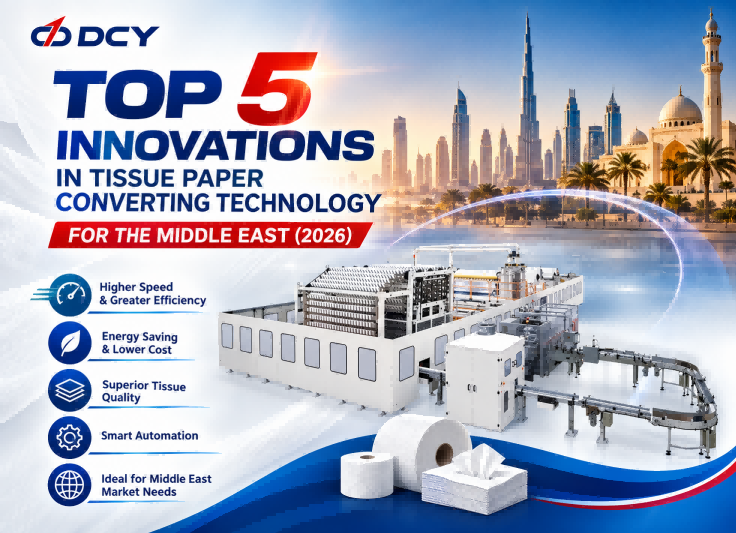

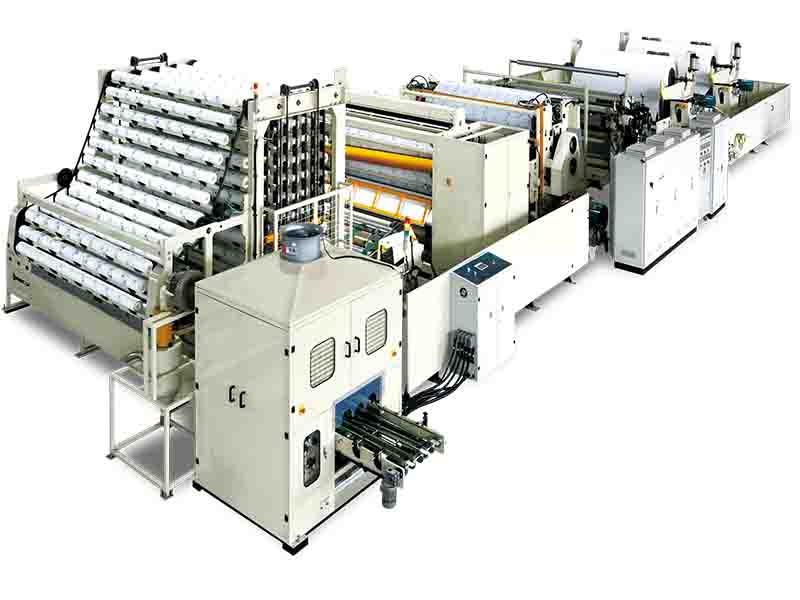

 English
 Español
 العربية
 Português do Brasil
 Русский