Máquina de producción de tejidos de alta velocidad: características clave que mejoran la eficiencia de fábrica
High-speed tissue production machines play a crucial role in modern manufacturing. Their advanced features are designed to enhance efficiency and productivity in factories. Intelligent control systems, automation, and energy-efficient technologies are just a few aspects that contribute to their effectiveness. As the industry evolves, understanding these machines becomes essential for manufacturers aiming to remain competitive. What specific benefits can these innovations offer to those in the tissue production sector?
Key Takeaways
- Intelligent control systems optimize workflows, ensuring efficient resource allocation and minimizing waste during tissue production.
- Advanced technologies like Glue-Free Tail Sealing enhance production efficiency by eliminating the need for adhesives.
- Automation reduces labor dependency, lowering overall labor costs while improving safety and minimizing human error.
- Real-time monitoring capabilities enable proactive maintenance, reducing downtime and ensuring consistent quality in production.
- Energy-efficient machinery and smart motor systems optimize power consumption, aligning with sustainability goals and reducing operational costs.
Introduction
The increasing global demand for essential paper products such as toilet paper, facial tissue, and kitchen towels has prompted tissue manufacturers to seek advancements in their production capabilities. Upgrading to high speed toilet paper machines and fully automatic tissue production lines is now essential for maintaining competitiveness. These innovations enable manufacturers to enhance production efficiency, thereby increasing factory profitability. The integration of intelligent tissue converting lines and automatic tissue paper manufacturing equipment allows for streamlined operations, minimizing labor costs and maximizing output. Furthermore, industrial tissue production equipment is designed to optimize resources, ensuring that manufacturers can respond effectively to market fluctuations. Embracing these technologies grants manufacturers greater control over their production processes, leading to improved operational performance and sustainability. Additionally, advancements like Through-Air Drying technology significantly reduce energy consumption while enhancing product quality.
What Is a High Speed Tissue Production Machine?
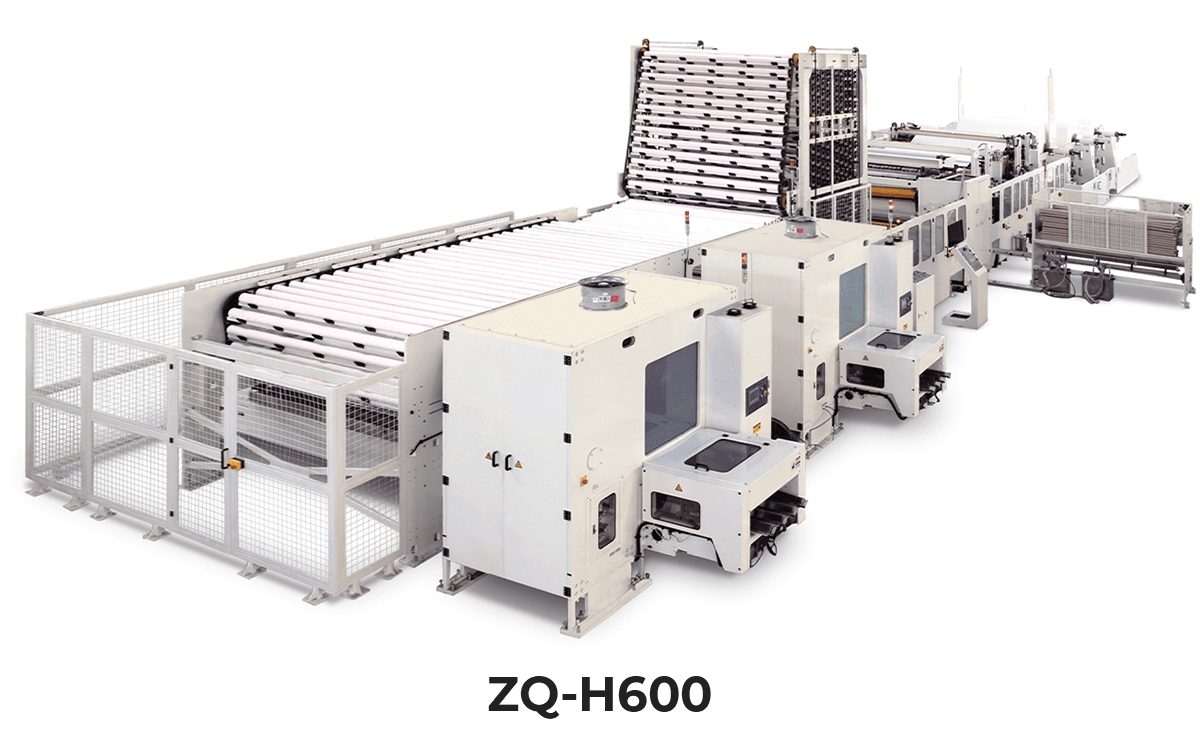
A high-speed tissue production machine is a specialized piece of equipment designed to efficiently produce tissue products at a rapid pace. These machines encompass various types and configurations tailored for specific production needs in modern tissue factories. Their core functions and typical applications highlight their importance in meeting the growing demand for tissue products in today’s market. Additionally, these machines, such as the Línea de Producción de Rollos Totalmente Automática y de Alta Velocidad Serie ZQ-H, are engineered to maximize productivity while minimizing manual labor and human intervention.
Definition and Core Functions
High speed tissue production machines are advanced industrial systems designed for the efficient manufacturing of tissue products. These machines encompass various core functions crucial for high-quality output. The tissue paper converting machine is essential for transforming raw materials into finished products. A facial tissue production machine specializes in creating soft, absorbent tissues, while the kitchen towel production line focuses on robust, durable paper towels. Additionally, a tissue rewinder machine plays a pivotal role in rewinding large rolls into smaller, user-friendly sizes. The tissue embossing machine enhances the aesthetic and functional qualities of the tissue, facilitating improved absorbency and texture. Combined, these functions streamline production processes, ensuring that manufacturers maintain control over quality and output efficiency. Furthermore, high-speed lines are ideal for large-scale operations, allowing manufacturers to meet increasing market demands effectively.
Common Types of High Speed Tissue Production Equipment
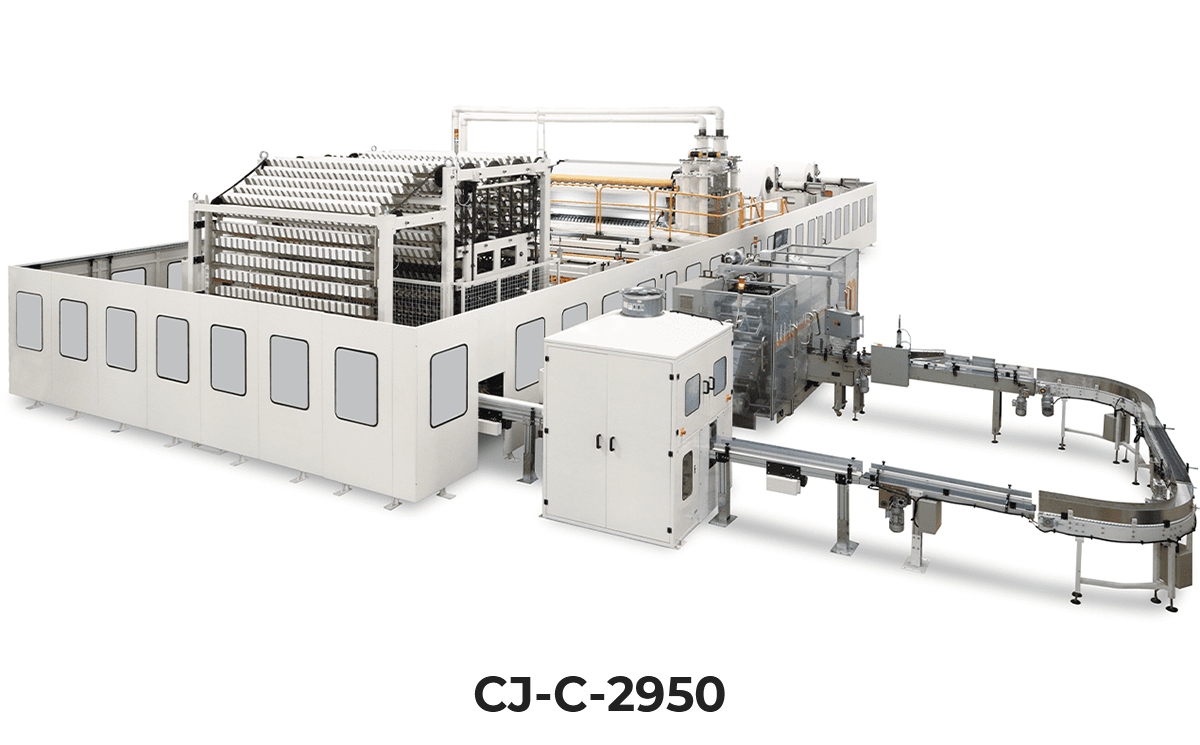
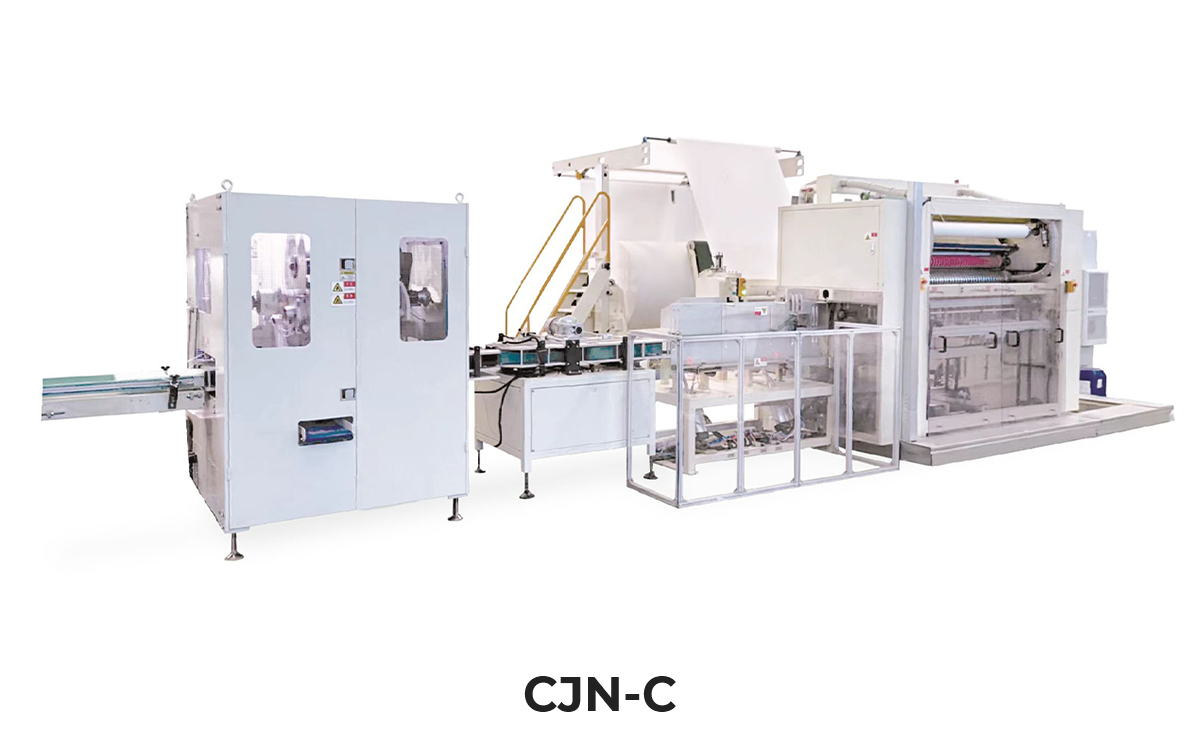
Various types of high-speed tissue production equipment play essential roles in the manufacturing of tissue products. Toilet roll production lines efficiently produce rolls at high speeds, ensuring consistent quality and output. Facial tissue production lines focus on creating soft, absorbent tissues tailored to consumer preferences. Kitchen towel production lines are designed for durability and absorbency, catering to household and industrial needs. Slitting rewinders are crucial for converting large reels of tissue into smaller, manageable rolls, enhancing packaging efficiency. Additionally, embossing and printing machines add unique textures and branding to products, enhancing market appeal. Together, these machines optimize production processes, enabling manufacturers to meet demand while maintaining control over quality and efficiency in tissue production. The CJ-C Series offers a fully automated system that enhances productivity and quality in tissue manufacturing.
Typical Applications in Modern Tissue Factories
In modern tissue factories, high-speed tissue production machines are pivotal in streamlining manufacturing processes across several applications. These machines excel in household tissue manufacturing, where they produce items like facial tissues, paper towels, and toilet paper with exceptional efficiency and consistent quality. Additionally, they play a crucial role in commercial tissue production, catering to businesses that require larger volumes of specialized products. Furthermore, high-speed machines are essential for OEM and private label production, enabling manufacturers to meet specific client demands while maintaining strict control over quality and output. By integrating advanced technology, these machines enhance operational efficiency, reduce waste, and ensure timely delivery, ultimately providing factories with a competitive edge in the dynamic tissue industry. Moreover, features like high-speed operation contribute significantly to reducing downtime and improving overall productivity.
Why Factory Efficiency Matters in Tissue Manufacturing
Factory efficiency plays a crucial role in tissue manufacturing, particularly in light of rising labor and energy costs. As market competition intensifies, manufacturers must adopt streamlined processes to maintain profitability and competitiveness. Additionally, production stability is essential to ensure consistent quality and supply in a fluctuating market. Furthermore, achieving sustainability considerations in production can significantly enhance both efficiency and market appeal.
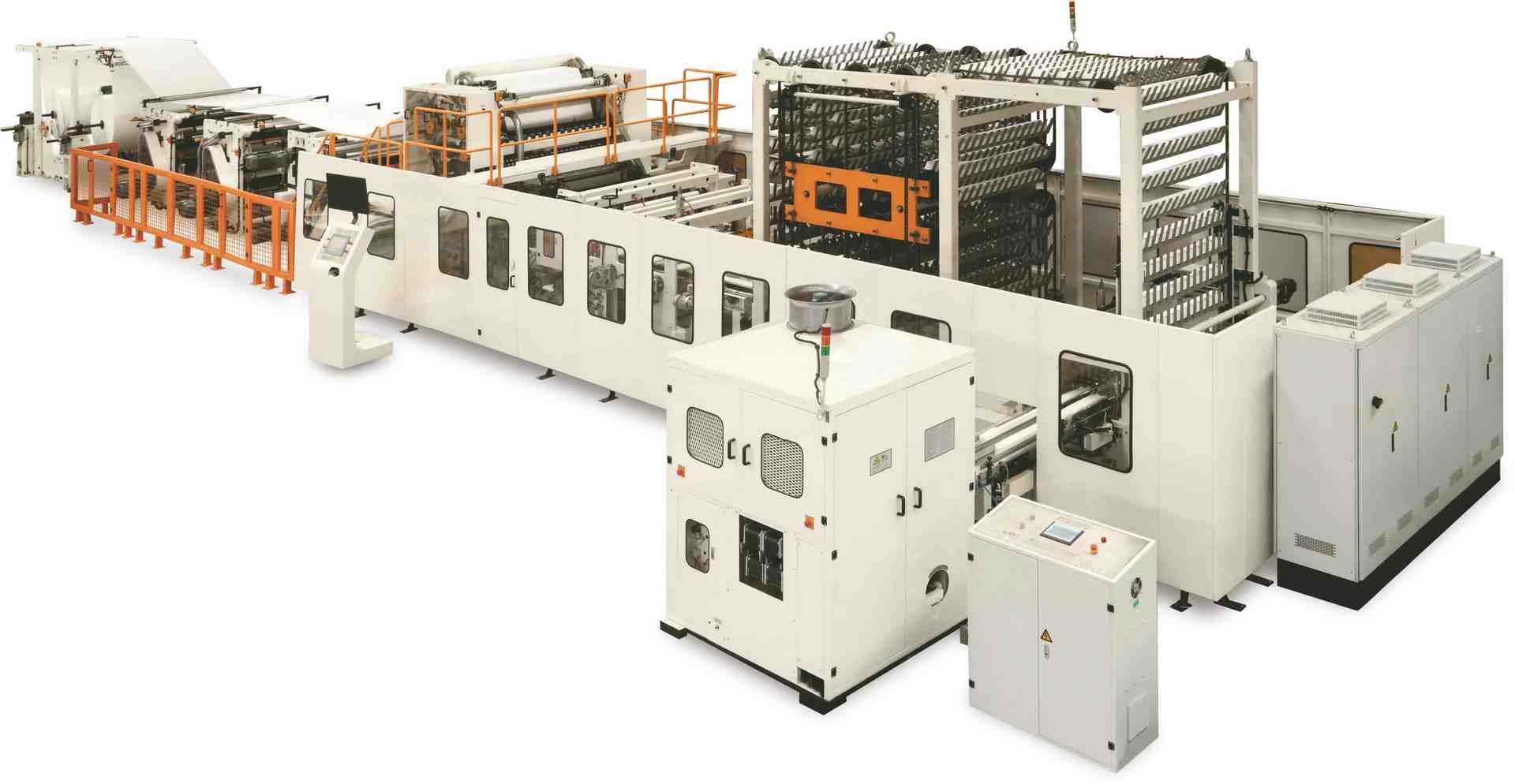
Rising Labour and Energy Costs
Rising labor and energy costs have significantly pressured production margins in the tissue manufacturing industry. This shift compels manufacturers to seek enhanced factory efficiency through automation and lean manufacturing techniques. By investing in high-speed production machines, companies can reduce operational costs and maintain competitiveness. Additionally, the integration of energy-efficient machinery can further support sustainability initiatives while optimizing production processes.
| Factor | Impact on Production | Solution |
|---|
| Labor Costs | Increased overhead | Automation |
| Energy Costs | Higher operational expenses | Energy-efficient machinery |
| Production Margins | Diminishing returns | Lean manufacturing |
Implementing these strategies allows manufacturers to streamline processes, optimize resource allocation, and ultimately secure long-term profitability amidst rising costs. Control over production efficiency becomes paramount in navigating this challenging economic landscape.
Increasing Market Competition
Intensifying market competition in the tissue manufacturing sector necessitates a focus on factory efficiency to meet evolving consumer demands. With faster delivery expectations and the necessity for consistent product quality, manufacturers must streamline operations to remain competitive. Efficient production processes enable companies to reduce lead times, ensuring timely product availability while maintaining high standards. This dual focus on speed and quality establishes a reliable brand image, fostering consumer trust and loyalty. Additionally, optimizing factory workflows allows for better resource allocation, minimizing waste and maximizing output. In a landscape where consumer preferences shift rapidly, manufacturers that prioritize efficiency position themselves advantageously, ready to adapt and thrive amidst growing competition. Thus, operational excellence is not merely beneficial; it is essential for survival. Furthermore, the demand for eco-friendly products is prompting manufacturers to invest in flexible converting machines that cater to diverse consumer preferences.
The Importance of Production Stability
Stability in production processes is crucial for the success of tissue manufacturing, as it directly impacts efficiency and profitability. Consistent operation leads to several key benefits that empower manufacturers to take control over their production environments:
- Reducing Downtime: Minimizing interruptions ensures that machines are available for longer periods, allowing for more output and less wasted time.
- Improving Machine Utilization Rates: Enhanced stability enables machines to operate at optimal capacities, thus maximizing productivity and resource allocation.
- Maintaining Continuous Production: A stable production flow guarantees that supply meets demand, fostering reliability in meeting customer expectations. Moreover, effective automatic tension control plays a vital role in maintaining the quality of tissue throughout the production process.
High production speed is essential for maximizing output in tissue manufacturing, enabling facilities to meet increasing demand. With stable high-speed operation, these machines ensure consistent quality while maintaining efficiency. Furthermore, their capability for continuous 24/7 production positions manufacturers to capitalize on market opportunities without interruption. Additionally, energy-efficient models optimize power usage during low demand periods, further enhancing overall production efficiency.

Faster Output for Higher Production Capacity
A significant increase in production speed has transformed tissue manufacturing, enabling companies to meet escalating market demands efficiently. By implementing high-speed tissue production machines, manufacturers are experiencing substantial benefits, notably:
- Enhanced Output: Increased rolls or packs produced per minute significantly boosts overall production capacity.
- Meeting Large-Scale Demands: The ability to sustain high output levels ensures that production aligns with market needs without delay.
- Operational Efficiency: Faster output translates into reduced lead times, allowing companies to respond swiftly to customer orders.
These advancements not only optimize the production process but also empower manufacturers to maintain competitive advantages in a rapidly evolving industry. The drive for faster output positions factories to thrive amid increasing global demand for tissue products. Additionally, the integration of advanced interfolder technology further enhances production speed and quality, enabling manufacturers to maximize their operational capabilities.
Stable High-Speed Operation
Achieving reliable high-speed operation in tissue production relies on advanced technologies such as servo control systems and precision machining. These innovations significantly enhance production speed while ensuring stable performance. Servo control systems facilitate precise movements, reducing operational errors and enabling consistent output. The integration of precision machining minimizes vibration, which can disrupt high-speed processes. By maintaining stability during rapid production cycles, manufacturers can optimize efficiency and reduce downtime. This controlled environment allows for seamless transitions between production phases, ensuring that quality is upheld even at elevated speeds. The combination of these technologies empowers operators with the ability to maintain tight tolerances and achieve high production rates, ultimately maximizing throughput and enhancing overall factory performance. Additionally, the implementation of advanced calender technology further contributes to improved product quality and operational efficiency.
Continuous 24/7 Production Capability
Continuous operation of tissue production machines for 24 hours a day, 7 days a week, ensures that manufacturers can meet demand without significant interruptions. This capability is critical for optimizing productivity and maintaining a competitive edge. Key advantages include:
- Reliable Long-Term Operation: Machines designed for continuous use minimize the risk of breakdowns, ensuring consistent output.
- Reduced Production Interruptions: Continuous production capabilities allow for planned maintenance during off-peak hours, further enhancing efficiency.
- Increased Flexibility: Manufacturers can adapt to varying production schedules and unexpected demand spikes with ease. Moreover, the integration of breakthrough technology ensures that the machines operate at peak efficiency, further enhancing production capacity.
Fully Automatic Systems Reduce Labour Dependency
Fully automatic systems in tissue production significantly reduce reliance on manual labor through features such as automatic material feeding and intelligent control systems. These advancements not only streamline operations but also contribute to lower labor costs. As a result, the ease of operation enhances overall efficiency in production processes. Additionally, the use of PLC & HMI allows for user-friendly operation, further optimizing workflow and productivity.
Automatic Material Feeding and Conveying
Automated material feeding and conveying systems play a crucial role in enhancing operational efficiency in tissue production. By minimizing manual handling, these systems not only reduce labor dependency but also streamline the workflow. Key benefits include:
- Consistent Material Flow: Ensures a steady supply of raw materials, preventing production delays and bottlenecks.
- Reduced Labor Costs: Lowers the need for manual intervention, allowing the workforce to focus on more complex tasks.
- Enhanced Safety: Decreases the risk of workplace injuries associated with manual handling, fostering a safer production environment. Additionally, the local team capabilities ensure rapid responses to any on-site challenges that may arise during the implementation of these systems.
Intelligent Control Systems
With the implementation of automated material feeding and conveying systems, the focus can shift to the integration of intelligent control systems that further enhance production efficiency. These advanced PLC automation systems allow for seamless oversight and adjustment of production parameters, ensuring optimal performance. The incorporation of touchscreen operation facilitates user-friendly interaction, giving operators precise control over machine settings and real-time adjustments. Additionally, real-time monitoring capabilities provide critical data analytics, enabling proactive responses to any operational issues. This level of automation not only minimizes human error but also streamlines workflow, allowing for a more efficient production environment. Consequently, the adoption of intelligent control systems represents a significant advancement in achieving higher productivity and operational reliability in tissue production. Furthermore, considering maintenance requirements is essential to ensure equipment longevity and minimize downtime.
Lower Labour Costs and Easier Operation
As industries increasingly adopt advanced tissue production machines, the reliance on human labor diminishes significantly. Fully automatic systems streamline operations, leading to lower labor costs and minimizing dependency on personnel. This efficiency allows factory managers to focus on optimizing production rather than overseeing manual processes. Key benefits include:
- Fewer Operators Required: Automation reduces the need for multiple workers, allowing a leaner workforce.
- Simplified Production Management: With intelligent control systems, monitoring and adjustments are straightforward, enhancing oversight capabilities.
- Cost Efficiency: Reduced labor expenses contribute to overall cost savings, enabling reinvestment in other critical areas. Moreover, the implementation of fully automated production ensures improved operational efficiency, enhancing overall factory performance.
Advanced Embossing and Printing Improve Product Value
Advanced embossing technology and multi-color printing integration significantly enhance the aesthetic appeal and perceived value of tissue products. These innovations ensure consistent product quality while maintaining high-speed production, catering to market demands for both functionality and design. As manufacturers adopt these techniques, the competitive edge in the tissue industry becomes increasingly reliant on superior visual attributes. The use of precision tissue embossing elevates the performance and elegance of napkin products, further appealing to consumers.
High-Quality Embossing Technology

High-quality embossing technology plays a crucial role in enhancing the value of tissue products by improving both their softness and visual appeal. This advanced technique not only elevates the product experience but also offers manufacturers a competitive edge in the market. Key benefits include:
- Improved Softness: Enhanced embossing patterns create a softer texture, increasing user satisfaction.
- Visual Appeal: Intricate designs contribute to an attractive appearance, reinforcing brand identity and consumer attraction.
- Enhanced Product Differentiation: Unique embossing allows products to stand out on shelves, facilitating better market positioning.
Additionally, the integration of eco-friendly materials through embossing practices ensures that manufacturers can meet the growing consumer demand for sustainable products. Investing in high-quality embossing technology is essential for manufacturers aiming to optimize their production processes while delivering superior products that meet consumer demands. This strategic enhancement ultimately leads to increased profitability and brand loyalty.
Multi-Color Printing Integration
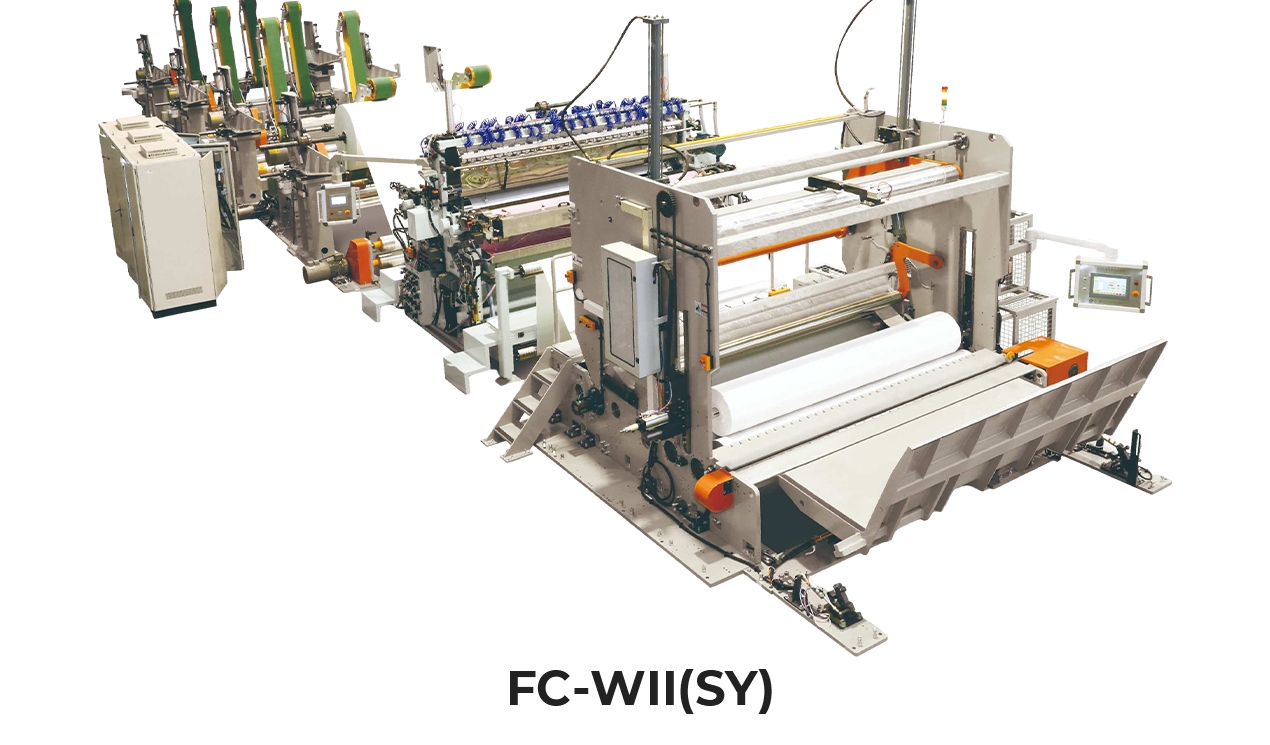
Integrating multi-color printing with advanced embossing techniques significantly enhances the value of tissue products. This combination provides brands with powerful marketing advantages, as custom designs and vibrant colors elevate product visibility on retail shelves. By incorporating personalized elements into tissue production, manufacturers can meet specific customer demands, thereby creating a competitive edge. The capability to produce unique, eye-catching packaging not only attracts consumers but also fosters brand loyalty. Furthermore, this integration enables efficient production processes without compromising quality, allowing factories to respond swiftly to market trends. Ultimately, manufacturers gain enhanced control over their product offerings, ensuring they remain relevant and appealing in a dynamic marketplace. This strategic approach to branding through multi-color printing solidifies the overall market position of tissue products. Additionally, the high-resolution printing capabilities offered by advanced machines ensure vibrant and detailed prints that enhance product appeal.
Consistent Product Quality at High Speed
As manufacturers strive to meet increasing consumer demands, maintaining consistent product quality at high speeds becomes paramount. Advanced embossing and printing technologies are crucial in achieving this goal. Precision control systems facilitate uniform outcomes, ensuring that products not only meet but exceed quality standards. Key features include:
- Consistent Embossing: Uniform pressure application across the width of the material enhances texture fidelity.
- High-Quality Printing: Advanced inks and optimized printing processes guarantee vibrant colors and sharp images.
- Real-Time Monitoring: Continuous quality checks enable immediate adjustments, preventing defects before they occur.
Additionally, increased absorbency from embossing contributes to overall product performance, enhancing consumer satisfaction. Together, these features empower manufacturers to produce high-quality tissue products efficiently, thereby increasing product value and satisfying consumer expectations.
Glue-Free Tail Sealing Technology Improves Efficiency
Glue-free tail sealing technology presents a significant advancement over traditional glue sealing methods, which often face challenges such as long drying times and potential contamination. By eliminating the need for adhesive, this innovative sealing approach enhances production efficiency and reduces operational costs. As modern tissue factories seek to optimize their processes, the adoption of glue-free technology becomes increasingly crucial. This technology not only ensures secure sealing under varying production conditions but also aids in maintaining product integrity during packaging.
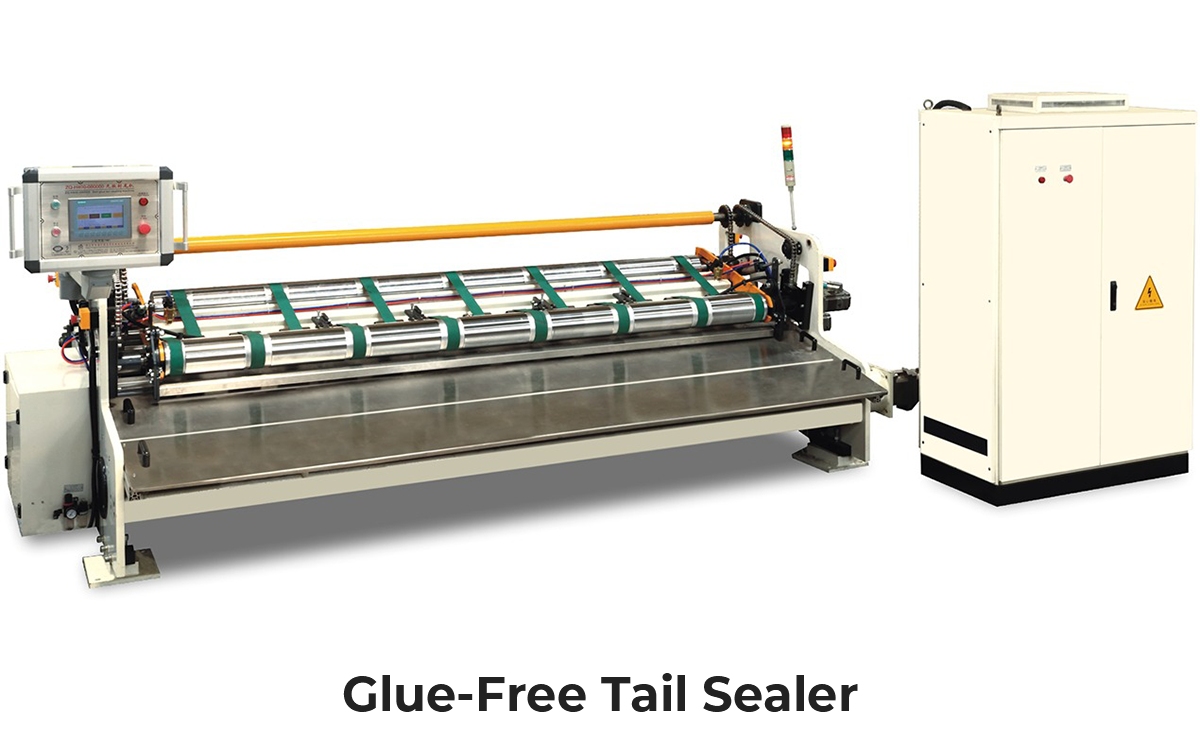
Traditional Glue Sealing Challenges
Traditional glue sealing methods present several significant challenges that can hinder production efficiency. First, glue waste accumulates during the sealing process, leading to increased material costs and resource inefficiency. Second, maintenance issues arise due to glue buildup on machinery, resulting in downtime and costly repairs. Lastly, production contamination risks are heightened, as excess glue can compromise product quality and safety.
These challenges underscore the limitations of traditional approaches, prompting manufacturers to seek more efficient alternatives. Addressing these issues is crucial for enhancing operational control and ensuring consistent product quality. In light of these difficulties, the shift towards glue-free sealing technologies becomes increasingly attractive for modern production environments striving for optimal efficiency. Additionally, the integration of advanced sensor technologies can further enhance quality control during the sealing process, ensuring consistent product integrity.
Advantages of Glue-Free Tail Sealing
The adoption of glue-free tail sealing technology revolutionizes the production landscape by streamlining operations and enhancing overall efficiency. This innovation eliminates the need for adhesives, resulting in a cleaner production process that minimizes waste and reduces the risk of contamination. As a consequence, companies experience lower consumable costs, which directly impact their bottom line. Furthermore, the efficiency of production is significantly improved, as the glue-free method allows for faster processing times and reduced maintenance requirements. By implementing this technology, manufacturers gain greater control over their operations, ensuring consistent quality and reliability in their products. Ultimately, glue-free tail sealing positions factories to respond more adeptly to market demands, reinforcing their competitive edge in the industry. Additionally, this technology aligns with DCY’s commitment to enhancing efficiency in tissue production, thereby providing cutting-edge technology that benefits manufacturers globally.
How Innovative Sealing Technology Supports Modern Tissue Factories
As modern tissue factories increasingly prioritize efficiency and sustainability, innovative sealing technology has emerged as a crucial component in enhancing production processes. Glue-free tail sealing technology stands out by offering distinct advantages that support operational excellence:
- Higher Automation Compatibility: This technology integrates seamlessly with advanced automated systems, minimizing human intervention and reducing error rates.
- Stable Roll Finishing Performance: It ensures consistent quality and uniformity in roll production, leading to reduced waste and increased output.
- Enhanced Sustainability: By eliminating adhesive use, it supports eco-friendly practices and aligns with corporate sustainability goals.
These features empower manufacturers to maintain control over their production lines while optimizing resource utilization, ultimately leading to improved factory efficiency and competitiveness in the market. Moreover, such innovations are in line with DCY’s commitment to high-performance machinery, which enhances productivity in tissue production.
Smart Digital Management Enhances Factory Operations
Smart digital management systems significantly improve factory operations by enabling real-time production monitoring. These systems incorporate predictive maintenance functions, which help anticipate equipment issues before they arise. Additionally, the integration with intelligent factory systems streamlines workflows and enhances overall efficiency. By utilizing 24-Hour Online Technical Support, factories can quickly address any machinery concerns, further minimizing downtime and boosting productivity.
Real-Time Production Monitoring
Real-time production monitoring significantly boosts factory operations by allowing manufacturers to track machine performance and analyze production data on-the-fly. This capability provides essential insights that empower decision-makers to optimize processes effectively. Key benefits of real-time monitoring include:
- Immediate Performance Feedback: Operators can swiftly identify and rectify inefficiencies, ensuring machines operate at peak performance.
- Data-Driven Insights: Continuous analysis of production data enables manufacturers to make informed decisions, enhancing overall operational efficiency.
- Enhanced Accountability: By monitoring performance metrics in real-time, teams can hold themselves accountable for production goals, fostering a culture of responsibility. Additionally, incorporating latest automation capabilities can further streamline operations and increase productivity.
Predictive Maintenance Functions
Predictive maintenance functions play a crucial role in enhancing factory operations by leveraging advanced data analytics to foresee potential equipment failures. By implementing these functions, factories can achieve early fault detection, allowing for timely interventions before minor issues escalate into major breakdowns. This proactive approach significantly reduces downtime risks, ensuring that production lines remain efficient and uninterrupted. As operators gain insights into the health of their machinery, they can strategically schedule maintenance activities, optimizing resource allocation and minimizing waste. Ultimately, predictive maintenance empowers factory managers to take control of their operations, fostering a more reliable and productive manufacturing environment. By prioritizing these functions, factories can enhance their overall efficiency and maintain a competitive edge in the industry. Additionally, these systems can be seamlessly integrated with high-speed interfolder machines, enhancing production agility and output quality.
Integration With Intelligent Factory Systems
The integration of intelligent factory systems has revolutionized manufacturing operations by enabling seamless data flow and enhanced decision-making capabilities. This alignment with Industry 4.0 principles empowers manufacturers to optimize their processes, resulting in significant efficiency gains. Key advantages include:
- Real-time Monitoring: Continuous oversight of production lines ensures immediate identification of bottlenecks or inefficiencies.
- Data-Driven Insights: Advanced analytics transform raw data into actionable strategies, allowing for informed adjustments to production parameters.
- Automated Coordination: Enhanced interoperability between machines fosters streamlined workflows, minimizing downtime and maximizing output. Additionally, advanced technologies in conversion machines further enhance operational capabilities and sustainability.
Energy Efficiency and Waste Reduction
Energy efficiency and waste reduction are critical components in modern tissue manufacturing. By optimizing power consumption and minimizing material waste, manufacturers can enhance sustainability while maintaining production speed. This focus aligns with emerging trends aimed at promoting environmentally responsible practices within the industry. Moreover, high-end conversion machines play a significant role in achieving these efficiencies by delivering exceptional output with minimal resource consumption.
Optimized Power Consumption
As industries increasingly prioritize sustainability, optimized power consumption has emerged as a critical factor in the design of high-speed tissue production machines. By integrating advanced technologies, these machines enhance energy efficiency and control operational costs. Key features include:
- Energy-saving motor systems: These systems reduce energy consumption without compromising performance, allowing for sustained production with lower costs.
- Efficient drive technology: This technology minimizes energy loss during operation, ensuring that every watt is utilized effectively.
- Smart control systems: These systems monitor and adjust power usage in real-time, enhancing efficiency and providing operators with actionable insights.
Additionally, the integration of breakthrough technology in tissue paper production further contributes to improved energy management and operational efficiency. Together, these innovations not only support environmental goals but also empower manufacturers to maximize productivity while maintaining a responsible approach to energy use.
Reducing Material Waste
Maximizing material efficiency is essential for modern tissue production, where reducing waste directly contributes to both economic and environmental sustainability. High-speed tissue production machines integrate precision cutting and perforation techniques that enhance the utilization of jumbo rolls, thereby minimizing excess material. This efficiency not only conserves resources but also optimizes production output, ensuring tighter control over operational costs. Additionally, these machines feature high-precision slitting & cutting, which further enhances the overall effectiveness of the tissue production process.
| Feature | Benefit |
|---|
| Precision Cutting | Reduces off-cuts and waste |
| Improved Jumbo Roll Use | Maximizes output from each roll |
| Waste Monitoring Systems | Provides data for continuous improvement |
Sustainable Tissue Manufacturing Trends
How can tissue manufacturers embrace sustainability while enhancing operational efficiency? The integration of sustainable practices in tissue manufacturing is increasingly vital. Manufacturers can achieve this through:
- Energy Efficiency: Implementing advanced machinery and optimized processes to reduce energy consumption lowers operating costs while minimizing environmental impact.
- Waste Reduction: Utilizing recycled materials and improving production techniques can significantly decrease waste, ensuring a more responsible use of resources.
- Eco-friendly Practices: Transitioning to biodegradable chemicals and sustainable sourcing of raw materials fosters environmentally responsible production, reinforcing the brand’s commitment to sustainability. Furthermore, the adoption of breakthrough technology in production lines enhances both efficiency and sustainability in operations.
Key Factors When Choosing a High Speed Tissue Production Machine
When selecting a high-speed tissue production machine, several key factors must be considered to ensure optimal performance. These include production capacity requirements, the level of automation, equipment stability and durability, as well as the availability of technical support and after-sales service. Evaluating these elements will help manufacturers make informed decisions that align with their operational needs. Additionally, focusing on advanced cutting technology can significantly enhance the precision and efficiency of the production process.
Production Capacity Requirements
Production capacity stands as a critical factor in the selection of a high-speed tissue production machine. Factories must ensure that the machine’s output aligns with their production demands to maintain efficiency and profitability. Key considerations include:
- Machine Speed: The operational speed should match the anticipated production volume to avoid bottlenecks.
- Demand Fluctuations: The machine must be capable of adjusting to variable demand, allowing for scalable operations.
- Downtime Minimization: Selecting a machine with a robust design helps reduce maintenance needs, ensuring consistent output. Additionally, machines like the ZX series high speed toilet paper core machine are built for durability and reliability, which provides a consistent performance essential for sustained operations.
Automation Level
Automation level plays a pivotal role in the efficiency and effectiveness of high-speed tissue production machines. When selecting a system, manufacturers must weigh the benefits of semi-automatic versus fully automatic machines. Semi-automatic systems offer operators a greater degree of hands-on control, allowing for adjustments during production, which can be advantageous in specific settings. Conversely, fully automatic systems enhance consistency and reduce human error, optimizing throughput and minimizing labor costs. The choice hinges on the desired balance between control and efficiency. For facilities aiming for high-volume production with minimal intervention, fully automatic systems may be preferable. Ultimately, the decision should align with operational goals, workforce capabilities, and production demands to achieve maximum efficiency in tissue production. Additionally, investing in machines that incorporate patented technologies can further enhance production capabilities and ensure a competitive edge in the market.
Equipment Stability and Durability
The effectiveness of high-speed tissue production machines is not solely determined by their automation level; equipment stability and durability are also critical factors to consider. A reliable machine minimizes downtime and maximizes production output, leading to enhanced factory efficiency. Key aspects to evaluate include:
- Precision Manufacturing Quality: High-quality components ensure that machines operate within desired specifications, resulting in consistent product output.
- Component Reliability: Durable parts reduce the likelihood of failures, thereby maintaining operational integrity and reducing maintenance costs.
- Structural Integrity: A robust design withstands the rigors of continuous operation, ensuring long-term performance and reliability.
Investing in machines that excel in these areas empowers manufacturers to maintain control over their production processes, ultimately contributing to greater productivity and profitability. Additionally, the integration of breakthrough technology in tissue paper production can further enhance operational efficiency and effectiveness.
Technical Support and After-Sales Service
When selecting a high-speed tissue production machine, the importance of robust technical support and after-sales service cannot be overstated. Effective installation support ensures seamless integration into existing operations, reducing downtime and enhancing productivity. Operator training is crucial; well-trained staff can maximize the machine’s capabilities, leading to increased efficiency and reduced errors. Additionally, the availability of spare parts is a key consideration. A reliable supply chain for parts minimizes the risk of prolonged machine outages, enabling factories to maintain consistent production schedules. Ultimately, comprehensive technical support and after-sales service empower facilities to optimize their tissue production processes, ensuring a high return on investment and sustained operational excellence. Furthermore, a well-structured dealer training program can significantly enhance the effectiveness of support services, allowing operators to better understand and utilize the machine’s features.
Why More Manufacturers Are Investing in Intelligent Tissue Production Lines
Manufacturers are increasingly investing in intelligent tissue production lines to meet the growing global demand for tissue products. This shift towards smart manufacturing is driven by the need for efficiency and flexibility in production processes. Additionally, the long-term competitive advantages provided by automation are encouraging companies to adopt advanced technologies to enhance their operations. As a result, many businesses are recognizing the importance of having reliable partners in the tissue converting industry to ensure successful implementations.
Growing Demand for Tissue Products Worldwide
As consumer preferences shift towards sustainable and high-quality tissue products, the global demand for these items continues to rise. This growing market is compelling manufacturers to invest in advanced tissue production lines. The factors driving this trend include:
- Sustainability Initiatives: Consumers increasingly favor eco-friendly products, prompting manufacturers to adopt sustainable practices.
- Quality Expectations: Higher standards for softness and absorbency drive the need for superior production techniques.
- Market Expansion: Emerging economies are witnessing a surge in tissue consumption, urging manufacturers to scale operations accordingly.
To remain competitive, manufacturers must leverage these insights, ensuring they meet consumer demands while optimizing production efficiency. The focus on intelligent tissue production lines is a direct response to these market dynamics, positioning companies for long-term growth. Additionally, companies like Voith Paper Machines are leading the way with advanced technology that enhances production efficiency and sustainability.
The Shift Toward Smart Manufacturing
With the rapid evolution of technology and increasing pressure to enhance production efficiency, the tissue manufacturing sector is experiencing a significant shift toward smart manufacturing. This transition is fueled by the need for greater precision and control in production processes. Intelligent tissue production lines leverage advanced data analytics, IoT integration, and automation to optimize operations. Manufacturers are investing in these technologies to monitor real-time performance metrics, facilitate predictive maintenance, and reduce downtime. By implementing smart systems, they can achieve higher output quality while minimizing waste. The integration of artificial intelligence allows for adaptive production strategies, enabling manufacturers to respond swiftly to market demands. As a result, this shift not only enhances operational efficiency but also empowers manufacturers to maintain a competitive edge. Moreover, companies like DCY are at the forefront of sustainable practices in production, ensuring that advancements contribute to a more eco-friendly industry.
Long-Term Competitive Advantages of Automation
Efficiency in production processes is a key driver behind the increasing investment in intelligent tissue production lines. Manufacturers recognize that automation offers long-term competitive advantages that enhance operational control and sustainability. Key factors influencing this trend include:
- Reduced Labor Costs: Automation minimizes reliance on manual labor, reducing long-term expenses and allowing workforce reallocation to more strategic roles.
- Enhanced Product Quality: Intelligent systems ensure consistent quality through precise monitoring and adjustments, leading to fewer defects and higher customer satisfaction.
- Increased Flexibility: Automated production lines can quickly adapt to changing market demands, allowing manufacturers to respond effectively to consumer needs while maintaining control over output. Additionally, advanced machinery plays a critical role in optimizing the efficiency of tissue production processes.




 English
 Español
 العربية
 Português do Brasil
 Русский