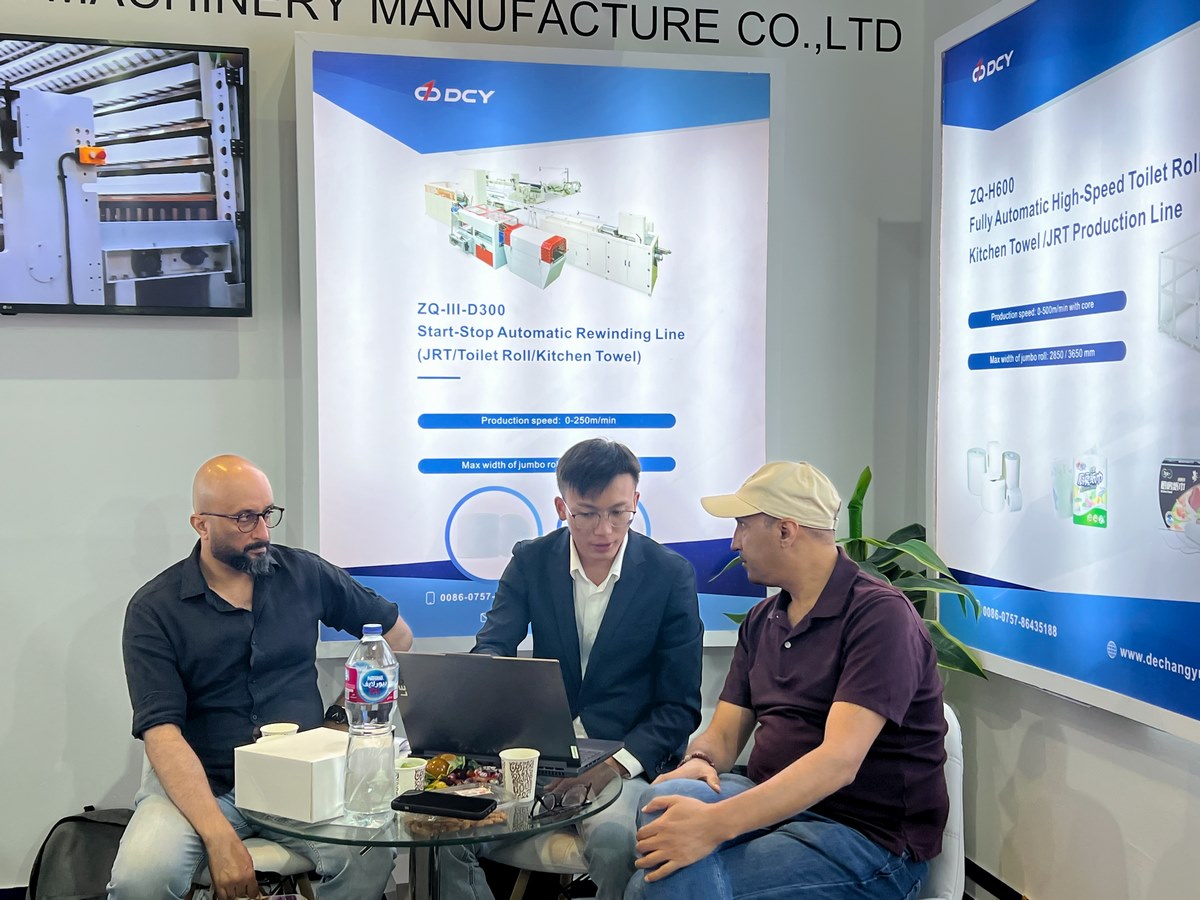
1. Introduction: The "Triple Squeeze" in Global Tissue Manufacturing
If you are a factory director or procurement manager operating a tissue manufacturing plant today, you are likely feeling an immense amount of pressure. Entering 2026, the global paper industry is grappling with a severe "triple squeeze":
Volatile Wood Pulp Prices: Raw material costs remain unpredictable due to global supply chain shifts.
Skyrocketing Energy Costs: Industrial power rates are eating into operational margins.
The Skilled Labor Shortage: Finding and retaining reliable machine operators is harder and more expensive than ever.
For B2B manufacturers, relying on outdated machinery is a recipe for disaster. Old equipment means higher waste rates, frequent unexpected downtime, and shrinking profit margins. You can no longer afford to simply "make paper"; you need to manufacture it with razor-sharp efficiency.
To survive and thrive, upgrading to a modern, high-efficiency toilet paper production line is no longer optional—it is a critical survival strategy. Whether you are dealing with high labor costs in markets like Australia and Europe, or scaling up a fast-growing facility in Southeast Asia or the Middle East, choosing the right paper making machine will dictate your factory's Return on Investment (ROI) for the next decade.
In this comprehensive guide, we will break down everything you need to know about tissue converting machines , specifically focusing on how the right toilet paper production line can drastically reduce your operational costs while meeting the high-volume demands of modern consumers.
2. Executive Summary: Core Questions Answered (The 15% Rule)
We know B2B buyers value their time. If you only have 3 minutes, here is the executive summary addressing your most pressing concerns about investing in a new facility:
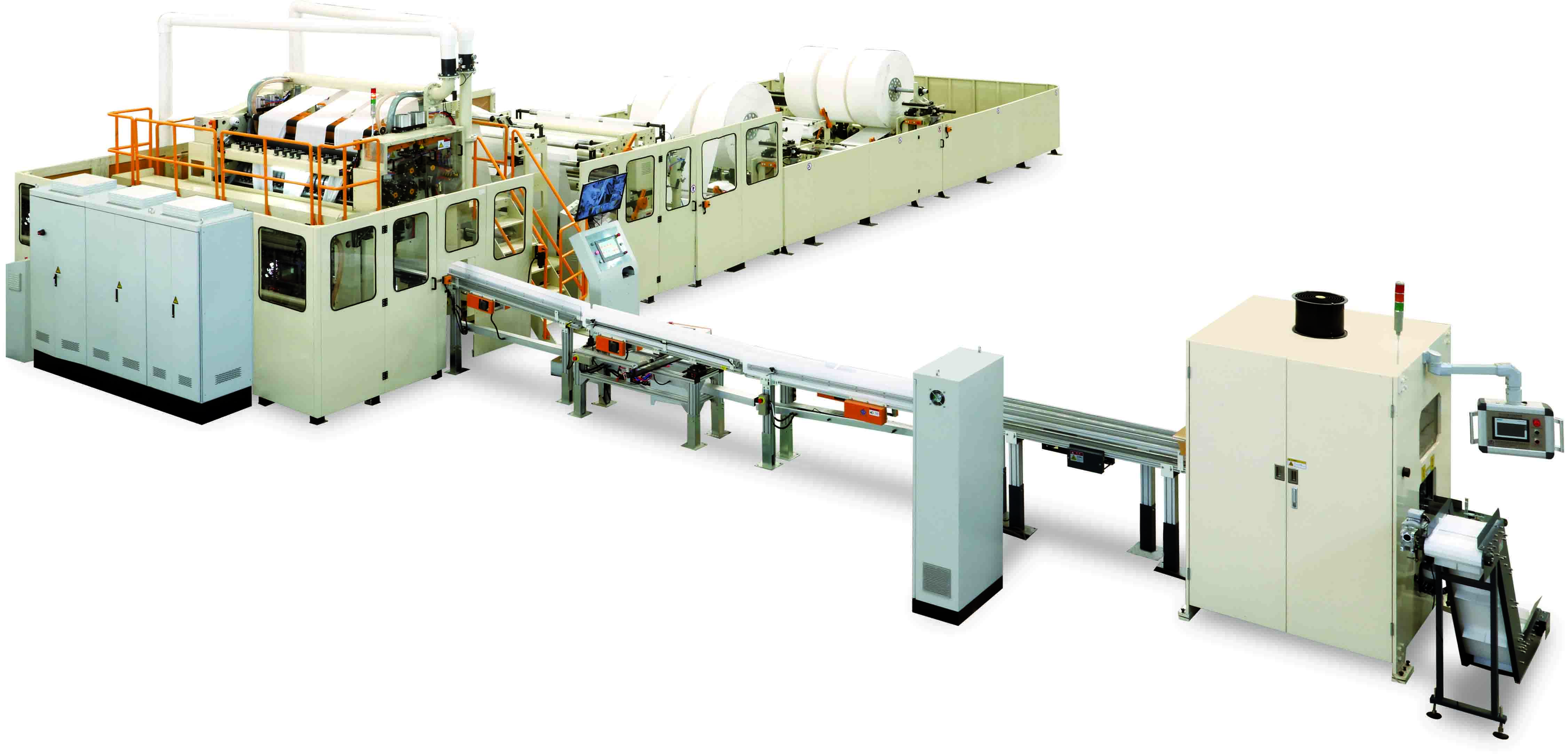
What exactly comprises a modern Toilet Paper Production Line? It is a fully integrated system designed to convert massive jumbo rolls into retail-ready packages. A standard line includes an unwinding stand, an embosser, a rewinder, an accumulator, a log saw cutter, and automated packaging units. Learn more about the components in ourToilet Paper Machine Types Explained guide
How do I choose between Full-Auto and Semi-Auto? Your choice should be dictated by your region's labor costs. High-wage regions must utilize a fully automatic toilet paper making machine to remain profitable. For startup factories in regions with affordable labor, a semi-automatic line offers a budget-friendly entry point with excellent flexibility.
What are the key technical differentiators I should look for? Do not just look at the price tag. Look for Large Web Widths (for higher output), Extreme Speeds (efficiency), Stable PLC Control Systems (like Siemens or Inovance for zero downtime), and Glueless Tail Sealing (for sustainability and reduced consumable costs).
If you are currently evaluating a toilet rewinding machine for sale, keep reading. We are about to dive deep into the engineering that makes these machines profitable.
3. Deep Technical Explanation: The Engine of Profitability
Google algorithms and seasoned B2B engineers look for the same thing: verifiable, high-quality technical depth. A high-tier toilet paper production line is a symphony of precision engineering. At Foshan Dechangyu (DCY), we hold numerous patents that separate our machinery from standard market offerings.
A. The Brain of the Machine: PLC Control Systems
Frequent machine downtime is the absolute nemesis of factory profitability. If the software crashes, the hardware stops. That is why the control system is the most critical component of your line.
Siemens Integration: Dechangyu partners deeply with global automation leaders. By utilizing Siemens Industrial Automation Systems , our toilet paper production line guarantees pinpoint accuracy in web tension control, perforation, and rewinding speed. Siemens components are globally recognized, meaning your local engineers can easily service them.
Inovance Options: For outstanding cost-performance and robust localized support, we also integrate PLC systems from leading Chinese innovators like Inovance Technology (External Link). This ensures that your machinery remains highly stable, delivering premium performance without exorbitant maintenance costs.
B. The Game-Changer: Patented Glueless Sealing Technology
Traditional toilet paper manufacturing relies heavily on liquid glue to seal the tail of the finished roll. However, any experienced operator will tell you that glue is a nightmare: it is messy, it frequently clogs the machinery (causing downtime), and it adds a perpetual consumable cost to your ledger.
Dechangyu's patented Non-Glue Tail Sealer revolutionizes this stage. Using advanced mechanical web-knitting and pressure technology, we secure the tail without a single drop of adhesive. The ROI Impact:
Zero Glue Costs: Immediately improves your margin per roll.
Reduced Maintenance: No need to stop the machine daily to clean glue nozzles.
Eco-Friendly Pitch: Allows you to market your product as a 100% chemical-free, sustainable roll.
C. Maximizing Output: Width and Speed
When calculating the payback period of a toilet paper machine sale, two metrics rule the factory floor: Web Width and Design Speed.
Large Web Width: We offer customized, extra-wide machinery designed to handle massive commercial jumbo rolls. Wider webs mean more "logs" are produced per minute, directly multiplying your output. Read our comparison on Toilet Roll vs. Jumbo Roll: Which Converting Line Suits You? for more details.
High-Speed Stability: Our advanced toilet paper production line operates at blistering speeds without vibrating or compromising the softness and embossing quality of the paper. Speed is useless if it creates defective products; our heavy-duty frames ensure vibration-free operation.
4. Step-by-Step Breakdown: From Jumbo Roll to Retail Pack
To truly optimize your facility, you must understand every stage of the converting process. Here is how a DCY line transforms raw material into profit:
Jumbo Roll Stand & Unwinding: The process starts by loading massive paper rolls (often weighing over a ton). Pneumatic or hydraulic loading systems ensure safe and fast roll changes. Understand the basics in our Must-Read Guide: All About Tissue Converting.
The Embossing Station: This is where value is added. A high-quality Toilet Paper Embosser bonds multi-ply paper together and adds aesthetic patterns, which drastically increases the bulk and perceived softness of the roll.
The Rewinder: The heart of the toilet paper production line. It rapidly spins the paper around the core, applying precise perforations for easy tearing.
Log Saw Cutting: Once rewound, the long "logs" must be cut into standard retail sizes. We utilize orbital log saws equipped with automatic blade sharpening to ensure perfectly clean, uncrushed edges.
6. Industry Endorsements: Why Global Giants Trust Dechangyu
In B2B machinery, trust is built on proven case studies, not just specifications. A world-class toilet paper production line proves its worth under the relentless stress of 24/7 factory floor operation.
Dechangyu is honored to be the strategic machinery partner for the "Big Four" tissue giants in the Chinese market:
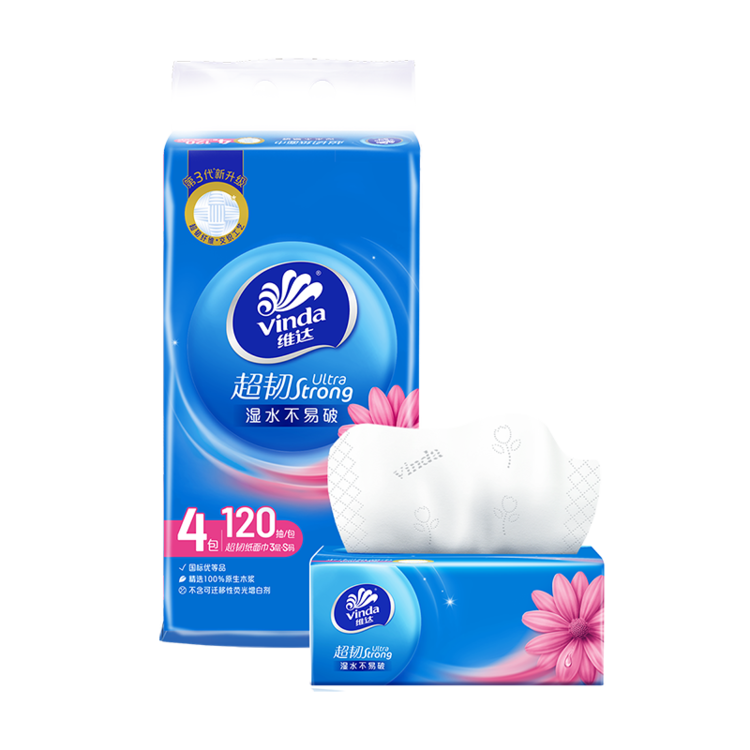
Vinda
C&S - Jierou
Mind Act Upon Mind - Xinxiangyin
APP - Gold Hongye
These industry titans demand the highest standards of stability, speed, and precision. The fact that they repeatedly choose DCY equipment is a testament to our engineering excellence.
Furthermore, our international footprint is expanding rapidly. In the highly competitive Australian market, top-tier brands like ABC rely on DCY to offset expensive local labor costs. We also provide customized solutions for factories across Vietnam, the Middle East, Korea, and Japan. Discover why conversion matters so much to these brands in our article: From Jumbo Rolls to Tissue Finished Products: Why Conversion Machines Matter.
7. Customization and Value-Add: Printing and Specialized Rolls
Today's consumer market demands differentiation. Plain white toilet paper is facing fierce competition from custom-designed, printed, and scented rolls.
If you want to capture higher margins, integrating a FC Series Toilet Paper Printing Machine into your toilet paper production line allows you to produce seasonal prints, private-label branding for hotels, or novelty items. Curious about how complex this is? We break it down in How Printed Toilet Paper Is Made.
8. FAQ: Frequently Asked Questions by Factory Directors
To further assist your purchasing journey, we have compiled the most common questions asked by B2B buyers regarding our tissue paper machines:
Q1: How much factory floor space is required for a complete setup? A: Space requirements vary drastically between models. A standard high-speed toilet paper production line generally requires a linear industrial space of at least 20 to 30 meters to safely accommodate the unwinding stand, the rewinder, the accumulator (which buffers the logs), and the packaging units.
Q2: Can one DCY production line manufacture both toilet paper and kitchen towels?
A: Yes, with the correct configuration. However, kitchen towels typically require a much heavier embossing unit to absorb liquids and a different perforation length. Many of our clients opt for highly adaptable machines to handle both, maximizing their investment.
Q3: How difficult is it to source spare parts globally?
A: Because we utilize standardized, globally recognized components (like Siemens PLCs, SKF bearings, etc.), electrical and core mechanical parts are easily sourced worldwide. Additionally, Dechangyu provides comprehensive global after-sales support and swift shipping for specialized proprietary parts.
Q4: What is the true lifespan of a Dechangyu production line? A: With proper, scheduled maintenance, our heavy-duty steel frames and premium components are designed to last for decades. Many of our early clients are still running machines they purchased over 15 years ago with excellent OEE (Overall Equipment Effectiveness). Keep an eye on the Tissue Paper Converting Machine Market trends to know when to upgrade specific modules.
9. Conclusion & Your Next Steps for 2026
Navigating the complexities of industrial paper manufacturing doesn't have to be overwhelming. The secret to mitigating the "triple squeeze" of rising costs is uncompromised efficiency. By investing in a high-quality toilet paper production line equipped with advanced PLC controls, customizable web widths, and innovative glueless sealing, you position your factory to dominate the local and regional market.
Whether you are looking to rival industry giants or establish a dominant private label brand, Foshan Dechangyu (DCY) has the technology, the patents, and the proven track record to get you there.
Ready to calculate your potential ROI?
Would you like our engineering team to provide a customized machine specification sheet and layout plan based on your exact factory dimensions and local labor costs? Contact us today, and let's build the future of your tissue business together.