Complete Guide to Toilet Paper Printing: Machines, Customisation, and Production Insights
Toilet paper printing has emerged as a unique niche within the broader printing industry. It combines functionality with creativity, catering to a growing demand for customized and eco-friendly products. Various printing methods and machines greatly influence production efficiency and branding potential. As businesses seek innovative ways to stand out, understanding the intricacies of toilet tissue printing becomes essential. What key factors should companies consider in this evolving market?
Key Takeaways
Toilet paper printing enhances product differentiation and branding through custom designs, appealing to consumer preferences in a competitive market.
Technological advancements, such as flexographic printing and high-speed cutting, improve production efficiency and product quality.
The market is growing due to rising demand for premium, eco-friendly, and novelty toilet paper products in various sectors.
Toilet paper custom print options create unique consumer experiences and foster brand loyalty, serving as effective marketing tools in retail.
Important printing methods include flexographic, gravure, and digital printing, with equipment selection impacting production efficiency and quality.
What Is Toilet Paper Printing?
Toilet tissue printing refers to the process of applying designs and patterns onto tissue products, enhancing their visual appeal. This technique not only serves to brand the product but also adds value by making it more attractive to consumers. By incorporating unique graphics, manufacturers can differentiate their offerings in a competitive market.
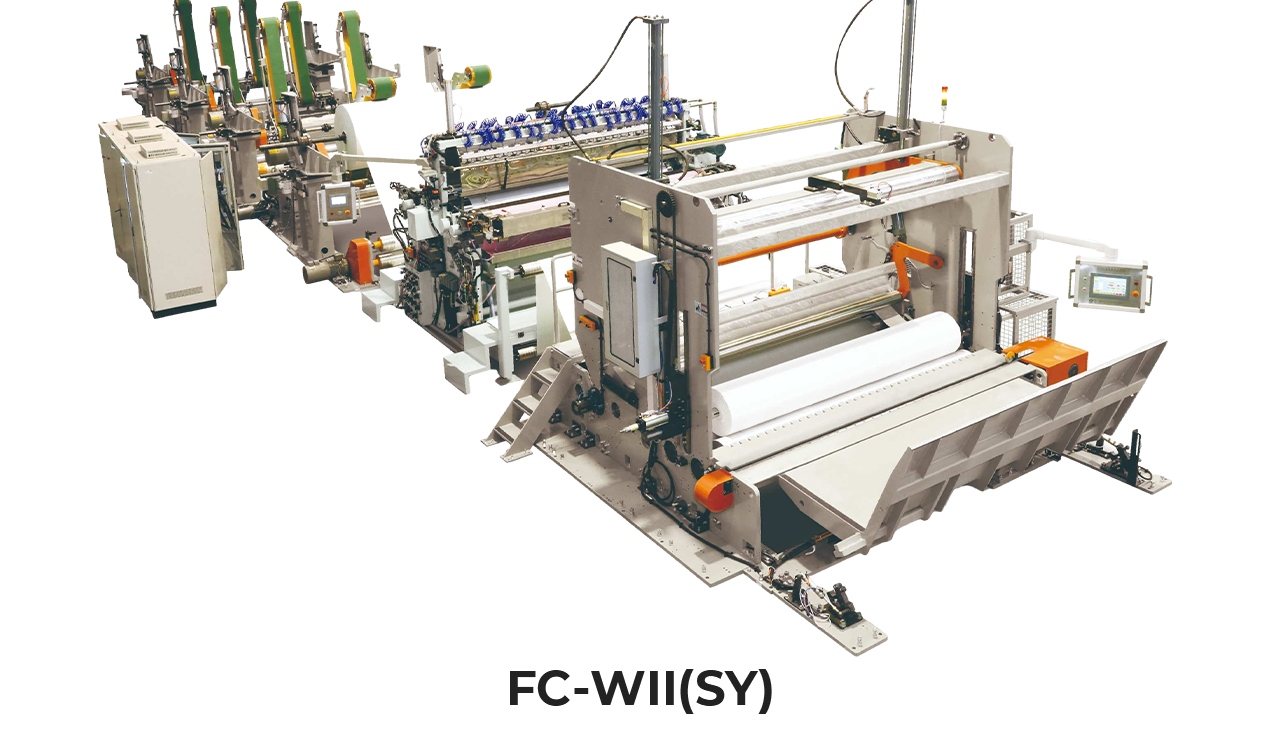
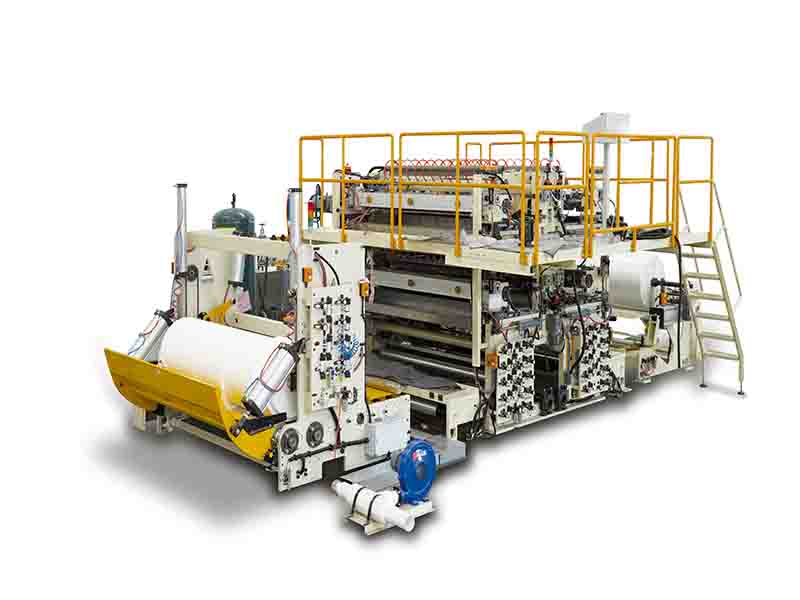
The use of advanced machines, such as the FC Series Toilet Paper Printing Machine, ensures high-quality results and efficiency in production. Additionally, the selection of sustainable materials is crucial to align with environmental considerations and consumer expectations. The machines designed for this purpose, such as those from DCY, provide high working speed and outstanding overprinting accuracy, which contributes to their effectiveness in the market.
Furthermore, using flexographic printing technology allows for clean and precise application of designs, ensuring high-quality output. These machines also utilize precision tissue embossing, which enhances texture and absorbency, further increasing the product's appeal.
Toilet tissue printing and its purpose in tissue production.
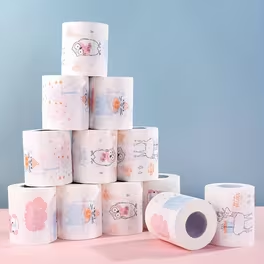
Toilet paper printing refers to the process of applying designs, patterns, or images onto the surface of tissue products, primarily for aesthetic appeal and branding. The method enhances the visual experience and allows customization in the marketplace.
Toilet paper printing enhances product differentiation.
Toilet paper custom print options cater to specific market needs.
Print toilet paper roll provides branding opportunities for businesses.
Toilet tissue printing machine technology facilitates efficient production, and advanced interfolder technology can also play a role in improving production speed and quality. Additionally, the integration of embossing and printing units can further enhance the product by adding texture and improving absorbency, leading to a more competitive edge in the private label production market. Furthermore, the use of embossing rollers ensures high-quality production standards while providing distinctive patterns that elevate the overall product appeal. Moreover, the use of recycled fibers in manufacturing processes supports sustainability efforts while maintaining product quality.
How printed designs add value through branding and visual appeal.
While many may overlook the significance of printed designs on toilet paper, these visuals play an essential role in enhancing brand identity and consumer appeal. The ability to print toilet paper roll with custom designs allows brands to differentiate themselves in a saturated market. Unique patterns or logos can create a memorable experience for consumers, fostering brand loyalty.
Additionally, toilet paper custom print serves as a marketing tool in retail spaces, catching potential buyers' attention and prompting impulse purchases. By effectively communicating a brand's values and aesthetics through printed designs, companies can elevate their product’s perceived value. Furthermore, advanced technology and automation enhancements can ensure that printed designs maintain their integrity throughout the production process.
Ultimately, these artistic elements not only enhance the consumer's bathroom experience but also solidify the brand's presence in the minds of consumers.
The Growing Market for Toilet Paper Custom Print
The market for custom printed toilet paper is experiencing significant growth, driven by rising demand in sectors like hospitality, gifting, and branding. As consumers increasingly favor premium and novelty products, brands are leveraging custom designs to enhance their appeal and differentiate themselves. This trend not only boosts product value but also reflects broader shifts within the expanding global tissue industry.
Additionally, the toilet roll converting lines are projected to be the largest market segment, indicating strong and steady demand for toilet paper. This growth is complemented by advancements in napkin folding machines, which enhance production efficiency and customization in related sectors.
Furthermore, the rise in consumer preference for premium options has led to increased competition in the retail market, incentivizing brands to innovate and differentiate their offerings. Many companies, such as Dechangyu, are leading the way with advanced technology that improves production efficiency and sustainability.
Investing in high-quality machines ensures consistent product quality and reduces downtime, further supporting the growth of this market segment.
Increasing demand for custom printed toilet paper in hospitality, gifting, and branding.
As businesses seek unique ways to enhance their brand presence, the demand for custom printed toilet paper has surged in various sectors, including hospitality, gifting, and branding. Custom printed toilet paper serves as an innovative marketing tool, allowing companies to create memorable experiences for their customers.
Hospitality: Hotels and restaurants use printed toilet paper to reinforce their brand identity, often opting for high-speed, horizontal packaging systems that enhance production efficiency. The integration of automatic feed systems also supports high-volume production without compromising quality. Additionally, the use of high-speed operation technology ensures consistent quality throughout the manufacturing process, making it easier for businesses to utilize a fully automatic system for efficient production.
Gifting: Personalised toilet paper adds a fun touch to special occasions and celebrations.
Branding: Businesses leverage custom designs to promote products and services subtly.
Event Planning: Tailored toilet paper enhances the theme of parties and corporate events.
Sustainability: Eco-friendly options are increasingly popular among consumers looking for responsible choices.
This growing trend reflects a desire for distinctive branding solutions that leave lasting impressions. Additionally, high-performance toilet paper wrapping machines enable efficient production of custom designs, meeting the rising demand for versatile packaging options in the market.
Expanding global tissue industry and consumer preference for premium or novelty products.
With the global tissue industry experiencing significant expansion, consumer preferences are increasingly shifting towards premium and novelty products, including custom printed toilet paper. This trend illustrates a desire for unique experiences and enhanced quality in everyday items.
The market is now segmented, catering to diverse consumer demands. Custom design capabilities in napkin embossing machines can also inspire innovations in printed toilet paper design.
Additionally, advancements in precision folding technology ensure that printed toilet paper maintains high-quality standards throughout the production process, while the integration of IoT and real-time data analytics enhances production efficiency and product consistency. The introduction of non-adhesive sealing technology in production lines further emphasizes the commitment to safety and health in the manufacturing of these products.
Product Type
Key Features
Target Audience
Premium Toilet Paper
Softness, strength, eco-friendly
Luxury consumers
Printed Toilet Paper
Custom designs, personalisation
Gifting, events
Novelty Toilet Paper
Humorous prints, themes
Parties, celebrations
Eco-Friendly Options
Sustainable materials
Environmentally conscious
This diversity in offerings enables brands to capture niche markets and meet the evolving expectations of discerning consumers. Additionally, prioritizing energy efficiency options can enhance brand reputation and appeal to environmentally conscious consumers.
How custom print toilet paper roll differentiates brands and boosts product value.
Custom print toilet paper roll serves as a powerful differentiator in a crowded marketplace, allowing brands to establish a unique identity and connect with consumers on a personal level.
By leveraging customizable designs, brands can enhance product value and create memorable experiences. This innovative approach not only attracts attention but fosters brand loyalty.
Unique Branding: Distinctive designs set brands apart.
Consumer Engagement: Interactive elements create a personal connection. Tissue embossing techniques can further enhance the tactile experience of printed products. The integration of high-speed interfolder machines ensures efficient production of custom designs without compromising quality. Additionally, utilizing high-speed cutting technology guarantees precise cuts for a polished finish. The ability to incorporate texture variation can significantly improve the overall functionality and appeal of the product.
Gift Potential: Custom prints turn products into memorable gifts.
Themed Promotions: Seasonal or event-specific designs boost sales.
Sustainability Messaging: Eco-friendly prints communicate values. The integration of high-precision slitting ensures that custom print designs maintain their quality and appeal throughout production.
Through these strategies, custom print toilet paper roll not only elevates brand visibility but also transforms a mundane product into a compelling choice for consumers seeking individuality.
How Toilet Paper Printing Works
Toilet tissue paper printing involves a specific process that transforms plain rolls into customized products. Various printing methods, such as flexography and digital printing, play vital roles in achieving vibrant designs and patterns. Understanding these techniques reveals the intricate balance between functionality and creativity in the toilet paper industry.
Overview of the Printing Process
The printing process for toilet paper involves several key steps, beginning with the unwinding of jumbo rolls. Ink is applied to the substrate, followed by a drying phase before the material is rewound, cut, and packaged for distribution. Integration of specialized printing machines for tissue products within full converting lines enhances efficiency and guarantees high-quality output.
Additionally, advanced automation and smart technology play a crucial role in optimizing production speed and accuracy throughout the printing process. The use of tissue conversion machines ensures precision in cutting, folding, embossing, and packaging, which are vital for maintaining product quality.
To further enhance production capacity, DCY utilizes cutting-edge solutions tailored for efficient tissue paper production. This process is made more effective through high-speed converting machinery that significantly reduces production time and waste.
Unwinding jumbo rolls, ink application, drying, rewinding, cutting, and packaging.
Unwinding jumbo rolls initiates a complex printing process for toilet paper, where large rolls of base material are prepared for decoration. Key stages include:
Ink application to enhance design
Drying to guarantee adhesion
Rewinding for uniformity
Cutting into manageable sizes
Packaging for distribution
Each step is meticulously controlled, guaranteeing high-quality output and efficient production tailored to market demands. Additionally, understanding material compatibility is essential for selecting appropriate printing techniques to ensure optimal results. The process utilizes a constant-vacuum system for coreless roll rewinding, which helps minimize wrinkles and maintain product quality throughout production.
Moreover, equipment selection plays a crucial role in ensuring that the printing process operates smoothly and efficiently, contributing to overall output quality. The integration of a high production efficiency system streamlines the workflow, allowing for faster turnaround times in the production process.
Furthermore, employing a facial tissue interfolder can enhance packaging efficiency, ensuring that the final product is clean and compact.
Integration of toilet tissue paper printing machines within full converting lines.
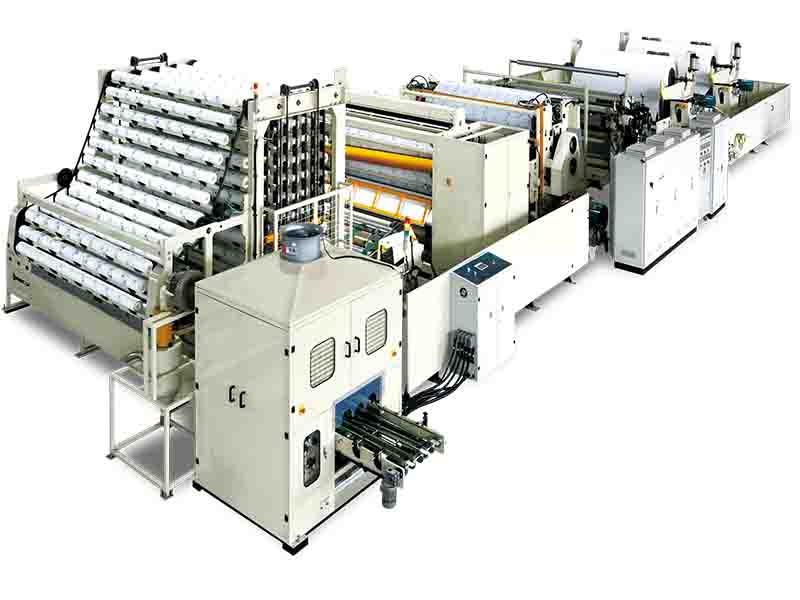
A seamless integration of toilet paper printing machines within full converting lines enhances efficiency and production quality. By synchronizing printing with unwinding, drying, and cutting processes, manufacturers achieve consistent results and minimize downtime. This integration allows for precise control over print designs and production speeds, ensuring that quality standards are met while optimizing resource utilization and reducing operational costs.
Additionally, leveraging high-end conversion machines enables manufacturers to boost their productivity and performance in tissue production. Furthermore, these machines are engineered to meet diverse production requirements, allowing for adaptability in various manufacturing environments. This capability aligns with DCY's commitment to enhancing efficiency in tissue production, providing manufacturers with innovative solutions tailored to their unique needs. The use of breakthrough technology in production lines further enhances operational effectiveness and sustainability.
Moreover, incorporating fully automated systems can significantly reduce manual intervention, leading to even greater productivity and efficiency in the printing process.
Main Printing Methods
Toilet tissue paper printing employs various methods to achieve different results based on production needs. Flexographic printing is favored for its speed and cost-effectiveness in large volumes, while gravure printing excels in producing high-quality, multi-color images. Digital printing, on the other hand, caters to smaller batches and custom designs, offering flexibility in the market.
Flexographic printing – fast, cost-effective for large volumes.
Flexographic printing revolutionizes the production of toilet paper by offering a swift and economical solution for large-scale manufacturing. This method is favored for its efficiency and ability to produce consistent quality. Key advantages include:
High-speed printing capabilities
Cost-effectiveness for bulk orders
Flexibility with various materials
Quick drying times
Simple setup for different designs
These features contribute to its widespread use in the industry. Additionally, this technique aligns with sustainable practices that enhance production capacity while maintaining quality standards. The integration of breakthrough technology in production lines further optimizes the flexographic printing process, ensuring reliable output.
Moreover, the use of advanced calender technology in the production process helps to achieve a smoother finish on printed materials.
Gravure printing – ideal for high-quality, multi-colour images.
While flexographic printing excels in speed and cost-efficiency, gravure printing stands out as the preferred choice for producing high-quality, multi-colour images on toilet paper. This method employs engraved cylinders to transfer ink, allowing for intricate designs and vibrant colours.
Gravure’s ability to deliver consistent, detailed prints makes it ideal for brands seeking to enhance their product appeal through striking visual representation.
Digital printing – suitable for small-batch or customised runs.
Digital printing has emerged as a valuable option for producing toilet paper, particularly when it comes to small-batch or customized runs. This method offers unique advantages, including:
Quick turnaround times
Lower setup costs
Flexibility in design
Ability to print on-demand
Environmentally friendly options
These features make digital printing an attractive choice for brands looking to personalize their products efficiently.
Types of Toilet Tissue Paper Printing Machines
Toilet tissue paper printing machines come in various types, each designed to meet specific production needs. Two-colour and four-colour machines cater to different design complexities, while inline flexo printers streamline the printing process within production lines.
For smaller operations, standalone models offer flexibility, whereas automatic machines are ideal for high-speed, mass production environments.
Two-colour printing machines for simple patterns or logos.
Two-colour printing machines play an essential role in the production of toilet paper featuring simple patterns or logos. These machines efficiently manage the printing process, ensuring high-quality results while maintaining operational control. The process typically involves several key steps:
Unwinding jumbo rolls for printing
Applying ink in two distinct colours
Drying the printed design to prevent smudging
Rewinding the printed paper for easy handling
Cutting and packaging the finished product
This streamlined approach allows manufacturers to produce branded toilet paper with minimal complexity. By focusing on simple designs, two-colour machines provide an effective solution for businesses aiming to enhance their product visibility while controlling production costs and maintaining quality standards.
Four-colour printing machines for detailed, vibrant designs.
While two-colour printing machines are effective for simpler designs, four-colour printing machines elevate the production of toilet paper by enabling the application of detailed and vibrant patterns. These advanced machines utilize a process that includes unwinding jumbo rolls, where the substrate is prepared for printing.
The ink application stage employs a sophisticated technique to guarantee accuracy and vibrancy in designs. Following this, a drying phase guarantees the ink adheres properly, preventing smudging. Once dried, the paper is rewound and cut into appropriate sizes, ready for packaging.
This meticulous process allows manufacturers to create products that stand out in a competitive market, appealing to consumers who appreciate both functionality and aesthetics in their toilet paper choices.
Inline flexo printing machines integrated into production lines.
Inline flexo printing machines represent a significant advancement in the production of toilet paper, seamlessly integrating into existing production lines. These machines enhance efficiency and control by streamlining multiple processes, allowing manufacturers to maintain high quality while reducing downtime. Key features include:
Unwinding jumbo rolls for continuous processing
Precise ink application for consistent designs
Efficient drying systems to optimize throughput
Rewinding capabilities that guarantee quality consistency
Automated cutting and packaging for final product readiness
Standalone toilet paper printing machines for smaller operations.
Standalone toilet tissue paper printing machines cater specifically to smaller operations, offering flexibility and cost-effectiveness. These machines handle the entire printing process independently, allowing businesses to manage production without the need for extensive infrastructure. They efficiently unwind jumbo rolls, apply ink, and dry the printed material, ensuring high-quality results.
After drying, these machines can rewind, cut, and package the finished product, streamlining operations for smaller manufacturers. Their compact design and user-friendly interfaces make them ideal for businesses looking to maintain control over production while minimizing overhead costs.
By investing in standalone machines, smaller operations can customize their output and respond swiftly to market demands, enhancing their competitive edge in the toilet paper industry.
Automatic toilet tissue printing machines for high-speed, mass production.
Automatic toilet tissue printing machines are designed to meet the demands of high-speed, mass production in the toilet paper industry. These machines streamline various processes to improve efficiency and output. They typically involve several integral functions:
Unwinding jumbo rolls for continuous operation
Ink application for precise and vibrant designs
Drying to guarantee quality and durability of prints
Rewinding to prepare the printed tissue for cutting
Cutting and packaging for final product readiness
Custom Print Toilet Paper – Design and Branding Options
Custom print toilet paper presents unique branding opportunities for corporate, hospitality, and event settings. Key considerations include the selection of materials that guarantee both softness and absorbency while maintaining printability. Additionally, the use of eco-friendly, water-based inks allows for vibrant designs without compromising sustainability or comfort.
Corporate, hospitality, and event branding opportunities.
Businesses across various sectors are discovering the unique branding potential of custom print toilet paper roll. This unconventional marketing tool offers a memorable way to engage customers while enhancing brand visibility. Companies in corporate, hospitality, and event spaces are leveraging this opportunity to create an impactful presence.
Corporate Events: Elevate company gatherings with personalized branding.
Restaurants and Cafés: Enhance the dining experience through customized rolls.
Hotels: Reinforce the brand identity in guest restrooms.
Weddings and Parties: Add a personal touch to special events.
Promotional Campaigns: Create buzz with eye-catching designs.
Utilizing custom print toilet paper roll allows businesses to convey messages uniquely, ensuring that their brand remains in the minds of consumers long after their visit.
Material considerations: softness, absorbency, and printability.
When selecting custom print toilet paper roll, material considerations play a crucial role in ensuring both functionality and aesthetics. Softness is paramount; consumers prioritize comfort, making it essential for brands to choose materials that provide a gentle touch.
Absorbency is another critical factor, as effective moisture management enhances user experience and reduces waste. The choice of substrate directly impacts printability, influencing how well designs adhere and appear on the paper. High-quality materials allow for vibrant colors and sharp images, elevating branding efforts.
Ultimately, selecting the right combination of softness, absorbency, and printability not only meets consumer expectations but also enhances the overall brand image, creating a memorable experience that resonates with customers.
Eco-friendly and water-based inks for safe, sustainable printing.
As the demand for sustainable products grows, the choice of printing materials extends beyond paper quality to include the inks used in the process. Eco-friendly and water-based inks are increasingly favored for their minimal environmental impact and safety for consumers. These inks offer a range of benefits that align with sustainable practices.
Compatibility with recycled paper, enhancing sustainability
Vibrant colors without harmful chemicals
Balancing design vibrancy with tissue comfort.
While vibrant designs can enhance the aesthetic appeal of custom printed toilet paper, achieving a balance with tissue comfort remains fundamental for consumer satisfaction. Brands must prioritize the tactile experience alongside visually engaging graphics. High-quality materials and soft textures are essential, as they guarantee a comfortable and pleasant user experience.
Designers should also consider the printing techniques employed; the use of safe, non-toxic inks is crucial to maintain softness and absorbency. Striking this balance not only satisfies consumer expectations but also reinforces brand identity.
Ultimately, successful custom printed toilet paper combines eye-catching designs with the comfort and practicality that consumers demand, establishing a competitive edge in the market. This dual focus fosters brand loyalty and encourages repeat purchases.
Advantages of Modern Toilet Paper Printing Machines
Modern toilet tissue paper printing machines offer significant advantages that enhance production efficiency and quality. With energy-saving technologies and low-ink consumption, these machines operate continuously while maintaining superior print resolution and consistent color quality. Their automated systems also provide versatility for various roll sizes and configurations, making them a valuable asset in the industry.
High efficiency and continuous operation.
Revolutionizing the production landscape, high efficiency and continuous operation stand out as key advantages of contemporary toilet tissue printing machines. These machines are designed to maximize output while maintaining quality, ensuring that manufacturers can meet increasing market demands effectively.
Faster production speeds reduce downtime and increase profitability.
Seamless integration with existing manufacturing processes enhances workflow.
Consistent quality minimizes waste and enhances customer satisfaction.
Reduced labor costs through automation allows for reallocating resources.
Scalability supports expansion without major overhauls to the system.
These features not only optimize production capabilities but also empower manufacturers with greater control over their operations, leading to improved competitiveness in the market.
Energy-saving, low-ink consumption technology.
As manufacturers seek to balance productivity with sustainability, energy-saving and low-ink consumption technology has emerged as an essential advantage in toilet tissue printing. These modern printing machines notably reduce operational costs by consuming less energy during production, making them an attractive choice for environmentally conscious brands.
Additionally, advancements in ink formulations allow for more efficient use, minimizing waste while still delivering vibrant prints. This technology not only supports eco-friendly initiatives but also enhances profitability by lowering material costs. By incorporating energy-saving features, manufacturers can maintain higher output levels without compromising on quality.
Ultimately, this innovation empowers companies to take control of their production processes while aligning with global sustainability goals, promoting a responsible approach to toilet paper manufacturing.
Superior print resolution and consistent colour quality.
While the demand for high-quality printing continues to rise, the latest advancements in toilet paper printing machines deliver superior print resolution and consistent color quality. These innovations guarantee that manufacturers can produce eye-catching designs that meet consumer expectations. The benefits of modern printing technology include:
High-definition imagery for intricate designs
Consistent color matching across production runs
Enhanced durability of printed patterns
Reduced ink bleeding for cleaner prints
Increased production efficiency without compromising quality
These features enable manufacturers to maintain a competitive edge in the market. As consumers seek unique and vibrant designs, the ability to deliver superior print quality becomes essential for brand differentiation and consumer satisfaction.
Automated alignment and digital control systems.
Modern toilet tissue printing machines leverage automated alignment and digital control systems to enhance production efficiency and precision. These advanced technologies allow for real-time adjustments, ensuring that print placements are consistently accurate across multiple rolls.
The automated alignment minimizes human error, reducing waste and maximizing resource utilization. Digital control systems facilitate seamless integration with existing manufacturing processes, enabling operators to monitor and adjust parameters swiftly.
This level of control results in superior print quality, as colors and designs are consistently reproduced without deviation. Additionally, the data collected can inform future production runs, optimizing settings based on performance analytics.
Ultimately, these innovations empower manufacturers to achieve greater control over their output, leading to improved quality and cost-effectiveness.
Versatility for multiple roll sizes and configurations.
The advanced technologies employed in contemporary toilet paper printing machines considerably enhance their versatility, accommodating a variety of roll sizes and configurations. This adaptability allows manufacturers to meet diverse market demands efficiently, ensuring peak production workflows.
Customizable printing options for branding and designs
Compatibility with standard and jumbo roll formats
Flexibility in producing various sheet counts per roll
Ability to switch between single-ply and multi-ply production
Integration with automated systems for streamlined operations
Such features not only enhance manufacturing processes but also empower businesses to tailor their products to consumer preferences, ultimately boosting market competitiveness. By leveraging these advanced capabilities, companies can maintain control over production quality and efficiency.
How to Choose the Right Toilet Paper Printing Machine
Choosing the right toilet tissue paper printing machine involves careful consideration of several key factors. Production capacity and automation level must align with business needs, while print quality should meet expectations for color and registration accuracy.
Additionally, evaluating setup options, certifications, and manufacturer support can greatly impact operational efficiency and product quality.
Evaluate production capacity and automation level.
When evaluating production capacity and automation level in toilet tissue paper printing machines, manufacturers must consider not only their current output needs but also future growth potential. A clear understanding of these factors can lead to informed decisions that enhance efficiency and profitability.
Key considerations include:
Output Speed: Assess the machine's production rate to meet demand.
Flexibility: Determine if the machine can adapt to different sizes and designs.
Automation Features: Evaluate the level of automation for reduced labor costs and increased consistency.
Maintenance Requirements: Understand the upkeep needed to guarantee continuous operation.
Scalability: Consider whether the machine can be upgraded or expanded to support future growth.
Check print quality (number of colours, registration accuracy).
Guaranteeing high print quality in toilet paper printing machines requires careful attention to factors such as the number of colors used and registration accuracy. The number of colors directly affects the visual appeal and brand recognition of the product. Machines that support multiple colors allow for more intricate designs, enhancing market competitiveness.
Registration accuracy, on the other hand, guarantees that each color aligns perfectly during the printing process. Misalignment can lead to unsightly results, diminishing product quality and consumer trust. Regular calibration and testing of the printing setup are essential to maintain ideal registration.
By prioritizing these factors, manufacturers can achieve superior print quality, thereby meeting customer expectations and solidifying their position in the market.
Decide between inline or standalone setups.
How does one determine the best printing setup for toilet paper production? The choice between inline and standalone setups hinges on multiple factors that impact efficiency and output. Inline systems integrate printing directly into the manufacturing process, allowing for seamless operation and reduced labor costs.
Conversely, standalone machines offer flexibility and the potential for high-quality prints but may require additional handling.
Key considerations include:
Production volume: Higher volumes may benefit from inline systems.
Print complexity: Standalone machines can handle intricate designs better.
Space constraints: Inline setups save floor space.
Budget: Evaluate initial investment versus long-term savings.
Operational workflow: Assess how each option fits into existing processes.
Making an informed decision guarantees ideal performance in production.
Confirm CE/ISO certification and manufacturer reputation.
A thorough evaluation of CE and ISO certifications, along with the manufacturer's reputation, is essential for selecting the right toilet tissue printing machine. CE certification guarantees that the equipment meets European health, safety, and environmental protection standards, while ISO certification reflects a commitment to quality management and operational excellence.
A reputable manufacturer typically provides transparent information about their certifications, which can instill confidence in potential buyers. Researching customer reviews and industry feedback further aids in evaluating the manufacturer's reliability. Engaging with industry peers or attending trade shows can also provide insights into the manufacturer's standing.
Ultimately, a well-certified machine from a respected manufacturer minimizes risks and enhances production efficiency, giving buyers greater control over their investment.
Assess after-sales service, training, and spare parts availability.
After confirming certifications and evaluating the manufacturer's reputation, attention should turn to after-sales service, training, and spare parts availability. These factors are essential in ensuring operational efficiency and minimizing downtime. A reliable manufacturer will provide thorough support, ensuring that the buyer can navigate any challenges effectively.
After-sales service: Availability of technical support and response times.
Training programs: Access to user training for staff on machine operation.
Spare parts availability: Assurance of easy access to essential components.
Maintenance services: Options for scheduled or on-demand maintenance.
Warranty terms: Clarity on warranty coverage and duration.
Investing time in evaluating these elements can empower buyers to make informed decisions, ultimately enhancing productivity and control over their printing operations.
Maintenance and Best Practices
Effective maintenance and best practices are essential for optimizing toilet paper printing operations. Regular cleaning of ink trays and print cylinders, along with precise web tension and alignment settings, can considerably enhance performance. Additionally, scheduled maintenance for motors and operator training in consistent practices guarantee long-lasting results and reliability.
Regular cleaning of ink trays and print cylinders.
Maintaining the cleanliness of ink trays and print cylinders is essential for ideal printing performance in toilet paper manufacturing. Regular cleaning prevents ink buildup, reduces defects, and prolongs equipment lifespan. Implementing a structured cleaning schedule enhances overall production quality.
Schedule daily inspections to identify ink residue.
Utilize appropriate cleaning solutions to avoid damaging surfaces.
Employ soft cloths or brushes to gently remove deposits.
Document cleaning processes for accountability and consistency.
Train staff on best practices to guarantee compliance and efficiency.
Correct web tension and alignment settings.
While ensuring correct web tension and alignment settings may seem straightforward, it plays an essential role in the overall efficiency of toilet tissue paper printing operations. Maintaining ideal web tension minimizes the risk of wrinkles and misalignment, which can lead to wasted materials and compromised print quality.
Operators should regularly monitor tension levels, adjusting them according to the specific paper weight and type used.
Additionally, precise alignment of the printing plates and rollers is vital for achieving consistent print results. Any misalignment can cause uneven ink distribution and defective prints.
Implementing these best practices not only enhances print quality but also extends the lifespan of the equipment, ultimately contributing to a more streamlined and cost-effective production process.
Scheduled maintenance for motors and control systems.
Scheduled maintenance for motors and control systems is essential for ensuring the reliability and efficiency of toilet tissue printing operations. Regularly scheduled checks can prevent unexpected breakdowns and prolong the lifespan of equipment. Key maintenance practices include:
Inspecting electrical connections for wear and corrosion
Lubricating moving parts to reduce friction
Testing control system software for updates and errors
Monitoring motor temperatures to detect overheating
Calibrating sensors for accurate performance
Implementing these practices not only enhances operational control but also minimizes downtime. By adhering to a structured maintenance schedule, facilities can achieve consistent performance, ultimately leading to improved productivity and cost-efficiency in toilet paper production.
Operator training for consistent performance.
Effective operator training plays an essential role in achieving consistent performance within toilet paper printing operations. Thorough training programs equip operators with the necessary skills to manage machinery, troubleshoot issues, and maintain peak output quality.
Key components of training include understanding printing processes, equipment calibration, and quality control measures. Regular assessments guarantee operators remain proficient and informed about any updates in procedures or technology. Encouraging a culture of continuous learning fosters accountability and enhances production efficiency.
Additionally, hands-on experience paired with theoretical knowledge allows operators to make informed decisions during production runs. Investing in operator training not only maximizes productivity but also reduces the likelihood of errors, ultimately leading to higher-quality products and improved operational control.
Use of genuine inks and spare parts to extend lifespan.
Operator training not only focuses on machine management but also emphasizes the importance of using genuine inks and spare parts to guarantee equipment longevity. By adhering to this practice, operators can considerably reduce the frequency of breakdowns and enhance printing quality. Genuine components are designed to work seamlessly with the machinery, promoting peak performance.
Guarantees compatibility with existing equipment
Reduces risk of malfunctions and costly repairs
Maintains consistent print quality and color accuracy
Extends the operational lifespan of machinery
Supports manufacturer warranty and service agreements
Incorporating genuine inks and spare parts into operational protocols empowers operators to achieve greater control over production efficiency and product quality, ultimately driving profitability and reliability in toilet tissue paper printing.
Frequently Asked Questions
What Are the Costs Associated With Toilet Paper Printing Startups?
Costs for toilet tissue paper printing startups include equipment purchases, raw materials, design software, marketing expenses, and operational overhead. Additionally, compliance with health regulations and quality control measures can greatly impact the financial investment required.
How Do Regulations Affect Toilet Paper Printing Businesses?
Regulations greatly impact toilet tissue printing businesses by imposing manufacturing standards, labeling requirements, and environmental guidelines. Compliance guarantees product safety and quality, ultimately influencing operational costs and market entry strategies for aspiring entrepreneurs in the industry.
Can Toilet Paper Be Recycled After Printing?
Toilet paper can generally be recycled after printing, provided the inks used are eco-friendly and water-based. However, the recycling process may vary based on local facilities and regulations regarding printed paper products.
What Materials Are Used in Eco-Friendly Toilet Tissue Paper Printing?
Eco-friendly toilet paper printing utilizes biodegradable inks, recycled paper, and sustainable adhesives. These materials minimize environmental impact, ensuring that the production process aligns with eco-conscious values while maintaining quality and functionality in everyday use.
How Can I Market My Custom Printed Toilet Paper Effectively?
To effectively market custom printed toilet paper, leveraging social media can boost visibility; 70% of consumers prefer brands with strong online presence. Engaging storytelling and unique designs resonate with eco-conscious buyers, fostering brand loyalty and repeat purchases.
Conclusion
In the evolving world of toilet tissue paper printing, where creativity meets necessity, businesses are presented with unprecedented opportunities for innovation and branding. Like a blank canvas awaiting a masterpiece, custom printed toilet paper allows for unique expressions that resonate with consumers.
As the market grows, embracing advanced printing technologies and sustainable practices will be essential. Ultimately, the journey through this niche industry reveals that even the simplest products can become a canvas for imagination and a catalyst for brand identity.
Why Choose DeChangYu’s Toilet Paper Printing Machines
With more than 30 years of experience in tissue converting and printing technology, Foshan DeChangYu Paper Machinery Manufacture Co., Ltd. stands as a trusted global partner for efficient and innovative toilet paper production.
Backed by advanced R&D and over 60 national patents, DeChangYu continuously drives industry progress through innovations such as glue-free tail sealing technology and intelligent digital control systems that enhance precision, safety, and sustainability.
All equipment is ISO 9001:2015 and CE certified, ensuring compliance with international quality and safety standards. DeChangYu also offers custom-engineered solutions tailored to specific branding or production needs, from high-speed toilet tissue paper printing machines to integrated tissue conversion lines.
Supported by a global service network spanning more than 160 countries, DeChangYu provides reliable installation, training, and after-sales support—helping clients achieve consistent performance, lower operating costs, and premium printed tissue products.
One comment on “Complete Guide to Toilet Paper Printing: Machines, Customisation, and Production Insights”
[…] reading can continue with toilet paper printing machines, tissue lotion machine, about Dechangyu and dealership opportunities for buyers who want to […]





 English
 Español
 العربية
 Português do Brasil
 Русский
[…] reading can continue with toilet paper printing machines, tissue lotion machine, about Dechangyu and dealership opportunities for buyers who want to […]