How Automatic Tissue Machines Improve Efficiency and Reduce Labour Costs in Modern Tissue Manufacturing
Imagine a bustling tissue manufacturing facility, where machines hum steadily, streamlining production without the need for constant human oversight. Automatic tissue machines are transforming this landscape, integrating advanced technologies that enhance efficiency and greatly cut labor costs. By minimizing manual intervention, these systems not only reduce errors but also optimize resource use. What other advantages do they offer, and how can they reshape operational strategies in modern manufacturing?
Key Takeaways
Fully automatic tissue machines streamline production processes, significantly enhancing efficiency and reducing the need for manual labor.
Automation minimizes human errors and operational interruptions, leading to consistent product quality and lower production costs.
Advanced technologies optimize resource usage and reduce waste, contributing to overall cost-effectiveness in tissue manufacturing.
High-speed production capabilities meet rising consumer demand while maintaining operational efficiency, boosting profitability.
Integration of smart automation and digital management enhances production visibility, allowing for real-time monitoring and adjustments, further reducing labor costs.
Introduction
As the demand for tissue products continues to rise, understanding the role of automatic tissue machines in manufacturing becomes vital. The automatic tissue paper machine is a cornerstone of modern production, streamlining processes that once relied heavily on manual labor. By integrating a fully automatic tissue production line, manufacturers can greatly enhance efficiency, reduce operational costs, and maintain consistent quality standards. These machines utilize advanced technologies to automate various stages, from pulping to converting, ensuring minimal human intervention. This not only increases output but also allows for precise control over production parameters, enabling you to optimize resource usage and waste reduction. In an increasingly competitive market, leveraging these automated systems is essential for achieving and sustaining profitability. Furthermore, this automation leads to reduced labor costs and contributes significantly to the overall cost-effectiveness of the manufacturing process.
Why Tissue Manufacturers Are Accelerating Automation Upgrades
As you assess the tissue manufacturing landscape, you'll notice rising global labor costs considerably impacting operational strategies. Consumer demand for faster and more stable production highlights the limitations of traditional semi-automatic processes, which often create bottlenecks. Consequently, it becomes clear why fully automatic tissue production lines are increasingly viewed as the industry standard for efficiency and scalability. Additionally, energy efficiency features are becoming critical as they significantly reduce operational costs while supporting sustainability efforts.
Rising Global Labour Costs Are Changing Tissue Manufacturing
With rising global labor costs putting pressure on tissue manufacturers, many are compelled to rethink their production strategies. Labor shortages and increasing operator costs are driving this shift, making manual production less sustainable. As you evaluate your operations, investing in automation becomes paramount. Upgrading to a tissue converting machine can greatly enhance efficiency, allowing for streamlined processes that reduce reliance on manual labor. Additionally, implementing an automatic tissue packaging system not only speeds up production but also minimizes training requirements for new staff. By embracing these technologies, you gain greater control over your production line, ensuring stability and cost-effectiveness in an unpredictable labor market. Ultimately, this proactive approach positions your business for long-term success in a competitive landscape. Furthermore, advancements in high-speed operation enable manufacturers to significantly increase production capacity while reducing energy consumption.
Consumer Demand Requires Faster and More Stable Production
While consumer demand for tissue products continues to escalate, manufacturers face the pressing need to enhance production capabilities. High-speed tissue machines are essential in meeting higher output expectations and shorter delivery times. You’ll find that integrating smart tissue factory automation allows for streamlined processes, ensuring consistent tissue quality across various SKUs. This technology minimizes human error and boosts operational efficiency, giving you more control over production cycles. With automation upgrades, you can respond swiftly to market fluctuations and consumer preferences, reducing lead times while increasing output. Ultimately, investing in advanced machinery and automation not only aligns with consumer demands but also positions you competitively in a rapidly evolving marketplace. Embracing these innovations is not just beneficial; it’s essential. Furthermore, high-speed operation in automated tissue production lines significantly reduces downtime and enhances overall productivity.
Traditional Semi-Automatic Production Creates Bottlenecks
Although traditional semi-automatic production systems have their advantages, they often lead to significant bottlenecks in the tissue manufacturing process. As a manufacturer, you might find that these inefficiencies hinder your operations and compromise quality. Consider the following challenges:
Manual material handling increases the risk of errors and injuries.
Inconsistent product quality can result in customer dissatisfaction.
Higher downtime risks disrupt workflow and reduce output.
Slower packaging processes delay delivery times.
Relying on outdated tissue paper converting equipment, such as a facial tissue production machine, can exacerbate these issues. By recognizing these bottlenecks, you can begin evaluating automation upgrades that will streamline your operations and enhance overall productivity. Embracing automation is essential for staying competitive in today’s fast-paced market, especially as modern machines with advanced technologies improve performance and sustainability.
Why Fully Automatic Tissue Production Lines Are Becoming the Industry Standard
The limitations of traditional semi-automatic systems have prompted many tissue manufacturers to explore fully automatic production lines as a solution to enhance operational efficiency. By integrating intelligent tissue manufacturing equipment, you're reducing human intervention, which minimizes the risk of errors and bottlenecks. This shift not only streamlines processes but also greatly boosts the scalability of your operations. Fully automatic systems allow for real-time monitoring and adjustments, ensuring your toilet paper production line runs smoothly and efficiently. As you change to these advanced systems, you'll find that operational efficiency improves, enabling you to meet market demands with greater agility. Ultimately, the move towards automation is becoming essential for maintaining competitive advantage in the tissue manufacturing industry. Additionally, the use of fully automated systems significantly enhances product hygiene by reducing contamination risks associated with manual operations.
What Is an Automatic Tissue Machine?
An automatic tissue machine streamlines the production of tissue products by employing advanced technology to enhance efficiency and consistency. You’ll notice a distinct difference between semi-automatic and fully automatic systems, each designed to meet varying production needs. Understanding the main types of converting equipment and the key components involved is essential for grasping how these machines operate in modern manufacturing environments. These machines often incorporate advanced automation and smart technology, which significantly optimizes production speed and accuracy.
Difference Between Semi-Automatic and Fully Automatic Tissue Machines
When considering the differences between semi-automatic and fully automatic tissue machines, it is essential to understand how each system impacts production efficiency and labor requirements.
Labour requirements: Semi-automatic machines need more human oversight, while fully automatic machines minimize labor involvement.
Production speed: Fully automatic machines generally operate at higher speeds, enabling greater output.
Automation level: Fully automatic systems offer complete automation, reducing the need for manual intervention, unlike semi-automatic alternatives.
Operational consistency: Fully automatic machines provide more consistent quality, as human error is less likely to affect production. Additionally, features like automatic pneumatic proportional valve enhance the precision of the rewinding process, further contributing to efficiency.
Ultimately, the choice between these machines hinges on how much control you want over the manufacturing process and the efficiency levels you aim to achieve.
Main Types of Automatic Tissue Converting Equipment
When considering automatic tissue converting equipment, you’ll encounter several key types designed for specific products. Automatic toilet roll production lines, kitchen towel production lines, and facial tissue production lines each streamline manufacturing processes to enhance efficiency and output. Additionally, high-speed slitting rewinders and automatic embossing and printing machines play critical roles in ensuring quality and precision throughout production. These machines, such as the Automatic Toilet Roll Rewinding Machine, are engineered for seamless integration into modern tissue production lines, improving overall operational efficiency.
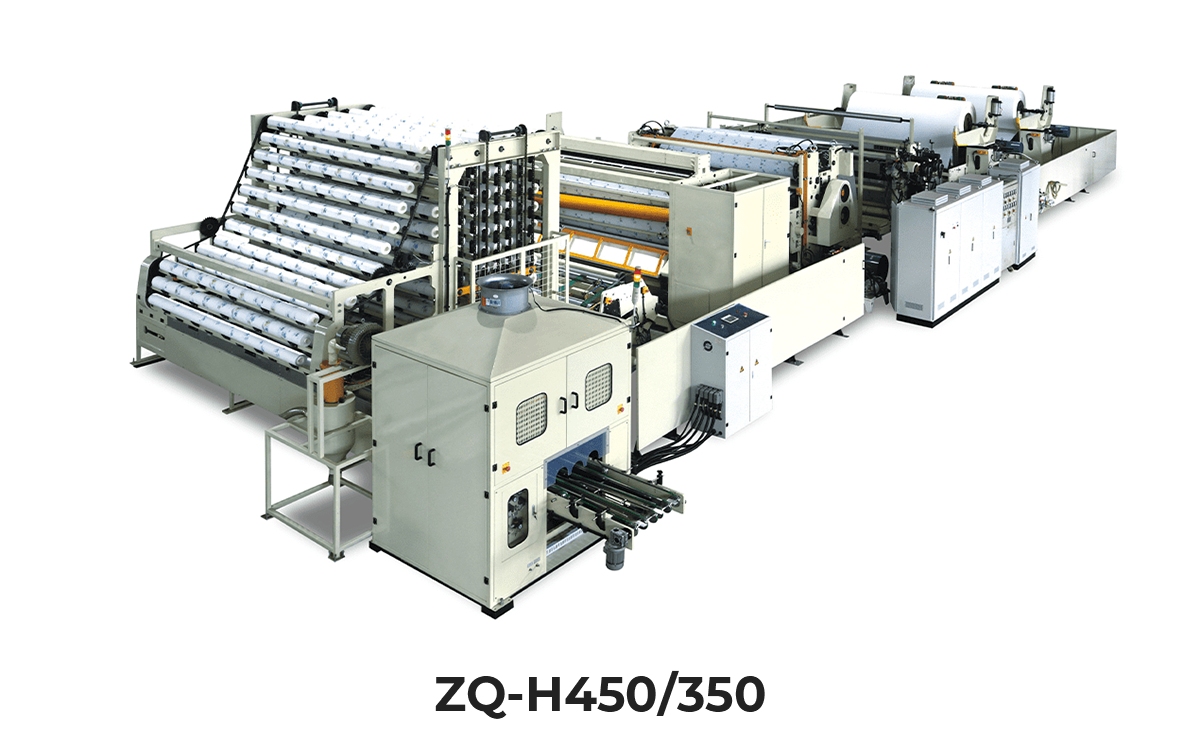
1. Automatic Toilet Roll Production Lines
As you explore the world of automatic tissue machines, you'll find that automatic toilet roll production lines represent an essential segment of this technology. These lines streamline the manufacturing process, enhancing efficiency and precision. Key features include:
High-speed winding capabilities
Automated cutting and packaging
Quality control mechanisms
User-friendly interfaces
Additionally, the non-stop type machine allows for continuous rewinding, which significantly boosts production efficiency.
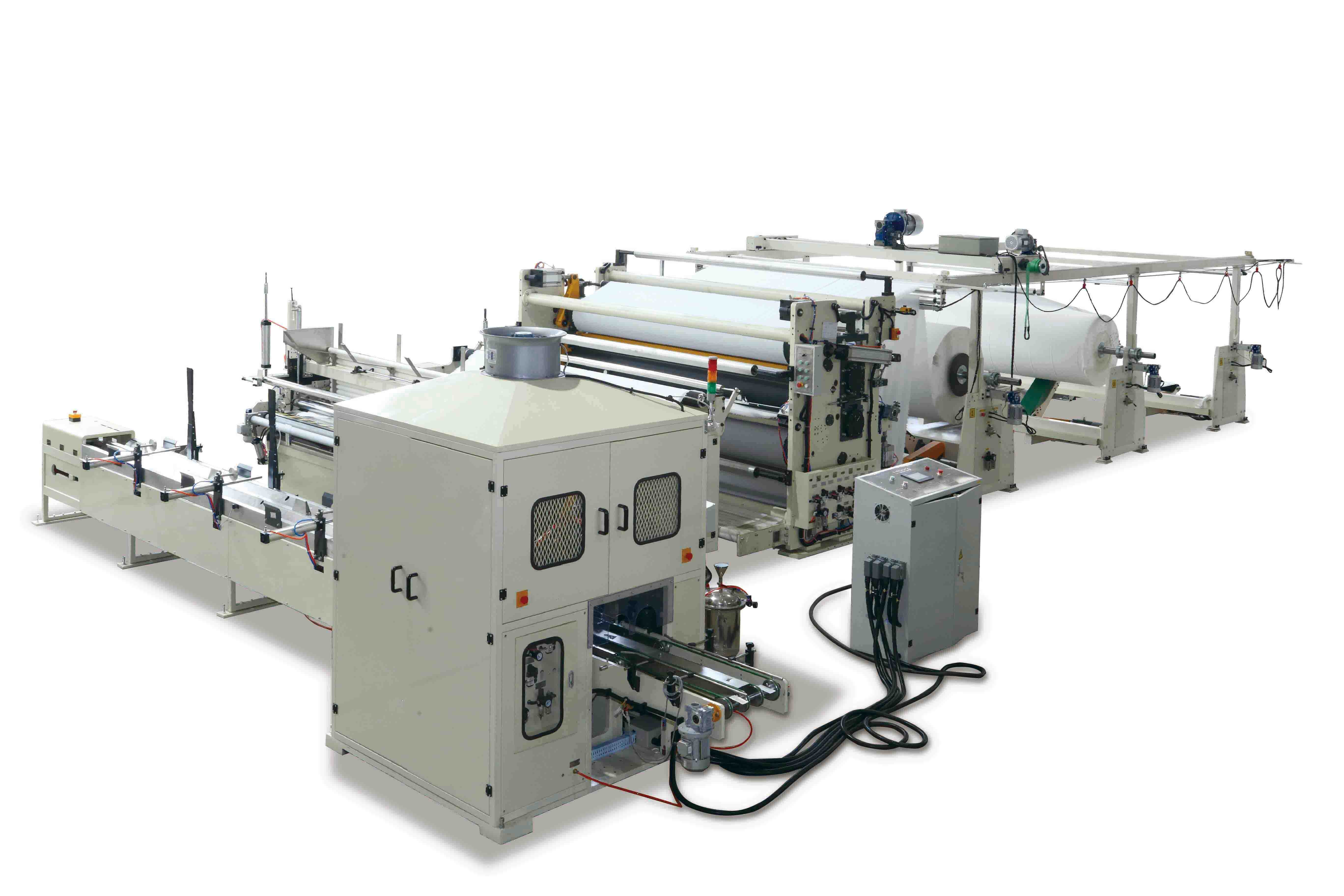
2. Automatic Kitchen Towel Production Lines
Automatic kitchen towel production lines are an essential component of the tissue manufacturing industry, designed to optimize the conversion of raw materials into finished products. These systems integrate high-speed converting processes, ensuring precise cutting, folding, and packaging. By controlling each step, you minimize waste and enhance product quality, ultimately achieving greater efficiency and reduced labour costs in your operations. Additionally, the use of fully automated solutions significantly reduces manual intervention, allowing one operator to manage multiple machines and save on labor costs.
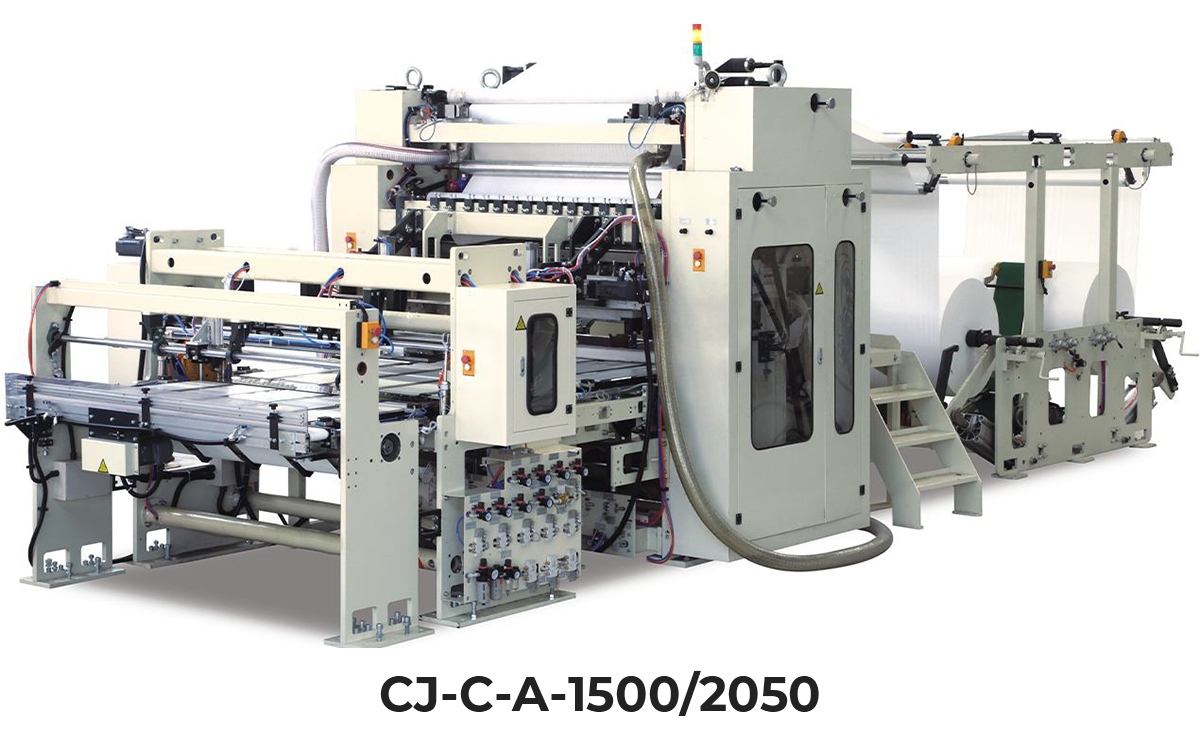
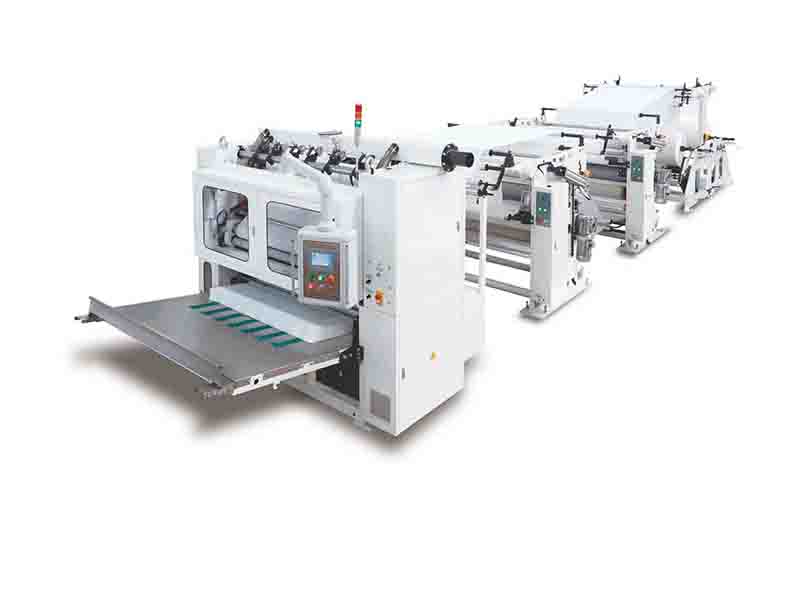
3. Automatic Facial Tissue Production Lines
In the domain of tissue manufacturing, automatic facial tissue production lines represent a significant advancement in converting technology. These systems streamline processes, enhance precision, and improve overall productivity. Key features include:
Automated folding mechanisms
High-speed cutting capabilities
Efficient packing solutions
Integrated quality control systems
With these innovations, you can achieve greater efficiency while minimizing labor costs, ultimately allowing for better production management. Additionally, the incorporation of waste reduction mechanisms ensures that raw materials are fully utilized, further enhancing operational efficiency.
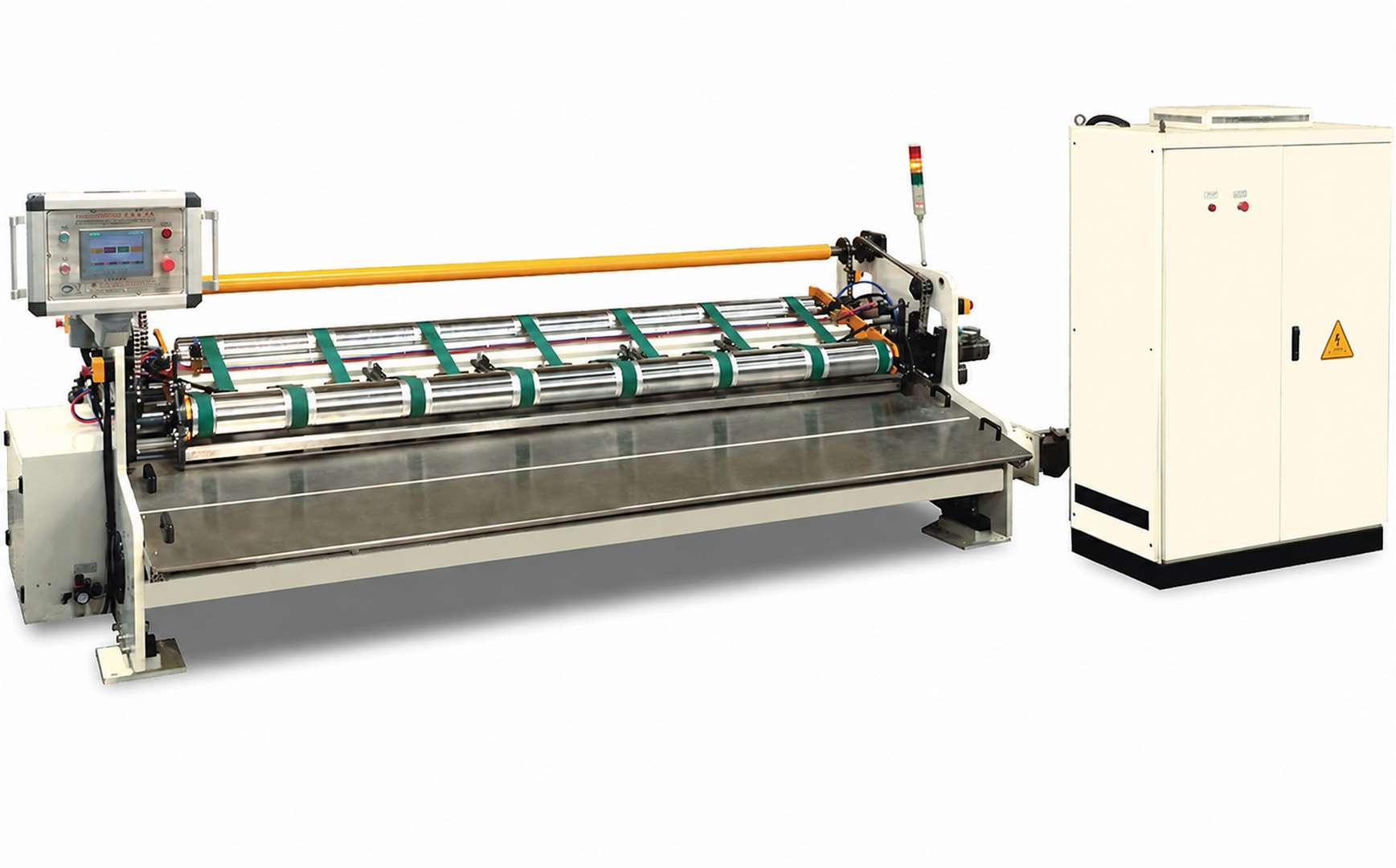
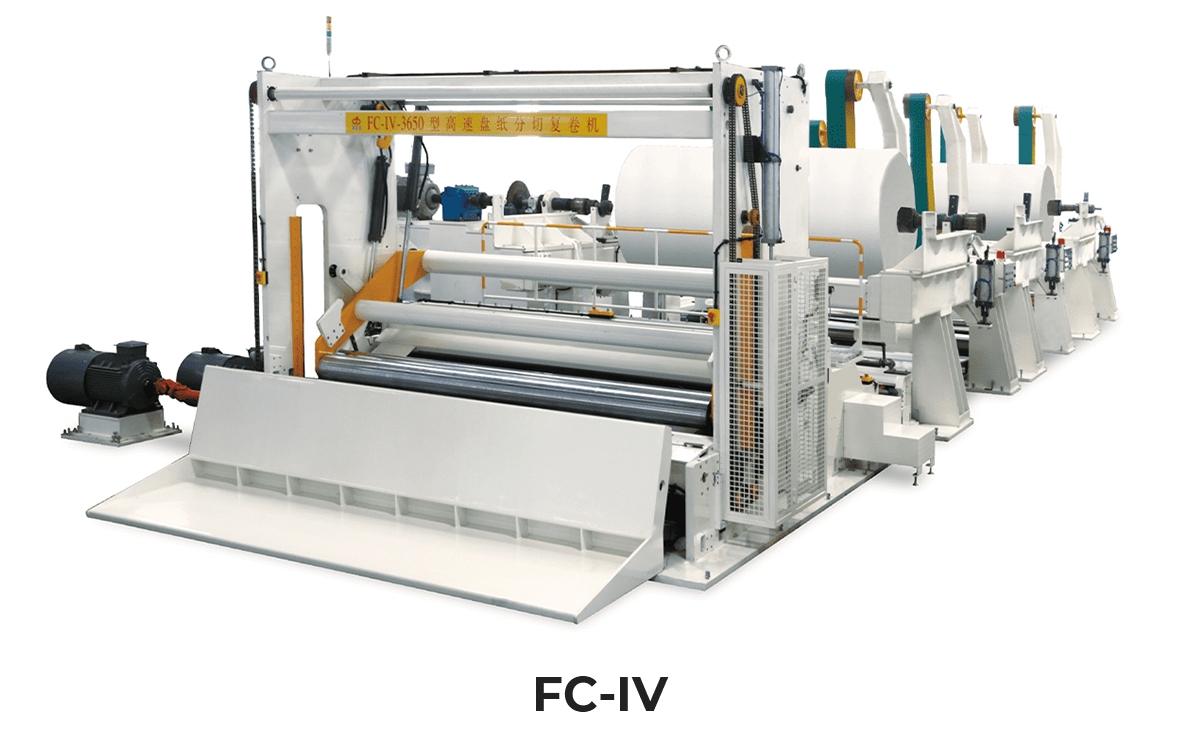
4. High-Speed Slitting Rewinders
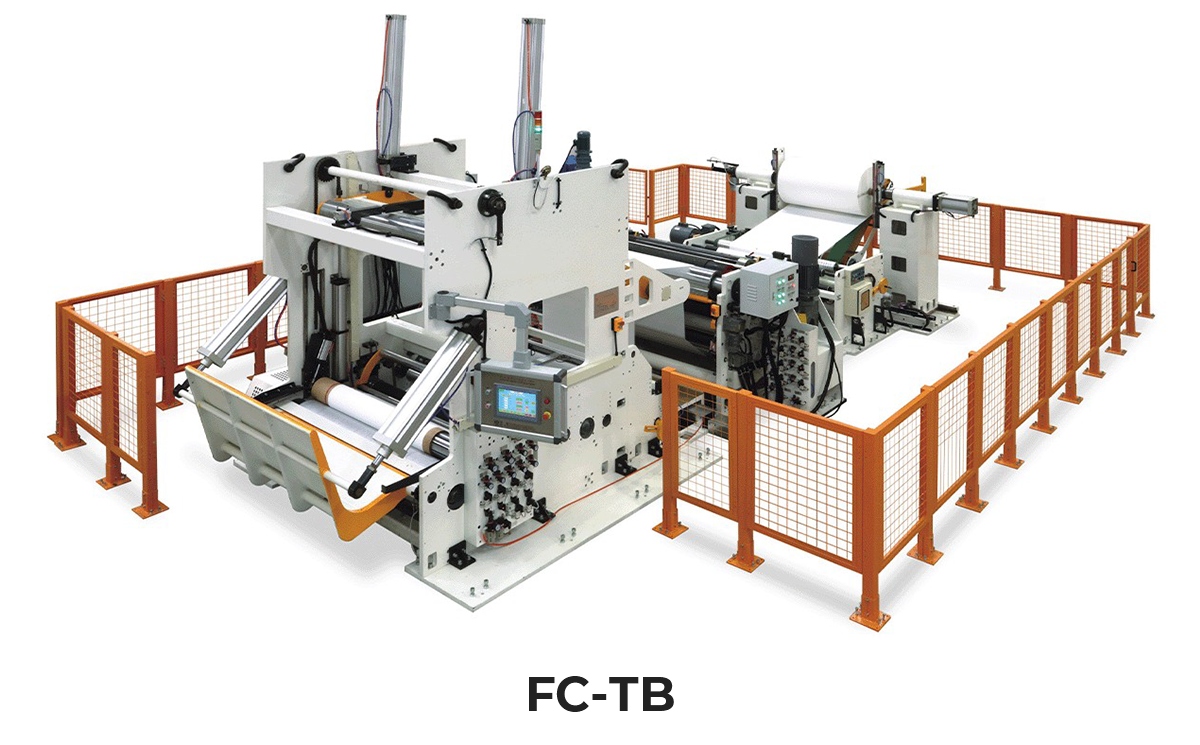
High-speed slitting rewinders are essential components in the tissue manufacturing process, designed to transform large parent rolls into smaller, more manageable rolls for end-use. These machines optimize production efficiency through precise cutting and rewinding, ensuring consistent roll quality and minimizing waste. The Toilet Paper Slitting Machine enhances operational efficiency by automating processes and maintaining superior cut quality.
Feature
Benefit
High-speed operation
Increased throughput
Precision slitting
Enhanced product quality
Automated controls
Reduced labor intervention
5. Automatic Embossing and Printing Machines
When it comes to enhancing the aesthetic and functional qualities of tissue products, automatic embossing and printing machines play a critical role in the manufacturing process. They guarantee high precision and efficiency by:
Creating unique patterns and textures
Securing consistent quality across batches
Reducing waste during production
Streamlining customization for various markets
These benefits empower you to maintain control over your product's appeal and performance. Furthermore, the integration of flexographic printing technology allows for high-speed production while ensuring compatibility with delicate substrates.
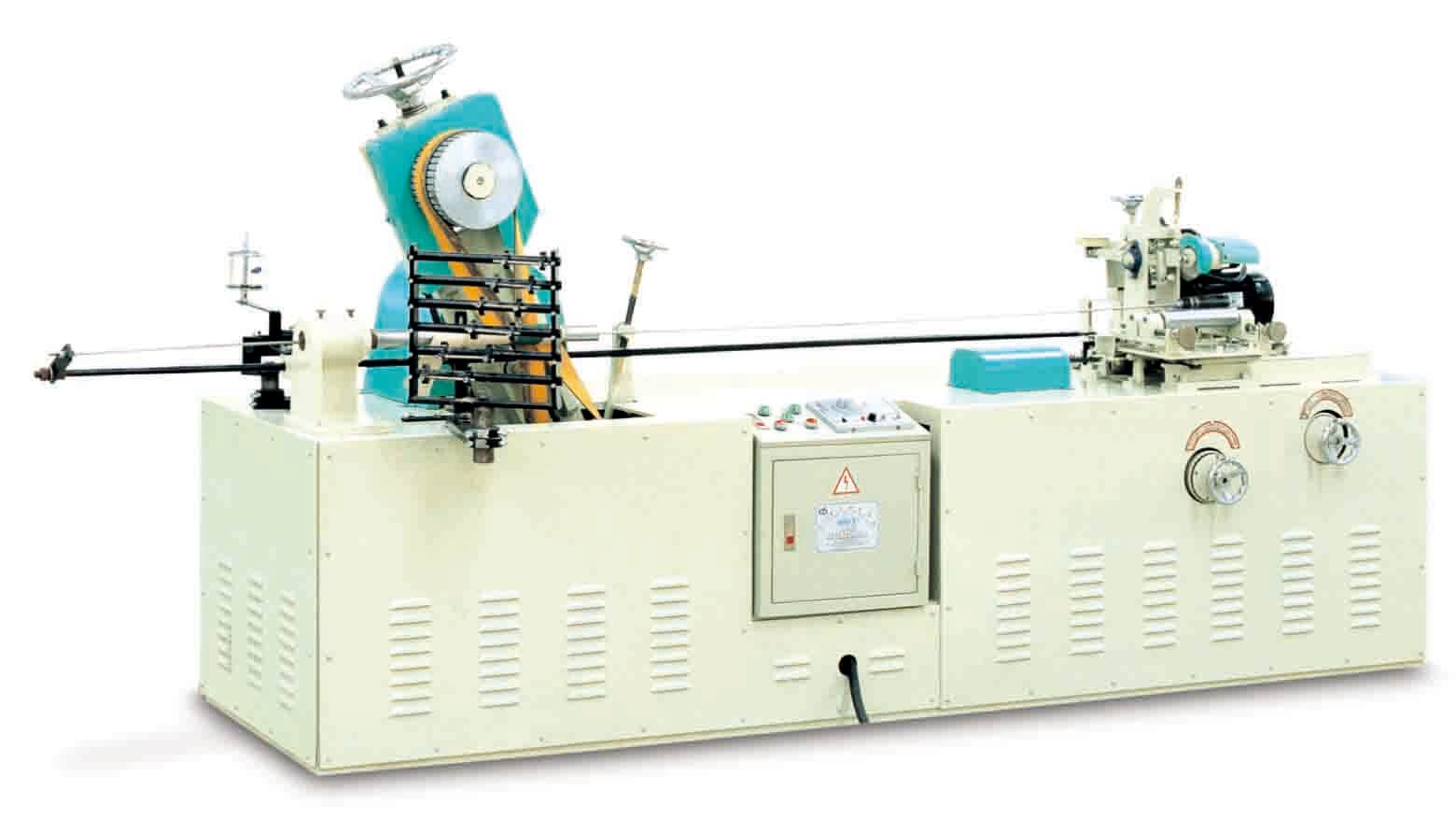
6. Glue-Free Tail Sealing Machines
Although traditional sealing methods often rely on adhesives, glue-free tail sealing machines have emerged as a crucial innovation in automatic tissue converting equipment. These machines employ precise mechanical techniques to securely seal the product tails without glue, enhancing production speed and reducing waste. By eliminating adhesives, you gain greater control over quality and consistency, ultimately lowering operational costs while maintaining superior product integrity. Additionally, these machines offer significant cost savings by removing glue material expenses.
Key Components of Modern Automatic Tissue Machines
Modern automatic tissue machines are marvels of engineering, designed to enhance the efficiency and quality of tissue production. To achieve optimal performance, several key components work in concert:
PLC control systems: These programmable logic controllers guarantee precision in operations.
Servo motors: They provide accurate movement and control, reducing waste.
Automatic tension control: This feature maintains consistent material tension, essential for quality.
Intelligent sensors: These monitor various parameters, allowing real-time adjustments for improved efficiency.
With an automatic transfer system and a user-friendly human-machine interface (HMI), you gain enhanced control over the manufacturing process. Each component contributes to a streamlined operation, ultimately reducing labor costs and improving product quality. Furthermore, the integration of advanced interfolder technology enhances production speed and quality, making these machines an invaluable asset. Embracing these machines means investing in a more efficient future.
How Automatic Tissue Machines Reduce Labour Costs
Automatic tissue machines streamline the production process by markedly reducing the need for manual operation across the line. With intelligent control systems, you’ll find that fewer operators are required, which not only cuts down on labor costs but also minimizes human errors and material waste. As these machines maintain continuous high-speed production with fewer interruptions, the long-term operating costs are considerably lowered, making them a smart investment for your manufacturing needs. Furthermore, their energy efficiency options contribute to lower operational expenses, enhancing overall profitability.
Reducing Manual Operation Across the Production Line
As manufacturers seek to optimize efficiency, the integration of automatic tissue machines has revolutionized production lines by greatly reducing the need for manual operation. This shift allows you to focus on strategic oversight rather than routine tasks. Key automation features include:
Automatic feeding: Streamlines raw material input, minimizing delays.
Automatic rewinding: Enhances consistency and precision, reducing waste.
Automatic packaging integration: Speeds up the final product's readiness for distribution. Additionally, the use of sustainable raw materials in the manufacturing process further enhances operational efficiency and meets consumer demands for eco-friendly products.
Lower Operator Requirements Through Intelligent Control Systems
The shift towards automation in tissue manufacturing not only streamlines operations but also considerably lowers operator requirements through intelligent control systems. These systems simplify operations, making it easier for you to manage production with fewer personnel. Reduced training difficulty means that new operators can quickly become proficient, allowing you to adjust staffing levels based on demand without sacrificing quality. Moreover, the collaboration of specialized machines leads to high-quality output, ensuring seamless operations throughout the tissue converting process.
Feature
Benefit
Impact on Labour Costs
Simplified Operation
Easier to run machines
Fewer skilled operators needed
Reduced Training Difficulty
Quick onboarding
Shorter training times
Easier Production Management
Better oversight
Minimized need for supervision
Real-time Monitoring
Immediate feedback
Reduced downtime
Automated Adjustments
Consistent quality
Lower error rates
Minimizing Human Errors and Material Waste
While human operators can inadvertently introduce variability in the manufacturing process, automatic tissue machines greatly minimize these errors, leading to lower material waste and reduced labor costs. By relying on advanced technology, you can achieve a level of precision that manual processes can’t match. Key benefits include:
Accurate perforation: Guarantees consistent product performance.
Stable roll tightness: Reduces waste due to uneven rolls.
Consistent embossing quality: Maintains product integrity and consumer satisfaction.
Reduced reject rates: Lowers costs associated with defective products.
These features collectively enhance your control over the manufacturing process, assuring that every aspect is optimized for efficiency and quality. Additionally, the vacuum-assisted folding mechanism ensures reliable tissue handling, further improving production accuracy. As a result, you can focus on strategic improvements rather than continually addressing human errors.
Continuous High-Speed Production With Fewer Interruptions
Automatic tissue machines not only minimize human errors but also facilitate continuous high-speed production with fewer interruptions, ultimately reducing labor costs. By considerably decreasing downtime, these machines guarantee that production lines operate smoothly and efficiently. This stable machine performance translates into improved production continuity, allowing you to meet demand without the delays associated with manual interventions. As you streamline operations, you'll notice that fewer staff are required for monitoring and adjustments, further lowering your labor expenses. The capability for high-speed production without frequent halts means you can optimize output while maintaining quality, giving you greater control over your manufacturing processes. Fundamentally, integrating these machines positions you to achieve higher efficiency and cost-effectiveness in tissue production. Additionally, features like automatic tail trimming ensure that production remains consistent and minimizes waste, further enhancing overall efficiency.
Reducing Long-Term Operating Costs
Investing in automatic tissue machines can greatly cut long-term operating costs, especially when it comes to labor. By automating processes, you reduce the need for a large workforce, leading to significant savings. Here’s how these machines enhance your bottom line:
Labour savings: Fewer employees are needed for operations, minimizing payroll expenses.
Reduced maintenance costs: Advanced technology typically requires less upkeep, saving time and resources.
Improved energy efficiency: Modern machines optimize energy use, lowering utility bills.
Higher production output per employee: Streamlined processes mean each worker can produce more, maximizing productivity. Additionally, remote diagnostics allow for quick identification and resolution of machinery issues, further minimizing downtime and associated labor costs.
How Intelligent Tissue Converting Equipment Improves Production Efficiency
When you implement intelligent tissue converting equipment, you release high-speed production capabilities that greatly boost output. This technology enhances workflow coordination through intelligent automation, streamlining processes and reducing bottlenecks. Additionally, digital management tools provide real-time visibility, enabling you to monitor performance and make informed adjustments for consistent quality. Furthermore, the integration of breakthrough technology in tissue paper production is crucial for enhancing operational efficiency.
High-Speed Production Capability
In today's competitive manufacturing landscape, achieving high-speed production is essential for maximizing efficiency and meeting market demands. Intelligent tissue converting equipment enables you to enhance production capacity considerably. Here’s how:
Faster converting speeds allow you to produce tissue products in less time, reducing bottlenecks.
Higher daily output guarantees you meet customer orders without compromising quality.
Better production scalability enables you to adjust to varying demand levels effortlessly.
Optimized workflows through advanced technology lead to fewer errors and increased reliability.
Moreover, the integration of breakthrough technology in manufacturing processes ensures continuous improvement and innovation in production efficiency.
Intelligent automation plays an essential role in enhancing workflow coordination within tissue manufacturing, as it allows for seamless integration between machines. By implementing automatic synchronization, you can guarantee that each stage of production aligns perfectly, minimizing downtime and enhancing overall efficiency. Integrated production systems streamline processes, reducing the likelihood of bottlenecks that can hinder output. This synchronization not only accelerates production but also allows for real-time adjustments, giving you greater control over operations. As machines communicate effectively, you'll find that monitoring and optimizing workflows become easier, leading to improved resource allocation and reduced labor costs. Ultimately, harnessing intelligent automation empowers you to maintain a consistent flow in your manufacturing processes, driving productivity and profitability. Furthermore, companies like Roll Solutions - DCY have a strong reputation for technological advancement, ensuring that their equipment meets the evolving demands of the tissue production industry.
Digital Management Improves Production Visibility
As you integrate digital management systems into tissue converting equipment, you'll notice a marked improvement in production visibility. This enhancement allows you to take greater control over your manufacturing processes. With real-time monitoring, you can track production metrics as they happen, ensuring you stay on top of operational performance.
Key benefits include:
Immediate access to production data for informed decision-making.
Detailed analysis of trends and patterns to optimize workflows.
Faster troubleshooting capabilities to minimize downtime.
Enhanced communication across teams, ensuring everyone is aligned.
Advanced smart control systems play an essential role in enhancing product consistency in tissue manufacturing. By guaranteeing stable embossing patterns, these systems minimize variations that could affect product quality. Accurate folding mechanisms ensure that each sheet meets precise specifications, reducing waste and rework. Furthermore, precise rewinding control maintains uniform tension throughout the production process, which is vital for achieving consistent roll sizes and preventing defects. Finally, uniform packaging quality is achieved through automated monitoring, which verifies that every package meets the required standards. By integrating these intelligent technologies, you gain tighter control over production parameters, leading to higher overall quality and reduced variability. This consistency ultimately translates to increased customer satisfaction and improved operational efficiency. Additionally, the implementation of automatic start-stop machines significantly reduces operator workload and downtime, further enhancing production efficiency.
While traditional tissue manufacturing often struggles with long changeover times, modern converting equipment greatly enhances flexibility by enabling faster product changes. This capability allows you to adapt quickly to market demands and optimize production schedules. Here’s how efficient changeovers can transform your operations:
Multi-product production capability: Switch between different SKUs seamlessly without extensive downtime.
Reduced downtime during SKU switching: Minimize idle time, ensuring your machines are always in productive use.
Better adaptability to market demand: Respond rapidly to shifts in consumer preferences, maximizing profitability.
Enhanced operational control: Maintain oversight over production processes, ensuring consistency and quality across varied products.
Additionally, the focus on maximizing operational efficiency in the design of these machines ensures that you can achieve greater productivity without compromising on quality. Embracing this technology positions you to achieve greater efficiency and responsiveness in your manufacturing environment.
Smart Automation Trends in Tissue Paper Manufacturing
In today's tissue paper manufacturing landscape, Industry 4.0 is reshaping how factories operate, making smart automation a vital focus. You’ll notice that remote monitoring and predictive maintenance are becoming standard practices, helping to minimize downtime and optimize production processes. With a rising demand for integrated packaging systems and customized equipment solutions, it is important to understand how these trends can enhance efficiency and sustainability in your operations. Furthermore, companies like Voith are leading the way with comprehensive, innovative, and sustainable solutions for paper production.
Industry 4.0 Is Transforming Tissue Factories
As the landscape of manufacturing evolves, tissue factories are increasingly embracing Industry 4.0 technologies to enhance efficiency and productivity. By integrating intelligent production systems and digital manufacturing management, you're gaining a competitive edge in the market. Key trends include:
Smart factory integration for seamless operations
Enhanced data analytics for informed decision-making
Real-time monitoring to optimize production processes
Automation solutions that minimize human error
These advancements allow you to streamline workflows, reduce downtime, and effectively manage resources. As you implement these technologies, you'll find that the agility and responsiveness of your operations improve considerably, giving you greater control over production and quality. Furthermore, incorporating rigorous assurance protocols ensures that quality control is maintained throughout the manufacturing process. Embracing Industry 4.0 isn’t just a trend; it’s a strategic move towards future-proofing your tissue manufacturing processes.
Remote Monitoring and Predictive Maintenance
Remote monitoring and predictive maintenance are revolutionizing tissue paper manufacturing by leveraging advanced technologies to enhance operational efficiency. By utilizing real-time machine diagnostics, you gain immediate insights into your equipment's performance, allowing you to identify and address potential issues before they escalate. This proactive approach considerably reduces unexpected downtime, ensuring that your production lines operate smoothly and without interruption. Additionally, faster technical support can be initiated through remote monitoring systems, enabling technicians to troubleshoot and resolve problems swiftly, minimizing impact on your operations. By implementing these smart automation trends, you not only optimize your manufacturing processes but also empower your team to maintain control over production timelines, ultimately improving profitability and productivity in your facility. Furthermore, this aligns with DCY's focus on sustainable practices that enhance both efficiency and environmental responsibility in tissue production.
While the demand for tissue paper continues to rise, manufacturers are increasingly turning to energy-efficient technologies to streamline their production processes. By adopting these innovations, you can achieve significant improvements in your operations. Here are some key advantages:
Lower power consumption: Energy-efficient machines reduce electricity costs, allowing you to allocate resources more effectively.
Reduced material waste: Streamlined processes minimize excess material, contributing to cost savings and sustainability.
Sustainable production optimization: Eco-friendly technologies enhance your brand's reputation while meeting corporate responsibility goals.
Improved operational control: Smart automation provides real-time data, enabling you to make informed decisions and optimize production further.
Moreover, the integration of breakthrough technology in production lines ensures that your operations remain at the forefront of industry advancements. Embracing these technologies not only enhances efficiency but also positions you as a leader in sustainable tissue manufacturing.
Increasing Demand for Integrated Automatic Packaging Systems
The surge in demand for integrated automatic packaging systems reflects a significant shift in tissue paper manufacturing, driven by the need for efficiency and consistency. By implementing end-to-end automation, you can streamline processes, minimizing manual handling and thereby reducing operational risks. This change enhances packaging efficiency, allowing for faster throughput without sacrificing quality. With integrated systems, every step is synchronized, which not only accelerates production but also improves accuracy in packaging. You gain greater control over the entire process, from tissue production to final packaging, ensuring that every product meets your quality standards. As market competition intensifies, these innovations aren't just advantageous; they’re essential for maintaining your edge in the industry. Embracing this shift is key to achieving long-term success. Additionally, leveraging high-performance machinery can further boost productivity in your operations.
Customized Intelligent Equipment Solutions Are Becoming More Important
As manufacturers endeavor to enhance efficiency in tissue paper production, customized intelligent equipment solutions are becoming increasingly essential. These tailored systems allow you to optimize operations and adapt to market demands effectively. With the right intelligent solutions, you can achieve:
Flexible production planning that adjusts to varying order sizes
Personalized factory layouts to maximize space and workflow
Industry-specific configurations that cater to unique production needs
Real-time data analytics for informed decision-making
Moreover, manufacturers are increasingly investing in machinery for processing recycled fibers to meet the growing demand for eco-friendly products.
How to Choose the Right Automatic Tissue Machine for High-Speed Production
When choosing the right automatic tissue machine for high-speed production, it's essential to evaluate your specific production capacity requirements first. You'll also want to take into account the machine's stability and performance under high-speed conditions, as these factors greatly impact efficiency. Additionally, analyzing the automation capabilities and the supplier's technical experience will help guarantee you make a well-informed decision. Investing in high-quality machines ensures reduced downtime and consistent product quality, which is crucial for maintaining production efficiency.
Evaluate Your Production Capacity Requirements
Choosing the right automatic tissue machine for high-speed production hinges on a thorough evaluation of your production capacity requirements. By analyzing your current output and future expansion plans, you can make an informed decision that aligns with your business goals. Consider these key factors:
Current Output: Understand your existing production volumes to gauge immediate needs.
Future Expansion Plans: Anticipate growth to select a machine that can scale efficiently.
Product Categories: Identify the types of tissue products you'll manufacture, as different machines cater to various specifications.
Market Demand: Evaluate potential shifts in consumer demand that could affect your production needs. Additionally, consider the benefits of fully integrated production lines for improved efficiency and reduced manual intervention.
Consider Machine Stability and High-Speed Performance
Evaluating production capacity sets the stage for understanding the importance of machine stability and high-speed performance in automatic tissue machines. You need to take into account the structural design, which plays a critical role in guaranteeing stability during operation. A well-engineered framework minimizes vibrations, allowing for more precise output at higher speeds. Precision machining is equally essential; it guarantees that components fit seamlessly, reducing wear and tear while maintaining performance consistency. Additionally, servo control quality directly impacts your machine's responsiveness and accuracy. High-quality servo systems provide better torque and speed control, facilitating smoother shifts between processes. By prioritizing these factors, you can choose an automatic tissue machine that not only meets your speed requirements but also enhances overall operational reliability. Moreover, investing in a high-speed toilet paper cutting machine can significantly improve production efficiency and reduce waste through advanced cutting technology.
Analyze Automation and Smart Control Capabilities
While selecting an automatic tissue machine for high-speed production, it’s essential to analyze its automation and smart control capabilities. These features directly impact your operational efficiency and product quality. Consider the following aspects:
PLC Systems: Look for programmable logic controllers that guarantee precise control and flexibility.
Intelligent Monitoring: Confirm the machine includes real-time monitoring to identify issues before they escalate, minimizing downtime.
Automation Integration Level: Evaluate how well the machine integrates with existing systems, enhancing overall workflow.
Data Analytics: Machines with advanced data analytics can provide insights for continuous improvement, allowing for better decision-making. Additionally, the integration of breakthrough technology can significantly enhance the performance and reliability of your production processes.
Check Supplier Manufacturing Strength and Technical Experience
When selecting an automatic tissue machine for high-speed production, it’s crucial to assess the supplier's manufacturing strength and technical experience, as these factors significantly influence the machine's reliability and performance. Start by evaluating the factory scale; larger operations often imply robust production capabilities. Next, consider their patent portfolio; a strong patent capability indicates innovation and competitiveness. Additionally, review the supplier’s export experience; familiarity with international markets usually suggests adaptability to various production challenges. Finally, verify they have relevant certifications, which reflect compliance with industry standards and quality assurance. A supplier with extensive research and development capabilities can further enhance the efficiency of your tissue manufacturing processes. By meticulously examining these aspects, you can make a more informed decision, guaranteeing your investment supports efficient and effective tissue manufacturing processes.
Evaluate After-Sales Service and Technical Support
Evaluating after-sales service and technical support is essential for guaranteeing the long-term success of your automatic tissue machine investment. A reliable support system can considerably impact your operational efficiency and minimize downtime. When evaluating potential suppliers, focus on the following key aspects:
Installation support: Confirm they provide thorough installation assistance to avoid initial setbacks.
Operator training: Verify that adequate training is available for your staff to operate the machinery effectively.
Spare parts availability: Confirm timely access to critical spare parts to reduce maintenance delays.
Remote assistance: Look for suppliers offering remote technical support to troubleshoot issues swiftly. Additionally, consider their commitment to dealer satisfaction and success, which can enhance the overall support experience.
Why Global Tissue Manufacturers Choose DeChangYu
DeChangYu provides intelligent tissue converting solutions designed to help manufacturers improve efficiency, reduce labour costs, and support high-speed production. With strong R&D capabilities, strict quality management, and global project experience, the company has become a trusted partner for tissue manufacturers worldwide.
Over 30 Years of Experience in Tissue Machinery Manufacturing
Established in the 1980s, DeChangYu has decades of experience in tissue converting equipment manufacturing. The company understands the evolving needs of modern tissue factories, including automation upgrades, production efficiency, and high-speed manufacturing.
Strong R&D and Patent Innovation Capabilities
DeChangYu focuses on independent research and development and has obtained more than 60 national patents. Its innovative glue-free tail sealing technology received the China Patent Excellence Award, demonstrating strong technological leadership in the tissue machinery industry.
Intelligent Manufacturing and Strict Quality Management
DeChangYu implements lean production and digital management systems to ensure stable equipment performance and product quality. The company is certified with ISO 9001:2015 and CE standards and operates with advanced precision machining equipment and strict quality control processes.
DeChangYu provides complete intelligent equipment solutions for tissue manufacturing.
Roll Series Production Lines
Automatic toilet roll and kitchen towel production lines for high-speed operation.
Fold Series Production Lines
Facial tissue and folded towel converting equipment with intelligent automation.
Slitting Series Equipment
High-speed slitting rewinders for precise and stable production.
Coating and Printing Solutions
Tissue printing and cream coating systems for value-added products.
Embossing Equipment
Embossing machines designed to improve tissue texture and appearance.
Glue-Free Tail Sealing Technology
Innovative sealing solutions that improve efficiency and reduce adhesive usage.
Global Service Experience Across 160+ Countries
With over 20 years of export experience, DeChangYu has supplied tissue machinery to more than 160 countries and regions. The company provides customized solutions, technical support, installation guidance, and professional after-sales service for global customers.
Contact DeChangYu to explore intelligent tissue machinery solutions tailored to your production goals.





 English
 Español
 العربية
 Português do Brasil
 Русский