What Is a Complete Tissue Paper Production Line and How Does It Work?
A complete tissue paper production line integrates various stages of manufacturing, from raw material pulping to final product packaging. It employs advanced machinery for processes such as pressing, drying, and embossing. Each component plays a critical role in ensuring high-quality output and operational efficiency.
Understanding the intricacies of this production line is essential for manufacturers aiming to optimize performance and meet market demands. However, the complexities involved warrant further exploration to grasp its full potential.
Key Takeaways
A complete tissue paper production line integrates pulping, pressing, and converting stages for efficient manufacturing from raw materials to finished products.
The process utilizes advanced machinery like unwinders and embossers, ensuring high-quality tissue products and improved production rates.
Real-time monitoring and automation systems facilitate precise adjustments and cost-effective production, enhancing overall efficiency and productivity.
Turnkey production lines provide a seamless workflow, minimizing interruptions during transitions between different production stages.
Future trends focus on sustainability, smarter automation, and data analytics to further enhance operational efficiency and adapt to market demands.
Introduction – Understanding Modern Tissue Production Lines
Modern tissue production lines play an essential role in the manufacturing process, integrating various stages from raw material processing to finished product packaging. Their design enhances operational efficiency, ensuring consistent quality while accommodating scalability to meet market demands. This synergy of technology and process optimization is vital for manufacturers aiming to maintain competitiveness in the tissue industry.
Additionally, advancements in tissue paper converting technology have further streamlined these production lines, increasing overall productivity and quality. These lines utilize machinery such as unwinders and embossers to ensure high-quality tissue products are produced efficiently.
Moreover, the integration of advanced technology in tissue converting machinery has significantly contributed to improved production rates and reduced operational costs, including features like real-time monitoring for enhanced process control. The inclusion of automation systems in these lines allows for predictable and cost-effective production processes.
Role of complete production lines in tissue manufacturing
The efficiency of tissue manufacturing hinges on the integration of complete production lines, which streamline the process from raw material to finished product. These lines encompass advanced complete tissue production line equipment that automates various stages, including pulping, pressing, and converting.
By employing a turnkey tissue production line, manufacturers can achieve a cohesive workflow with minimal interruptions. Each component is designed for ideal compatibility, ensuring that the shift from one stage to the next is seamless.
Additionally, such integration facilitates real-time monitoring and control, allowing for precise adjustments to be made during production. This level of sophistication not only enhances operational efficiency but also provides manufacturers with a competitive edge in a rapidly evolving market.
Furthermore, incorporating a fully automated production process significantly reduces labor costs and improves overall productivity. The use of advanced automation and smart technology in these production lines allows for increased production speed and accuracy, further optimizing the manufacturing process. The commitment to continuous technological innovation from leading companies like DCY ensures that manufacturers remain at the forefront of industry advancements.
Additionally, DCY's extensive reach with clients in over 160 countries demonstrates its influence and reliability in the global tissue manufacturing sector. As global buyers increasingly prioritize energy efficiency and sustainability features, manufacturers are compelled to adopt these attributes in their production lines to meet market demands.
Importance for efficiency, quality, and scalability
While the landscape of tissue production continues to evolve, the importance of efficiency, quality, and scalability within complete production lines remains paramount. Automatic tissue paper production lines are engineered to optimize the tissue manufacturing production process, ensuring high throughput and minimal downtime.
Efficiency is achieved through advanced automation technologies that streamline operations, from pulping to winding. Quality control is integral, utilizing real-time monitoring systems to maintain product standards and reduce defects. Scalability is essential for adapting to market demands; a well-designed production line can easily increase capacity without compromising performance.
Together, these factors empower manufacturers to respond effectively to consumer needs while maintaining competitive advantages in an increasingly demanding industry.
Additionally, patented technologies developed by industry leaders like DCY further enhance production capabilities and machine performance.
Moreover, the integration of breakthrough technology into production lines plays a crucial role in achieving these efficiencies. The commitment to customer-centricity ensures that manufacturers can tailor production lines to meet specific client needs efficiently.
Furthermore, DCY's extensive R&D capabilities allow for continuous innovation that drives the industry forward.
As a result, the focus on sustainable practices in tissue production is becoming increasingly vital for manufacturers looking to stay competitive in the global market.
What Is a Complete Tissue Paper Production Line?
A complete tissue paper production line is defined as an integrated system that encompasses all stages of tissue manufacturing, from pulp preparation to final product winding. This system differs markedly from standalone machines, which operate independently and may lack the efficiency and coordination inherent in a fully integrated setup.
Understanding these distinctions is vital for optimizing production processes and achieving desired output quality in tissue paper manufacturing. Such systems often include various types of tissue machines that automate and streamline production processes, enhancing overall productivity.
Additionally, these production lines incorporate advanced tissue converting machines that showcase cutting-edge technology and processes to improve efficiency.
Furthermore, sustainable practices are emphasized in modern production lines to ensure environmentally friendly operations. The use of a high-speed operation in production lines also contributes to minimal downtime and maximizes output efficiency.
Moreover, the integration of preventive maintenance strategies within these systems helps to ensure equipment longevity and operational efficiency.
Definition and core concept
Complete tissue paper production lines encompass a series of interconnected processes designed to transform raw materials into finished tissue products. These systems typically integrate various components, including pulp preparation, sheet forming, drying, and converting. The tissue paper machine line configuration is pivotal, ensuring peak performance and efficiency throughout the production stages.
A thorough tissue converting production line incorporates machines that cut, fold, and package the tissue, enhancing operational throughput and product quality. By employing advanced automation and control technologies, manufacturers can achieve precision in production parameters, minimizing waste and maximizing yield.
Understanding the intricacies of these lines enables manufacturers to refine their processes, ensuring they meet market demands while maintaining stringent quality standards in tissue paper production.
Additionally, using a non-stop type machine allows for continuous rewinding, further enhancing productivity in the manufacturing process. The integration of an automatic toilet roll rewinding machine significantly boosts production efficiency by delivering high-speed operation and maintaining paper quality throughout the converting stages.
Furthermore, the quality-driven solutions offered by manufacturers like DCY ensure that the final products consistently meet global market demands. With over 30 years of experience in the tissue converting industry, DCY exemplifies a commitment to innovation and customer-centricity. Moreover, understanding energy efficiency options can help manufacturers reduce operational costs while maintaining high production standards.
Difference between standalone machines and integrated systems
When comparing standalone machines to integrated systems in tissue paper production, it becomes evident that each approach offers distinct advantages and functionalities. Standalone machines provide flexibility, allowing operators to customize the toilet paper production line setup according to specific production requirements.
However, this can lead to increased labor costs and potential inefficiencies due to the need for manual handling between processes. In contrast, an integrated tissue roll production line system streamlines operations by connecting various stages—such as pulping, drying, and converting—into a cohesive unit. This integration enhances automation, reduces waste, and improves overall efficiency, leading to higher output and lower operational costs.
Moreover, utilizing high-end conversion machines can further enhance the effectiveness of integrated systems in meeting production demands. The inclusion of advanced cutting technology ensures clean and accurate cuts, which is essential for maintaining product quality.
Additionally, the use of independent variable frequency motors in integrated systems contributes to precision and reliability throughout the production process. Continuous monitoring of slitting parameters ensures that the quality of the final product is maintained throughout the production process.
Ultimately, the choice between these systems depends on production goals and desired levels of control. Utilizing high-performance solutions can further enhance the effectiveness of integrated systems in meeting production demands.
Key Machines in a Complete Tissue Paper Production Line
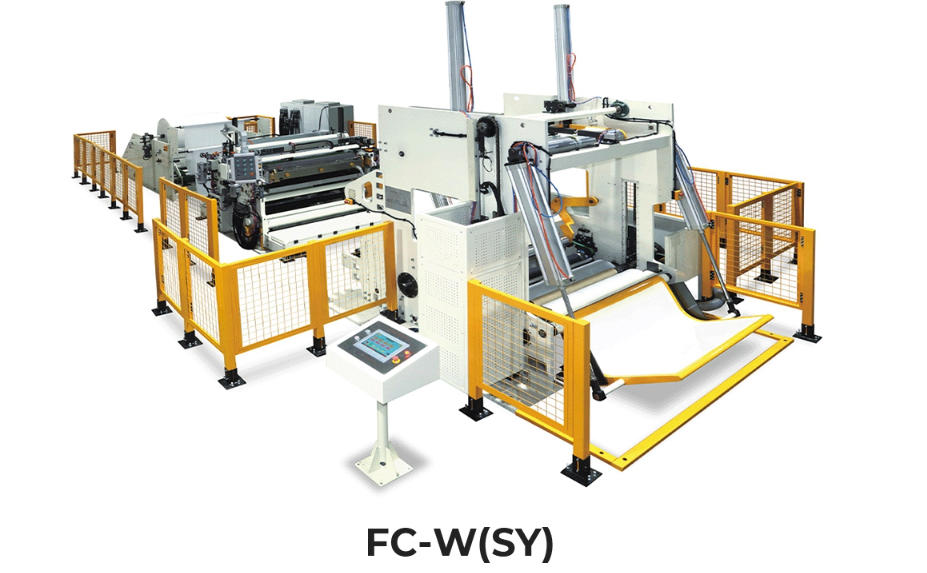
In a complete tissue paper production line, several key machines play critical roles in ensuring efficiency and quality. The Jumbo Roll Unwinding System initiates the process by providing a continuous feed of raw materials, while subsequent machines like the Rewinding or Folding Machine, Embossing and Lamination Unit, Slitting and Cutting Machine, and Packaging and Wrapping System further transform the product into its final form.
Each machine is engineered to optimize specific functions, contributing to the overall productivity and output of the production line. This integrated approach enhances workflow and reduces downtime, making the production process smoother and more efficient.
Furthermore, the high-speed operation of these machines is essential for maintaining a competitive edge in packaging technology.
Additionally, the use of a fully automated system significantly reduces manual intervention, thereby increasing overall production capacity, which aligns with the trend of sustainability through optimization in manufacturing processes.
To maximize efficiency, manufacturers often implement lean manufacturing principles, which eliminate waste and improve overall productivity across the production line.
Jumbo Roll Unwinding System
The Jumbo Roll Unwinding System serves as a critical component in a complete tissue paper production line, facilitating the efficient shift from large rolls of raw material to the production phase. This system is engineered to manage heavy-duty rolls, ensuring consistent tension and alignment during the unwinding process.
Equipped with advanced sensors and automation capabilities, it allows operators to monitor and adjust parameters, thereby optimizing performance and minimizing waste. The system typically features a robust frame to support the weight of the jumbo rolls, along with high-precision unwinders that prevent slippage or tearing.
By maintaining stringent control over the unwinding process, manufacturers can achieve higher quality output and streamline subsequent production steps, enhancing overall efficiency and productivity in tissue paper manufacturing.
Additionally, the integration of high-precision slitting technology ensures that the rolls are prepared for the next stages in production with minimal defects. Weibang Paper (Chongqing) Co., Ltd. has implemented innovative design features to improve roll stability and durability.
Furthermore, ensuring proper blade precision during the cutting process is crucial for optimal results and quality assurance. The use of ultra-high folding speed in subsequent machines can significantly enhance the efficiency of the entire production line.
Moreover, the system's design incorporates automated packaging systems, which further streamlines workflow and minimizes human intervention in the production process.
Rewinding or Folding Machine
Following the effective unwinding of jumbo rolls, the Rewinding or Folding Machine plays a pivotal role in the tissue paper production line by converting large sheets of tissue into finished products suitable for packaging and distribution. This machine is essential for ensuring the quality and consistency of the final output. Key functionalities include:
Rewinding: It rewinds the tissue paper onto smaller cores, optimizing length and diameter for various product types. This process is crucial for achieving high-end conversion machines, which enhance the overall production quality. Additionally, the machine can be equipped with customisation options to cater to specific market needs. This allows for improved production efficiency when handling different tissue formats. The use of an automatic pneumatic proportional valve for linear slider rail lifting further enhances the precision of the rewinding process.
Folding: It folds tissue sheets, enhancing storage efficiency and ease of handling.
Trimming: Edges are trimmed to eliminate defects, ensuring uniformity.
Quality Control: Automated sensors monitor tension and alignment, maintaining high production standards.
These features enable manufacturers to achieve precise control over the production process, ensuring product reliability. Additionally, adjustable tension control is crucial for maintaining the integrity of soft, embossed, or patterned papers during rewinding.
Embossing and Lamination Unit
Embossing and lamination units are essential components in the tissue paper production line, enhancing both the aesthetic appeal and functionality of the final product. These machines utilize patterned rollers to create textures on the tissue surface, improving strength and absorbency while simultaneously providing visual interest.
The embossing techniques employed can range from single to double embossing, further enhancing the tactile experience for consumers. The lamination process involves applying a thin layer of polymer or another material, effectively increasing durability and resistance to tearing.
Enhanced strength and durability from embossing patterns contribute significantly to the overall reliability of kitchen tissues.
Moreover, the integration of custom design capabilities ensures that manufacturers can respond swiftly to market trends and consumer preferences. Precision in temperature and pressure settings is vital; inadequate control can lead to defects in the finished product.
By integrating these units, manufacturers can achieve higher quality standards, catering to consumer preferences for both performance and design. This technological advancement positions producers competitively within the market for premium tissue products, as precision tissue embossing plays a crucial role in elevating the overall product quality.
Additionally, the Toilet Paper Embosser allows for high clarity and a diverse pattern library, enabling brands to create unique and appealing tissue products.
Slitting and Cutting Machine
After the embossing and lamination process, the next critical step in the tissue paper production line involves the slitting and cutting machine. This machinery is essential for converting large rolls of tissue paper into smaller, manageable sizes, catering to various consumer needs.
Key features of the slitting and cutting machine include:
Precision Slitting: Guarantees uniform width for consistent product quality.
Automatic Cutting: Streamlines the process, reducing manual intervention and increasing efficiency.
Adjustable Speed: Allows operators to control production rates based on demand fluctuations.
Waste Minimization: Optimizes material use, reducing scraps and enhancing cost-effectiveness.
The integration of this machine guarantees that the production line remains efficient, adaptable, and responsive to market requirements.
Packaging and Wrapping System
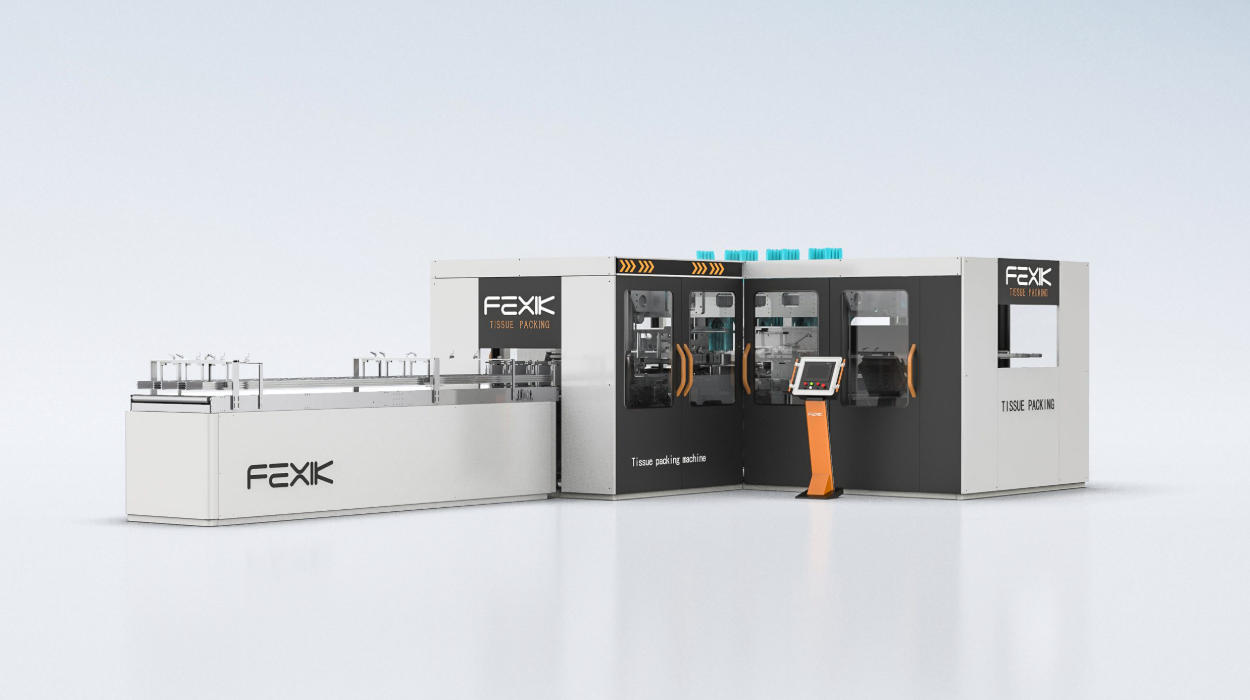
The packaging and wrapping system serves as an essential component in the complete tissue paper production line, ensuring that finished products are securely prepared for distribution and retail. This system typically includes automatic wrapping machines, which utilize advanced technology to wrap individual rolls or packs efficiently, minimizing human intervention.
Additionally, it integrates quality control mechanisms to verify package integrity and consistency, ensuring compliance with industry standards. The system may also feature labeling machines that apply barcodes or branding, enhancing traceability and marketing.
Ultimately, an effective packaging and wrapping system not only protects the product during transit but also optimizes storage space and facilitates streamlined logistics, thereby contributing to the overall efficiency and profitability of the tissue paper production operation.
How Does a Tissue Paper Production Line Work? Step-by-Step
The tissue paper production line operates through a systematic sequence of processes designed to transform raw materials into finished products. Initially, jumbo rolls are loaded and unwound, setting the stage for subsequent operations such as embossing and ply bonding.
Each step, culminating in packaging, is critical for ensuring the efficiency and quality of the final output.
Step 1 – Jumbo Roll Loading and Unwinding
Loading and unwinding jumbo rolls marks the essential starting point in the tissue paper production process. This phase sets the foundation for subsequent operations and demands precise execution to guarantee material integrity and operational efficiency.
Roll Placement: Jumbo rolls, typically weighing over a ton, are securely positioned on the unwinding station.
Unwinding Mechanism: The rolls are unwound using controlled tension to prevent tearing and guarantee a smooth flow of material.
Monitoring Systems: Advanced sensors continuously monitor the roll diameter, providing real-time data to adjust unwinding speeds.
Material Alignment: The unwound paper is aligned accurately to prepare for the next stage, guaranteeing uniformity in the production line.
This meticulous process is crucial for maintaining high-quality tissue production.
Step 2 – Embossing and Ply Bonding
Following the successful unwinding of jumbo rolls, the next phase in tissue paper production involves embossing and ply bonding. This critical step enhances the texture and strength of the final product. Embossing introduces patterns onto the tissue surface, improving aesthetics and functionality, while ply bonding guarantees the layers adhere effectively, increasing durability.
The table below summarizes the key aspects of this phase:
Process
Purpose
Equipment Used
Embossing
Enhances texture and design
Embossing rollers
Ply Bonding
Strengthens multi-layer adhesion
Bonding machine
Quality Control
Guarantees uniformity and standards
Inspection systems
Efficiency
Optimizes production rates
Automated systems
Step 3 – Rewinding or Folding Process
Rewinding or folding marks a pivotal stage in the tissue paper production line, where the processed sheets are transformed into manageable rolls or folded products. This step is critical for ensuring product uniformity and usability.
Rewinding Process: The large parent rolls are unwound and rewound into smaller rolls, ensuring ideal tension and uniformity.
Folding Mechanism: For products like napkins or towels, automated folding machines create precise folds, enhancing presentation and ease of use.
Quality Control: Throughout this process, sensors monitor thickness and alignment, ensuring adherence to quality standards.
Packaging Preparation: The final rolls or folded products are organized for packaging, ready for distribution while maintaining integrity.
This meticulous process guarantees the reliability and functionality of the finished tissue paper products.
Step 4 – Log Cutting or Sheet Cutting
Log cutting or sheet cutting represents a crucial step in the tissue paper production line, where the large rolls or logs of tissue are transformed into individual sheets or smaller rolls suitable for consumer use. This process employs precision cutting machines that utilize sharp blades to guarantee clean, accurate cuts.
The machinery is often equipped with adjustable settings to accommodate various sheet sizes and roll diameters, allowing for customization based on market demand. Operators monitor the cutting process closely, making sure that the tension and alignment of the logs are maintained to prevent waste and maintain consistent quality.
The efficiency of this step directly impacts the overall production rate and product quality, making it a critical component of the tissue paper manufacturing workflow.
Step 5 – Packaging and Final Output
Efficiency is paramount in the packaging and final output stage of the tissue paper production line, as it guarantees that the finished product meets consumer expectations while maximizing throughput. This stage employs advanced automation and precision to package the tissue effectively, verifying quality and consistency.
Automated Wrapping: Machines wrap tissue rolls or sheets in protective packaging to prevent damage during transport.
Labeling Systems: Automated labeling verifies accurate product identification and compliance with regulations.
Quality Inspection: Vision systems detect defects in packaging, maintaining high standards.
Palletizing: Finished products are stacked onto pallets for efficient storage and shipping.
Types of Tissue Paper Production Lines
The classification of tissue paper production lines is essential for understanding the distinct manufacturing processes tailored to various products. Each type, including toilet paper, facial tissue, kitchen towels, and napkins, employs specific machinery and techniques to meet differing consumer demands.
Analyzing these production lines reveals the technical requirements and operational efficiencies that differentiate them in the tissue paper industry.
Toilet Paper Production Line
Toilet paper production lines serve as a critical component within the broader framework of tissue paper manufacturing, specifically designed to convert raw materials into finished products. These lines encompass various processes that ascertain efficiency and quality control.
Pulping Stage: Raw materials, such as recycled paper, undergo pulping to break down fibers.
Sheet Formation: The pulp is then formed into sheets through a series of rollers and screens.
Drying Process: Sheets are dried using heated cylinders, reducing moisture content to ideal levels.
Rewinding and Packaging: Finally, the dry sheets are rewound into rolls and packaged for distribution.
This systematic approach guarantees that toilet paper meets industry standards for durability and softness, satisfying consumer demands effectively.
Facial Tissue Production Line
Facial tissue production lines represent a specialized segment within the tissue paper manufacturing industry, tailored to produce soft, disposable tissues primarily for personal hygiene and cosmetic use. These lines typically employ advanced machinery optimized for high-speed production, ensuring consistent quality and minimal waste.
The process begins with the selection of raw materials, often cellulose fiber, which undergoes pulping and refining to achieve desired softness and absorbency. The subsequent stages include sheet formation, drying, and cutting to specified dimensions. Quality control measures are implemented throughout, including testing for tensile strength and softness.
Finally, packaging systems prepare the finished products for distribution, often integrating automation to enhance efficiency. Overall, facial tissue production lines are designed for precision and reliability, catering to consumer demands effectively.
Kitchen Towel Production Line
Kitchen towel production lines represent a significant category within the tissue paper manufacturing sector, specifically designed to produce absorbent and durable paper towels for kitchen use.
These production lines utilize advanced technology to guarantee high efficiency and quality control throughout the process. Key components of a kitchen towel production line include:
Pulping System: Converts raw materials into a slurry, essential for creating absorbent paper.
Sheet Forming Unit: Shapes the slurry into continuous sheets for drying.
Cutting and Packaging: Automatically cuts the dried sheets into specified sizes and prepares them for distribution.
This systematic approach guarantees consistent product quality and optimizes manufacturing efficiency.
Napkin Production Line
The napkin production line serves as a critical segment within the broader tissue paper manufacturing landscape, specifically engineered to produce high-quality napkins for various dining and catering applications.
This line typically comprises several key components, including a pulp preparation unit, forming machine, embossing mechanism, and cutting apparatus. The pulp is processed to achieve the desired thickness and absorption characteristics. During the formation phase, sheets of tissue are created, which are then embossed to enhance texture and performance. The cutting apparatus guarantees precise dimensions, catering to standard sizes or custom specifications. Quality control measures, including moisture content analysis and tensile strength testing, are integral to maintaining product consistency.
Consequently, this production line exemplifies efficiency and precision in tissue paper manufacturing.
Automatic vs Semi-Automatic Tissue Production Lines
The distinction between fully automatic and semi-automatic tissue production lines is critical for manufacturers seeking to optimize efficiency and output. Fully automatic systems offer enhanced productivity with minimal manual intervention, while semi-automatic lines require more human oversight, impacting labor costs and operational flexibility.
Key differences in technology, production speed, and selection criteria play a significant role in determining the most suitable option for specific manufacturing needs.
Fully Automatic Production Lines
While evaluating the efficiency of tissue paper production, a critical distinction emerges between fully automatic and semi-automatic production lines. Fully automatic production lines offer superior operational control and output consistency. The key features of such systems include:
Continuous Operation: These lines can run uninterrupted, maximizing production time.
Integrated Quality Control: Advanced sensors and software monitor product quality in real-time, reducing waste.
Minimal Labor Requirements: Automation reduces the need for human intervention, thereby lowering labor costs and risks.
Scalability: Fully automatic systems can be easily scaled to meet increased demand without significant modifications.
Semi-Automatic Production Lines
Although semi-automatic production lines offer a balance between manual oversight and automation, they present distinct operational dynamics compared to their fully automatic counterparts. These systems require operators to perform certain tasks, such as loading raw materials and monitoring equipment, thereby enhancing control over the production process. This setup allows for quicker adjustments in response to fluctuations in quality or demand.
Additionally, semi-automatic lines typically feature integrated machinery that automates specific stages, such as converting and packaging, optimizing efficiency without relinquishing operator involvement. Maintenance and troubleshooting can also be more manageable, as operators possess a deeper understanding of the machine's operational nuances.
Consequently, semi-automatic production lines can cater to manufacturers seeking a blend of efficiency and hands-on management.
Key Differences and Selection Criteria
When comparing automatic and semi-automatic tissue production lines, several key differences emerge that influence selection criteria for manufacturers. Automatic lines generally offer enhanced efficiency, reducing labor costs and minimizing human error.
Conversely, semi-automatic lines may require more operator intervention, allowing for greater control over production nuances.
Production Speed: Automatic lines typically produce at higher speeds, increasing output.
Labor Requirements: Semi-automatic lines necessitate more workforce involvement, impacting overhead.
Initial Investment: Automatic systems often require a higher upfront investment compared to their semi-automatic counterparts.
Flexibility: Semi-automatic lines can be more adaptable to product variations, permitting quick adjustments.
Manufacturers must carefully evaluate these factors to align production capabilities with business objectives.
Benefits of a Complete Tissue Paper Production Line
A complete tissue paper production line offers numerous advantages that enhance operational capabilities. It greatly boosts production efficiency while ensuring consistent product quality across batches.
Additionally, this system reduces labor dependency and meets improved hygiene standards, allowing for a flexible output tailored to market demands.
Higher production efficiency
As manufacturers increasingly seek to optimize operational performance, the implementation of a complete tissue paper production line emerges as a critical factor in achieving higher production efficiency. This system integrates various stages of production, thereby streamlining processes and reducing downtime. Key elements contributing to this efficiency include:
Automated Processes: Minimizing manual intervention decreases the likelihood of errors and enhances speed.
Resource Optimization: Efficient use of raw materials and energy reduces waste and costs.
Scalability: The design allows for easy expansion to meet increasing demand without significant reconfiguration.
These factors collectively enhance throughput and profitability, enabling manufacturers to maintain a competitive edge in the market.
Consistent product quality
The integration of a complete tissue paper production line not only enhances production efficiency but also plays a pivotal role in ensuring consistent product quality. This system utilizes advanced technologies such as automated controls and precision machinery to monitor and adjust parameters in real-time, thereby minimizing variations in thickness, texture, and absorbency. Consistent raw material sourcing further contributes to uniformity, as quality fibers are processed under controlled conditions.
Additionally, integrated quality assurance protocols, including inline testing and feedback loops, facilitate immediate corrective actions, ensuring that deviations are promptly addressed. This level of control not only meets industry standards but also enhances customer satisfaction through reliable product performance, positioning manufacturers as leaders in a competitive market.
Reduced labor dependency
While traditional tissue paper production often relied heavily on manual labor, the implementation of a complete production line notably reduces this dependency. This shift enhances operational efficiency and minimizes human error, allowing manufacturers to optimize their resources more effectively. Key benefits include:
Automated Processes: Machinery automates key stages, such as pulping, drying, and rewinding, considerably cutting down on labor needs.
Increased Production Capacity: High-speed machines can produce more tissue in less time, reducing the need for a large workforce.
Streamlined Workflow: Integrated systems promote seamless operation, reducing the number of workers required for coordination.
Cost Efficiency: Lower labor costs contribute to improved profit margins, allowing for better financial control and resource allocation.
Improved hygiene standards
Guaranteeing improved hygiene standards is an essential benefit of implementing a complete tissue paper production line. This production line integrates advanced technologies that facilitate stringent control over the manufacturing process, minimizing contamination risks. Automated systems, including inline quality monitoring, guarantee that each roll meets specific hygiene benchmarks before packaging. The use of high-purity raw materials further enhances product safety, as these materials are processed under controlled environments to eliminate microbial presence.
Additionally, the capability to implement standardized sanitation protocols throughout the production stages guarantees compliance with global hygiene regulations.
As a result, manufacturers can deliver tissue products that not only meet but exceed the increasing consumer demand for hygienic solutions, thereby reinforcing brand integrity and market competitiveness.
Flexible product output
A complete tissue paper production line offers remarkable flexibility in product output, enabling manufacturers to respond swiftly to market demands. This adaptability is essential for optimizing production efficiency and meeting consumer preferences in a dynamic market landscape. Key benefits include:
Variety of Products: Ability to produce different tissue products, such as toilet paper, facial tissues, and paper towels, from the same line.
Customizable Specifications: Manufacturers can adjust thickness, ply, and embossing patterns to cater to diverse customer needs.
Rapid Changeover: Streamlined processes allow for quick shifts between product types, minimizing downtime.
Scalability: Production capacity can be scaled up or down based on fluctuating demand, ensuring resource efficiency and cost-effectiveness.
Key Factors to Consider When Choosing a Tissue Production Line
When selecting a tissue production line, several key factors warrant careful evaluation to guarantee operational efficiency and product quality. These include production capacity and speed, the degree of automation available, and specific customization requirements for various product types.
Additionally, considerations around energy efficiency, waste reduction, and the level of supplier support and after-sales service can greatly impact the overall effectiveness and sustainability of the production process.
Production Capacity and Speed
Production capacity and speed are critical parameters that greatly influence the efficiency and profitability of a tissue paper production line. When evaluating these factors, several key elements must be considered:
Output Rate: The number of tons of tissue produced per hour, which directly impacts operational throughput.
Machine Run Time: The duration the machine operates effectively without downtime, affecting overall productivity.
Changeover Time: The time required to switch between different product types, influencing flexibility in production.
Quality Control: The ability to maintain consistent quality at higher speeds, which can affect customer satisfaction and brand reputation.
Level of Automation
Automation plays a pivotal role in modern tissue paper production lines, influencing both operational efficiency and cost-effectiveness. The level of automation can greatly impact production consistency, labor costs, and the ability to monitor and adjust processes in real time.
Fully automated systems reduce human error, enhance throughput, and optimize resource utilization, while semi-automated lines offer flexibility for smaller operations. Key considerations include the integration of advanced control systems, such as PLCs and SCADA, which facilitate data-driven decision-making.
Additionally, automated quality control mechanisms guarantee product standards are met consistently.
Ultimately, selecting the appropriate level of automation aligns with the operational goals and budgetary constraints of the facility, guaranteeing a balanced approach to efficiency and control.
Product Type and Customisation Needs
Selecting the right tissue paper production line requires careful consideration of product types and customization needs. The decision-making process should encompass several critical factors to guarantee peak production efficiency and product quality:
Tissue Grades: Identify the specific grades of tissue (e.g., facial, toilet, or industrial) to be produced, as different grades necessitate varied raw materials and processing techniques.
Product Dimensions: Determine the required sheet sizes and roll diameters to meet market demands and customer specifications.
Custom Printing and Packaging: Assess the need for branding, color printing, and packaging options to enhance product appeal and marketability.
Production Volume: Evaluate anticipated production volumes to select a line that can sustain both current and future operational demands effectively.
Energy Efficiency and Waste Reduction
While evaluating a tissue paper production line, energy efficiency and waste reduction emerge as pivotal factors that greatly impact operational costs and environmental sustainability. Optimizing energy consumption not only lowers utility expenses but also contributes to reducing the carbon footprint.
Additionally, minimizing waste during production processes enhances overall productivity and resource utilization.
Factor
Importance
Energy Efficiency
Reduces operational costs and emissions
Waste Reduction
Maximizes resource usage and profitability
Long-Term Sustainability
Guarantees compliance and market competitiveness
Incorporating advanced technologies, such as energy recovery systems and automated controls, further reinforces these objectives, providing manufacturers with greater control over their operations and enhancing their competitive edge.
Supplier Support and After-Sales Service
In the context of optimizing operational performance, the significance of supplier support and after-sales service cannot be understated when choosing a tissue paper production line. Reliable support guarantees minimized downtime and maximizes efficiency. Key factors to examine include:
Technical Assistance: Availability of expert technicians for troubleshooting and maintenance.
Training Programs: Extensive training for staff to operate machinery effectively and safely.
Spare Parts Supply: Prompt access to essential spare parts to prevent production delays.
Warranty and Service Contracts: Clear terms for warranties and service agreements that offer peace of mind and cost predictability.
Selecting a supplier that excels in these areas is vital for maintaining consistent production quality and enhancing overall operational control.
Common Challenges in Tissue Production Lines and How to Overcome Them
Tissue production lines face several common challenges that can greatly impact efficiency and product quality. Key issues include tension control problems, material waste and breakage, machine downtime, and variations in product consistency.
Addressing these challenges requires a systematic approach to maintenance, monitoring, and quality control.
Tension Control Issues
Effective tension control is essential for maximizing the performance and quality of tissue production lines. Proper management of tension can mitigate several common challenges:
Web Breaks: Inadequate tension leads to excessive slack, increasing the risk of web breaks during production.
Sheet Wrinkling: Improper tension can cause wrinkles, compromising the aesthetic quality and integrity of the finished product.
Roll Quality: Uneven tension may result in inconsistent roll density, affecting the usability of the tissue paper.
Equipment Wear: Fluctuating tension can accelerate wear on machinery, leading to costly downtime and maintenance.
Addressing these issues requires advanced tension control systems, regular monitoring, and precise adjustments to guarantee peak operational efficiency throughout the production process.
Material Waste and Breakage
Notable material waste and breakage are prevalent issues in tissue production lines, often resulting in increased operational costs and reduced efficiency. These challenges typically arise from suboptimal handling practices and inadequate machine calibration. For instance, improper tension settings can lead to uneven material flow, causing tears and waste.
Additionally, the integration of outdated or poorly maintained equipment exacerbates breakage rates, necessitating frequent replacements and repairs. To mitigate these issues, operators should employ real-time monitoring systems to track material integrity throughout the production process. Implementing precise calibration protocols and training personnel in best handling practices can further enhance material usage efficiency.
By addressing these factors, tissue production facilities can meaningfully reduce waste and improve overall operational performance.
Machine Downtime and Maintenance
Machine downtime presents a formidable challenge in tissue production lines, often compounding issues related to material waste and operational efficiency. To mitigate these challenges, organizations can implement several strategies:
Regular Preventive Maintenance: Scheduled inspections and servicing of machines can identify potential failures before they lead to downtime.
Real-time Monitoring Systems: Utilizing IoT and sensor technology allows for immediate data collection on machine performance, enabling prompt responses to issues.
Training Operators: Well-trained personnel can quickly troubleshoot minor issues, reducing the likelihood of extended downtimes.
Spare Parts Inventory: Maintaining a stock of critical spare parts guarantees swift replacements, minimizing disruption during unexpected breakdowns.
Inconsistent Product Quality
While various factors contribute to inconsistent product quality in tissue production lines, the interplay between raw material variability and processing conditions often stands out as a primary concern. Fluctuations in fiber characteristics, such as moisture content and strength, can considerably affect the final product's integrity.
Additionally, variations in machine settings, including pressure and temperature, can lead to deviations in density and softness. To mitigate these issues, manufacturers should implement rigorous quality control measures, including real-time monitoring of raw materials and precise calibration of machinery. Regular training for operators on maintaining ideal processing conditions is also essential.
By adopting these strategies, tissue producers can achieve greater consistency, enhancing product reliability and customer satisfaction.
Future Trends in Tissue Paper Production Technology
The future of tissue paper production technology is poised to be greatly influenced by advancements in smart automation and digital control systems, which aim to enhance operational efficiency.
Concurrently, the adoption of energy-efficient production lines is expected to reduce costs and environmental impact, aligning with global sustainability goals.
Additionally, innovations in sustainable and low-waste manufacturing processes will likely shape industry standards, fostering a more responsible approach to resource management.
Smart Automation and Digital Control Systems
As tissue paper production continues to evolve, the integration of smart automation and digital control systems emerges as a pivotal trend shaping the industry's future. These advancements facilitate enhanced operational efficiency, precision, and data-driven decision-making. The following elements illustrate this transformative approach:
Real-time Monitoring: Systems provide instant feedback on production metrics, enabling timely adjustments.
Predictive Maintenance: Algorithms analyze equipment performance, predicting failures before they occur, thereby minimizing downtime.
Process Enhancement: Automation calibrates parameters for ideal resource usage, improving yield and reducing waste.
Data Analytics: Advanced analytics tools convert production data into actionable insights, driving continuous improvement.
These innovations position manufacturers to achieve higher levels of control and responsiveness in an increasingly competitive market.
Energy-Efficient Production Lines
Though the demand for tissue paper continues to rise, manufacturers are increasingly prioritizing energy-efficient production lines as a strategic response to both environmental concerns and operational costs. These advanced systems incorporate cutting-edge technologies, such as variable frequency drives and heat recovery systems, to minimize energy consumption throughout the production process.
By optimizing machine performance and reducing downtime, energy-efficient lines enhance overall productivity while lowering utility expenses.
Additionally, manufacturers are adopting real-time monitoring systems to analyze energy use, allowing for immediate adjustments and improvements. This meticulous focus on energy efficiency not only fosters compliance with regulatory standards but also positions companies competitively in a market increasingly driven by sustainability.
Ultimately, energy-efficient production lines represent a critical investment in the future of tissue paper manufacturing.
Sustainable and Low-Waste Manufacturing
While manufacturers endeavor to meet growing consumer demands, sustainable and low-waste manufacturing practices are becoming essential in tissue paper production.
These practices not only minimize environmental impact but also enhance operational efficiency.
Key components of sustainable manufacturing include:
Recycled Raw Materials: Utilizing post-consumer waste reduces the need for virgin fibers, conserving natural resources.
Water Management Systems: Advanced technologies for water recycling and treatment minimize consumption and wastewater generation.
Energy Recovery Solutions: Implementing systems that capture and reuse energy from production processes lowers overall energy usage.
Waste Reduction Strategies: Optimizing production processes to reduce off-cuts and defective products guarantees minimal waste generation.
These strategies reflect a commitment to sustainability while maintaining product quality and operational control, crucial in today's competitive market.
Frequently Asked Questions
What Are the Environmental Impacts of Tissue Paper Production?
What are the hidden costs of convenience? Tissue paper production greatly impacts forests, contributes to water pollution, and generates substantial greenhouse gas emissions, challenging the balance between consumer demand and environmental sustainability in today's industrial landscape.
How Much Space Is Required for a Complete Tissue Paper Production Line?
A complete tissue paper production line typically requires a substantial space, averaging between 1,000 to 5,000 square feet. This area accommodates machinery, storage, and operational workflows, ensuring efficient production and effective management of resources.
What Is the Cost Range for a Complete Tissue Paper Production Line?
The cost range for a complete tissue paper production line typically varies from $150,000 to $1 million, depending on factors such as capacity, technology, and automation level, necessitating careful evaluation to guarantee ideal investment.
How Long Does It Take to Install a Tissue Paper Production Line?
The installation duration of a tissue paper production line typically ranges from several weeks to a few months, depending on the complexity of the machinery, site preparation, and required compliance with safety and operational standards.
What Types of Raw Materials Are Used in Tissue Paper Production?
Wood pulp, recycled paper, and additives form the essential raw materials for tissue paper production. These components undergo meticulous processing to guarantee ideal softness, strength, and absorbency, allowing manufacturers to achieve unparalleled quality and performance in the final product.
Conclusion
To summarize, a complete tissue paper production line exemplifies the synergy between advanced technology and manufacturing efficiency. As raw materials transform into high-quality tissue products, the integration of key machines and real-time monitoring systems guarantees precision and adaptability in meeting market demands.
Curiously, just as a well-orchestrated symphony relies on each instrument, a successful production line thrives on the seamless cooperation of its components. This holistic approach not only enhances productivity but also paves the way for innovation in the tissue paper industry.