Step-by-Step Guide to Automatic Tissue Production Line
The automatic tissue production line operates through a systematic approach designed for efficiency and precision. It begins with the handling of large rolls of raw paper and involves several critical steps, including slitting, cutting, and folding. Each stage is essential for ensuring the final product meets quality standards. Understanding this intricate process reveals not only the technical aspects but also the challenges faced in production. What factors influence efficiency in such a streamlined system?
Key Takeaways
The process starts with unwinding large jumbo rolls of tissue paper for further processing.
The tissue is then slit into narrower rolls, preparing it for cutting and folding.
High-speed cutting shapes the tissue into specified sizes for various products.
The folded tissues are stacked and prepared for packaging, ensuring efficient handling.
Quality control checks are conducted throughout to maintain product consistency and standards.
What Is an Automatic Tissue Production Line
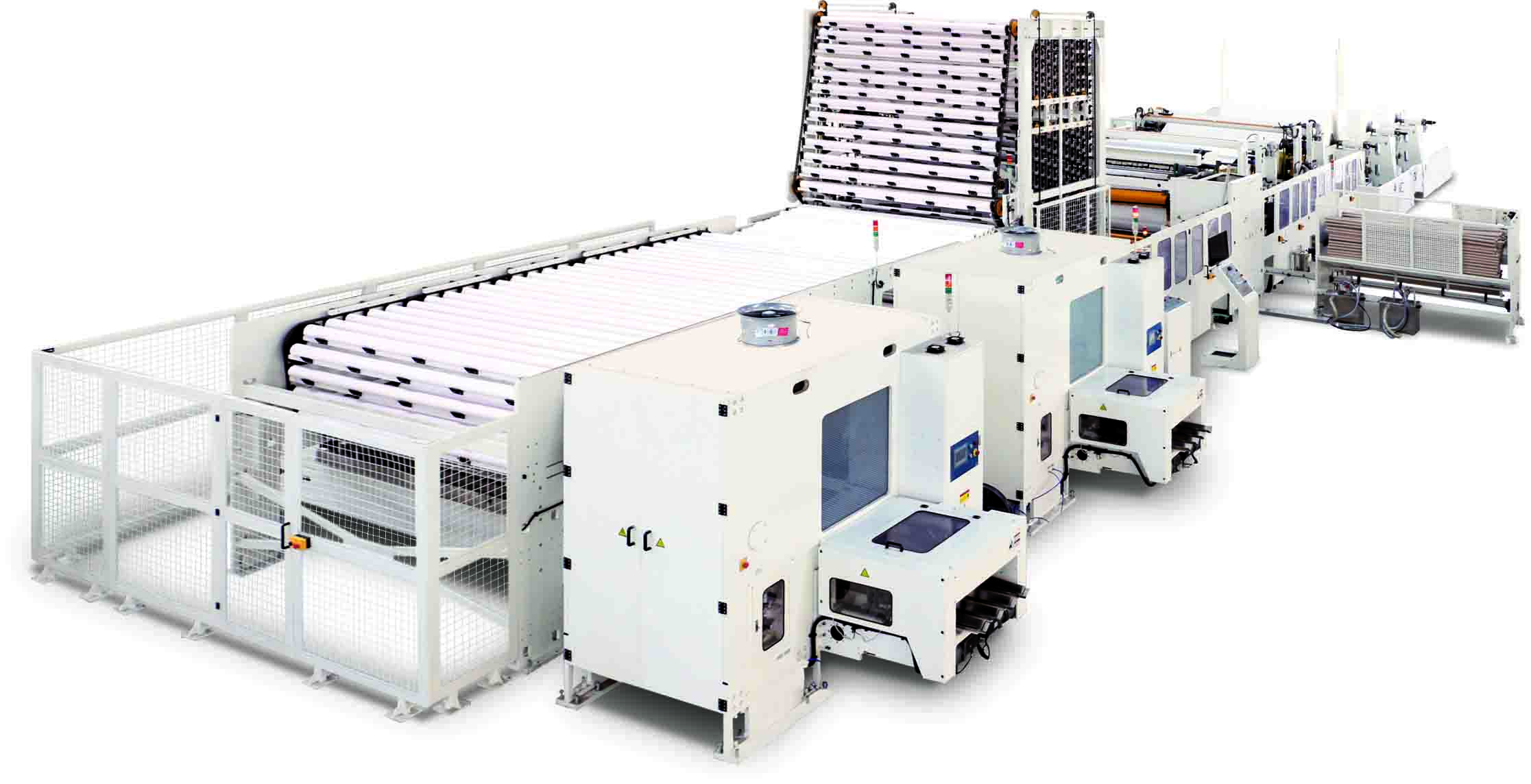
An automatic tissue production line refers to a fully integrated system designed to manufacture tissue paper with minimal manual intervention. These advanced machines enhance production efficiency by streamlining processes and reducing waste, leading to significant cost savings. As a result, many factories are shifting to these automated systems to meet rising demand for various tissue products. The CJ-C Series combines high-speed folding, cutting, stacking, and packaging to ensure optimal productivity.
How an Automatic Tissue Paper Machine Improves Production Efficiency
Automatic tissue paper machines greatly enhance production efficiency by streamlining various processes involved in tissue manufacturing. These fully automatic tissue production lines reduce manual intervention, enabling higher output rates and consistent quality. Automation minimizes human errors and optimizes material usage, thereby lowering operational costs. Additionally, the use of sustainability considerations in the manufacturing process ensures that production aligns with environmental standards.
Feature
Benefits
High Speed Processing
Increases output volume
Real-time Monitoring
Guarantees consistent quality control
Reduced Labor Costs
Lowers operational expenses
Main Products Made on a Tissue Paper Production Line
Tissue paper production lines are designed to manufacture a variety of products that cater to both consumer and industrial needs. Among the primary outputs of these lines are toilet paper, facial tissues, paper towels, and napkins. Each product serves distinct functions, with toilet paper production lines specifically engineered to guarantee softness and absorbency, meeting the demands of hygiene and comfort. Meanwhile, facial tissues are produced with an emphasis on gentleness and durability for personal care. Paper towels, on the other hand, focus on high absorbency for efficient cleaning. The versatility of a tissue paper production line allows manufacturers to adapt to market trends and consumer preferences swiftly, guaranteeing a steady supply of essential products in various formats and packaging options. Additionally, the incorporation of advanced automation technologies enhances production speed and accuracy, further optimizing the manufacturing process.
Why More Factories Are Upgrading to Fully Automatic Tissue Production Lines
As manufacturers seek to enhance efficiency and reduce production costs, the change toward fully automatic tissue production lines has gained momentum. These advanced systems utilize sophisticated tissue manufacturing equipment that automates various stages of production, ensuring consistent quality and minimizing waste. By integrating cutting-edge technology, factories can streamline operations, resulting in faster output and lower labor costs. Moreover, automatic tissue production lines enable better monitoring and control of the production process, allowing manufacturers to respond swiftly to market demands and adjust production parameters as needed. This change not only improves profitability but also positions factories to meet evolving consumer preferences for high-quality tissue products. Ultimately, the upgrade to fully automatic systems reflects a strategic move towards operational excellence in the tissue manufacturing sector. Additionally, features like real-time monitoring through IoT and data analytics enhance the efficiency of production lines.
Overview of the Tissue Paper Manufacturing Process
The tissue paper manufacturing process begins with the transformation of jumbo rolls into finished products. Key stages in an automatic tissue converting line highlight how automation enhances speed, accuracy, and consistency throughout production. Understanding these elements is essential for grasping the efficiency of modern tissue paper production. Additionally, the use of servo-driven systems ensures precise perforation and rewinding, further improving overall production quality.
From Jumbo Roll to Finished Tissue Product
Transforming a jumbo roll into a finished tissue product involves a meticulous series of processes designed to assure quality and efficiency. Initially, the jumbo roll is unwound and fed into the tissue converting line, where it undergoes slitting, cutting, and folding. This high-speed tissue production line guarantees that each sheet is accurately sized and prepared for packaging. Operators control the machinery to maintain ideal speed and quality, monitoring key parameters such as tension and alignment. After cutting, the sheets are stacked and wrapped, ready for distribution. The entire operation emphasizes precision, providing a consistent final product that meets industry standards. Through careful management of each stage, manufacturers can achieve high output while maintaining control over quality. Additionally, modern machines integrate advanced controls and digital monitoring, which further enhances production efficiency and product consistency.
Key Stages in an Automatic Tissue Converting Line
After the completion of the initial processes that turn a jumbo roll into finished tissue products, the automatic tissue converting line continues through several key stages that define the overall manufacturing process. The first stage involves the tissue converting machine, which unwinds the jumbo roll and cuts it into smaller sheets. Following this, the sheets undergo folding and packaging, essential for ensuring product uniformity. In the context of a facial tissue production line, this may include the addition of features such as perforations for easy tearing. Additionally, the use of a vacuum-assisted folding mechanism ensures reliable tissue handling during the folding process. Finally, quality control checks are implemented to guarantee that only the finest products reach consumers. Each step is meticulously designed to maintain efficiency and product integrity throughout the manufacturing process.
How Automation Improves Speed, Accuracy, and Consistency
While traditional manufacturing methods often struggle with variability and inefficiency, automation in tissue paper production notably enhances speed, accuracy, and consistency. This is particularly evident in the kitchen towel production line, where precision is vital for maintaining product quality. Automation integrates advanced technology, including the tissue paper printing machine, to streamline processes.
Key benefits include:
Increased Speed: Automated systems operate continuously, considerably reducing production time.
Enhanced Accuracy: Sensors and software guarantee precise measurements and alignments, minimizing errors.
Consistent Quality: Uniform production parameters result in a consistently high-quality output, essential for brand reliability.
Moreover, energy efficiency features are integral to modern automated systems, helping manufacturers reduce operational costs while supporting sustainability.
Through automation, manufacturers can achieve tighter control over the production process, delivering superior tissue products to meet market demands.
Step 1: Jumbo Roll Loading in the Tissue Paper Production Line
In the tissue paper production line, the initial step involves the careful selection and loading of jumbo rolls. This process is crucial, as it guarantees effective automatic unwinding and web feeding, which are essential for maintaining efficiency. Additionally, proper tension control during this phase is essential for achieving high-speed production without compromising quality. The efficiency of this step is significantly enhanced by a tension control system, which helps maintain optimal web tension throughout the production process.
Selecting the Right Jumbo Rolls for Tissue Converting
How can the selection of the right jumbo rolls impact the efficiency of a tissue paper production line? The choice of jumbo rolls is critical, as it directly influences production speed, quality, and waste management. Selecting appropriate rolls guarantees smoother operations and minimizes downtime, enabling manufacturers to maintain control over their processes.
Quality of Raw Material: Superior fiber quality leads to enhanced durability and softness in the final product.
Roll Dimensions: Proper sizing guarantees compatibility with converting machinery, reducing the risk of jams or misalignments.
Weight and Density: Correct weight and density can optimize production rates and minimize material waste, providing better yield.
Incorporating these factors into the selection process empowers manufacturers to achieve maximum efficiency in their production line. Additionally, understanding production capacity and speed is essential for aligning jumbo roll specifications with overall production goals.
Automatic Unwinding and Web Feeding Process
Efficiently loading jumbo rolls is a critical first step in the automatic unwinding and web feeding process of a tissue paper production line. This operation typically employs automated systems designed for precision and reliability. Operators confirm that the jumbo rolls are securely positioned on the unwind stands, which are equipped with sensors to detect roll size and weight. Once loaded, the system initiates the unwinding process, feeding the tissue web into the converting machinery. This shift demands a seamless integration of mechanical components to maintain an uninterrupted flow, minimizing downtime. By utilizing advanced technology, the process enhances operational efficiency and allows for tighter control over production parameters, ultimately optimizing the quality of the finished tissue products. Additionally, the use of automated systems significantly reduces the risk of errors during the transition from jumbo roll to tissue web.
Tension Control in High-Speed Tissue Production Lines
The proper management of tension during the jumbo roll loading process is essential for maintaining the integrity of the tissue web in high-speed production lines. Control over tension is critical to prevent web breaks and guarantee smooth operation. Properly executed tension management involves:
Monitoring Sensors: Utilizing advanced sensors to continuously assess tension levels, allowing for real-time adjustments.
Automated Tension Control Systems: Implementing systems that automatically adjust tension based on the roll diameter and paper characteristics, ensuring peak performance.
Operator Training: Providing thorough training for operators on the importance of tension control, enabling them to identify potential issues proactively. Additionally, understanding high-speed operation is vital for optimizing production efficiency throughout the tissue production line.
Step 2: Rewinding or Folding in an Automatic Tissue Converting Machine
In the automatic tissue converting process, rewinding and folding play vital roles in shaping the final product. Rewinding is essential for toilet paper production, while folding is typically employed for facial tissues. Additionally, manufacturers must consider the choice between roll tissue and folded tissue production based on market demand and consumer preferences. The Automatic Toilet Roll Rewinding Machine ensures high-speed operation and precision in the rewinding process, enhancing overall product quality.
How Rewinding Works in a Toilet Paper Production Line
While the initial stages of tissue production focus on creating large rolls of paper, the rewinding process plays an essential role in transforming these rolls into consumer-ready products. This step guarantees that toilet paper meets specific dimensions and quality standards, allowing for efficient packaging and distribution.
Key aspects of the rewinding process include:
Tension Control: Maintaining consistent tension during rewinding prevents defects and guarantees uniformity in the final product.
Cutting Precision: Automated cutting mechanisms precisely divide large rolls into smaller, manageable rolls, optimizing production efficiency.
Quality Inspection: Continuous monitoring for defects during rewinding assures that only high-quality rolls proceed to packaging.
Moreover, implementing advanced sensor technologies during the rewinding process enhances quality control by identifying inconsistencies in roll tightness and sheet count. Through these controlled processes, manufacturers enhance product quality and reliability, catering to consumer needs effectively.
How Folding Works in a Facial Tissue Production Line
As the production of facial tissues progresses, folding becomes a crucial step in ensuring that the final product is both functional and appealing to consumers. In an automatic tissue converting machine, this process involves precise mechanisms that fold sheets into uniform sizes. The machine employs rollers and guides to accurately align the tissue, ensuring consistent folds with minimal deviation. This efficiency not only enhances the aesthetic appeal but also improves usability, allowing for easy dispensing. Advanced sensors monitor the folding process, immediately adjusting to any inconsistencies to maintain quality control. Ultimately, effective folding is essential for maximizing production efficiency while satisfying consumer expectations for a reliable and attractive facial tissue product. Additionally, the integration of advanced sensors ensures that any deviations in the folding process are promptly corrected, thus maintaining high standards of product quality.
Choosing Between Roll Tissue and Fold Tissue Production
The choice between roll tissue and fold tissue production is a significant consideration in the automatic converting process, following the precision achieved during folding. Each option presents distinct advantages that can influence production efficiency, market demand, and operational costs.
Market Preference: Understanding consumer trends is essential; roll tissue often caters to bulk usage, while fold tissue targets controlled portions for individual use.
Operational Efficiency: The automated systems for each type differ, with roll tissue generally requiring less downtime and maintenance compared to folding mechanisms.
Cost Implications: Material waste and production costs vary; roll tissue may yield higher volume but at a different price point than folded tissue.
Additionally, high-speed production systems for roll tissue can significantly enhance output and reduce overall costs.
Evaluating these factors enables manufacturers to make strategic decisions that align with their business goals.
Step 3: Embossing in the Automatic Tissue Production Process
Embossing plays an essential role in tissue paper manufacturing by enhancing both functionality and aesthetics. Various embossing patterns are employed to improve the softness and visual appeal of the product, ultimately increasing its market value. Understanding the significance of this process is vital for optimizing tissue quality and consumer satisfaction. Additionally, the use of sustainable materials in embossing can further enhance the environmental responsibility of the tissue products.
Why Embossing Matters in Tissue Paper Manufacturing
Creating texture through embossing greatly enhances the quality and appeal of tissue paper products. This process not only contributes to the aesthetic value but also serves functional purposes that can influence consumer preference.
Strength and Durability: Embossing enhances the structural integrity, allowing for better performance in various applications.
Absorbency: The textured surface increases the paper’s ability to absorb moisture, making it more effective for its intended use.
Brand Differentiation: Unique embossing patterns can set a product apart in a competitive market, reinforcing brand identity. Additionally, the increased absorbency provided by embossed patterns aligns with consumer preferences for effective cleaning solutions.
Types of Embossing Patterns Used in Tissue Converting
Various embossing patterns play an important role in the tissue converting process, considerably influencing product quality and market appeal. Common types include geometric, floral, and custom designs, each serving distinct purposes. Geometric patterns often enhance structural integrity, providing strength and durability. Floral motifs, on the other hand, are typically employed to improve aesthetic appeal, attracting consumer interest. Custom embossing patterns allow manufacturers to differentiate their products in a competitive market, enabling brands to establish a unique identity. In addition, the choice of pattern affects the tissue’s texture and absorption properties, which are vital for consumer satisfaction. By carefully selecting embossing patterns, manufacturers can exert greater control over product characteristics, thereby optimizing performance and enhancing brand positioning. Moreover, the use of precision tissue embossing ensures that the final products feature consistent, crisp patterns that elevate their overall quality.
How Embossing Improves Softness, Appearance, and Product Value
A notable aspect of the automatic tissue production process is the embossing stage, which plays an essential role in enhancing the softness, appearance, and overall value of the final product. This process not only improves tactile sensation but also elevates the product’s aesthetic appeal, which can greatly influence consumer preference.
Softness: Embossing creates air pockets within the tissue, resulting in a softer feel that enhances user comfort.
Appearance: Unique patterns add visual interest, making the product more attractive to consumers and differentiating it from competitors.
Product Value: An embossed tissue often commands a higher price point, as consumers perceive it as more premium due to its improved characteristics. Additionally, the use of advanced technology in the embossing process ensures consistent, high-quality results that meet consumer expectations.
These factors collectively contribute to a more valuable and competitive tissue product in the market.
Step 4: Printing and Value-Added Converting Options
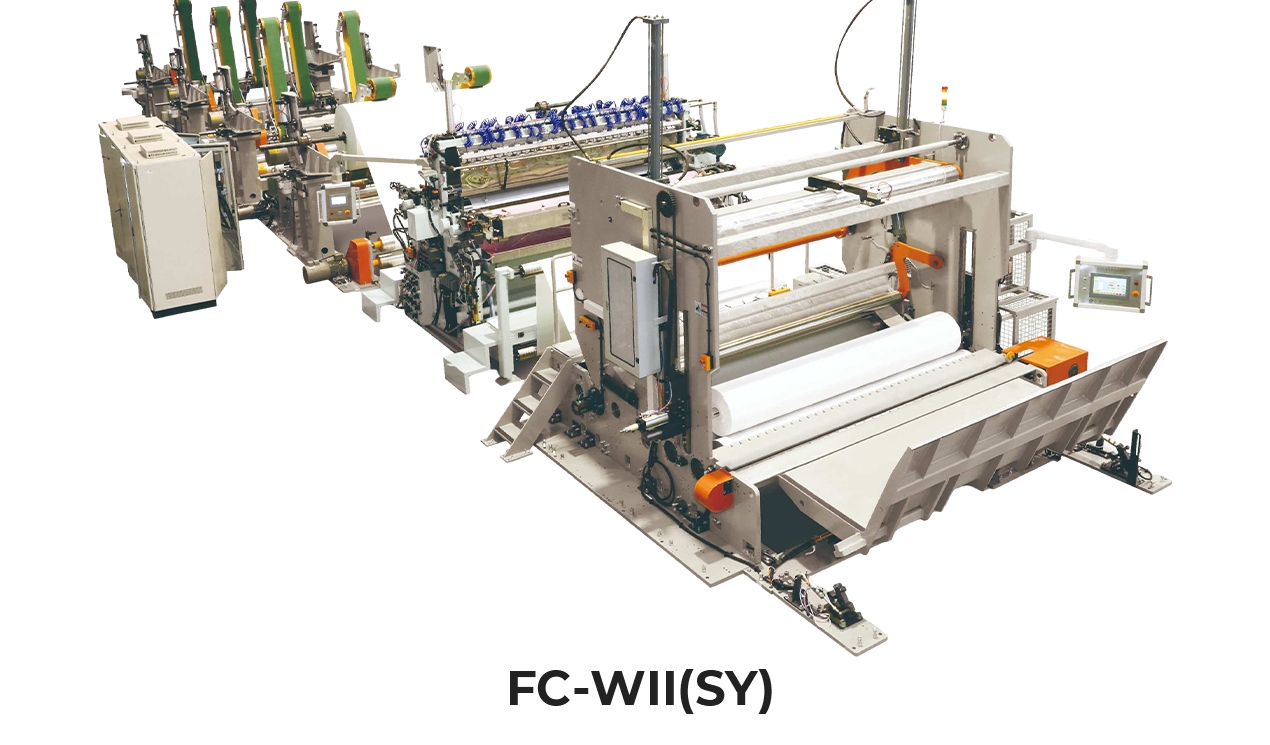
In the automatic tissue production process, integrating a tissue paper printing machine is essential for enhancing product appeal. Various printing options, including designs for toilet paper and kitchen towels, can greatly influence marketability. Additionally, determining the appropriate timing for adding printing, lamination, or coating can optimize production efficiency and product quality. The FC Series Toilet Paper Printing Machine offers advanced features that facilitate high-quality printing for various applications.
How a Tissue Paper Printing Machine Fits Into the Production Line
Integrating a tissue paper printing machine into the production line enhances both aesthetic appeal and market competitiveness. This step allows manufacturers to offer differentiated products that attract consumers and elevate brand identity. Key benefits include:
Customization: The ability to print various designs and logos enables brands to tailor products to specific markets or customer preferences.
Quality Control: Advanced printing technologies guarantee high-resolution images and consistent quality, maintaining product integrity throughout the production process.
Cost Efficiency: Automating the printing process reduces labor costs and minimizes material waste, optimizing overall operational efficiency. Additionally, the use of flexographic printing technology ensures high-speed performance and substrate compatibility, further enhancing production capabilities.
Common Printing Options for Toilet Paper and Kitchen Towel Production
Printing options play an essential role in the production of toilet paper and kitchen towels, as they not only enhance product appeal but also serve functional purposes. Different printing techniques can be employed to achieve desired aesthetics and branding.
Printing Method
Advantages
Common Applications
Flexographic Printing
High-speed production
Bulk toilet paper rolls
Digital Printing
Custom designs and small runs
Specialty kitchen towels
Rotogravure Printing
Superior image quality
Premium toilet paper
Offset Printing
Cost-effective for larger volumes
Branded kitchen towel packs
These printing methods allow manufacturers to differentiate their products in a competitive market, ensuring that consumers receive both quality and visual appeal. Additionally, the choice of printing technology can significantly affect production speed and quality, which are critical factors in meeting market demands.
When to Add Printing, Lamination, or Coating to a Tissue Production Line
While considering the overall efficiency and marketability of a tissue production line, the timing for adding printing, lamination, or coating becomes essential. Implementing these value-added features at the right point in the production process can greatly enhance product appeal and functionality.
Market Demand: Assess consumer preferences to determine if aesthetics or additional protective layers are necessary.
Production Capability: Evaluate the existing machinery to verify it can accommodate printing or lamination without sacrificing speed or quality.
Cost-Benefit Analysis: Analyze the potential return on investment; adding these features should increase market value without disproportionately raising production costs. Additionally, utilizing eco-friendly inks can enhance the appeal of printed products while minimizing environmental impact.
Strategically integrating these options can lead to a competitive advantage in a saturated market.
Step 5: Perforating, Slitting, and Cutting in a Tissue Converting Line
In the tissue converting process, perforation enhances usability by creating convenient tear points in toilet rolls. Slitting plays an important role in controlling the width of tissue rolls, ensuring they meet specific market requirements. Additionally, precision cutting is essential for maintaining consistent dimensions across tissue products, contributing to overall quality and consumer satisfaction. The use of high-precision slitting technology ensures that the cutting process minimizes waste and maximizes efficiency.
How Perforation Improves Usability in Toilet Roll Production
Perforation plays an integral role in enhancing the usability of toilet rolls, making the final product more user-friendly and functional. By incorporating strategically placed perforations, manufacturers guarantee that consumers can efficiently tear off individual sheets without hassle. This process addresses several key factors:
Ease of Use: Perforations enable smooth and precise tearing, promoting user satisfaction.
Minimized Waste: Effective perforation design reduces the chances of tearing multiple sheets at once, leading to more economical use.
Ultimately, the perforation stage is vital for achieving a high-quality toilet roll that meets consumer expectations for convenience and performance. Additionally, the use of advanced cutting technology ensures clean and accurate results during the perforation process.
The Role of Slitting in Tissue Roll Width Control
Slitting serves an important function in maintaining precise tissue roll width control within the tissue converting line. This process guarantees that each roll meets specific width requirements, which is vital for both product quality and customer satisfaction. The slitting mechanism operates with high precision, allowing for adjustments based on production specifications.
Aspect
Details
Purpose
Width control
Precision
High accuracy
Adjustability
Customizable settings
Impact on Quality
Consistent product dimensions
Effective slitting contributes to a seamless workflow, minimizing waste and enhancing operational efficiency. By controlling roll width, manufacturers can better meet market demands and maintain competitive advantage. Additionally, implementing automation features in the slitting process can further optimize efficiency and accuracy in production.
Precision Cutting for Consistent Tissue Product Dimensions
Precision cutting is an essential step in the tissue converting line, guaranteeing that products meet exact dimensions and specifications. This process involves advanced machinery that meticulously perforates, slits, and cuts tissue to achieve uniformity and quality. Control over the cutting process is vital for maintaining product integrity and market competitiveness.
Key aspects of precision cutting include:
Accurate Measurement: Utilizing high-precision sensors to guarantee each cut aligns with specified dimensions.
Consistent Speed: Maintaining ideal cutting speeds to prevent material wastage and guarantee product quality.
Quality Assurance: Implementing rigorous inspection protocols to verify that all tissue products conform to established standards. Additionally, the use of one-piece blade shaft design ensures clean and precise slitting of materials, further enhancing production efficiency.
Step 6: Counting, Stacking, and Transfer in an Automatic Tissue Paper Machine
In the automatic tissue paper machine, the processes of counting, stacking, and transfer play an essential role in enhancing efficiency. Automated counting systems greatly reduce the likelihood of manual errors, ensuring consistency in production. Additionally, advanced stacking mechanisms facilitate the orderly arrangement of facial tissues and napkins, while seamless material transfer between converting and packaging stages optimizes workflow. This system is part of a comprehensive full line of tissue converting machines designed to meet diverse production requirements and maximize productivity.
How Automatic Counting Reduces Manual Errors
While manual counting in tissue production can often lead to errors due to human oversight, the integration of automatic counting systems greatly enhances accuracy in the process. These systems utilize advanced sensors and algorithms to guarantee precise counting, reducing the risk of discrepancies.
Key benefits of automatic counting include:
Increased Precision: Automatic systems minimize the risk of miscounts, guaranteeing that production targets are met consistently.
Enhanced Efficiency: Automation speeds up the counting process, allowing for quicker transfer to subsequent stages without delays caused by manual checks.
Data Reliability: Automatic counting provides accurate records that can be analyzed for performance optimization, enabling better control over production quality. Furthermore, high-performance solutions from companies like Dechangyu (DCY) ensure that the latest technology is implemented in automatic counting systems.
Stacking Systems in Facial Tissue and Napkin Production
An efficient stacking system is essential in the production of facial tissues and napkins, as it guarantees seamless handling and organization of the final product. It integrates counting and stacking mechanisms that secure uniformity and accuracy, thereby enhancing overall productivity.
Component
Function
Counting System
Accurately tallies sheets
Stacking Mechanism
Forms neat, consistent stacks
Transfer System
Moves stacks to packaging area
Quality Control
Secures compliance with standards
These systems minimize waste and maintain product integrity, allowing manufacturers to exercise greater control over output quality. By streamlining operations, the stacking process plays a critical role in the efficiency of tissue paper production lines. Additionally, implementing a high-quality facial tissue interfolder can significantly enhance the overall folding and stacking accuracy.
Material Transfer Between Converting and Packaging Stages
Efficient material transfer between the converting and packaging stages is essential for optimizing the workflow in an automatic tissue paper machine. This process involves precise counting, stacking, and transferring of finished products to guarantee quality and efficiency.
Key elements of successful material transfer include:
Accurate Counting: Utilizing advanced sensors to count sheets minimizes errors and guarantees correct quantities for packaging.
Robust Stacking Mechanisms: Employing automated stackers that create uniform stacks enhances stability during transfer, reducing the risk of damage.
Seamless Transfer Systems: Implementing conveyor belts or robotic arms facilitates smooth movement between stages, preventing bottlenecks and maintaining production flow. Additionally, the integration of advanced technology solutions can significantly improve the overall efficiency of the production process.
Step 7: Packaging in a Fully Automatic Tissue Production Line
In the packaging phase of a fully automatic tissue production line, both primary and secondary packaging play vital roles in ensuring product integrity. Advanced automatic tissue packaging systems enhance efficiency and streamline the process, minimizing downtime. Additionally, effective packaging is essential for protecting the product and maintaining delivery readiness, ultimately impacting customer satisfaction. The choice between flow wrap and pillow pack machines can significantly influence the packaging strategy and overall operational efficiency.
Primary and Secondary Packaging in Tissue Manufacturing
Packaging serves as an essential final step in the tissue manufacturing process, ensuring that products are securely presented and preserved for distribution. The primary and secondary packaging stages play a significant role in maintaining product integrity and facilitating logistics.
Primary Packaging: This involves direct contact with the tissue products, utilizing materials that provide moisture resistance and durability, ensuring freshness during storage and transport.
Secondary Packaging: This encompasses additional layers, such as cartons or boxes, that protect the primary packaging and allow for efficient stacking and handling.
Labeling: Accurate labeling is vital for inventory management and compliance, providing necessary information for retailers and consumers alike.
Together, these elements enable control over product quality and enhance consumer satisfaction in the marketplace. Additionally, adopting sustainable practices in packaging aligns with industry trends to minimize waste and reduce environmental impact.
Automatic Tissue Packaging Systems for Higher Efficiency
The implementation of automatic tissue packaging systems marks a significant advancement in the efficiency of the tissue production process. These systems streamline operations, reducing labor costs and minimizing human error. By integrating high-speed machinery with precise automation, manufacturers can achieve consistent packaging quality and faster throughput. Additionally, organizations can benefit from professional solutions that cater to their specific production needs.
Feature
Benefit
Impact
High-speed operation
Increased output
Greater market reach
Reduced labor needs
Lower operational costs
Enhanced profit margins
Consistent quality
Improved customer satisfaction
Strengthened brand loyalty
How Packaging Affects Product Protection and Delivery Readiness
While guaranteeing product protection and delivery readiness, effective packaging plays an essential role in a fully automatic tissue production line. Proper packaging safeguards the integrity of tissue products, minimizes damage during transport, and guarantees that products arrive in peak condition. The following factors illustrate how packaging contributes to these objectives:
Material Selection: Utilizing high-quality, durable materials prevents tears and moisture exposure, maintaining product integrity.
Design Efficiency: Streamlined designs facilitate stacking and storage, maximizing space during transportation and reducing handling risks.
Identification and Branding: Clear labeling and branding enhance product visibility, guaranteeing swift recognition during distribution and improving customer satisfaction.
Additionally, the growing importance of eco-friendly products among consumers influences packaging choices, emphasizing sustainability in the tissue paper industry. Through these considerations, packaging becomes a pivotal element in achieving operational control and guaranteeing timely delivery.
Step 8: Control Systems and Automation in Tissue Manufacturing Equipment
In the domain of automatic tissue production, control systems play an essential role in enhancing efficiency. Programmable Logic Controllers (PLC) enable precise automation and monitoring of manufacturing processes, while digital solutions facilitate thorough data management. This smart automation markedly minimizes downtime and waste, optimizing overall production performance. Furthermore, 24-Hour Online Technical Support ensures that any arising issues can be swiftly addressed, enhancing the reliability of the production line.
PLC Control Systems in Automatic Tissue Production Lines
As automatic tissue production lines evolve, the integration of PLC (Programmable Logic Controller) control systems becomes increasingly essential for enhancing efficiency and precision in manufacturing processes. PLC systems facilitate real-time monitoring and control of various equipment components, ensuring peak performance. Their implementation allows manufacturers to achieve greater consistency and reliability in production.
Key advantages of PLC control systems include:
Automated Process Control: Reduces human error and increases throughput by managing complex tasks autonomously.
Real-Time Data Processing: Provides instant feedback for immediate adjustments, enhancing overall operational efficiency.
Scalability and Flexibility: Easily adapts to changes in production demands, allowing for quick reconfiguration and upgrades.
These features empower manufacturers to maintain stringent quality standards and improve overall production outcomes, aligning with DCY’s commitment to sustainable practices in tissue paper production.
Digital Monitoring and Production Data Management
Digital monitoring and production data management play a pivotal role in optimizing tissue manufacturing equipment. By harnessing real-time data analytics, manufacturers can gain extensive insights into each stage of production. This visibility allows for precise tracking of operational metrics, including machine performance and material usage. With sophisticated digital dashboards, operators can make informed decisions swiftly, enhancing control over processes. The implementation of centralized data management systems guarantees that critical information is readily accessible, promoting proactive adjustments to mitigate inefficiencies. Additionally, these systems facilitate compliance with industry standards by maintaining accurate records of production activities. Ultimately, the integration of digital monitoring and data management empowers manufacturers to achieve higher productivity and quality control in tissue production. Furthermore, comprehensive quality assurance practices throughout the manufacturing process contribute significantly to maintaining high standards in production.
How Smart Automation Reduces Downtime and Waste
Smart automation greatly enhances the efficiency of tissue manufacturing by minimizing downtime and reducing waste. By integrating advanced control systems, manufacturers can achieve precise monitoring and management of production processes, ensuring ideal performance. This technology considerably contributes to operational excellence through:
Real-time data analysis: Continuous monitoring allows for immediate identification of issues, enabling swift corrective actions to prevent disruptions.
Predictive maintenance: Automated alerts based on equipment performance metrics help schedule maintenance proactively, avoiding unexpected breakdowns.
Material optimization: Smart systems can analyze production patterns to adjust resource usage, reducing excess material consumption and waste.
The implementation of these smart automation strategies empowers manufacturers to maintain a competitive edge while ensuring sustainable operations. Additionally, cutting-edge solutions from companies like DCY demonstrate how innovation can revolutionize tissue production processes.
Quality Control Throughout the Tissue Paper Production Process
Quality control is vital in the tissue paper production process, beginning with the inspection of raw materials to guarantee they meet specified standards. Throughout production, monitoring dimensions and finished product quality helps maintain consistency, particularly in high-speed environments. Automation plays an essential role in supporting these quality measures, assuring reliable outcomes in tissue manufacturing. Furthermore, effective implementation support is crucial to address any potential challenges that may arise during the production process.
Inspecting Raw Materials, Dimensions, and Finished Product Quality
Ensuring the integrity of the tissue paper production process begins with meticulous inspection of raw materials, dimensions, and the finished product. Quality control is paramount to achieving a superior end product and safeguarding operational efficiency.
Raw Materials: Each batch of pulp must be assessed for purity, moisture content, and fiber quality to prevent defects downstream.
Dimensions: Accurate measurements of the paper’s width, length, and thickness are essential, as deviations can affect usability and customer satisfaction.
Finished Product Quality: Final inspections evaluate softness, strength, and appearance, ensuring that only products meeting stringent standards reach consumers. Additionally, implementing a fully automated system during production can further enhance quality control by reducing human error.
Through these rigorous inspections, manufacturers can maintain control over production quality, resulting in consistent, high-caliber tissue paper that meets market demands.
Maintaining Stability in High-Speed Tissue Production
Maintaining stability in high-speed tissue production requires a systematic approach to quality control at every stage of the manufacturing process. Rigorous monitoring of raw materials is essential to guarantee consistency and prevent defects. During production, operators must conduct frequent checks on machine performance and product dimensions, as even minor deviations can compromise quality. Implementing standardized procedures for troubleshooting and maintenance minimizes unexpected downtimes, enhancing overall efficiency. Additionally, real-time data analytics can provide insights into production trends, allowing for proactive adjustments. Quality assurance protocols should be integrated seamlessly into operations, fostering a culture of precision. By prioritizing meticulous oversight and continuous improvement, manufacturers can achieve a reliable output that meets industry standards and customer expectations. Furthermore, the use of patented technologies in machine design significantly contributes to maintaining high-quality production standards.
How Automation Supports Consistent Tissue Quality
Automation plays a pivotal role in achieving consistent tissue quality throughout the production process. By integrating advanced technology, manufacturers can guarantee that every stage of production meets stringent quality standards, consequently facilitating control over the final product. The following elements illustrate how automation enhances tissue quality:
Real-time Monitoring: Automated systems continuously track key parameters, allowing immediate adjustments to maintain ideal conditions.
Precision Control: Robotics and sensors guarantee precise measurements of raw materials, reducing variability and enhancing uniformity in the finished tissue.
Data Analysis: Advanced analytics provide insights into production trends, enabling proactive measures to address potential quality issues before they escalate.
Additionally, companies like DCY have demonstrated their effectiveness and reliability in operations, showcasing the significant impact of automation on tissue production. Through these mechanisms, automation not only streamlines operations but also empowers manufacturers to uphold superior tissue quality consistently.
Common Bottlenecks in an Automatic Tissue Production Line
In an automatic tissue production line, several common bottlenecks can hinder efficiency. Issues such as material feeding and tension problems, as well as mismatches in cutting, folding, and packaging, can disrupt the workflow. Integrated tissue converting equipment offers solutions to these challenges, streamlining the production process. Additionally, understanding precision blade selection is essential for maintaining high-quality output during the cutting phase.
Material Feeding and Tension Problems
Material feeding and tension issues frequently disrupt the efficiency of an automatic tissue production line. These challenges can lead to increased downtime and reduced productivity, impacting overall operational control. Key problems include:
Inconsistent Material Flow: Variations in the feed rate can cause interruptions, leading to uneven tissue production.
Improper Tension Settings: Incorrect tension levels can result in material tears or misalignment, affecting the final product quality.
Sensor Malfunctions: Faulty sensors may fail to detect material misfeeds, causing further complications and necessitating manual intervention.
Addressing these issues requires vigilant monitoring and precise adjustments to maintain ideal conditions, ensuring that the production line operates smoothly and efficiently. Implementing effective control measures will considerably enhance production reliability, as highlighted by the importance of raw material compatibility in aligning machine specifications with production needs.
Cutting, Folding, and Packaging Mismatch
Cutting, folding, and packaging mismatches present significant bottlenecks in an automatic tissue production line. These inconsistencies arise when the tissue is not cut to the correct dimensions, leading to improper folding and subsequent packaging issues. Such discrepancies can cause delays in production, increased waste, and the potential for customer dissatisfaction. Additionally, if the cutting blade is misaligned or worn, it can result in uneven edges, further complicating the folding process. Packaging equipment may also struggle to accommodate misaligned products, leading to jams or inefficient operations. Maintaining precise control over each stage of tissue processing is essential to mitigate these issues, ensuring a smooth and efficient workflow that meets quality standards and production targets. Implementing high-resolution printing capabilities during production can also enhance brand visibility and product appeal, reducing the likelihood of mismatches.
How Integrated Tissue Converting Equipment Solves These Issues
While challenges in cutting, folding, and packaging can hinder productivity, integrated tissue converting equipment offers a streamlined solution to these common bottlenecks. By automating these processes, manufacturers can enhance efficiency and maintain precise control over production.
Seamless Integration: This equipment synchronizes cutting, folding, and packaging, minimizing delays and misalignments.
Real-Time Monitoring: Advanced technology provides real-time data, enabling immediate adjustments to optimize workflow and reduce waste.
Consistency in Quality: Automated processes guarantee uniformity in product size and packaging, enhancing brand reliability and customer satisfaction. Furthermore, high-end conversion machines developed by industry leaders such as DCY ensure that manufacturers benefit from the latest innovations in tissue production.
Incorporating integrated tissue converting equipment allows manufacturers to reclaim control over their production lines, driving productivity and profitability.
How to Improve Efficiency in an Automatic Tissue Production Line
Improving efficiency in an automatic tissue production line requires careful consideration of several factors. Key strategies include selecting the appropriate level of automation, optimizing line speed while maintaining product quality, and minimizing waste and labor costs. By addressing these points, manufacturers can enhance productivity and reduce operational expenses. Additionally, implementing a constant-vacuum system can significantly improve the coreless roll rewinding process, resulting in fewer wrinkles and enhanced product quality.
Choosing the Right Automation Level
To enhance efficiency in an automatic tissue production line, selecting the appropriate level of automation is essential. Different degrees of automation cater to various production needs, providing manufacturers with choices that can greatly impact operational control.
Full Automation: Ideal for high-volume production, this option minimizes human intervention, ensuring consistent output and reduced labor costs.
Semi-Automation: This approach strikes a balance, allowing for human oversight while automating repetitive tasks, enhancing flexibility and control over quality.
Manual Operation: Suitable for low-volume or specialty products, this option provides maximum control over production processes, enabling quick adjustments as needed.
Each automation level offers distinct advantages, allowing manufacturers to tailor their production lines to meet specific operational demands while maintaining efficiency. Additionally, integrating energy-efficient systems can significantly improve overall production performance and sustainability.
Optimising Line Speed Without Sacrificing Quality
Selecting the right level of automation sets the stage for optimizing line speed in an automatic tissue production line. It is essential to balance speed with quality, ensuring that production goals are met without compromising the end product. Implementing advanced monitoring systems can provide real-time data, enabling operators to make informed adjustments to machine settings and process flows. Regular maintenance schedules should be established to prevent breakdowns, which can disrupt speed and efficiency. Additionally, training personnel to understand the intricacies of the equipment allows for quicker troubleshooting and resolution of issues. By fostering a proactive approach to line management, manufacturers can enhance productivity while maintaining high-quality standards, ultimately leading to a more competitive operation in the tissue production market.
Reducing Waste and Labour Costs in Tissue Manufacturing
While maximizing efficiency in an automatic tissue production line, manufacturers must focus on reducing waste and labor costs, which directly impacts profitability. Implementing strategic measures can enhance operational control and streamline processes.
Automation of Processes: Utilizing advanced machinery can minimize human error and optimize resource allocation, thereby reducing labor expenses.
Real-time Monitoring: Deploying sensors and data analytics allows for immediate identification of inefficiencies and waste, enabling timely interventions.
Material Optimization: Careful selection and management of raw materials reduce excess usage, leading to lower waste and improved cost efficiency.
Why More Manufacturers Choose Complete Automatic Tissue Production Solutions
Manufacturers are increasingly opting for complete automatic tissue production solutions due to their ability to integrate seamlessly across the tissue converting process. This integration simplifies management, maintenance, and operator training, making operations more efficient. Additionally, the long-term return on investment associated with fully automatic systems is proving to be a significant factor in their growing popularity.
Better Integration Across the Tissue Converting Process
As the demand for efficiency and quality increases in the tissue converting industry, many companies are turning to complete automatic tissue production solutions to streamline their processes. This shift leads to better integration across the entire tissue converting workflow, enhancing operational control and reducing variability.
Unified Systems: Complete solutions integrate various stages of production, facilitating real-time monitoring and adjustments.
Data-Driven Insights: Advanced analytics provide manufacturers with actionable data, allowing for informed decision-making and improved outcomes.
Reduced Downtime: Streamlined operations minimize interruptions, ensuring a smoother production flow and higher output.
Easier Management, Maintenance, and Operator Training
Choosing complete automatic tissue production solutions simplifies management and maintenance tasks, thereby appealing to many companies in the industry. These systems offer streamlined operations that enhance control over production processes and reduce downtime. With integrated monitoring capabilities, operators can easily track performance metrics and identify issues before they escalate.
Feature
Benefit
Integrated Controls
Easier oversight of the entire process
Predictive Maintenance
Reduced risk of unexpected failures
User-Friendly Interfaces
Quicker operator training and onboarding
Remote Monitoring
Enhanced control from any location
Simplified Reporting
Data-driven decisions for improvements
Such advantages not only foster a more efficient production environment but also empower manufacturers to maintain high standards and adaptability in a competitive market.
Long-Term ROI of a Fully Automatic Tissue Production Line
The long-term return on investment (ROI) associated with fully automatic tissue production lines markedly influences industry trends. Manufacturers increasingly recognize that these advanced systems provide significant financial benefits, ultimately enhancing their competitive edge. The following factors contribute to the decision to adopt complete automatic tissue production solutions:
Reduced Labor Costs: Automation minimizes the need for a large workforce, allowing manufacturers to allocate resources more effectively.
Increased Production Efficiency: Fully automated lines operate at higher speeds and precision, resulting in greater output and lower waste.
Automatic Tissue Production Solutions by DeChangYu
Roll Series, Fold Series, and Slitting Systems
DeChangYu offers a complete range of equipment designed to cover every stage of the tissue converting process. The roll series supports high-speed toilet paper and kitchen towel production, delivering stable rewinding, precise perforation, and consistent roll quality. The fold series is engineered for facial tissue and napkin production, ensuring accurate folding, neat stacking, and high output efficiency.
To complement these systems, DeChangYu’s high-speed slitting rewinders provide precise width control and smooth operation, enabling manufacturers to meet different product specifications while maintaining production stability. Together, these systems form a flexible foundation for both small-scale and large-scale tissue manufacturing.
Embossing, Printing, and Glue-Free Tail Sealing Solutions
Beyond core converting functions, DeChangYu integrates value-added technologies that enhance product quality and market competitiveness. Advanced embossing machines improve tissue softness, texture, and visual appeal, while multi-color printing systems enable customized branding and product differentiation.
A key innovation is the glue-free tail sealing technology, which eliminates the need for adhesives in toilet roll production. This not only reduces material costs and environmental impact but also improves product hygiene and production efficiency. These solutions allow manufacturers to produce higher-value tissue products while optimizing operational costs.
One-Stop Intelligent Equipment for Tissue Manufacturers
DeChangYu positions itself as a provider of one-stop intelligent tissue production solutions, covering everything from equipment supply to system integration. With strong in-house R&D capabilities and over 60 patents, the company continuously drives innovation in automation, efficiency, and product performance.
Supported by lean production practices, digital management systems, and strict quality control, DeChangYu ensures reliable equipment performance and consistent output. From initial consultation and factory planning to installation and after-sales support, manufacturers benefit from a fully integrated approach that reduces complexity and accelerates project execution.