Tissue Machine Price in China: What Global Buyers Should Know
Global buyers seeking tissue machines from China benefit from significant cost advantages, with prices often lower by 20-30% compared to other regions. The average prices vary by equipment type and influenced by factors such as technology and automation level.
However, potential hidden costs such as shipping and maintenance should be factored into total ownership. Understanding these dynamics is essential for informed purchasing decisions in the competitive market landscape. Insights into these aspects will be explored further.
Key Takeaways
Tissue machine prices in China vary significantly depending on specifications and technology.
Buyers should account for hidden costs such as shipping, installation, and maintenance, which can significantly impact the total cost of ownership.
Energy-efficient machines can reduce operational costs by 30-50%, making them a worthwhile investment for long-term savings.
China's robust supply chain and manufacturing scale ensure timely delivery and competitive pricing, attracting global buyers.
Why Global Buyers Source Tissue Machines from China
Global buyers increasingly source tissue machines from China due to the significant cost advantages offered by Chinese manufacturers, which often translate to lower prices without compromising quality. Additionally, China's robust manufacturing scale and well-established supply chain facilitate efficient production and timely delivery, enhancing competitiveness in the global market.
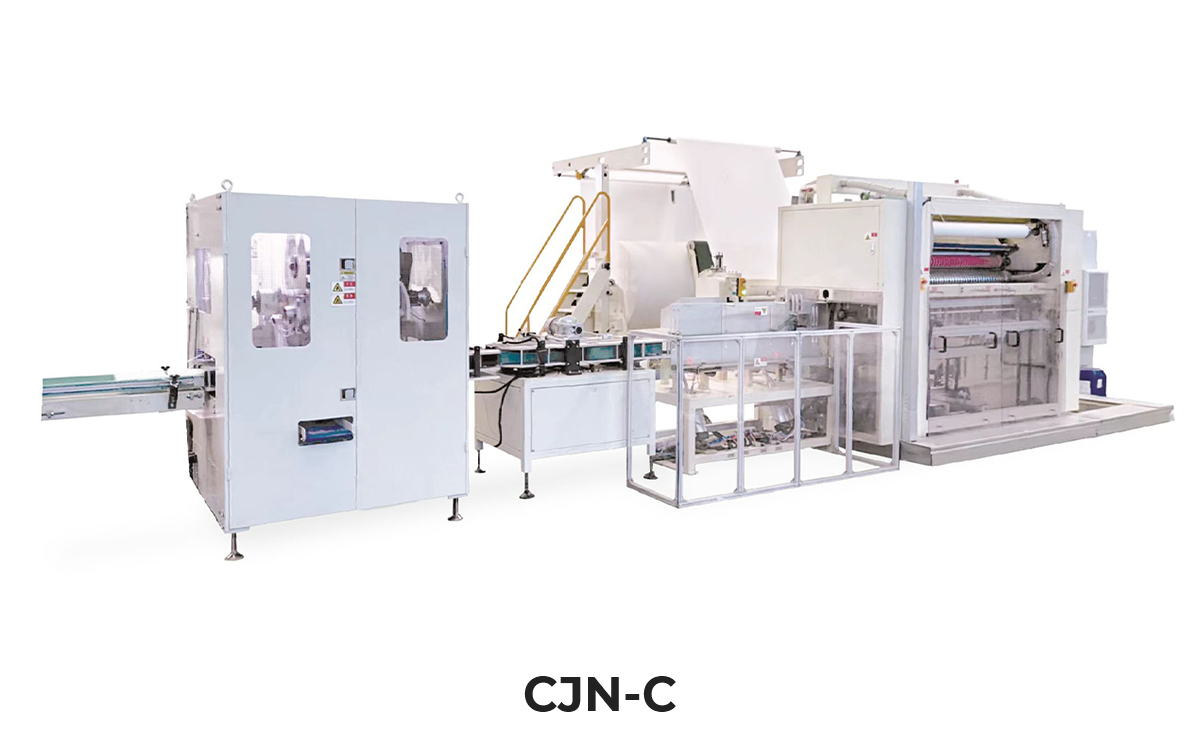
Moreover, the extensive export experience of these manufacturers supports a seamless entry into various international markets, reinforcing China's position as a preferred sourcing destination. Notably, companies like Lian Sheng Pulp and Paper (Zhangzhou) Co., Ltd. exemplify this trend with their state-of-the-art automatic facial tissue production line, which boosts production efficiency.
Cost Advantages of Chinese Tissue Machine Manufacturers
While the demand for tissue machines continues to rise globally, many buyers are increasingly turning to Chinese manufacturers due to their competitive pricing structures. The tissue machine cost from Chinese suppliers is significantly lower compared to counterparts in other regions.
For instance, the automatic tissue machine price is often 20-30% less, making it an attractive option for budget-conscious companies. Additionally, the overall tissue production line cost, including installation and maintenance, remains favorable, enhancing operational feasibility. The fully automatic tissue production line price reflects these savings, allowing for greater output efficiency without compromising on quality.
Consequently, the tissue manufacturing equipment price becomes a decisive factor for global buyers seeking ideal investment returns in a rapidly evolving market. Moreover, the demand for energy efficiency features is prompting manufacturers to invest in advanced machinery, further enhancing the appeal of Chinese products in the global market.
Manufacturing Scale and Supply Chain Strength
As the demand for tissue machines escalates, the manufacturing scale and supply chain robustness of Chinese producers play a pivotal role in attracting buyers from around the world. Chinese manufacturers, equipped with advanced technology and extensive production capabilities, can offer competitive tissue paper machine prices. Economies of scale enable them to lower costs, resulting in favorable toilet paper machine prices and facial tissue machine costs.
In addition, a well-established supply chain allows for timely delivery and efficient sourcing of components, enhancing reliability. Global buyers can benefit from the variety of options available, including diverse tissue converting machine prices, ensuring they find solutions tailored to their needs.
Overall, the strength of China's manufacturing landscape positions it as a preferred supplier in the tissue machine market. Furthermore, the commitment to sustainable practices in tissue paper production reflects a growing trend towards environmentally responsible manufacturing, appealing to conscious global buyers.
Export Experience and Global Market Reach
The export experience of Chinese tissue machine manufacturers greatly influences the global market dynamics, making them a preferred choice for international buyers. With over two decades of international trade, these manufacturers have developed robust networks that streamline logistics and reduce lead times. The significant investment in advanced technology and adherence to international standards enhance product reliability and performance, satisfying stringent quality requirements.
In addition, competitive pricing strategies enable Chinese firms to offer high-value solutions, attracting a diverse clientele across various regions. Data shows that approximately 60% of tissue machines exported globally in recent years originated from China, underscoring the nation's pivotal role in the market. Consequently, global buyers leverage this expertise and cost-effectiveness to optimize their production capabilities.
Notably, companies such as Foshan DeChangYu Paper Machinery are recognized as leaders in China's tissue machinery industry, contributing to this impressive export figure.
Average Tissue Machine Price in China by Equipment Type
The average prices of tissue machines in China vary considerably by equipment type, reflecting differences in technology and production capacity. For instance, the price range for toilet paper production lines is typically higher compared to that of facial tissue production lines, while kitchen towel production lines and slitting rewinder/converting machines present their own distinct pricing structures.
Analyzing these ranges provides insights into the investment required for different tissue production needs within the market. Additionally, understanding the impact of technological advancements can further inform buyers on potential long-term savings and efficiency improvements.
Toilet Paper Production Line Price
Toilet paper production lines in China exhibit a diverse price range, influenced by various equipment types and technological features. Typically, prices for these production lines depend on specifications such as automation level, production capacity, and additional functionalities. Basic models, which may feature manual operation and lower output, are available at the lower end of this spectrum.
Conversely, advanced lines equipped with high-speed machinery, automated control systems, and enhanced efficiency capabilities command higher prices. Buyers must consider not only the initial costs but also long-term operational expenses, maintenance, and potential scalability.
A thorough analysis of these factors is essential for making informed purchasing decisions in the competitive tissue manufacturing landscape. Investing in advanced technology can significantly improve production efficiency, which is crucial for maximizing profitability in this industry.
Facial Tissue Production Line Price
While the price of facial tissue production lines in China varies considerably based on equipment specifications and capabilities, a thorough analysis reveals an average price range that reflects these differences. Typically, the cost of these production lines depends on factors such as production speed, automation level, and additional features. Additionally, investing in a high-speed operation can significantly enhance production efficiency and reduce operational downtime.
This information serves as an essential reference for global buyers aiming to optimize their investments in facial tissue production.
Kitchen Towel Production Line Price
A thorough evaluation of kitchen towel production line prices in China indicates significant variability depending on the type and sophistication of the equipment. Factors influencing these prices include machinery brand, production speed, and additional features such as energy efficiency and automation.
Potential buyers must weigh these variables against their operational needs to guarantee a well-informed investment decision. Furthermore, investing in a fully automated system can significantly enhance production efficiency and reduce labor costs.
Slitting Rewinder and Converting Machine
The pricing of slitting rewinder and converting machines in China reveals a range of costs influenced by various factors such as technology, capacity, and brand reputation. The integration of automation and digital controls greatly raises prices, as these features enhance operational efficiency.
Leading brands command premium pricing due to established reliability and customer support. Buyers must also consider ancillary costs, including installation and maintenance.
Ultimately, understanding the cost structure and evaluating specific operational needs allows global buyers to make informed decisions, ensuring they maximize value while aligning with production goals.
Careful analysis of these elements is essential for strategic investment in the tissue converting sector. Additionally, advancements in tissue manufacturing processes are driving innovation and cost-effectiveness in the machinery used.
Automatic vs Semi-Automatic Tissue Machine Price Comparison
The price comparison between automatic and semi-automatic tissue machines reveals significant disparities in initial investment and long-term operational costs. While automatic machines typically require a higher upfront expenditure, they may offset labor costs through enhanced efficiency and reduced workforce needs.
Analyzing the total cost of ownership for both options can provide insights into which alternative offers superior long-term value for manufacturers in China. Additionally, considering energy efficiency options can play a crucial role in determining the overall sustainability and profitability of the production line.
Price Differences Between Automation Levels
While automation markedly enhances production efficiency, the price differences between automatic and semi-automatic tissue machines reflect varying levels of technology and operational capacity. Automatic machines typically command higher prices, driven by advanced features such as integrated control systems and reduced labor requirements.
In contrast, semi-automatic machines offer a more budget-friendly option, albeit with increased manual intervention and lower productivity. Additionally, modern machines integrate advanced controls and digital monitoring to provide a competitive edge in the market.
Understanding these price dynamics allows global buyers to make informed decisions that align with their operational goals and budget constraints.
Labor Cost vs Equipment Investment Trade-Off
When evaluating the trade-off between labor costs and equipment investment, a clear distinction emerges between automatic and semi-automatic tissue machines. Automatic machines typically demand a higher upfront investment but promise reduced labor costs through enhanced efficiency and lower staffing needs. In contrast, semi-automatic machines require more manual intervention, potentially increasing labor expenses while having lower initial costs.
Initial Investment: Automatic machines have higher purchase prices.
Labor Savings: Automation can decrease the workforce required and associated costs.
Operational Efficiency: Automatic systems often lead to higher production rates and lower waste. Additionally, the integration of IoT and real-time data analytics enhances process control and predictive maintenance, further optimizing operational efficiency.
Which Option Offers Better Long-Term Value
How does one determine the long-term value of automatic versus semi-automatic tissue machines? Analyzing initial investment costs, automation levels, and operational efficiency is crucial. Automatic machines typically incur higher upfront costs, ranging from 30-50% more than their semi-automatic counterparts. However, they offer reduced labor expenses and lower error rates, resulting in greater output consistency.
Semi-automatic machines, while cheaper, often demand higher labor intensity and may lead to increased operational risks, affecting long-term profitability.
Moreover, maintenance costs should be factored; automatic systems generally require specialized service, which may elevate costs over time. Evaluating production volume needs and long-term growth potential is essential for determining which option provides superior value.
Ultimately, the choice hinges on balancing initial costs with operational advantages. Additionally, considering the integration of advanced automation technology can further enhance production efficiency and reduce waste in tissue manufacturing processes.
Key Factors That Affect Tissue Machine Price in China
The price of tissue machines in China is influenced by several critical factors, including production capacity and machine speed, which dictate operational efficiency and output. Additionally, the level of automation, encompassing control systems such as PLCs and smart technologies, plays a significant role in determining both cost and functionality.
Moreover, machine configuration, material quality, and the reputation of suppliers contribute to the overall pricing structure, reflecting the complexities of customization and engineering capability in the industry. Understanding key considerations for equipment selection can further guide buyers in making informed purchasing decisions.
Production Capacity and Machine Speed
Although numerous factors contribute to the pricing of tissue machines in China, production capacity and machine speed emerge as critical determinants. Buyers should be aware that these elements greatly influence overall operational efficiency and profitability.
Higher production capacities typically command higher prices due to increased output potential.
Machines with faster processing speeds reduce production time, leading to greater revenue generation.
The balance between capacity and speed can dictate the return on investment, affecting long-term cost efficiency.
Understanding these factors allows buyers to make informed decisions, ensuring they select machines that align with their production goals and financial constraints. An analytical approach to these parameters aids in maneuvering the complexities of pricing in the tissue machinery market. Additionally, investing in high-performance features can further enhance production efficiency and profitability.
Level of Automation and Control Systems (PLC, Smart Systems)
In addition to production capacity and machine speed, the level of automation and the sophistication of control systems greatly influence tissue machine pricing in China. Advanced automation, characterized by programmable logic controllers (PLC) and smart systems, enables operators to achieve higher efficiency and consistency in production. Machines equipped with these technologies often command higher prices due to the reduced need for manual intervention and the potential for real-time data analytics.
Additionally, automated systems facilitate predictive maintenance, which can lower operational costs over time. Buyers must evaluate the return on investment associated with these features, as enhanced control mechanisms can lead to significant long-term savings and improved product quality, thereby justifying the initial expenditure on more sophisticated machinery.
Furthermore, 24-hour online technical support can be a valuable resource for troubleshooting and optimizing machine performance, further enhancing the overall value of the investment.
Machine Configuration and Customization Requirements
When evaluating the pricing of tissue machines in China, machine configuration and customization requirements emerge as critical factors. The specific configuration of a machine can considerably influence costs, as tailored solutions often necessitate additional engineering and design resources. Buyers must consider:
The degree of customization versus standard models.
Production capacity and speed specifications.
Integration of advanced features such as energy efficiency and waste reduction systems.
These elements not only dictate the initial investment but also the long-term operational efficiency of the machine. Understanding these configuration nuances allows global buyers to make informed decisions that align with their production goals and budgetary constraints, ensuring that they achieve optimal value from their investment in tissue machines. Additionally, mastery of converting elements can further enhance production efficiency and product quality, making it a vital consideration for buyers.
Material Quality and Component Brands
While evaluating the price of tissue machines in China, the quality of materials used and the brands of components play a vital role in determining overall costs. High-quality materials, such as stainless steel and advanced alloys, offer durability and reliability, justifying higher price points.
In addition, reputable brands, known for their engineering excellence and innovation, typically command premium pricing due to their proven performance and lower maintenance costs. Buyers should consider the long-term implications of selecting lower-cost materials or lesser-known brands, which may lead to increased operational downtime or inefficient performance.
As a result, understanding the interplay between material quality and component brand reputation is essential for making informed purchasing decisions that align with operational goals and budgetary constraints.
Additionally, many manufacturers, like Dechangyu Paper Machinery Co. Ltd., emphasize innovation and quality control to ensure their machines meet high industry standards.
Supplier Experience and Engineering Capability
Supplier experience and engineering capability greatly influence the pricing of tissue machines in China. Established suppliers with extensive industry expertise typically command higher prices due to their ability to deliver superior quality and innovative solutions. Key factors include:
Technical Expertise: A supplier's engineering team should possess advanced knowledge of tissue machine design, enhancing performance and efficiency.
Track Record: Suppliers with a history of successful projects can offer insights into reliability and operational longevity, justifying premium pricing.
Customization Ability: Experienced suppliers often provide tailored solutions that meet specific buyer requirements, adding value to their offerings. Additionally, suppliers that integrate breakthrough technology into their designs can significantly boost production capacity while maintaining quality standards.
Hidden Costs When Buying Tissue Machines from China
When purchasing tissue machines from China, buyers often overlook significant hidden costs that can impact the total investment. These costs include shipping, freight, and import duties, which can escalate the initial price, as well as installation and commissioning expenses that require expert oversight.
Additionally, ongoing expenses related to operator training, technical support, maintenance, and spare parts can substantially affect long-term financial planning. It is also crucial to consider comprehensive quality assurance throughout the manufacturing process, as this can influence both the safety and performance testing and overall reliability of the equipment.
Shipping, Freight, and Import Duties
Understanding the intricacies of shipping, freight, and import duties is essential for businesses considering the purchase of tissue machines from China, as these hidden costs can greatly impact the overall investment. A detailed evaluation can help companies avoid unexpected expenses that could jeopardize their budget.
Shipping Costs: Fluctuations in freight rates can notably alter total expenses.
Import Duties: Varying tariffs based on machine specifications and country of origin can create unforeseen liabilities.
Customs Clearance Fees: Additional charges may be incurred during the import process, affecting timelines and budgets.
Installation and Commissioning Costs
Although often overlooked, installation and commissioning costs represent a significant component of the overall investment in tissue machines sourced from China. These costs can vary widely based on factors such as machine complexity and geographical location.
This table illustrates the various cost elements involved, emphasizing the necessity for buyers to budget accordingly. Failure to account for these costs may lead to financial strain and project delays, undermining the anticipated return on investment.
Additionally, understanding the importance of integrated production lines can help buyers make informed decisions that enhance efficiency and reduce overall costs.
Operator Training and Technical Support
Following the consideration of installation and commissioning costs, operator training and technical support emerge as significant hidden costs in the acquisition of tissue machines from China. Buyers often underestimate these expenses, which can lead to operational inefficiencies and increased downtime if not addressed properly.
Training Duration: Understand the length and depth of training programs offered.
Technical Support Availability: Assess the responsiveness and accessibility of technical support services post-purchase.
Language Barriers: Consider potential communication challenges that could hinder effective training and support.
A thorough evaluation of these factors is essential for ensuring that operators are proficient and that technical issues can be resolved swiftly, thereby optimizing the overall return on investment. Additionally, it is crucial to recognize the importance of dealer training offered by manufacturers, which is designed to enhance market confidence and competitiveness.
Maintenance and Spare Parts Costs
Maintenance and spare parts costs represent a critical yet often overlooked component of total ownership expenses for tissue machines sourced from China. Buyers should anticipate that these costs can vary greatly based on machine complexity, age, and specific manufacturer practices. Regular maintenance can account for up to 10-15% of operational budgets annually, while spare parts may incur additional unplanned expenses. Lead times for parts can extend from weeks to months, affecting production efficiency.
In addition, sourcing components locally versus directly from China may influence overall costs. Data suggests that establishing a proactive maintenance schedule and an all-encompassing spare parts inventory can mitigate unexpected financial burdens.
As a result, global buyers must rigorously evaluate these hidden costs when reviewing their investment. Understanding the importance of advanced technology offerings can significantly enhance the longevity and efficiency of tissue machines, further impacting maintenance costs.
Total Cost of Ownership for Tissue Production Equipment
The total cost of ownership (TCO) for tissue production equipment encompasses not only the initial investment but also ongoing operating costs that greatly influence profitability. Key factors such as energy consumption, machine efficiency, and maintenance reliability directly affect long-term operational expenses and potential downtime.
A thorough analysis of these elements is essential for manufacturers seeking to optimize their financial performance in a competitive market. Additionally, manufacturers in China are investing in high-end tissue machines to improve product quality and efficiency.
Initial Investment vs Operating Cost
Evaluating the total cost of ownership for tissue production equipment necessitates a thorough analysis of both initial investment and ongoing operating costs. The initial investment encompasses the purchase price, installation, and commissioning expenses, while operating costs include maintenance, labor, and raw materials. Understanding these components is essential for informed decision-making.
Initial investment can greatly affect cash flow and financing options.
Operating costs directly influence profit margins and overall competitiveness.
Long-term projections may reveal hidden costs, impacting sustainability. Additionally, considering sustainable practices in the manufacturing process can further improve cost efficiency and environmental impact.
Energy Consumption and Efficiency Impact
While evaluating the total cost of ownership for tissue production equipment, energy consumption and efficiency emerge as critical factors influencing overall expenses.
High-performance tissue machines typically exhibit lower energy consumption rates, contributing to reduced operational costs over time. Data indicates that energy-efficient machines can decrease energy usage by 30-50%, greatly impacting the bottom line. Additionally, the integration of advanced technologies, such as variable frequency drives and optimized heating systems, enhances overall efficiency. Moreover, features like automatic pneumatic proportional valve for linear slider rail lifting in modern machines further optimize energy usage.
Buyers should consider the long-term implications of energy costs in their purchasing decisions, as machines with higher initial investments may offer substantial savings through lower energy consumption.
Ultimately, understanding energy dynamics can empower buyers to make informed, cost-effective choices in the competitive tissue production market.
Downtime, Reliability, and Maintenance Factors
Operational efficiency in tissue production not only hinges on energy consumption but also considerably depends on downtime, reliability, and maintenance factors. Buyers must evaluate these elements to understand the total cost of ownership. Frequent downtime can lead to significant losses, while equipment reliability directly impacts production schedules. Regular maintenance reduces unexpected failures, ensuring smooth operations.
Downtime Costs: Assess potential revenue loss during equipment failures.
Reliability Metrics: Analyze historical performance data to predict operational stability.
Maintenance Protocols: Implement structured maintenance schedules to enhance equipment longevity. Additionally, investing in high-quality embossing machines can further elevate production standards and reduce overall downtime.
Incorporating these considerations will empower buyers to make informed decisions, optimize production capacities, and ultimately maximize profitability. Understanding these factors is essential for maintaining a competitive edge in the tissue production industry.
China vs Europe Tissue Machine Price: What’s the Difference
An analysis of tissue machine prices reveals significant differences between China and Europe, primarily driven by equipment costs and varying levels of technology and automation.
While Chinese manufacturers often offer lower prices, European machines may provide advanced features and higher operational efficiencies. Additionally, lead time and delivery logistics further complicate the comparative landscape, influencing overall investment decisions for tissue production facilities.
Furthermore, DCY's R&D strength showcases their commitment to continuous technological innovation, which can enhance the value proposition of Chinese machines.
Equipment Cost Comparison
As the global demand for tissue products continues to rise, understanding the cost dynamics of tissue machines becomes essential for manufacturers considering investments in this sector.
When comparing equipment costs between China and Europe, several key factors emerge:
Price Variability: Chinese machines typically offer lower upfront costs, appealing to budget-conscious buyers.
Additional Expenses: European manufacturers often include higher service and maintenance costs in their pricing structure.
Market Positioning: European machines may command a premium due to perceived quality and reliability.
These considerations reveal that while initial costs in China may be lower, total cost of ownership can differ greatly, affecting long-term financial planning and operational efficiency for manufacturers. Additionally, the focus on customer-centricity in China's tissue machinery market can provide manufacturers with tailored solutions that enhance their production capabilities.
Technology and Automation Level Differences
While evaluating tissue machine prices, the technology and automation levels offered by manufacturers in China and Europe play a crucial role in determining overall value.
European manufacturers typically emphasize advanced automation, resulting in higher precision, efficiency, and reduced labor costs. Their machines often integrate sophisticated control systems and real-time monitoring, enhancing production consistency and quality.
Conversely, Chinese manufacturers may focus on cost-effective solutions, with competitive pricing but potentially less automation. The technology gap can lead to longer production runs and increased waste in lower-end Chinese machines.
Buyers must weigh the initial purchase price against long-term operational efficiency, as superior technology can yield substantial savings and improved product quality over time, ultimately influencing the total cost of ownership. Additionally, effective implementation support is vital in maximizing the efficiency of machinery, especially when addressing potential on-site challenges.
Lead Time and Delivery Considerations
Lead time and delivery considerations greatly impact the overall cost and efficiency of acquiring tissue machines, particularly when comparing Chinese and European manufacturers. The differences in lead times can greatly influence purchasing decisions, as timely delivery is essential for operational planning and market responsiveness.
Manufacturing Speed: Chinese manufacturers often provide shorter lead times due to streamlined production processes.
Logistics and Shipping: European manufacturers may require longer shipping times, impacting overall project timelines.
Customization Flexibility: Chinese suppliers frequently offer more adaptable timelines for customized machines.
Additionally, the efficiency of the automatic toilet roll rewinding machine can significantly enhance production timelines, making it an appealing option for buyers.
Understanding these factors allows buyers to make informed decisions that align with their operational goals and financial constraints, ultimately ensuring better control over procurement processes.
How to Evaluate a Tissue Machine Supplier in China
Evaluating a tissue machine supplier in China requires a thorough analysis of several critical factors. Key indicators include the supplier's research and development capabilities, patent portfolio, factory scale, and the sophistication of manufacturing equipment.
Additionally, certifications such as ISO and CE, along with a proven track record in global projects and robust after-sales support, are essential for ensuring quality and reliability. Furthermore, consider the supplier’s commitment to technological innovation as it can significantly impact the efficiency and quality of the tissue machines offered.
R&D Capability and Patent Strength
R&D capability and patent strength serve as critical indicators when evaluating tissue machine suppliers in China. A robust R&D department not only enhances innovation but also guarantees the supplier can meet evolving market demands. Patent strength reflects a company’s ability to protect its technological advancements, which can be a significant advantage in the competitive landscape.
Innovation Track Record: Assess past R&D projects and their success rates.
Patent Portfolio: Examine the number and relevance of patents held, focusing on their applicability to tissue machine technology.
Collaboration with Institutions: Evaluate partnerships with universities or research institutes that can enhance technological development. Additionally, a strong emphasis on digital data continuity showcases how suppliers can integrate advanced technologies into their production lines to improve efficiency and sustainability.
Factory Scale and Manufacturing Equipment
Factory scale and the sophistication of manufacturing equipment are pivotal elements in evaluating tissue machine suppliers in China. A larger factory often indicates higher production capacity and economies of scale, which can translate into competitive pricing. Buyers should assess the production lines' modernity, including automation levels and technology integration, as these factors greatly influence efficiency and output quality.
Additionally, the range of equipment available—such as pulp processing, drying, and finishing machines—can provide insights into a supplier's capability to meet diverse customer needs. Investigating the supplier's investment in research and development infrastructure can further reveal their commitment to innovation.
Moreover, understanding their commitment to sustainable practices ensures that buyers align with suppliers who prioritize environmentally friendly production methods.
By analyzing these factors, global buyers can make informed decisions, ensuring they partner with suppliers capable of delivering quality and reliability.
Certifications (ISO, CE) and Quality Control
When evaluating potential tissue machine suppliers in China, the presence of recognized certifications such as ISO and CE serves as a critical indicator of product quality and compliance with international standards. These certifications not only reflect adherence to manufacturing best practices but also enhance buyer confidence in the supplier’s capabilities.
To guarantee meticulous evaluation, buyers should consider the following:
Certification Validity: Verify that certifications are current and issued by reputable organizations.
Quality Control Processes: Assess the supplier's internal quality control measures, including testing and inspection protocols.
Customer Feedback: Review testimonials and case studies to gauge product performance and supplier reliability. Additionally, suppliers like DCY emphasize strict quality control measures to ensure high product standards, providing further assurance to potential buyers.
Global Project Experience and Export Cases
Evaluating the global project experience and export cases of tissue machine suppliers in China provides valuable insights into their operational capabilities and market reach. Key metrics include the number of completed international projects, geographical distribution, and client diversity. Suppliers with extensive experience in various markets demonstrate adaptability to different regulatory environments and customer preferences.
Moreover, analyzing case studies of past exports can reveal the effectiveness of their technology and manufacturing processes. It is essential to take into account the scale of projects, as larger installations typically indicate a supplier's ability to meet complex demands.
Additionally, feedback from international clients can serve as a gauge of reliability and performance, ensuring that buyers select a supplier with a proven track record in global operations.
Furthermore, successful suppliers often integrate breakthrough technology into their production lines, enhancing overall efficiency and product quality.
After-Sales Service and Support System
A thorough assessment of a tissue machine supplier in China must include a critical examination of their after-sales service and support system. Buyers should prioritize reliable and responsive support to mitigate potential operational disruptions. Evaluating the following aspects can provide insights into a supplier's commitment:
Technical Support Availability: Assess whether 24/7 assistance is offered, ensuring swift resolutions to technical issues.
Spare Parts Accessibility: Investigate the supplier’s inventory management and logistics for timely delivery of essential components.
Training Programs: Determine the extent of training provided for personnel, which is essential for maximizing machine efficiency and longevity. Additionally, inquire about the supplier's continuous engagement strategies, as this reflects their dedication to ongoing customer support.
How to Get an Accurate Tissue Machine Price Quote
Obtaining an accurate tissue machine price quote requires providing suppliers with essential details, including production capacity and desired specifications. The distinction between standard and customized machine quotations considerably influences pricing, as customization often entails additional costs. Common pitfalls, such as vague requests or overlooking critical specifications, can lead to misaligned expectations and inaccurate quotes. Understanding the operational efficiency of different machine types can also impact the overall investment decision.
Key Information You Must Provide to Suppliers
When seeking an accurate price quote for a tissue machine, it is essential for buyers to provide detailed specifications to suppliers, as this information directly influences the cost and suitability of the equipment. Buyers should consider the following key elements:
Production capacity: Specify the desired output per hour or day, as this affects machine size and complexity.
Material requirements: Indicate the type and quality of raw materials intended for use, impacting the machine's design.
Technological features: Outline specific functionalities needed, such as automation level and energy efficiency, to tailor the machine to operational goals. Additionally, understanding the different types of tissue machines available can help buyers make informed decisions regarding their specific needs.
Providing this information enables suppliers to deliver precise quotes, ensuring that buyers receive equipment that meets their operational needs while optimizing cost-effectiveness.
Standard vs Customized Machine Quotation Differences
While standard machine quotations provide a baseline price based on widely accepted specifications, customized machine quotations reflect unique requirements and operational goals, often resulting in significant price variations. Buyers seeking precision in pricing must understand that standard models generally come with fixed features, leading to predictable costs.
In contrast, customized machines necessitate detailed discussions regarding specifications such as production capacity, materials, and technology integration, which can escalate costs based on complexity. Additionally, customization involves potential changes in lead times and after-sales support, further influencing the overall price.
As a result, buyers should engage in thorough needs assessments and communicate specific expectations to suppliers to obtain accurate and actionable quotations, ensuring alignment with operational objectives and budget constraints. Implementing waste reduction mechanisms during production can also be a critical factor that influences pricing strategies.
Common Mistakes When Requesting Quotes
Understanding the nuances of requesting quotes for tissue machines is essential, as several common mistakes can lead to inaccurate pricing and misaligned expectations. Buyers must be meticulous to guarantee they receive precise quotes that align with their operational needs.
Failing to specify machine specifications, such as capacity and features.
Neglecting to ask about additional costs, including shipping and installation.
Overlooking the importance of timelines for production and delivery.
Additionally, it is crucial to clarify the high-precision slitting capabilities required, as this can significantly impact both price and production quality.
Is Buying a Tissue Machine from China Worth It
An analysis of the return on investment (ROI) and payback period is essential when evaluating the worthiness of purchasing a tissue machine from China. While significant cost savings may be attainable, potential risks such as quality control and after-sales support must also be considered.
Identifying the best scenarios for sourcing from China can further clarify whether the benefits outweigh the drawbacks. Additionally, working with a reputable manufacturer like Dechangyu (DCY) ensures access to high-performance solutions that can enhance operational efficiency.
ROI and Payback Period Analysis
Evaluating the return on investment (ROI) and payback period for purchasing a tissue machine from China reveals critical insights into the financial viability of such an acquisition. A thorough analysis indicates that the ROI can be considerably favorable when considering factors such as production capacity, operational efficiency, and market demand. Key elements influencing the payback period include:
Initial Costs: Lower upfront prices compared to machines from other regions.
Output Efficiency: Higher production rates resulting in increased revenue.
Market Trends: Growing demand for tissue products enhancing profitability. Additionally, toilet roll lines can provide flexibility for frequent changeovers, which can be beneficial in adapting to varying market demands.
Cost Savings vs Potential Risks
While the prospect of acquiring a tissue machine from China may present significant cost savings, it is vital to weigh these advantages against potential risks associated with such a purchase. Cost reductions often stem from lower manufacturing expenses and favorable exchange rates; however, compromised quality control can lead to operational inefficiencies. Buyers may encounter challenges in after-sales support, as well as potential delays in delivery due to logistical issues.
Furthermore, regulatory compliance may vary, introducing risks of non-compliance with local standards. A thorough assessment of the supplier's reputation, quality assurance processes, and service capabilities is essential to mitigate these risks and guarantee that cost savings do not come at the expense of long-term operational viability.
Additionally, partnering with a manufacturer that emphasizes customer-centricity ensures better support throughout the purchasing process.
Best Scenarios for Sourcing from China
When considering the acquisition of a tissue machine from China, potential buyers can find advantageous scenarios that justify the investment. Key factors influencing this decision include:
Cost Efficiency: Chinese manufacturers often provide competitive pricing that can markedly reduce initial capital expenditures.
Advanced Technology: Many Chinese firms utilize cutting-edge technology, leading to improved efficiency and lower operational costs.
Customization Options: Buyers can benefit from tailored solutions that meet specific production requirements, enhancing overall productivity. Additionally, companies like Roll Solutions - DCY are recognized leaders in the tissue converting equipment sector, providing reliable and high-performance machines.
These scenarios highlight the strategic advantages of sourcing from China, particularly for businesses seeking to optimize their manufacturing processes while managing costs. Understanding these factors helps buyers make informed decisions, ensuring that their investments yield substantial returns in a competitive market.
Frequently Asked Questions
What Are the Payment Options When Purchasing Tissue Machines From China?
When purchasing tissue machines from China, buyers typically have several payment options, including wire transfers, letters of credit, and payment through third-party escrow services, ensuring security and control over international transactions.
How Long Does It Take to Receive a Tissue Machine After Purchase?
Typically, delivery of a tissue machine takes between 60 to 120 days post-purchase, influenced by production schedules and shipping logistics. Effective planning can greatly reduce downtime, enhancing operational efficiency for global buyers seeking timely installations.
Are Warranties Offered on Tissue Machines From Chinese Manufacturers?
Chinese manufacturers typically offer warranties on tissue machines, ranging from one to three years. These warranties cover manufacturing defects and can include options for extended coverage, ensuring buyers have recourse in case of equipment failure.
What Is the Typical Lifespan of a Tissue Machine From China?
The typical lifespan of a tissue machine from China ranges between 10 to 15 years, depending on maintenance practices and operational conditions. Regular servicing and adherence to manufacturer guidelines can greatly extend this duration, optimizing performance.
Can Tissue Machines Be Customized to Specific Production Needs?
Tissue machines can be meticulously tailored to meet specific production needs, allowing manufacturers to optimize efficiency and output. Customization options range from size and speed to technology integration, creating a powerful tool for targeted production strategies.
Conclusion
In summary, while sourcing tissue machines from China presents a compelling opportunity for global buyers seeking cost efficiency, careful consideration of various factors is essential. The adage "you get what you pay for" serves as a poignant reminder; the initial investment must be weighed against potential hidden costs and supplier reliability. By meticulously evaluating equipment types, price variations, and supplier capabilities, buyers can make informed decisions that align with their operational needs and long-term business goals.







 English
 Español
 العربية
 Português do Brasil
 Русский