Tissue Roll Rewinding and Slitting Machine: Complete Buying Guide for Tissue Manufacturers
The Tissue Roll Rewinding and Slitting Machine plays an essential role in the tissue converting industry. It efficiently transforms large parent rolls into smaller, ready-to-market rolls. With automated processes, this machine guarantees consistency in size and quality while minimizing waste. Understanding its operation, types, and specifications is vital for manufacturers. The choice of supplier can greatly impact the production process. Exploring these aspects will reveal what makes this machine indispensable in modern manufacturing.
Key Takeaways
Tissue roll rewinding and slitting machines convert large parent rolls into smaller, market-ready formats with precision and efficiency.
The rewinding process ensures roll uniformity while the slitting process guarantees clean edges and consistent dimensions for consumer products.
Advanced features include perforation, embossing, and automatic tail sealing to enhance product functionality and aesthetic appeal.
Fully automatic machines increase production capacity, while semi-automatic options provide a balance of manual control and automation.
Key components such as slitting knives and embossing units are essential for maintaining high quality and operational efficiency in production.
What Is a Tissue Roll Rewinding and Slitting Machine?
A tissue roll rewinding and slitting machine is essential in the tissue converting process, serving to reshape large rolls into smaller, manageable formats. The rewinding function guarantees even tension and quality in the final product, while slitting accurately divides the rolls for various applications. Together, these processes enhance efficiency and precision in a tissue paper production line. This machine’s high-speed operation allows for rapid conversion, significantly improving overall productivity in modern tissue production lines.
The role of rewinding in tissue converting
While tissue converting encompasses various processes to transform raw material into finished products, rewinding plays an essential role in guaranteeing the quality and usability of tissue rolls. A tissue rewinding machine efficiently rewinds large parent rolls into smaller, manageable sizes, allowing for easier handling and packaging. This process not only improves the roll’s uniformity but also guarantees that the tissue is wound tightly, reducing the risk of damage during storage and transportation. Furthermore, the tissue slitting rewinder facilitates the precise cutting of tissue rolls, guaranteeing that the final product meets specific market demands. By optimizing the rewinding process, manufacturers can enhance productivity, maintain quality standards, and ultimately deliver superior tissue products to consumers. Additionally, the integration of a fully integrated production line ensures seamless coordination among various machinery, further enhancing efficiency throughout the manufacturing process.
What slitting does in tissue roll production
Slitting, an essential part of tissue roll production, serves to transform large parent rolls into smaller, market-ready products. This process is executed using a tissue converting machine, which precisely cuts the tissue into various widths according to market specifications. By guaranteeing clean edges and consistent dimensions, slitting enhances the overall quality of the final product. Additionally, a high speed tissue rewinding machine works in conjunction with the slitting process to maintain efficiency and reduce production time. The combination of slitting and rewinding guarantees that manufacturers can meet consumer demand while optimizing their production capabilities. To summarize, slitting is vital for producing tailored tissue products that fulfill market needs effectively. Furthermore, understanding material compatibility is crucial for selecting appropriate slitting techniques to ensure optimal results.
How rewinding and slitting work together
The integration of rewinding and slitting processes is fundamental in the production of tissue rolls. A tissue roll rewinding and slitting machine operates efficiently to guarantee the final product meets quality standards. The fully automatic tissue rewinder plays an essential role by:
Enhancing Productivity: It allows for continuous operation, reducing downtime during the rewinding phase.
Assuring Precision: Accurate slitting during the process guarantees uniform sheet sizes, critical for consumer satisfaction.
Minimizing Waste: Effective rewinding and slitting reduce material waste, optimizing resource use and lowering production costs.
Additionally, the machine employs high-precision slitting technology to ensure consistent cut quality throughout the production run. Together, these processes guarantee that tissue rolls are produced efficiently, maintaining high-quality standards while meeting market demands. The synergy between rewinding and slitting is fundamental for successful tissue production operations.
Where the machine fits in a tissue paper production line
How does a tissue roll rewinding and slitting machine fit into the larger tissue paper production line? This machine serves an essential role in the toilet paper converting line, transforming large parent rolls into consumer-ready products. Positioned after the initial production phase, the rewinding and slitting machine guarantees the appropriate width and roll size for market demands. Additionally, it plays a crucial part in ensuring high-quality output by maintaining the precise dimensions and standards required for final products.
Step
Description
Purpose
1
Parent Roll Supply
Provides raw material
2
Rewinding
Forms smaller rolls
3
Slitting
Cuts rolls to desired width
4
Quality Control
Guarantees product standards
5
Packaging
Prepares for distribution
This efficient process enhances production control in the tissue manufacturing workflow.
How a Tissue Roll Rewinding and Slitting Machine Works
The operation of a tissue roll rewinding and slitting machine involves several key processes that guarantee efficient production. Initially, jumbo rolls are loaded and managed under controlled web tension during the rewinding phase. This is followed by integration of perforation and embossing, leading to precise slitting and log formation, and concluding with an automatic tail sealing process. Additionally, the implementation of tension control systems ensures consistent pressure during production, preventing web breaks and enhancing the overall quality of the finished product.
Jumbo roll loading process
When loading a jumbo roll into a tissue roll rewinding and slitting machine, operators must confirm that the roll is securely positioned to facilitate an efficient workflow. Proper loading is critical to guarantee the smooth operation of the kitchen towel rewinder machine.
Key steps in the jumbo roll loading process include:
Alignment: Confirm the roll is correctly aligned with the machine’s feeding mechanism.
Securing: Use clamps or other securing devices to hold the roll firmly in place, preventing any movement during operation.
Testing: Conduct a brief test to confirm that the roll rotates freely and that there are no obstructions. Additionally, ensure that the machine is set up to accommodate various core sizes, which is essential for effective rewinding and slitting operations.
Web tension control during rewinding
Effective web tension control is essential for ensuring high-quality rewinding of tissue rolls. This control prevents defects such as wrinkles or uneven rolls, which can compromise the final product. Various systems, including load cells and tension sensors, are employed to monitor and adjust the web tension dynamically.
Tension Control Method
Description
Mechanical Brakes
Provide physical resistance to maintain tension.
Electronic Load Cells
Measure tension in real-time for precise adjustments.
Feedback Control
Uses data to automatically adjust tension settings.
These methods work in concert to create a stable rewinding process, allowing for consistent quality and minimizing waste. Proper tension management is vital for maximizing efficiency and product integrity, especially in modern tissue conversion machines that automate and optimize production processes.
Perforation and embossing integration
Integration of perforation and embossing processes in a Tissue Roll Rewinding and Slitting Machine enhances product functionality and aesthetic appeal. This integration allows manufacturers to produce tissue products that meet specific consumer preferences while maintaining operational efficiency.
Key benefits include:
Improved User Experience: Perforations enable easy tearing, enhancing convenience for end-users.
Enhanced Visual Appeal: Embossing adds texture and design, making products more attractive on retail shelves.
Functional Benefits: Specific embossing patterns can improve absorbency and softness, catering to diverse market demands. Additionally, the use of precision tissue embossing ensures that the quality remains consistent across every sheet.
Slitting and log formation
Typically, a Tissue Roll Rewinding and Slitting Machine operates by meticulously transforming large parent rolls of tissue paper into smaller, usable rolls. This process begins with the unwinding of the parent roll, allowing for precise slitting. High-speed blades cut the tissue into designated widths, ensuring uniformity and quality. The slitting mechanism is adjustable, allowing operators to define the final roll sizes based on production requirements. Following the slitting, the tissue is rewound around cores, forming logs that are suitable for packaging. The machine’s control systems monitor tension and alignment, ensuring consistent roll formation. This precision in slitting and log formation is essential for maintaining product integrity and meeting market demands efficiently. Additionally, the fully automated production process of the CJ-C Series enhances the efficiency and hygiene of the entire operation.
Automatic tail sealing process
The automatic tail sealing process in a Tissue Roll Rewinding and Slitting Machine guarantees that the ends of tissue rolls are securely fastened, preventing unraveling and maintaining product integrity. This process is essential for ensuring that the final product meets quality standards.
Key aspects of the automatic tail sealing process include:
Adhesive Application: A precise amount of adhesive is applied to the tail of the tissue, ensuring a strong bond.
Heat Activation: The adhesive is activated through controlled heat, which promotes effective sealing without damaging the tissue.
Automated Monitoring: Sensors monitor the sealing process, ensuring consistency and reducing the chances of errors.
These features collectively enhance operational efficiency and product reliability, providing manufacturers with greater control over their output. Additionally, implementing a non-glue tail sealing method can further improve cleanliness and reduce contamination risks in the final product.
Finished roll discharge and transfer
Finished roll discharge and transfer in a Tissue Roll Rewinding and Slitting Machine is a critical stage that guarantees the efficient movement of completed rolls to the next phase of production or packaging. Once the rewinding and slitting processes are complete, the machine employs automated systems to discharge the finished rolls seamlessly. Typically, conveyors or robotic arms manage this transfer, making certain of precision and minimizing manual handling. The rolls are positioned securely to prevent damage during transit, and sensors monitor their movement to maintain a steady workflow. This automated discharge system not only enhances operational efficiency but also guarantees that production timelines are met, allowing for a smooth shift to packaging or storage, thereby optimizing overall productivity in tissue manufacturing. Furthermore, the use of automation features ensures real-time monitoring and adjustment during the discharge process, further increasing efficiency and quality control.
Main Types of Tissue Roll Rewinding Machines
The main types of tissue roll rewinding machines cater to various production needs and efficiencies. These include fully automatic and semi-automatic rewinding systems, as well as specialized machines for toilet paper and kitchen towels. Additionally, coreless tissue rewinding systems represent an innovative solution for specific market demands. Furthermore, choosing the right tension control is essential for maintaining the integrity of soft, embossed, or patterned papers during the rewinding process.
Fully automatic tissue rewinding machines
While various types of tissue rewinding machines exist, fully automatic tissue rewinding machines stand out for their efficiency and high production capacity. These machines are designed to streamline the rewinding process, minimizing manual intervention and maximizing productivity. They are particularly advantageous for large-scale operations, where consistency and speed are critical.
Key features of fully automatic tissue rewinding machines include:
Precision Control: Advanced sensors guarantee consistent tension and alignment during the rewinding process.
High-Speed Operation: Capable of rewinding large rolls quickly, reducing overall production time.
Automated Quality Monitoring: Integrated systems detect defects in real-time, guaranteeing high-quality output.
These attributes make fully automatic tissue rewinding machines an essential component in modern tissue production facilities, especially as energy efficiency and sustainability features become increasingly important in global buyer preferences.
Semi-automatic tissue rewinders
Semi-automatic tissue rewinders serve as a versatile option in the domain of tissue roll rewinding machines, offering a balance between manual control and automation. These machines allow operators to adjust settings according to specific production requirements while maintaining a level of efficiency that minimizes labor costs. Operators can manually control aspects like tension and speed, ensuring that the final product meets quality standards. Additionally, semi-automatic rewinders are equipped with features such as automatic cutoff and roll diameter adjustments, enhancing productivity without sacrificing control. They are particularly suited for smaller production runs or varied product specifications, making them an attractive choice for businesses seeking flexibility in their tissue converting processes. Overall, these machines cater to operators who value precision and adaptability. Furthermore, they play a crucial role in ensuring consistent roll quality across various tissue products.
Toilet paper rewinding machines
Toilet paper rewinding machines represent a specialized category within the broader spectrum of tissue roll rewinding equipment. These machines are designed to convert large parent rolls of toilet paper into smaller, consumer-ready rolls, ensuring consistent quality and efficiency in production. Key features of toilet paper rewinding machines include:
High-Speed Operation: Capable of producing large volumes in a short time, enhancing productivity.
Automatic Splicing Systems: Minimizes downtime during roll changes, ensuring continuous operation.
Adjustable Tension Control: Allows for precise winding tension, resulting in uniform roll quality.
These machines play an essential role in meeting market demands while maintaining high standards of performance and reliability in the production process. Efficient operation is vital for manufacturers aiming for success in the competitive tissue industry, especially with high-performance features that enhance production efficiency.
Kitchen towel rewinding machines
Kitchen towel rewinding machines are indispensable in the tissue manufacturing industry, specifically designed to transform large parent rolls of kitchen paper into smaller, consumer-friendly rolls. These machines operate by precisely unwinding the parent roll, cutting it to the desired length, and rewinding it onto smaller cores. Manufacturers prioritize efficiency and quality, ensuring uniformity in roll size and sheet count, which is essential for consumer satisfaction. Advanced models incorporate automated controls, allowing for quick adjustments in tension and speed, maximizing productivity while minimizing waste. Additionally, some machines feature slitting capabilities to create perforations for easy tearing. Overall, kitchen towel rewinding machines play a critical role in streamlining production processes and meeting market demand for high-quality kitchen paper products. They can be integrated into a full tissue converting line, enhancing overall operational efficiency.
Coreless tissue rewinding systems
Coreless tissue rewinding systems represent an innovative advancement in the tissue production sector, catering to the growing demand for sustainable and efficient packaging solutions. These systems eliminate the need for traditional cores, resulting in waste reduction and enhanced product usability. They are particularly appealing to environmentally conscious consumers and manufacturers aiming to minimize their carbon footprint.
Key benefits of coreless tissue rewinding systems include:
Reduced Material Waste: Eliminating cores decreases raw material consumption and waste production.
Enhanced Portability: Coreless rolls are lighter and easier to handle, improving convenience for end-users.
Cost Efficiency: Lower material costs and improved production efficiency contribute to overall cost savings.
Additionally, advancements in tissue paper production technology are driving the adoption of coreless systems, making them a valuable addition to modern tissue manufacturing processes. These advantages make coreless tissue rewinding systems a valuable addition to modern tissue manufacturing processes.
High-speed tissue converting machines
High-speed tissue converting machines play an essential role in the tissue manufacturing industry by efficiently transforming large parent rolls into smaller, consumer-ready products. These machines enhance productivity and reduce waste, making them a critical asset for manufacturers. Additionally, advanced filtration systems are employed to recycle water and fibers, further optimizing the production process.
Machine Type
Features
Rewinding Machines
High precision and variable speed settings
Slitting Machines
Multiple blade configurations for versatility
Embossing Machines
Customizable patterns to enhance texture
Packaging Machines
Automated packing for improved efficiency
Coreless Systems
Reduced material usage and compact design
Each type of machine serves specific purposes, ensuring that producers can meet diverse market demands while maintaining high operational efficiency and product quality.
Key Components of a Tissue Roll Rewinder and Slitter
A tissue roll rewinder and slitter consists of several essential components that guarantee efficient operation and product quality. Key elements include the jumbo roll stand for supporting large rolls, the embossing unit for adding texture, and the perforation system for creating tear lines. Additionally, slitting knives and the rewinding section play critical roles in cutting and rewinding the finished product. The machine’s advanced calender technology enhances the pressure application for optimal product quality.
Jumbo roll stand
The jumbo roll stand serves as an essential component in the operation of a tissue roll rewinder and slitter, providing the crucial support for large rolls of paper during the unwinding process. This mechanism is designed to guarantee stability and efficiency, facilitating a seamless conversion from jumbo rolls to finished products. Key features of the jumbo roll stand include:
Adjustable Width: It accommodates various roll sizes, promoting versatility in production.
Robust Construction: Built to withstand the weight and tension of large rolls, assuring durability.
Easy Loading Mechanism: Simplifies the process of replacing rolls, minimizing downtime and enhancing productivity. Additionally, the jumbo roll stand is compatible with high-speed production to maximize output efficiency.
Embossing unit
An embossing unit plays an essential role in enhancing the quality and appeal of tissue products during the conversion process. This component applies pressure to the tissue material, creating patterns and textures that improve both aesthetics and functionality. By incorporating embossing, manufacturers can increase the bulk and softness of the tissue, making it more desirable to consumers. The unit typically consists of rollers engraved with specific designs, allowing for customization to meet market demands. Precision in the embossing process is critical, as it guarantees uniformity across the production run. Additionally, the embossing unit contributes to better absorbency and strength, resulting in a superior product. Ultimately, effective embossing enhances brand perception and consumer satisfaction. Moreover, the intricate embossing patterns improve the structural integrity and performance of the tissue, ensuring reliability in various cleaning tasks.
Perforation system
While enhancing the functionality of tissue products, the perforation system serves as an essential component in a tissue roll rewinder and slitter. This system guarantees that tissue rolls are divided into manageable sheets, promoting ease of use and efficiency. The precision of the perforation process directly affects both product quality and user satisfaction.
Key aspects of the perforation system include:
Consistency: Uniform perforation spacing guarantees each sheet tears off easily.
Adjustability: The ability to modify perforation depth and spacing allows for customization based on product specifications.
Durability: High-quality materials in the perforation components minimize wear and guarantee longevity, reducing maintenance needs.
Additionally, the effectiveness of the perforation system can significantly impact product quality during the overall tissue converting process.
Slitting knives
Slitting knives play an essential role in the functionality of a tissue roll rewinder and slitter, complementing the perforation system by ensuring precise cutting of the tissue rolls into desired widths. These knives are designed to deliver clean, accurate cuts, which is vital for maintaining product quality and consistency. Typically made from high-grade materials, slitting knives are engineered to withstand wear and tear, ensuring longevity and reliability in production. The positioning and sharpness of the knives can be adjusted to accommodate various roll sizes and types. Proper maintenance and alignment are essential, as they directly affect the machine’s performance and the final product’s specifications. Effective slitting contributes greatly to operational efficiency and waste reduction in tissue manufacturing, making speed and precision crucial factors to consider when selecting equipment.
Rewinding section
The rewinding section of a tissue roll rewinder and slitter is essential for transforming large parent rolls into smaller, finished products. This section guarantees the proper alignment and tension of the tissue as it is rewound, facilitating high-quality output. Key components include:
Rewind Spindles: These support the smaller rolls and maintain consistent tension during the rewinding process.
Tension Control Systems: These regulate the pressure applied to the tissue, preventing damage and guaranteeing uniform roll quality.
Cutting Mechanism: This system enables the precise slicing of the tissue into desired widths and lengths, allowing for customization.
Together, these components enhance productivity and guarantee that the final product meets specified standards. Additionally, investing in energy efficiency options can significantly reduce operational costs and support sustainability initiatives in the production process.
PLC and servo control system
A thorough PLC (Programmable Logic Controller) and servo control system plays a pivotal role in the operation of a tissue roll rewinder and slitter. This sophisticated system guarantees precision in the winding and cutting processes, enhancing overall efficiency. The PLC coordinates various components, allowing for seamless operation while the servo motors provide accurate control of speed and positioning. Together, they facilitate real-time adjustments based on operational conditions, guaranteeing ideal performance. The integration of advanced technology in these systems ensures operational excellence for tissue production processes.
Component
Function
Benefits
PLC
Central control unit
Streamlines operations
Servo Motors
Speed and position control
Increases accuracy
Sensors
Monitoring system status
Enhances safety and reliability
User Interface
Operator control and feedback
Improves user experience
Communication Bus
Data transfer between components
Guarantees synchronized operation
Automatic core feeding system
An automatic core feeding system markedly enhances the efficiency of a tissue roll rewinder and slitter. This system streamlines the process of core insertion, allowing for continuous operation and reducing downtime. Key benefits include:
Consistent Quality: Precise core placement guarantees uniformity in roll production, leading to reduced waste and improved product quality.
Operational Control: The system integrates seamlessly with PLC and servo controls, allowing operators to monitor and adjust settings for peak performance. Additionally, this efficiency is further complemented by ultra-high folding speed capabilities found in advanced tissue processing equipment.
Tail sealing system
Efficient production of tissue rolls relies heavily on an effective tail sealing system, which plays an important role in maintaining the integrity of the final product. This system guarantees that the tail of the tissue is securely fastened to the roll, preventing unravelling and guaranteeing a clean, professional finish. Typically, the tail sealing mechanism utilizes adhesive or heat sealing methods to bond the end of the tissue to the roll. The precision of this system is critical, as it directly impacts product quality and waste reduction. Furthermore, an optimized tail sealing system can enhance production speed and efficiency, allowing for higher throughput without compromising quality. Essentially, a reliable tail sealing system is crucial for achieving operational excellence in tissue roll manufacturing. Additionally, the use of advanced automation control systems in modern machinery can further streamline the sealing process, ensuring consistent results.
Important Technical Specifications Tissue Manufacturers Should Evaluate
When selecting a tissue roll rewinding and slitting machine, manufacturers should carefully assess several key technical specifications. Factors such as rewinding speed, jumbo roll width compatibility, finished roll diameter range, slitting precision, and the level of automation play an essential role in operational efficiency. Evaluating these specifications guarantees that manufacturers can meet production demands while maintaining quality standards. Additionally, choosing machines from a recognized leader in the tissue converting equipment sector can further enhance reliability and performance.
Rewinding speed
Rewinding speed is a critical parameter that tissue manufacturers must assess to guarantee ideal production efficiency and product quality. Optimizing this speed can greatly impact operational performance, enabling manufacturers to meet market demands effectively. Key considerations include:
Production Rate: Higher speeds can increase output, but must be balanced against quality control measures.
Material Compatibility: Different tissue grades may require adjustments in speed to prevent damage or wastage.
Equipment Capability: The machine’s design should support the desired rewinding speed without compromising stability or safety.
Furthermore, understanding the market demand for toilet paper can help manufacturers align their production strategies with consumer preferences.
Jumbo roll width compatibility
Jumbo roll width compatibility is an essential consideration for tissue manufacturers aiming to optimize their production processes. Ensuring that machinery can accommodate various jumbo roll widths allows for flexibility in production and reduces downtime associated with equipment adjustments. Manufacturers must evaluate the maximum and minimum widths their machines can handle to align with industry standards and customer requirements. Compatibility with different widths also facilitates efficient material utilization, minimizing waste during the slitting and rewinding processes. Additionally, the ability to process larger widths can enhance production capacity, contributing to overall operational efficiency. Ultimately, careful assessment of jumbo roll width compatibility plays a vital role in maintaining productivity and meeting market demands effectively. Furthermore, understanding jumbo roll specifications is crucial for selecting the right converting line that meets production needs.
Finished roll diameter range
Although the finished roll diameter range is often overlooked, it is a critical specification for tissue manufacturers that directly impacts production efficiency and product quality. The diameter affects various operational aspects, including the machine’s throughput and the final product’s usability. Manufacturers must consider the following factors when evaluating finished roll diameter:
Compatibility with Packaging Equipment: Confirming that the roll diameter aligns with existing packaging machinery is essential for seamless operation.
Storage and Handling Requirements: Larger diameters may require specific storage solutions to maintain product integrity.
Customer Specifications: Adhering to client requirements for roll diameter ensures market competitiveness and customer satisfaction.
Understanding these considerations allows manufacturers to optimize their production processes and meet market demands effectively. Additionally, evaluating finished roll diameter in conjunction with production machinery capabilities can enhance overall operational efficiency.
Slitting precision
The finished roll diameter is only one aspect of the operational efficiency in tissue manufacturing; slitting precision plays an essential role in determining the quality of the final product. Accurate slitting guarantees uniformity in sheet size and minimizes waste, leading to better product consistency. Tissue manufacturers should evaluate key specifications that influence slitting performance.
Specification
Importance
Target Value
Slitting Tolerance
Guarantees uniform sheet dimensions
±0.5 mm
Blade Sharpness
Affects cut quality and efficiency
Regular maintenance
Speed of Slitting
Impacts production rates
Up to 600 m/min
Alignment Accuracy
Prevents material misalignment
±0.2 mm
Material Compatibility
Guarantees peak slitting performance
Compatible materials
Furthermore, the integration of breakthrough technology enhances slitting precision, ensuring that manufacturers achieve optimal results.
Automation level
As tissue manufacturers seek to enhance productivity and reduce operational costs, the level of automation in their machinery emerges as a critical factor. A high degree of automation can streamline processes, minimize labor costs, and improve product consistency. Manufacturers should evaluate the following aspects of automation when selecting a tissue roll rewinding and slitting machine:
Integration Capabilities: Ability to seamlessly connect with existing systems for efficient data exchange and process management.
Control Systems: Advanced control features that allow precise adjustments and real-time monitoring of production parameters.
User Interface: An intuitive interface that facilitates operator training and enhances usability, ensuring quick responses to production needs.
These specifications greatly influence operational efficiency and overall cost-effectiveness in tissue manufacturing. Furthermore, investing in high-performance solutions can significantly boost the overall productivity of the tissue production process.
Power consumption
While evaluating machinery for tissue production, power consumption stands out as a vital technical specification. Efficient energy use directly impacts operational costs and sustainability goals. Manufacturers should assess the machine’s power rating and energy efficiency during operation. This includes understanding peak power demands and idle consumption, as these factors contribute to overall energy expenditure. Additionally, evaluating the machine’s design for energy-saving features, such as variable speed drives and automatic shut-off mechanisms, can provide further insights into potential savings. A thorough analysis of power consumption not only aids in budget planning but also enhances the operational efficiency of the facility. Ultimately, selecting a machine with optimized power usage can lead to significant long-term benefits for tissue manufacturers. Moreover, understanding the importance of 24-Hour Online Technical Support ensures that manufacturers can promptly address any issues that may arise, further contributing to energy efficiency.
Material compatibility
Evaluating power consumption is only one aspect of selecting a tissue roll rewinding and slitting machine; material compatibility also plays a significant role in the decision-making process. Manufacturers must guarantee that the machine can handle various materials without compromising quality or efficiency. Key factors to take into account include:
Material Type: The machine must accommodate both recycled and virgin materials effectively.
Thickness Range: It should support a variety of thicknesses to guarantee versatility in production.
Adhesive Compatibility: The machine should efficiently process materials with different adhesive properties to maintain production flow.
Understanding these aspects of material compatibility allows manufacturers to optimize their operations and guarantee the machine aligns with their specific production requirements. Additionally, integrating sustainable practices in material selection can enhance the environmental responsibility of the tissue production process.
Production capacity per day
Production capacity per day is a critical technical specification that tissue manufacturers must evaluate when selecting a rewinding and slitting machine. This capacity directly impacts overall operational efficiency and profitability. Manufacturers should assess the machine’s throughput, which is typically measured in meters or rolls produced per hour. A higher production capacity allows for meeting market demands swiftly, reducing lead times and increasing competitiveness. Additionally, it is vital to contemplate the machine’s adaptability to various product sizes and types, as this can influence daily output. By prioritizing machines with superior production capacities, manufacturers can enhance their productivity and guarantee alignment with business growth objectives. Ultimately, informed decisions regarding production capacity contribute to effective resource management and operational excellence. Furthermore, considering automated packaging systems can further streamline workflow processes, enhancing overall efficiency.
Fully Automatic vs Semi-Automatic Tissue Rewinding Machines
The choice between fully automatic and semi-automatic tissue rewinding machines greatly impacts labor requirements and production efficiency. Each option presents distinct investment costs and maintenance complexities, which can influence the decision-making process for manufacturers. For small factories, understanding these differences is essential to selecting the most suitable machine for their operational needs. Additionally, a fully automated production process can significantly reduce labor costs and improve overall efficiency.
Labor requirements
While the choice between fully automatic and semi-automatic tissue rewinding machines considerably impacts operational efficiency, it also shapes labor requirements in distinct ways. Fully automatic machines typically reduce the need for manual intervention, allowing for streamlined operations. In contrast, semi-automatic machines necessitate more human oversight and involvement.
Key differences in labor requirements include:
Staffing Levels: Fully automatic systems require fewer operators, while semi-automatic setups often need additional personnel.
Skill Set: Fully automatic machines demand operators with advanced technical skills for troubleshooting and maintenance, whereas semi-automatic machines may require less specialized training.
Training Time: Employees may need extensive training for fully automatic systems, whereas semi-automatic systems can be learned more quickly, promoting workforce flexibility. Additionally, ongoing dealer training ensures that staff are equipped with the latest knowledge and skills for optimal machine operation.
Understanding these distinctions can guide manufacturers in optimizing labor resources effectively.
Production efficiency comparison
Efficiency levels between fully automatic and semi-automatic tissue rewinding machines vary considerably, impacting overall production outcomes. Fully automatic machines typically operate with minimal human intervention, allowing for continuous operation and higher output rates. They can process multiple rolls simultaneously, which greatly boosts production efficiency. Conversely, semi-automatic machines require more operator involvement, leading to increased downtime for roll changes and adjustments. As a result, their output is often lower, making them less ideal for high-volume production environments. Additionally, fully automatic systems often feature advanced technology that optimizes speed and precision, further enhancing efficiency. In contrast, semi-automatic machines may appeal to smaller operations that prioritize flexibility over maximum output, but they cannot match the production rates of their fully automatic counterparts. Furthermore, advanced technology in fully automatic machines contributes to improved operational consistency and reduced waste, further solidifying their advantage in high-demand scenarios.
Investment cost differences
Investment in tissue rewinding machines varies considerably between fully automatic and semi-automatic models, with cost implications that can greatly affect business decisions. Fully automatic machines typically demand a higher initial investment due to their advanced technology and enhanced capabilities. In contrast, semi-automatic machines present a lower upfront cost, appealing to businesses with budget constraints.
Key differences in investment costs include:
Initial Purchase Price: Fully automatic machines are usually more expensive by 20-50% compared to semi-automatic options.
Operational Costs: Fully automatic models may offer savings in labor costs, offsetting some of the initial investment.
Return on Investment: The efficiency of fully automatic machines can result in quicker ROI through increased production rates. Additionally, DCY’s commitment to enhancing product efficiency supports the value of investing in advanced machinery.
Understanding these differences is essential for informed decision-making.
Maintenance complexity
The choice between fully automatic and semi-automatic tissue rewinding machines not only influences investment costs but also impacts maintenance complexity. Fully automatic machines, designed for high efficiency, often incorporate advanced technology that can complicate maintenance procedures. Their intricate systems may require specialized training or technical expertise, potentially leading to increased downtime during repairs. In contrast, semi-automatic machines typically feature simpler mechanisms that are easier to maintain, allowing for quicker troubleshooting and repairs. This accessibility can empower operators to address minor issues independently, reducing reliance on external service providers. Ultimately, evaluating maintenance complexity is vital for manufacturers seeking operational control and efficiency, as it directly affects the overall productivity and longevity of the machinery. Additionally, customer-centricity in machine design can further influence the ease of maintenance, making it a crucial consideration for manufacturers.
Which option suits small factories
Which option is more suitable for small factories: fully automatic or semi-automatic tissue rewinding machines? Small factories often prioritize flexibility and cost-effectiveness, making semi-automatic machines a more fitting choice. They offer the following advantages:
Lower Initial Investment: Semi-automatic machines typically require less capital upfront, allowing small businesses to allocate funds elsewhere.
Operational Control: Operators can monitor the production process closely, ensuring quality control and quick adjustments as needed.
Space Efficiency: These machines generally have a smaller footprint, making them ideal for facilities with limited space.
In contrast, fully automatic machines may lead to overspending and less hands-on involvement, which could be counterproductive for smaller operations. Consequently, semi-automatic machines align better with the operational goals of small factories. Additionally, these machines can efficiently handle various napkin formats to cater to diverse customer needs.
Which option suits high-volume tissue manufacturers
How can high-volume tissue manufacturers optimize their production processes? The choice between fully automatic and semi-automatic tissue rewinding machines greatly impacts efficiency and output. Fully automatic machines offer streamlined operations with minimal human intervention, allowing for higher production rates and consistent quality. They are equipped with advanced features such as automatic tension control and integrated cutting systems, making them ideal for manufacturers aiming for maximum throughput and reduced labor costs. Conversely, semi-automatic machines provide greater operator control, suited for businesses that may require flexibility for various product types. While they demand more manual input, they can be advantageous for smaller runs or customized products. Ultimately, high-volume tissue manufacturers must assess their specific production needs to determine the best fit. Additionally, companies like Andritz AG(which is known for its high-speed, energy-efficient tissue production lines) are pushing the boundaries of technology in this sector, contributing to enhanced production capabilities.
Common Problems During Tissue Rewinding and Slitting
During tissue rewinding and slitting, several common problems can arise that affect production quality. Issues such as loose or uneven tissue rolls, wrinkles, and inaccurate perforation can lead to inefficiencies and product defects. Additionally, slitting edge defects and tail sealing failures may compromise the final product’s usability and appearance.
Loose or uneven tissue rolls
A significant challenge in tissue rewinding and slitting operations is the occurrence of loose or uneven rolls. These inconsistencies can lead to operational inefficiencies and increased waste. To mitigate this issue, operators must focus on the following key factors:
Tension Control: Ensuring proper tension during the rewinding process can prevent rolls from becoming loose or uneven.
Roll Alignment: Maintaining correct alignment of rolls on the machine reduces the risk of irregularities during rewinding and slitting.
Material Quality: Utilizing high-quality tissue materials can minimize the likelihood of defects that contribute to uneven rolls. Additionally, implementing high production efficiency through optimized workflow can significantly reduce waste and enhance overall performance.
Wrinkles during rewinding
Wrinkles in tissue rolls present another common problem in the rewinding and slitting process. These wrinkles can arise from various factors, including improper tension settings, inconsistencies in the base paper, or inadequate roll alignment. When the rewinding speed is too high, the tissue may not have sufficient time to settle evenly, resulting in creases. Additionally, variations in humidity and temperature can affect the paper’s flexibility, contributing to wrinkles. To mitigate this issue, operators should guarantee that the rewinding machine is calibrated correctly and that the tissue is fed smoothly. Regular maintenance checks and adjustments can help maintain uniform tension and alignment, ultimately reducing the incidence of wrinkles in the finished rolls. Controlling these variables is essential for achieving high-quality tissue products, as well as ensuring operational consistency in the production process.
Inaccurate perforation
Although operators endeavor for precision in the tissue rewinding and slitting process, inaccurate perforation remains a prevalent issue that can compromise product quality. This problem can lead to significant inefficiencies and customer dissatisfaction. Factors contributing to inaccurate perforation include:
Material Variability: Differences in tissue thickness or composition may lead to uneven perforations, complicating the end-user experience.
Machine Calibration: Lack of regular calibration may result in discrepancies in perforation depth and spacing, ultimately impacting the final product.
Addressing these factors through strict quality control measures and routine maintenance is essential to guarantee that perforation remains accurate and reliable in the production process. Additionally, the integration of breakthrough technology in production lines can significantly enhance the accuracy of perforation processes.
Slitting edge defects
Numerous slitting edge defects can arise during the tissue rewinding and slitting process, greatly affecting product quality. Common issues include jagged edges, which can result from dull blades or improper tension settings. These imperfections not only compromise the aesthetic appeal of the finished product but also affect its usability. Additionally, uneven slitting can occur when the material is not consistently fed into the machine, leading to varying widths in the final rolls. Such defects can cause operational inefficiencies and increase waste. To mitigate these issues, maintaining sharp blades, monitoring tension, and ensuring proper alignment during the slitting process are essential practices. Implementing stringent quality control measures can greatly reduce the occurrence of slitting edge defects, promoting higher overall product standards. The high-speed toilet paper cutting machine is engineered with advanced cutting technology to ensure clean, accurate cuts.
Tail sealing failures
When the tail sealing process fails during tissue rewinding and slitting, it can lead to significant operational challenges and product defects. The integrity of the tail is essential for ensuring a seamless production flow. Common causes of tail sealing failures include:
Inadequate adhesive application: Insufficient or uneven adhesive can prevent proper bonding, compromising the tail’s reliability.
Incorrect sealing temperature: Variability in temperature settings can affect adhesive properties, leading to weak seals.
Material inconsistencies: Variations in the tissue material can hinder adhesion, resulting in increased failure rates.
Addressing these issues promptly can enhance operational efficiency and product quality, ensuring that the tissue rewinding and slitting process operates smoothly and effectively. Additionally, a commitment to effective implementation support can help mitigate these common sealing failures by ensuring that proper procedures and training are in place.
Excessive material waste
Inefficiency often manifests in the form of excessive material waste during tissue rewinding and slitting processes. This waste can arise from several factors, including improper tension settings, misalignment of blades, and inadequate operator training. When materials are not effectively utilized, the resulting scraps contribute to increased production costs and environmental concerns. Additionally, inconsistent cutting may lead to varying roll diameters, further exacerbating waste. To mitigate these issues, operators should conduct regular maintenance on machinery and guarantee precise alignment of components. Establishing clear operational protocols and investing in training can also enhance productivity. By addressing these factors, manufacturers can greatly reduce material wastage, ultimately improving efficiency and maximizing profitability in tissue production. Moreover, ensuring raw material compatibility is crucial for achieving optimal production efficiency and product quality.
Machine vibration at high speed
Vibration during high-speed operation of tissue rewinding and slitting machines presents a significant challenge in the manufacturing process. Excessive vibration can lead to various complications, affecting both the quality of the final product and the longevity of the machine. Addressing this issue requires understanding its root causes and implementing effective solutions. Key factors contributing to machine vibration include:
Imbalance in rotating parts: Misalignment or uneven weight distribution can generate excessive vibrations.
Worn bearings or components: Deterioration over time can lead to instability during operation.
Inadequate foundation support: Insufficient support structures may amplify vibrations, destabilizing the machine.
How to Improve Finished Tissue Roll Quality
Improving the quality of finished tissue rolls requires attention to several key factors. Maintaining stable web tension, selecting an appropriate embossing pattern, and ensuring sharp slitting blades are essential for ideal results. Additionally, focusing on consistent perforation and minimizing downtime can greatly enhance overall product quality.
Maintaining stable web tension
Maintaining stable web tension is essential for achieving high-quality finished tissue rolls. Proper web tension guarantees uniformity, minimizes defects, and enhances the overall integrity of the product. To achieve this, operators should consider the following strategies:
Calibration: Regularly calibrate tension control systems to guarantee accurate readings and adjustments.
Monitoring: Implement real-time monitoring systems to detect tension fluctuations and respond promptly to variations.
Material Compatibility: Use compatible materials that maintain consistent tension throughout the production process, reducing the risk of breaks or misalignment.
Choosing the right embossing pattern
How can the choice of embossing pattern greatly influence the quality of finished tissue rolls? The embossing pattern affects softness, absorbency, and aesthetic appeal. Selecting the right pattern guarantees peak performance, enhancing user satisfaction and product functionality.
Embossing Pattern
Softness Level
Absorbency Level
Diamond
High
Medium
Geometric
Medium
High
Floral
High
High
Each pattern offers unique benefits, influencing the final product’s efficiency and marketability. By understanding the interplay between design and functionality, manufacturers can make informed decisions that elevate tissue roll quality. Ultimately, the right embossing pattern serves not only to enhance performance but also to meet consumer preferences effectively.
Optimizing slitting blade sharpness
The quality of finished tissue rolls is greatly influenced by the sharpness of the slitting blades used during production. Maintaining ideal blade sharpness is essential for achieving clean cuts, which directly impacts the appearance and usability of the final product. To enhance slitting blade sharpness, consider the following:
Regular Inspection: Conduct routine checks for wear and damage to guarantee blades remain effective.
Proper Sharpening Techniques: Utilize appropriate sharpening methods to maintain blade integrity and performance.
Material Compatibility: Verify blades are suited for the specific tissue material to enhance cutting efficiency and reduce the risk of dulling.
Improving perforation consistency
While achieving high-quality tissue rolls is vital for customer satisfaction, ensuring consistent perforation is a key factor that directly influences usability and performance. To improve perforation consistency, manufacturers should regularly calibrate perforation equipment to maintain precise alignment and pressure. Utilizing high-quality perforation blades, designed specifically for the tissue type, can also enhance uniformity. Furthermore, monitoring the tension of the tissue during the perforation process is essential; improper tension can lead to uneven perforation. Implementing real-time quality control measures can provide immediate feedback, allowing for adjustments as necessary. Finally, thorough training for operators on the nuances of the machine will foster an environment where consistent quality is prioritized, ultimately leading to improved finished tissue rolls.
Reducing downtime and waste
To achieve higher finished tissue roll quality, reducing downtime and waste is essential for manufacturers. By implementing effective strategies, manufacturers can optimize production processes and enhance overall efficiency. Key methods include:
Regular Maintenance: Scheduling routine inspections and servicing of machines to prevent unexpected breakdowns.
Employee Training: Ensuring operators are well-trained on equipment usage and troubleshooting to minimize human errors that lead to waste.
Data Monitoring: Utilizing real-time data analytics to identify bottlenecks and inefficiencies, allowing for timely adjustments.
Using automatic control systems for consistency
Implementing automatic control systems markedly enhances the consistency of finished tissue roll quality. These systems utilize advanced sensors and algorithms to monitor key parameters such as tension, speed, and thickness during the rewinding and slitting processes. By maintaining precise adjustments in real-time, automatic controls minimize variations that can lead to defects or inconsistencies in the final product. Additionally, data analytics provides insights into performance trends, enabling operators to make informed decisions about process optimizations. The result is a more uniform roll with improved strength and softness, meeting stringent quality standards. Ultimately, the integration of automatic control systems empowers manufacturers to achieve higher productivity while ensuring exceptional product consistency, catering to the demands of discerning customers.
Why Automation Is Becoming Essential in Tissue Converting
Automation is increasingly essential in tissue converting due to its ability to reduce labor costs and enhance production stability. By integrating digital management systems and smart factory technology, manufacturers can achieve greater output consistency and efficiency. Additionally, features like automatic core loading and log discharge streamline operations, further solidifying automation’s role in the industry.
Reducing labor costs
As the tissue converting industry faces increasing pressure to optimize production efficiency, reducing labor costs has emerged as a critical focus. Automation plays a pivotal role in achieving this goal by streamlining processes and minimizing manual intervention. Key strategies include:
Implementing Advanced Machinery: Automated tissue roll rewinding and slitting machines enhance precision and reduce the need for skilled labor.
Optimizing Workflow: Automation minimizes downtime and accelerates production cycles, allowing for a higher output with fewer employees.
Reducing Human Error: Automated systems lower the risk of mistakes that can lead to waste, ensuring more consistent product quality.
Improving production stability
Enhancing production stability is critical for tissue converting operations, particularly in a competitive market where consistency and reliability are paramount. Automation plays a crucial role in achieving this stability, as it minimizes human error and guarantees uniformity throughout the production process. By employing advanced machinery, manufacturers can monitor and adjust parameters in real-time, leading to more predictable outcomes. Automated systems facilitate precise control over material handling, reducing variations caused by manual interventions. This consistency not only improves product quality but also enhances overall production efficiency. Consequently, businesses can maintain tighter control over their operations, making sure that they meet customer demands without compromising on standards. As a result, automation becomes an essential component in achieving stable tissue converting processes.
Increasing output consistency
A significant factor in the tissue converting industry is the need for increasing output consistency, which has led to a growing reliance on automated systems. Automation not only enhances precision but also minimizes human error, vital for maintaining product quality. The following aspects highlight the importance of automation in achieving consistent output:
Standardized Processes: Automation guarantees that each operation adheres to predetermined specifications, resulting in uniform products.
Real-Time Monitoring: Automated systems can continuously monitor production parameters, allowing for immediate adjustments to maintain consistency.
Reduced Downtime: By minimizing manual intervention, automated systems decrease the likelihood of errors that can cause production delays.
Ultimately, embracing automation is essential for manufacturers aiming to enhance output consistency in the competitive tissue converting market.
Digital management and smart factory integration
The integration of digital management systems and smart factory concepts is revolutionizing the tissue converting industry, building upon the advancements in automation. This shift enhances operational efficiency, real-time data analysis, and predictive maintenance, allowing manufacturers to maintain control over their production processes.
Aspect
Benefits
Impact on Production
Real-Time Monitoring
Immediate issue detection
Reduces downtime
Data Analytics
Informed decision-making
Optimizes resource allocation
Automated Workflows
Streamlined processes
Increases throughput
Predictive Maintenance
Prevents equipment failure
Lowers maintenance costs
Smart factory integration not only boosts productivity but also facilitates a proactive approach to managing operational challenges, making automation essential for sustained growth in tissue converting.
Automatic core loading and log discharge
Automation is transforming the tissue converting industry through the implementation of automatic core loading and log discharge systems. These advancements enhance efficiency and minimize manual labor, allowing operators to focus on critical tasks. The benefits of such automation include:
Increased Productivity: Automation reduces downtime by streamlining the core loading and log discharge processes, resulting in higher output rates.
Enhanced Safety: By minimizing human intervention in potentially hazardous operations, automatic systems guarantee a safer working environment for operators.
Consistent Quality: Automated systems maintain uniformity in core loading and log handling, which contributes to the overall quality of the finished product.
As tissue manufacturers seek to optimize operations, automatic core loading and log discharge systems are becoming indispensable components of modern production lines.
Servo-driven precision control systems
Incorporating servo-driven precision control systems further enhances the advancements in tissue converting automation. These systems provide unparalleled accuracy and repeatability, essential for maintaining product quality and optimizing production efficiency. With the ability to adjust parameters in real-time, manufacturers can achieve tighter tolerances and reduce waste. The integration of these systems streamlines operations, enabling faster response to market demands.
Feature
Benefits
Impact on Production
Real-time adjustments
Enhanced accuracy
Reduced waste
High repeatability
Consistent quality
Improved efficiency
Automation flexibility
Quick adaptability
Faster market response
The evolution of servo technology is driving a new standard in tissue converting, making automation indispensable for competitive manufacturers.
Tissue Roll Rewinding Machine Price: What Affects Investment Cost?
The price of a tissue roll rewinding machine is influenced by several key factors. These include the machine’s speed and level of automation, integration options for embossing and printing, coreless production capabilities, customization needs, and the costs associated with installation and training. Understanding these elements is essential for making an informed investment decision.
Machine speed and automation level
While machine speed and automation level are critical factors in determining the price of a tissue roll rewinding machine, they also considerably influence production efficiency and operational costs. Higher speeds generally lead to increased output, thereby maximizing profitability. Automation reduces labor costs and minimizes human error, providing greater consistency in production quality.
Key considerations include:
Production Volume: Faster machines can meet higher demand, impacting ROI positively.
Maintenance: Advanced automation may necessitate specialized maintenance, affecting long-term costs.
Investors must weigh these factors carefully to optimize their investment while maintaining control over production quality and efficiency.
Embossing and printing integration
Integrating embossing and printing capabilities into a tissue roll rewinding machine greatly impacts investment costs, as these features enhance product differentiation and market appeal. The addition of embossing allows manufacturers to create textured patterns, improving the tactile experience for consumers. Meanwhile, printing capabilities enable branding and customization, allowing companies to tailor products to specific market demands. Both features require advanced technology and increased machine complexity, which can elevate initial acquisition costs. However, the potential for higher sales prices and increased market share often justifies this investment. Ultimately, businesses must weigh the benefits of enhanced product offerings against the initial financial outlay when considering these integration options for their tissue roll rewinding operations.
Coreless production capability
Coreless production capability represents an innovative advancement in tissue roll rewinding technology, greatly influencing investment costs. By eliminating the need for cores, manufacturers can achieve several benefits, which can impact the overall pricing of the machinery.
Material Savings: Reducing the use of cores decreases raw material costs, contributing to lower operational expenses.
Space Efficiency: Coreless rolls require less storage space, allowing for optimized warehouse management and reduced overhead costs.
Increased Production Speed: The streamlined process of coreless production can lead to higher output rates, increasing profitability potential.
These factors collectively enhance the value proposition of tissue roll rewinding machines, making them a strategic investment for businesses aiming for efficiency and cost-effectiveness in their production lines.
Customization requirements
Customization requirements play an essential role in determining the investment cost of a tissue roll rewinding machine. Factors such as machine specifications, production capacity, and the ability to handle various paper grades greatly influence pricing. Customization options may include features like adjustable speed settings, automatic tension control, and specialized slitting mechanisms to cater to different product types. Additionally, the choice between standard or bespoke designs can affect overall costs, as tailored solutions often require more advanced engineering and materials. Buyers seeking to optimize their production efficiency and meet specific market demands must consider these customization aspects, as they not only impact the initial investment but also long-term operational performance and profitability.
Installation and training costs
Installation and training costs are significant factors that affect the overall investment in a tissue roll rewinding machine. These expenses can vary widely, impacting the total financial commitment required. Understanding these costs helps manufacturers budget more effectively. Key considerations include:
Installation Complexity: The intricacy of the machinery and site conditions can lead to higher installation fees.
Training Requirements: Extensive training for operators may necessitate additional expenses, especially for specialized equipment.
Technical Support: Ongoing support or consultation services can add to the initial costs, ensuring seamless operation post-installation.
Long-term operating cost considerations
Long-term operating costs greatly influence the overall investment in a tissue roll rewinding machine. Factors affecting these costs include energy consumption, maintenance expenses, and the availability of spare parts. Machines that are energy efficient can markedly reduce electricity expenses, enhancing profitability over time. Regular maintenance is essential to sustain operational efficiency and minimize unexpected downtime, thereby incurring costs that should be budgeted accordingly. Additionally, the ease of sourcing spare parts can impact long-term expenses; machines with readily available components will typically incur lower maintenance costs. Ultimately, a careful analysis of these factors is vital for making informed decisions, ensuring that the investment remains viable and profitable throughout its operational lifespan.
How to Choose the Right Tissue Roll Rewinding and Slitting Machine
Choosing the right tissue roll rewinding and slitting machine requires careful consideration of several critical factors. It is vital to define the specific tissue product category and evaluate production targets to guarantee the selected machine meets operational demands. Additionally, future factory expansion, machine automation levels, and the supplier’s technical support capabilities should also be assessed to make an informed decision.
Define your tissue product category
Selecting the appropriate tissue product category is essential for optimizing the efficiency of a tissue roll rewinding and slitting machine. Understanding the specific type of tissue product can guide operators in making informed decisions about machinery setup and performance. The following categories are vital to take into account:
Facial Tissue - Typically lighter and requires precise slitting for consumer use.
Toilet Tissue - Often thicker and needs robust rewinding capabilities to handle larger rolls.
Paper Towels - May demand higher speeds and durability in machinery to accommodate varied usage.
Evaluate your production target
Understanding the specific tissue product category lays the groundwork for evaluating production targets effectively. Companies must first assess their market demand and identify the volume required to meet customer needs. This involves analyzing historical sales data and forecasting future trends. Establishing a clear production target enables the selection of a suitable tissue roll rewinding and slitting machine that can consistently meet output requirements without compromising quality. In addition, operators should consider machine efficiency and uptime, as these factors directly influence production capabilities. By setting realistic and measurable targets, businesses can streamline their operations, optimize resource allocation, and guarantee they possess the necessary machinery to achieve desired outcomes. This strategic focus empowers manufacturers to maintain control over their production processes.
Consider future factory expansion
As manufacturers plan for future factory expansion, it becomes essential to evaluate the capabilities of tissue roll rewinding and slitting machines. Selecting the right equipment not only supports current production needs but also allows for scalability as demand grows.
Key considerations include:
Production Speed: Ascertain the machine can handle increased output without compromising quality.
Flexibility: Choose a model that can adapt to various roll sizes and paper types, accommodating future product lines.
Maintenance Requirements: Opt for machines that offer easy maintenance to reduce downtime during expansion phases.
Compare machine automation levels
How does the level of automation in a tissue roll rewinding and slitting machine impact production efficiency? Automation levels directly influence throughput, labor costs, and operational consistency. A fully automated machine minimizes human intervention, ensuring uniform quality and higher output rates. In contrast, semi-automated systems may offer flexibility but can lead to increased variability in production.
Automation Level
Advantages
Disadvantages
Fully Automated
High efficiency, low labor cost
Higher initial investment
Semi-Automated
Flexibility, lower cost
Increased labor involvement
Manual
Low cost, simple operation
Labor-intensive, inconsistent quality
Selecting the appropriate automation level is vital for optimizing production efficiency while maintaining control over operational processes.
Check supplier technical support capabilities
What critical factors should one consider when evaluating the technical support capabilities of a supplier for tissue roll rewinding and slitting machines? Guaranteeing effective technical support can greatly influence operational efficiency and machine longevity.
Response Time: Assess how quickly the supplier addresses technical inquiries and issues, as prompt responses can minimize downtime.
Expertise Availability: Evaluate the qualifications and experience of the support team to guarantee they can resolve complex issues.
Training and Resources: Investigate whether the supplier provides thorough training and documentation to facilitate proper machine operation and maintenance.
Verify certifications and patent technologies
When selecting a tissue roll rewinding and slitting machine, verifying certifications and patent technologies is fundamental to ensuring quality and innovation. Certifications from recognized industry standards indicate that the machine meets specific safety and performance criteria. This assurance can greatly reduce the risk of operational failures and enhance productivity. Additionally, examining patented technologies can reveal unique features that set a machine apart from competitors, offering superior efficiency or innovative functionalities. Buyers should prioritize manufacturers who are transparent about their certifications and patent claims, as this reflects their commitment to quality. By focusing on these aspects, operators can make informed decisions that lead to reliable and advanced machinery, ultimately optimizing their production processes.
Evaluate spare parts and after-sales service
Evaluating spare parts availability and after-sales service is essential in the selection of a tissue roll rewinding and slitting machine. A reliable machine is only as good as the support it receives post-purchase. Companies should focus on the following aspects:
Spare Parts Accessibility: Confirm that essential components are readily available to minimize downtime during repairs.
Warranty and Service Agreements: Review the terms of warranty and post-purchase service agreements to understand coverage and support duration.
Technical Support: Assess the availability of qualified technicians for troubleshooting and maintenance, confirming prompt assistance when needed.
Why Tissue Manufacturers Choose Chinese Tissue Converting Machine Suppliers
Tissue manufacturers increasingly opt for Chinese tissue converting machine suppliers due to their competitive pricing and advanced automation capabilities. These suppliers offer strong customization flexibility, allowing manufacturers to tailor machines to specific production needs. Additionally, the ability to scale production lines quickly and their growing global export experience further enhance their appeal in the market.
Competitive equipment pricing
Competitive equipment pricing plays an essential role in the decision-making process of tissue manufacturers, particularly those seeking to optimize their production costs. Chinese tissue converting machine suppliers provide attractive pricing that appeals to manufacturers looking to maximize efficiency without compromising quality. This competitive edge is often attributed to several factors:
Lower production costs: Reduced labor and material expenses in China lead to more affordable machinery.
Economies of scale: Large-scale manufacturing operations enable suppliers to offer competitive prices while maintaining profitability.
Direct sourcing: Manufacturers can benefit from the absence of intermediaries, ensuring lower costs and better control over procurement.
Increasing automation capabilities
Manufacturers increasingly seek out Chinese tissue converting machine suppliers due to their advanced automation capabilities. These machines streamline production processes, enhance efficiency, and reduce labor costs, making them an attractive choice for tissue manufacturers. The following table highlights key automation features offered by these suppliers:
Feature
Benefits
Impact on Production
Real-time Monitoring
Immediate issue detection
Minimizes downtime
Automatic Adjustments
Consistent quality control
Reduces waste
Integrated Software
Data-driven decision making
Optimizes resource use
Remote Access
Convenient troubleshooting
Enhances operational control
High-speed Operation
Increased output capacity
Meets demand fluctuations
These features empower manufacturers to maintain control over their production lines, ultimately leading to improved profitability and market competitiveness.
Strong customization flexibility
As the demand for diverse tissue products grows, the ability to customize machinery has become a critical factor in the selection process for tissue converting equipment. Chinese suppliers are increasingly favored due to their strong customization flexibility, allowing manufacturers to tailor machines to specific production needs. This adaptability enhances operational efficiency and product quality.
Key advantages of this customization include:
Variety of Product Formats: Machines can be configured to produce various tissue sizes and types, from napkins to toilet paper.
Integration with Existing Systems: Custom machinery can seamlessly integrate with existing production lines, minimizing downtime.
Enhanced Performance Features: Options for advanced features, such as automated cutting and packaging, guarantee ideal output and consistency.
Such flexibility positions manufacturers to meet market demands effectively.
Faster production line scalability
While the tissue industry faces increasing demand for rapid production, the scalability of production lines has become a crucial consideration for manufacturers. Chinese tissue converting machine suppliers are often favored for their ability to provide advanced technology that supports quick adjustments in production capacity. These machines offer modular designs, allowing manufacturers to easily expand or modify their lines to meet fluctuating market needs. Such flexibility guarantees that production can scale up efficiently without compromising quality. Additionally, Chinese suppliers typically deliver cost-effective solutions that enhance operational efficiency, enabling manufacturers to achieve higher output levels. This scalability not only meets current demands but also positions manufacturers for future growth, making it a strategic choice for those looking to maintain competitive advantage in the tissue market.
Growing global export experience
The increasing scalability of production lines has prompted many tissue manufacturers to seek out suppliers with proven global export experience. Chinese tissue converting machine suppliers have emerged as preferred partners due to their ability to meet international standards and provide reliable machinery. This preference is fueled by several key factors:
Cost-Effectiveness: Competitive pricing without compromising on quality.
Technological Advancements: Access to the latest innovations in machine design and functionality.
Strong Supply Chains: Established logistics networks that guarantee timely delivery and support.
Complete Tissue Converting Solutions vs Standalone Machines
The choice between complete tissue converting solutions and standalone machines can greatly impact production efficiency. Integrated production lines offer better synchronization between machines, which helps reduce bottlenecks and simplifies operation and maintenance. This holistic approach often leads to improved overall factory efficiency compared to using isolated equipment.
Benefits of integrated production lines
Integrated production lines offer considerable advantages over standalone machines in the tissue converting industry. By integrating various processes, manufacturers can enhance efficiency and streamline operations, ultimately leading to better control over production quality. The benefits include:
Reduced Downtime: Integrated systems minimize the need for manual adjustments and shifts between machines, markedly decreasing operational interruptions.
Cost Efficiency: By consolidating equipment, companies can lower maintenance and operational costs, resulting in higher profit margins.
Improved Workflow: An integrated approach allows for seamless coordination among processes, ensuring that each stage of production aligns perfectly with the next, enhancing overall productivity.
These advantages make integrated production lines an appealing choice for businesses aiming to optimize their tissue converting operations.
Better synchronization between machines
Efficient synchronization between machines is a key differentiator when comparing complete tissue converting solutions to standalone machines. Complete solutions integrate various processes, such as rewinding, slitting, and packaging, ensuring seamless communication and coordination. This integration minimizes delays and enhances overall workflow efficiency. In contrast, standalone machines may operate independently, often leading to misalignments and increased downtime during shifts between processes.
Complete systems facilitate real-time adjustments, allowing operators to maintain ideal performance and adapt to varying production demands. This level of control not only improves productivity but also enhances quality consistency. Consequently, for manufacturers seeking a streamlined operation, investing in complete tissue converting solutions offers significant advantages over standalone equipment, fostering a more reliable and efficient production environment.
Reducing bottlenecks in production
Identifying and reducing bottlenecks in production is essential for optimizing the efficiency of tissue converting operations. The choice between complete tissue converting solutions and standalone machines greatly impacts production flow. Complete systems offer integrated processes that streamline operations, whereas standalone machines can create delays due to their limited functionality.
To effectively reduce bottlenecks, consider the following:
Automation: Implement automated features that reduce manual handling, decreasing the likelihood of errors and delays.
Scalability: Choose machines that adapt to varying production demands, ensuring consistent output without unnecessary interruptions.
Simplifying operation and maintenance
Streamlining operations in tissue converting not only addresses production bottlenecks but also simplifies the overall management of equipment. Complete tissue converting solutions offer integrated systems that facilitate easier operation and maintenance compared to standalone machines. With centralized control panels and automated monitoring features, operators can quickly assess machine performance, reducing the likelihood of errors. This integration minimizes the need for extensive training and enhances the ability to troubleshoot issues swiftly. Additionally, maintenance schedules become more manageable, as interconnected systems provide real-time data on wear and tear. Ultimately, this approach empowers operators, allowing for greater oversight and control over the production process, while ensuring that equipment remains in prime working condition with minimal downtime.
Improving overall factory efficiency
Enhancing overall factory efficiency hinges on the choice between complete tissue converting solutions and standalone machines. A thorough approach offers distinct advantages over isolated equipment, particularly in optimizing workflow and resource allocation.
Integration: Complete solutions facilitate seamless connectivity between processes, reducing downtime and improving coordination.
Scalability: Built-in flexibility allows for easy adaptation to changing production demands, ensuring consistent performance and output.
Cost-Effectiveness: Investing in a complete system can yield long-term savings through enhanced automation and reduced operational costs.
In contrast, standalone machines may suffice for specific tasks but often lack the thorough benefits of integrated systems. Consequently, manufacturers aiming for maximum efficiency should consider a holistic approach to tissue converting machinery.
Why DeChangYu Is a Trusted Tissue Converting Equipment Manufacturer
Established Since the 1980s
With nearly four decades of experience, DeChangYu has become a leading manufacturer of intelligent tissue converting equipment for global tissue manufacturers.
60+ National Patents and Strong R&D Capability
DeChangYu focuses on independent innovation and holds more than 60 national patents, including award-winning glueless tail sealing technology.
ISO 9001:2015 and CE Certified Manufacturing
The company follows strict quality management standards with ISO 9001:2015 certification, CE certification, and lean digital production systems.
100000㎡+ Intelligent Production Base
DeChangYu operates a modern manufacturing facility with advanced precision machining equipment and over 400 experienced employees.
Exported to 160+ Countries and Regions
With 20+ years of export experience, DeChangYu provides tissue converting solutions to customers worldwide.
One-Stop Intelligent Tissue Converting Solutions
The company offers complete solutions for toilet paper, facial tissue, and kitchen towel production, including rewinding, slitting, embossing, printing, and packaging integration.
Industry-Leading Glueless Tail Sealing Technology
DeChangYu’s patented glueless sealing systems help improve production efficiency, reduce adhesive use, and enhance finished roll quality.
Build Smarter Tissue Converting Lines with DeChangYu
DeChangYu provides intelligent tissue roll rewinding and slitting machines, fully automatic toilet paper and kitchen towel production lines, embossing systems, printing machines, and industry-leading glueless tail sealing technologies for tissue manufacturers worldwide.
With over 60 national patents, ISO and CE certifications, and exports to more than 160 countries, DeChangYu helps tissue manufacturers improve production efficiency, reduce labor costs, and achieve stable high-quality tissue converting performance through customized intelligent equipment solutions.



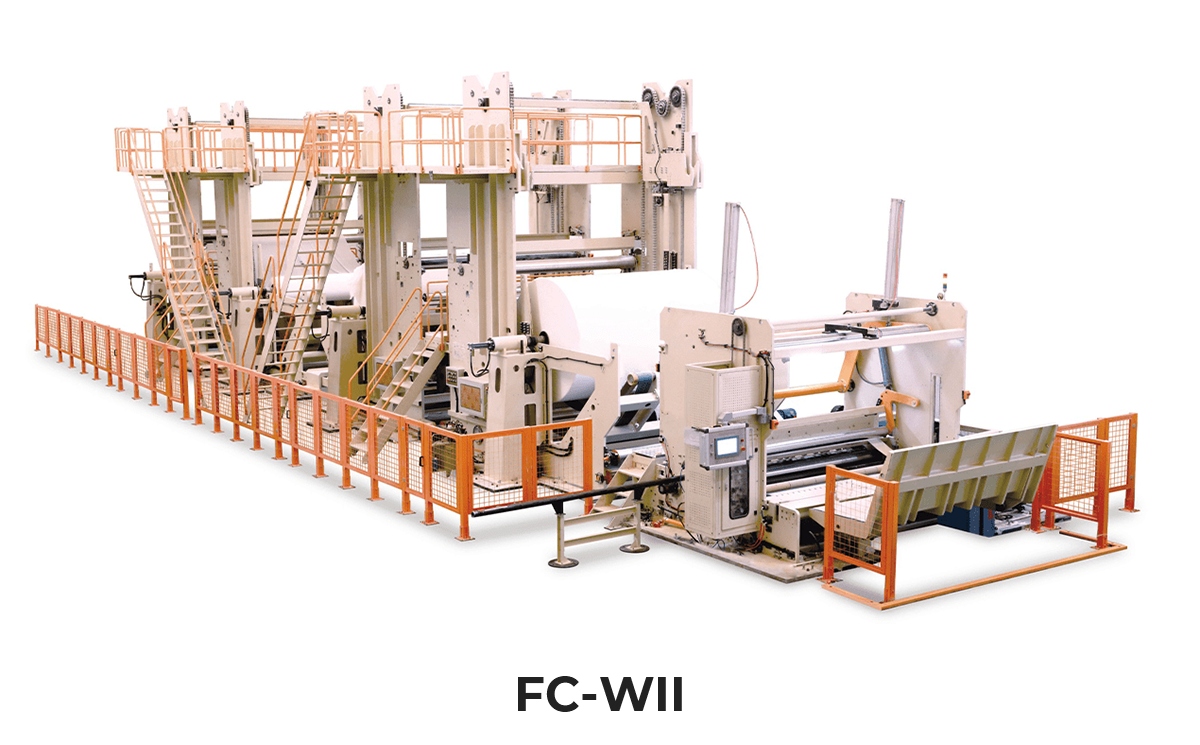

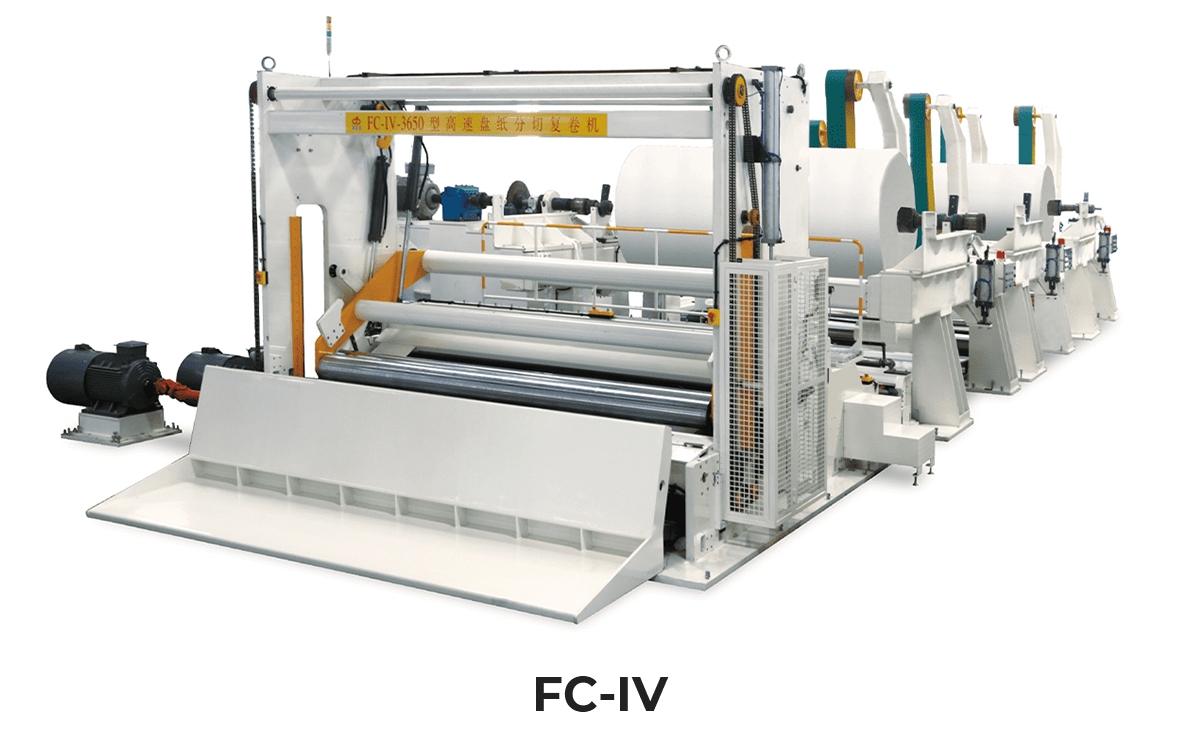
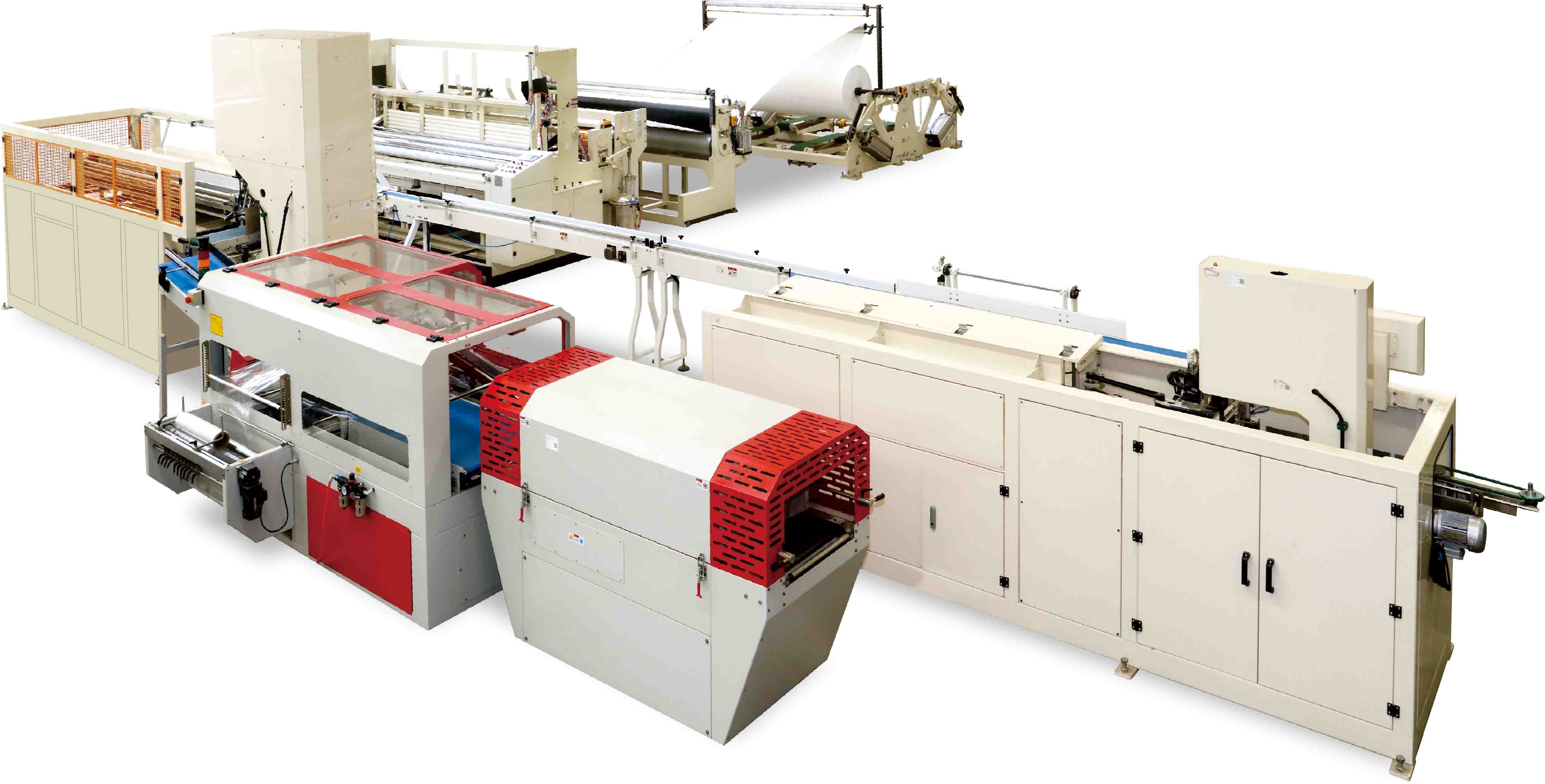
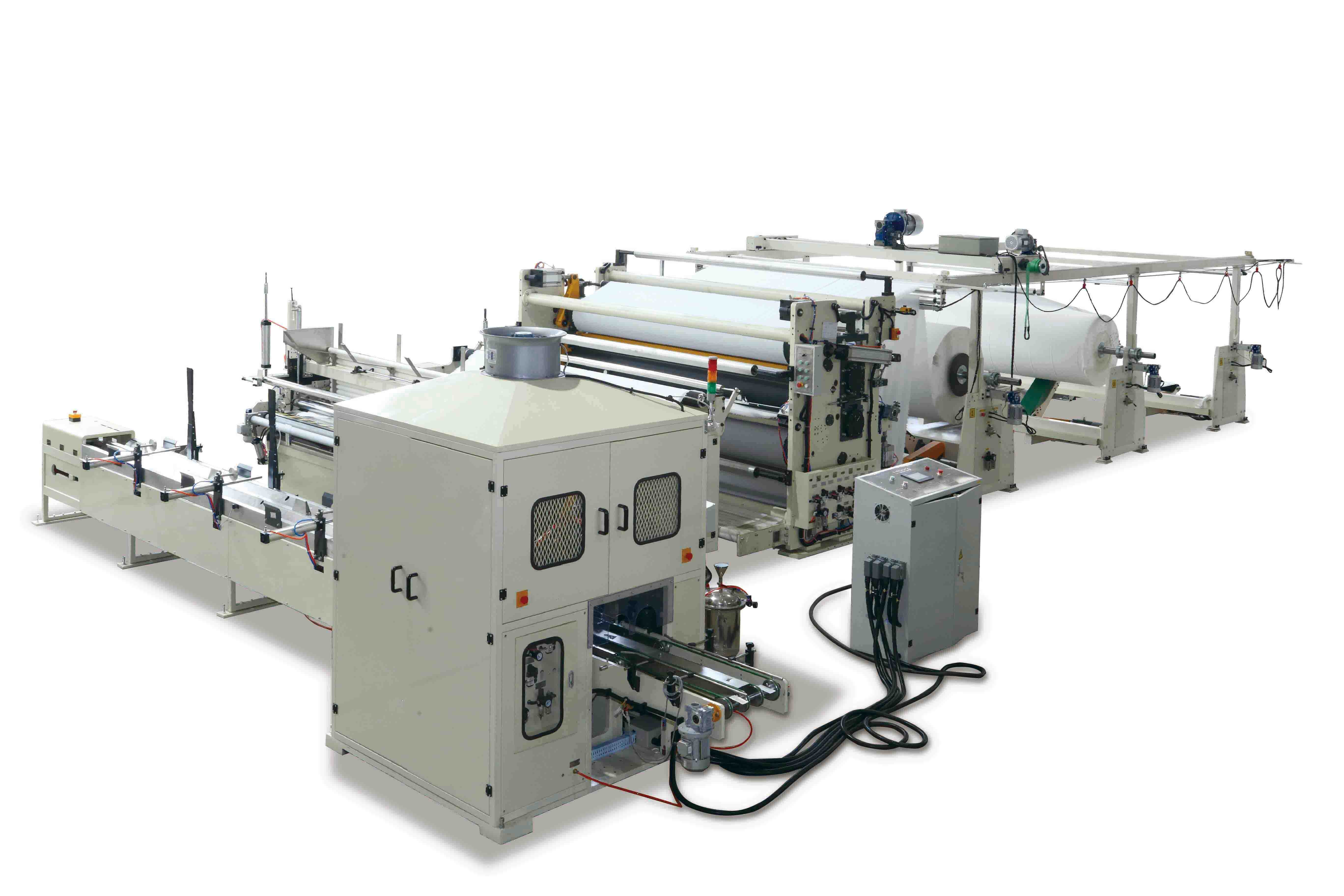
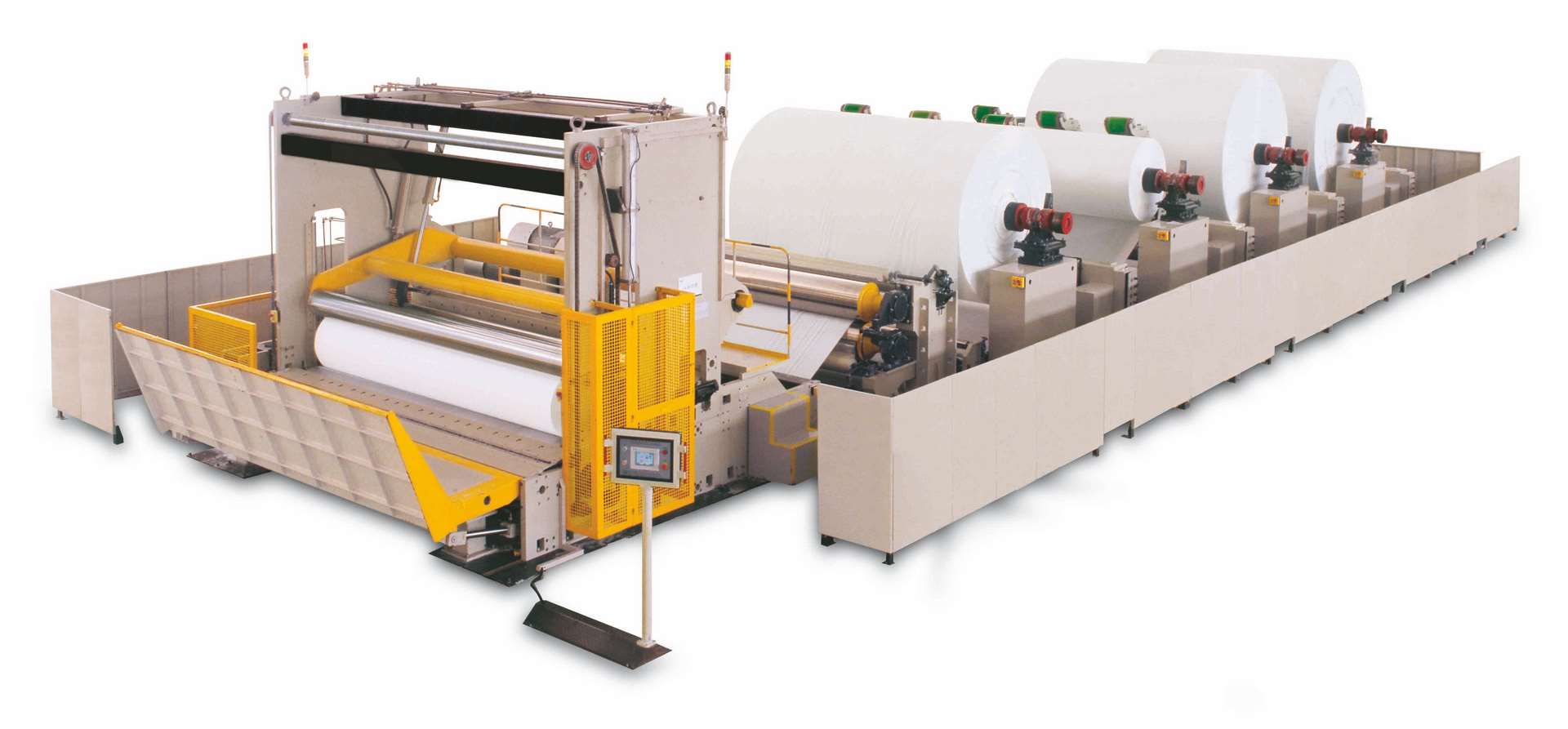

 English
 Español
 العربية
 Português do Brasil
 Русский